
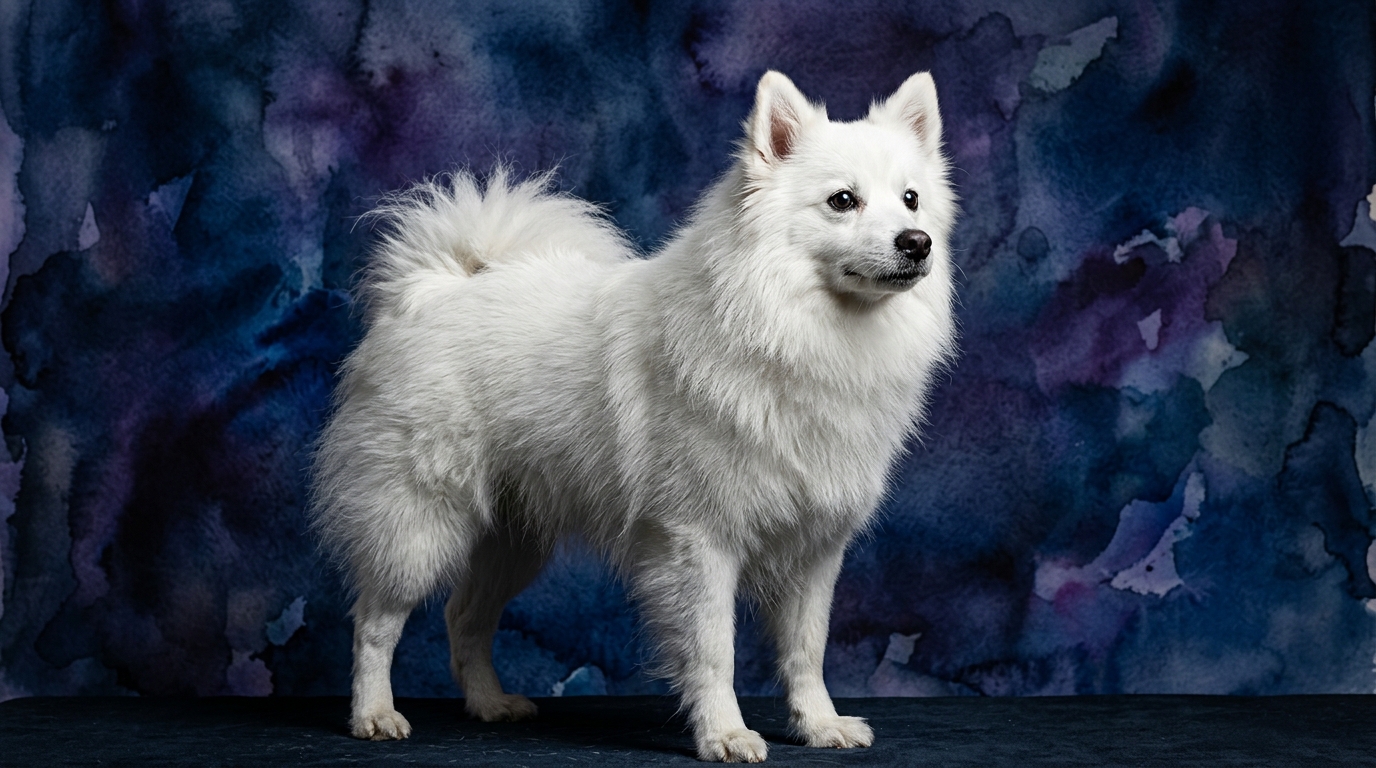
Side-by-Side Cognitive Profile: German Shepherd vs. American Eskimo Dog
The Cosmic Pet Pet IQ Lab assesses canine intelligence across five key dimensions: problem-solving, training speed, social intelligence, instinctive drive, and memory. For the German Shepherd, a breed renowned for its versatility and working capabilities, the scores are consistently top-tier across the board. They achieve a perfect 5/5 in problem solving, indicating a profound ability to navigate complex situations and devise solutions independently. Their training speed also rates 5/5, reflecting their rapid assimilation of new commands and concepts, often requiring minimal repetition. Social intelligence is likewise 5/5, highlighting their deep understanding of human cues, intentions, and social hierarchies. Their instinctive drive, rated 5/5, points to a powerful intrinsic motivation for purpose-driven tasks, whether herding, protection, or service work. Finally, their memory is also a stellar 5/5, allowing them to retain vast amounts of information and experiences over long periods.
In contrast, the American Eskimo Dog, while a bright and engaging companion, presents a more moderate cognitive profile. They score 3/5 in problem solving, suggesting a capable but less independently inventive approach to novel challenges, often preferring guidance. Their training speed is also 3/5, meaning they learn reliably but may require more consistent repetition and patience compared to a quick-study breed. Social intelligence for the American Eskimo Dog is rated 3/5, indicating a good understanding of social dynamics and human interactions, though perhaps not with the same depth or nuance as their German Shepherd counterparts. Their instinctive drive, at 3/5, is present but typically manifests as a desire for companionship and play rather than a strong compulsion for specific working roles. Their memory also stands at 3/5, sufficient for everyday routines and learned behaviors, but potentially less extensive than breeds with a 5/5 rating. These moderate scores suggest a balanced and adaptable cognitive makeup well-suited for a companion role.
Where the German Shepherd Excels Cognitively
The German Shepherd's cognitive strengths are particularly evident in their capacity for complex, multi-stage tasks. Their 5/5 problem-solving isn't just about figuring out a puzzle; it's about strategizing, adapting to changing circumstances, and often anticipating next steps in a dynamic environment. This makes them exceptional candidates for roles requiring sophisticated decision-making, such as search and rescue, police work, or assistance dog duties where independent thought is crucial. Their high social intelligence allows them to interpret subtle human body language and vocal inflections, fostering an incredibly tight and responsive working partnership. This deep understanding means they can often predict an owner's needs or intentions before explicit commands are given, creating an almost telepathic bond.
Furthermore, the German Shepherd's 5/5 instinctive drive isn't merely about energy; it’s a profound internal motivation to engage in purposeful activity. This drive, combined with their rapid training speed and excellent memory, means they not only learn quickly but also retain and apply that learning consistently, even under pressure. They thrive on having a 'job,' whether it's herding, protection, or competitive obedience, channeling their cognitive prowess into focused, productive output. This innate need for purpose, coupled with their cognitive toolkit, allows them to master intricate sequences of commands and adapt them seamlessly to new contexts, truly making them a breed that thinks and acts with intention.
Where the American Eskimo Dog Excels Cognitively
While the American Eskimo Dog's cognitive profile is more moderate, their strengths lie in their balanced adaptability and suitability for a wide range of companion lifestyles. Their 3/5 in problem-solving means they are capable of learning and navigating everyday challenges, but are less likely to become overly restless or destructive if not constantly engaged in mentally strenuous activities. This makes them a more relaxed intellectual presence in the home, perfectly content with a good play session and quality time with their family, rather than requiring a complex daily 'job' to satisfy their cognitive needs. Their moderate instinctive drive means they are driven by companionship and playful interaction, making them eager participants in family life without the intense, specific working demands of some other breeds.
The American Eskimo Dog's 3/5 social intelligence allows them to form strong bonds and be responsive to their family, but perhaps with a touch more independence than a German Shepherd. They are alert and observant, often making excellent watchdogs who notice novelties in their environment without necessarily feeling the intense pressure to 'solve' every perceived issue. This balanced cognitive approach means they are generally less prone to anxiety stemming from overly complex training demands or an absence of a specific 'purpose,' fostering a more emotionally stable and manageable companion. Their cognitive makeup is ideally suited for a family looking for an engaged, affectionate, and alert companion whose mental stimulation needs are met through regular interaction, games, and routine walks rather than specialized training.
Training Ease: German Shepherd vs. American Eskimo Dog
When it comes to training, the German Shepherd's 5/5 scores in both training speed and problem-solving make them exceptionally receptive. They grasp new commands with remarkable rapidity, often understanding a concept after just a few repetitions. Their high social intelligence means they are acutely tuned into their handler's instructions, body language, and even subtle shifts in tone, leading to a highly responsive and precise training experience. This breed thrives on structured learning and quickly generalizes commands to new environments, making them suitable for advanced obedience, agility, or specialized working roles where precision and reliability are paramount. Their strong instinctive drive fuels their desire to learn and perform, transforming training into a rewarding partnership.
The American Eskimo Dog, with 3/5 ratings in training speed and problem-solving, is certainly trainable but requires a different approach. They learn consistently, yet may need more repetitions and a patient, positive reinforcement-based method to solidify new behaviors. Their moderate social intelligence means they respond well to clear, consistent cues but might not pick up on nuanced signals as quickly as a German Shepherd. Behavioral differences include their natural tendency to be a bit more independent or vocal; their 'Eskie bark' is a characteristic trait. While they enjoy learning, their instinctive drive is more geared towards companionship and playful interaction than a focused working partnership, which means training sessions should be kept engaging, fun, and relatively short to maintain their interest. Owners should be prepared for a slightly slower learning curve and a need for consistent, positive reinforcement to build reliable behaviors.
Suitability: Active Owners vs. Relaxed Owners
For active owners seeking a canine partner for demanding activities, the German Shepherd is an exceptional match. Their 5/5 instinctive drive, combined with superior problem-solving and memory, means they require significant mental and physical engagement to thrive. This breed is not content with merely a daily walk; they need a 'job' or a consistent outlet for their cognitive and physical energies, such as advanced obedience, protection sports, agility, or extensive hiking. Owners who enjoy structured training, have experience with working breeds, and can dedicate several hours daily to their dog's mental and physical stimulation will find the German Shepherd an incredibly rewarding and devoted companion. Their cognitive needs align perfectly with a highly active, purpose-driven lifestyle.
The American Eskimo Dog, with its more moderate cognitive profile, is a better fit for owners who desire an active companion but without the intense demands of a working breed. While they are energetic and enjoy regular walks, playtime, and interactive games, their 3/5 instinctive drive and problem-solving mean they don't require the same level of complex, structured mental work as a German Shepherd. They can adapt well to various living situations, including apartments, provided they receive sufficient daily exercise and mental engagement through toys, puzzles, and family interaction. Owners who appreciate a dog that is alert, affectionate, and playful, but who may not have the time or inclination for highly specialized training or demanding working roles, will find the American Eskimo Dog to be a delightful and manageable companion. They suit a moderately active lifestyle with plenty of family involvement.
The Verdict
Choose the German Shepherd if you are an experienced, active owner seeking a highly trainable, purpose-driven partner for complex tasks, protection, or competitive dog sports.
Opt for the American Eskimo Dog if you desire an alert, affectionate, and engaging companion who thrives on moderate activity and family interaction without requiring intense working demands.
🧠 Find Your Pet's IQ Score
Our Pet IQ Lab assessment covers 25+ tests across 5 cognitive dimensions — personalized to your breed.
Take the Full IQ Test →Frequently Asked Questions
Which breed is better for first-time dog owners?
The American Eskimo Dog is generally more forgiving for first-time owners due to their more moderate training requirements and instinctive drives. German Shepherds, with their intense drive and need for consistent, experienced guidance, typically require an owner with prior dog experience.
Do American Eskimo Dogs make good guard dogs?
American Eskimo Dogs are excellent watchdogs due to their alertness and tendency to bark at strangers or unusual occurrences, but their instinctive drive is not typically geared towards protection. German Shepherds, with their 5/5 instinctive drive and social intelligence, are far more suited for true guard or protection work.
Which breed requires more mental stimulation daily?
The German Shepherd unequivocally requires more mental stimulation daily due to their 5/5 problem-solving and instinctive drive; they need consistent complex tasks or 'jobs' to prevent boredom. The American Eskimo Dog, with 3/5 in these areas, thrives on regular interaction, puzzles, and playtime but doesn't demand the same intensity of mental work.