
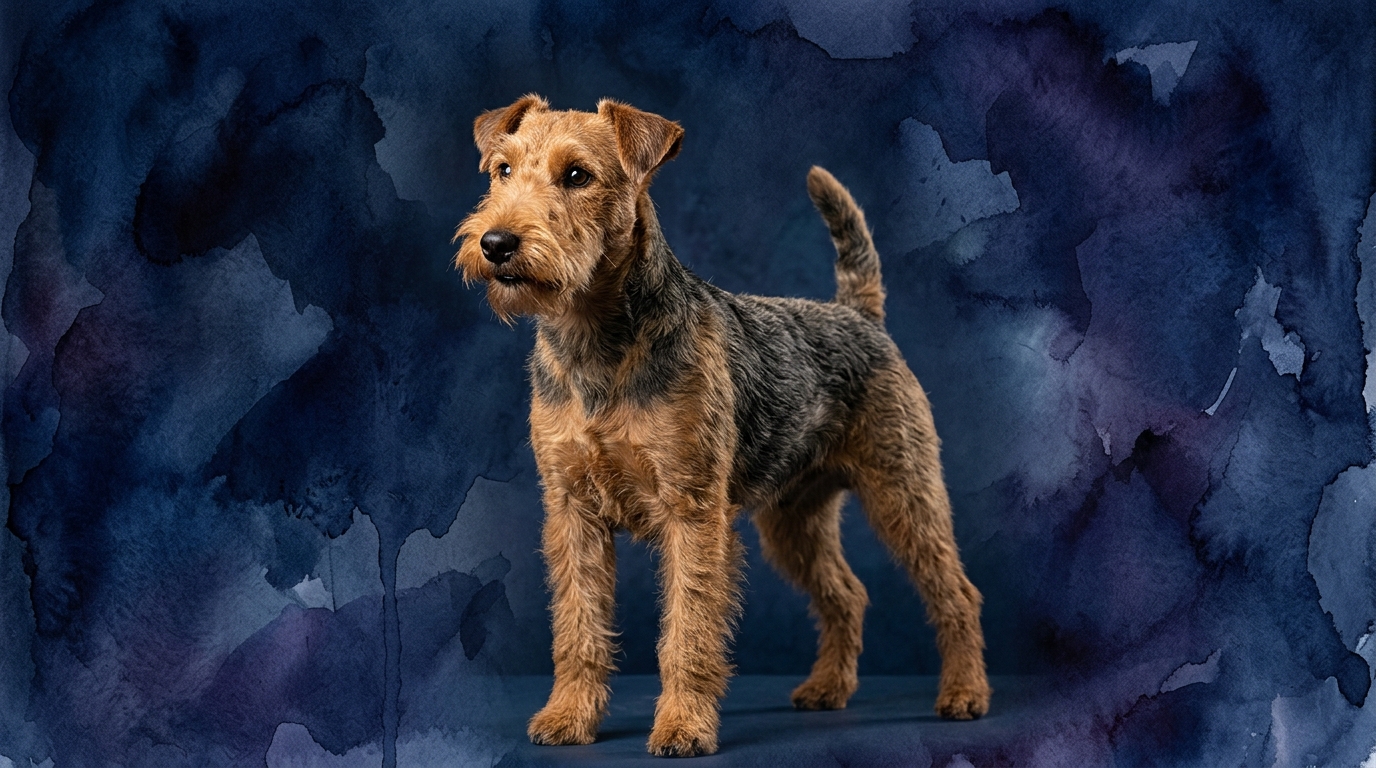
Side-by-Side Cognitive Profiles: Brittany vs. Welsh Terrier
At The Cosmic Pet Pet IQ Lab, we dissect canine intelligence across five critical dimensions to provide a nuanced understanding of each breed's mental architecture. For the Brittany, a sporting dog with a Coren rank of #19, its profile presents a compelling blend of mental agility and impressive retention. It scores 4/5 in Problem Solving, indicating a strong capacity to navigate new situations and figure out solutions independently. Its Training Speed is also 4/5, suggesting a quick grasp of new commands and routines. Social Intelligence for the Brittany stands at 3/5, meaning it typically understands human cues and social dynamics adequately, but might not always be the most overtly people-focused compared to some highly social breeds. Instinctive Drive is rated 3/5, reflecting its inherent drive for hunting and retrieving, but perhaps not to the same all-consuming degree as some other working dogs. A standout feature is its Memory, scoring an exceptional 5/5, which points to a remarkable ability to recall learned behaviors and past experiences over extended periods.
The Welsh Terrier, a spirited member of the Terrier group and not Coren-ranked, showcases a different set of cognitive priorities, aligning with its historical role. Its Problem Solving ability is rated 3/5, indicating a moderate aptitude for independent thought when faced with novel challenges, often relying on persistence. Training Speed also sits at 3/5, suggesting that while trainable, it may require more repetition and creative motivation to solidify commands compared to quicker learners. Its Social Intelligence matches the Brittany at 3/5, meaning it's generally capable of forming bonds and understanding social cues, but retains a degree of independence. Instinctive Drive is also 3/5, which for a terrier, typically translates into a strong prey drive and a propensity for activities like digging and chasing, requiring focused outlets. Finally, its Memory is rated 3/5, indicating a respectable capacity for recall, though not quite at the same highly retentive level as the Brittany.
Where the Brittany Excels Cognitively
The Brittany's cognitive strengths are particularly evident in its exceptional memory and robust problem-solving skills. With a memory score of 5/5, this breed can recall complex sequences of commands, elaborate scent patterns, and the locations of hidden objects with remarkable accuracy. This isn't just about remembering 'sit'; it's about recalling a multi-step retrieve in a challenging environment or navigating a familiar hunting ground with precision, even after a long hiatus. This superior recall makes them adept at advanced obedience, intricate field trials, and tasks requiring a cumulative understanding of procedures, allowing them to build upon past experiences efficiently.
Furthermore, the Brittany's 4/5 in problem solving means they aren't just following rote commands; they are actively engaging their minds to overcome obstacles. If a path is blocked during a retrieve, a Brittany is more likely to assess alternative routes rather than simply giving up or waiting for direct instruction. This cognitive flexibility allows them to adapt quickly to changing situations, whether in a field scenario or during a new enrichment puzzle at home. Their ability to connect cause and effect, combined with their excellent memory, allows them to learn from mistakes and apply successful strategies in future, similar contexts, making them highly effective partners in dynamic activities.
Where the Welsh Terrier Demonstrates Unique Cognitive Strengths
While the Welsh Terrier's scores might appear numerically lower in some areas, its cognitive profile is uniquely suited to its purpose and possesses distinct advantages, particularly in terms of tenacious, independent problem-solving rooted in its instinctive drive. A 3/5 in instinctive drive for a terrier often manifests as unwavering focus and determination when pursuing a task, such as tracking a scent or investigating a burrow. This isn't about speed, but about persistence and a singular dedication to a goal, which can be a valuable cognitive asset in specific scenarios where sustained effort is paramount, even if it's a task the owner didn't explicitly initiate.
Their 3/5 in problem solving, while not as high as the Brittany's, is often applied with a distinctive terrier tenacity. A Welsh Terrier might not solve a complex puzzle box as quickly, but it will likely approach it with a relentless, trial-and-error method, undeterred by initial failures. This cognitive resilience means they are less likely to give up on a challenge that truly engages their natural instincts, such as finding a hidden toy or navigating a tricky terrain. Their moderate social intelligence (3/5) allows them to engage with humans effectively but also enables them to operate independently without constant reassurance or direction, a cognitive trait that fosters self-reliance and initiative in their work.
Trainability: A Comparison of Learning Styles
When it comes to trainability, the Brittany generally presents a more straightforward path for owners due to its higher Training Speed (4/5) and exceptional Memory (5/5). These factors mean a Brittany will typically grasp new commands and concepts with fewer repetitions and retain them for longer periods. They often thrive on structure and routine, eagerly anticipating training sessions and performing well in environments where clear expectations are set. Their strong memory allows for the rapid chaining of behaviors, making them excellent candidates for advanced obedience, agility, and complex field work where multiple commands and actions must be performed in sequence.
The Welsh Terrier, with its 3/5 in both Training Speed and Memory, requires a different approach to training. While certainly capable of learning, they often need more consistent reinforcement and a more varied, engaging training style to maintain their focus. Their independent streak, stemming from their terrier heritage, means they might be less inclined to blindly follow commands and more likely to question the 'why.' Training a Welsh Terrier benefits from short, fun sessions, positive reinforcement, and making the learning process feel like a game rather than a chore. Owners should be prepared for a longer journey to solidify commands and understand that their Welsh Terrier might occasionally choose to prioritize an interesting scent or a perceived 'mission' over an immediate recall, even if they perfectly understand the command.
Matching Breeds to Lifestyles: Active vs. Relaxed Owners
For the highly active owner seeking a dedicated partner for extensive outdoor adventures, the Brittany is an ideal match. Their sporting dog heritage means they possess a significant need for physical exercise and mental stimulation, particularly activities that engage their scenting and retrieving instincts. Long runs, hikes, field work, and dog sports like agility or flyball are not just beneficial but often essential for their well-being. Their cognitive profile, with high problem-solving and memory, means they excel when given complex tasks and thrive on challenges that keep their minds as engaged as their bodies. An owner who can provide consistent, varied, and purposeful activity will find the Brittany an endlessly enthusiastic and capable companion.
The Welsh Terrier, while certainly an active breed with a strong drive, suits an owner whose 'active' lifestyle might be characterized by bursts of intense, focused activity rather than continuous, long-duration exercise. They thrive on engaging their terrier instincts through digging, chasing, and exploring, often in their own independent way. They might enjoy vigorous play sessions, earthdog trials, or challenging puzzle toys that tap into their problem-solving persistence. An owner who appreciates a dog with a distinct personality and is willing to channel its independent energy into structured, stimulating activities rather than expecting continuous biddability will find a rewarding companion. While they can adapt to a more relaxed home life, they still require consistent mental and physical outlets to prevent boredom and channel their innate drives constructively, but perhaps in a way that doesn't demand the same kind of sustained, high-mileage output as a Brittany.
The Verdict
Choose the Brittany if you seek a highly trainable, memory-driven companion for extensive outdoor activities, complex tasks, and a strong partnership in sporting endeavors.
Opt for the Welsh Terrier if you appreciate an independent, tenacious personality and can provide engaging, instinct-driven activities that channel their unique problem-solving persistence and spirited nature.
🧠 Find Your Pet's IQ Score
Our Pet IQ Lab assessment covers 25+ tests across 5 cognitive dimensions — personalized to your breed.
Take the Full IQ Test →Frequently Asked Questions
Does a Brittany's high memory score make them easier to live with?
Yes, a Brittany's exceptional memory (5/5) generally contributes to easier living. They quickly learn household rules, retain obedience commands, and remember routines, leading to fewer behavioral inconsistencies and a more predictable companion over time.
How does the Welsh Terrier's 'instinctive drive' impact daily life?
The Welsh Terrier's instinctive drive (3/5) translates to a strong desire to chase, dig, and explore, which can manifest as persistent curiosity or a high prey drive. Owners need to provide structured outlets for these behaviors through secure yards, focused play, and training to prevent unwanted digging or chasing impulses.
Can a Welsh Terrier excel in dog sports despite a lower training speed?
Absolutely, a Welsh Terrier can excel in dog sports, especially those that align with their natural drives like earthdog trials or agility, where their tenacity and independent problem-solving can shine. Success requires patient, consistent, and highly motivating training methods that engage their spirited personality, rather than relying solely on speed of acquisition.