
Side-by-Side IQ Profile: Unpacking Moderate Scores
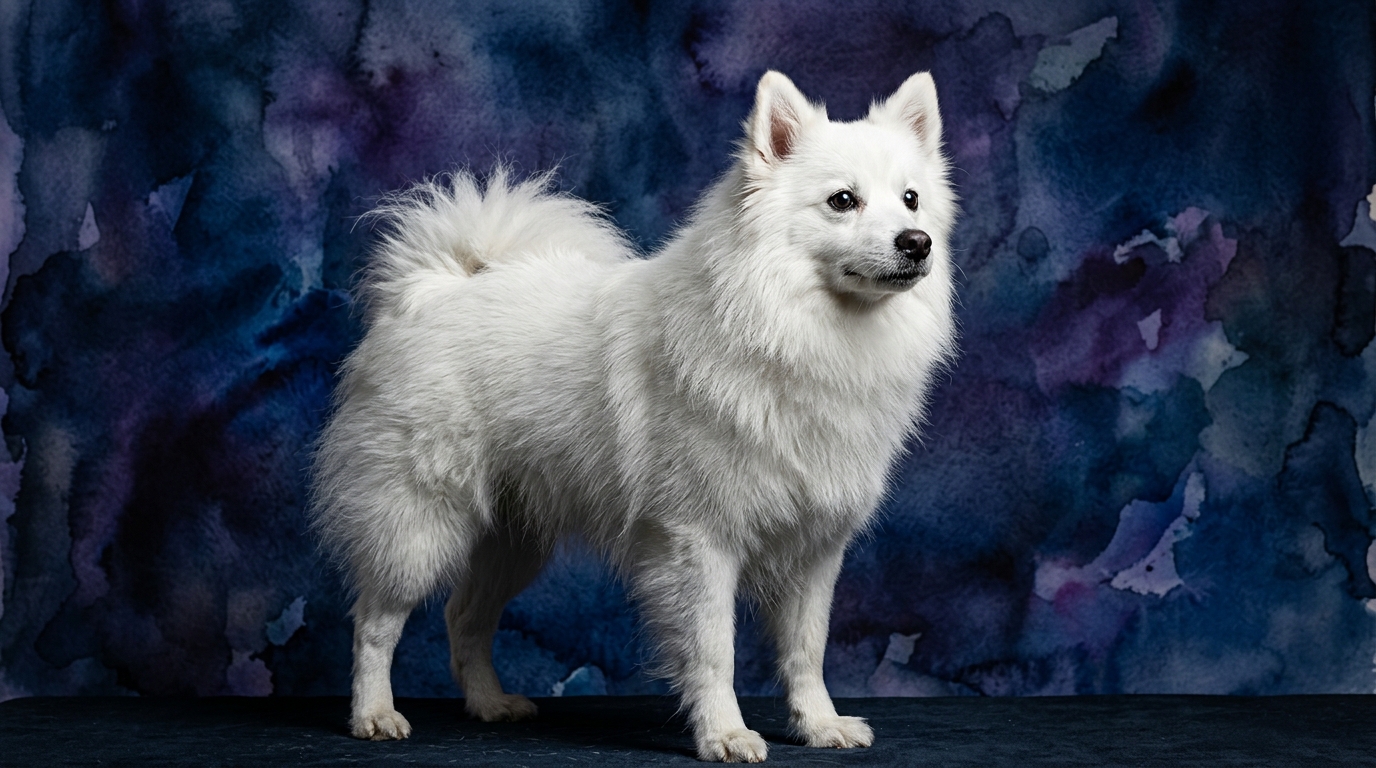
Both the Brussels Griffon and the American Eskimo Dog register a 3 out of 5 for Problem Solving, indicating a moderate capacity to navigate new situations and figure out solutions. For the Brussels Griffon, this often translates into a clever ability to manipulate their environment or their human companions to achieve desired outcomes, such as acquiring an extra treat or securing a prime napping spot on the sofa. Their solutions are frequently socially driven, focused on comfort and attention within their immediate family. The American Eskimo Dog, while also scoring 3/5, tends to exhibit this skill with a more independent flair, potentially figuring out how to open a gate, unlatch a cabinet, or devise intricate play scenarios. Their problem-solving might be geared towards engaging their environment or satisfying a working dog's inherent need for mental engagement.
In Training Speed, both breeds achieve a 3 out of 5, suggesting a moderate pace of learning new commands and routines. The Brussels Griffon can grasp concepts quickly, but their 'big dog in a small body' attitude or a touch of stubbornness might sometimes slow the consistent application of learned behaviors. They learn, but compliance can be conditional on their motivation. The American Eskimo Dog, also at 3/5, is generally eager to please and enjoys mental challenges, which can make them quick studies. However, their independence and potential for boredom or distractibility mean that engaging, varied training methods are crucial to maintain their focus and accelerate their learning curve.
Social Intelligence for both breeds stands at a 3 out of 5, indicating a moderate ability to interpret human cues and interact appropriately. The Brussels Griffon is profoundly attuned to human emotions, often forming deep, empathetic bonds with one or two primary caregivers. Their social intelligence manifests as a keen awareness of household dynamics and a desire to be physically close, expressing their needs and affections with remarkable clarity to their chosen people. The American Eskimo Dog, with its 3/5 score, is highly people-oriented and thrives on interaction, often reading human cues for play or attention. While generally friendly, they can be watchful and vocal around strangers, demonstrating a social intelligence that includes a protective awareness of their family unit.
Instinctive Drive also scores 3 out of 5 for both the Brussels Griffon and the American Eskimo Dog, but its manifestation differs significantly. For the Brussels Griffon, this moderate drive is less about traditional prey instincts and more about companion behaviors – a strong desire for closeness, alert barking to signal novelty, and perhaps a terrier-like boldness in exploring small spaces or asserting their presence. The American Eskimo Dog, stemming from working Spitz breeds, exhibits its 3/5 instinctive drive with a more pronounced desire for purpose and activity. This can include a moderate prey drive for small animals, a strong inclination to 'work' or have a task, and a notable guarding instinct that often translates into alert barking and territorial awareness.
Finally, both breeds score 3 out of 5 for Memory, indicating a solid capacity to recall past experiences, commands, and routines. The Brussels Griffon will remember household rules, the location of favored toys, and the people who offer the best cuddles or treats, which can be both charming and occasionally challenging if they remember past indulgences. The American Eskimo Dog also possesses an excellent memory for commands, people, and places. This strong recall makes them proficient in obedience and trick training, but it also means they remember inconsistencies in training or negative experiences, emphasizing the need for positive and consistent handling.
Where the Brussels Griffon Wins Cognitively
Despite identical scores, the Brussels Griffon often demonstrates a nuanced cognitive edge in areas related to human-canine social dynamics within a close-knit family. Their 3/5 social intelligence, combined with their strong bond to a primary caregiver, means they are exceptionally adept at reading subtle human cues and emotions, often anticipating needs or moods with remarkable precision. This deep empathy allows them to offer comfort or solicit attention with a specific type of cognitive success tailored to their companion role. Their 3/5 problem-solving frequently manifests as cleverness in navigating household rules or finding ingenious ways to be at the center of attention, a skill honed in a domestic, people-centric environment. Their memory serves them well in recalling which family member is most likely to bend the rules for an extra treat, showcasing a socially strategic application of their cognitive abilities.
Where the American Eskimo Dog Wins Cognitively
The American Eskimo Dog, with its moderate scores across the board, showcases a particular cognitive strength in applying its intelligence to more structured tasks and environmental awareness. Their 3/5 instinctive drive, stemming from their Spitz heritage, often translates into a keen sense of observation and a desire to engage actively with their surroundings, making them quick to notice changes or potential 'intruders.' This alertness, coupled with their 3/5 memory, enables them to quickly learn and retain sequences of commands or complex routines, making them excellent candidates for agility, obedience, or even trick training. Their problem-solving might involve more independent exploration and figuring out how to achieve a physical goal, such as opening a door or retrieving a hidden object, reflecting a more active and purpose-driven engagement with their environment than their Toy counterpart.
Training: Navigating Moderate Learning Speeds
Considering both breeds register a 3 out of 5 for training speed, the 'easier' distinction hinges on owner approach and individual temperament. The Brussels Griffon, despite its moderate training speed, can present challenges due to its independent and sometimes willful nature, often described as having a 'big dog' attitude in a small package. While they grasp concepts quickly, their motivation can wane if they don't see immediate personal benefit, requiring patient, consistent, and high-value reward-based methods to overcome a potential 'what's in it for me?' mindset. They respond best to training that feels like a game and strengthens their bond with their person, rather than strict repetition.
The American Eskimo Dog, also at 3/5, is generally eager to please and enjoys learning, but their intelligence means they can become bored with repetitive drills or develop mischievous habits if not adequately stimulated. Their moderate instinctive drive means they respond exceptionally well to training that incorporates purpose and engagement, such as trick training, puzzle toys, or dog sports like agility. Therefore, the Eskie might be perceived as 'easier' for an owner who enjoys consistent, engaging training and can provide varied mental challenges, while the Griffon requires an owner who appreciates their charming stubbornness and can motivate them with playful approaches and clear, positive reinforcement.
Matching Breeds to Lifestyles: Active vs. Relaxed Owners
When matching cognitive profiles to owner lifestyles, the differences between these two breeds become clearer. The Brussels Griffon, with its 3/5 instinctive drive largely channeled into companionship, is generally better suited for relaxed owners who appreciate a devoted lapdog and can provide consistent, gentle attention. While they enjoy short bursts of play and walks, their cognitive energy is often spent observing their human family and engaging in social interactions within the home. Their moderate problem-solving often focuses on domestic comfort and attention-seeking, aligning well with a less physically demanding routine. They thrive on being involved in daily family life, even if that means simply sharing a sofa.
The American Eskimo Dog, conversely, with its 3/5 instinctive drive rooted in its working heritage, thrives with active owners. This breed needs regular physical exercise and, crucially, consistent mental stimulation to prevent boredom and channel its moderate problem-solving and memory skills constructively. Owners who enjoy dog sports, long walks, hiking, or interactive training sessions will find the Eskie's cognitive engagement a rewarding challenge, as they excel when given a 'job' or a consistent outlet for their energy. Their alertness and desire to participate mean they are not content to be mere couch potatoes, requiring an owner who can match their enthusiasm for activity and learning.
The Verdict
Choose the Brussels Griffon if you seek a devoted, sensitive companion who excels at subtle social interactions and thrives in a home environment focused on comfort and close bonds.
Opt for the American Eskimo Dog if you're an active owner ready to provide consistent mental and physical challenges, appreciating a clever, engaged companion eager to learn and participate in varied activities.
🧠 Find Your Pet's IQ Score
Our Pet IQ Lab assessment covers 25+ tests across 5 cognitive dimensions — personalized to your breed.
Take the Full IQ Test →Frequently Asked Questions
Are Brussels Griffons difficult to train?
Brussels Griffons, with a 3/5 training speed, are capable learners but can be independently minded. Success often comes with patient, positive reinforcement and making training sessions engaging and rewarding to capture their attention, rather than relying on strict obedience.
Do American Eskimo Dogs need a lot of mental stimulation?
Yes, American Eskimo Dogs score 3/5 in problem-solving and instinctive drive, indicating a significant need for consistent mental engagement. Without adequate mental outlets, they can become bored, potentially leading to mischievous behaviors, excessive barking, or destructive habits to entertain themselves.
How do the social skills of these breeds differ?
Both breeds score 3/5 in social intelligence, yet it manifests distinctly. Brussels Griffons are typically more attuned to their immediate family's emotions and prefer intimate social circles, while American Eskimo Dogs are generally more outgoing and enjoy broader social interaction, often being watchful and vocal with strangers as part of their protective nature.