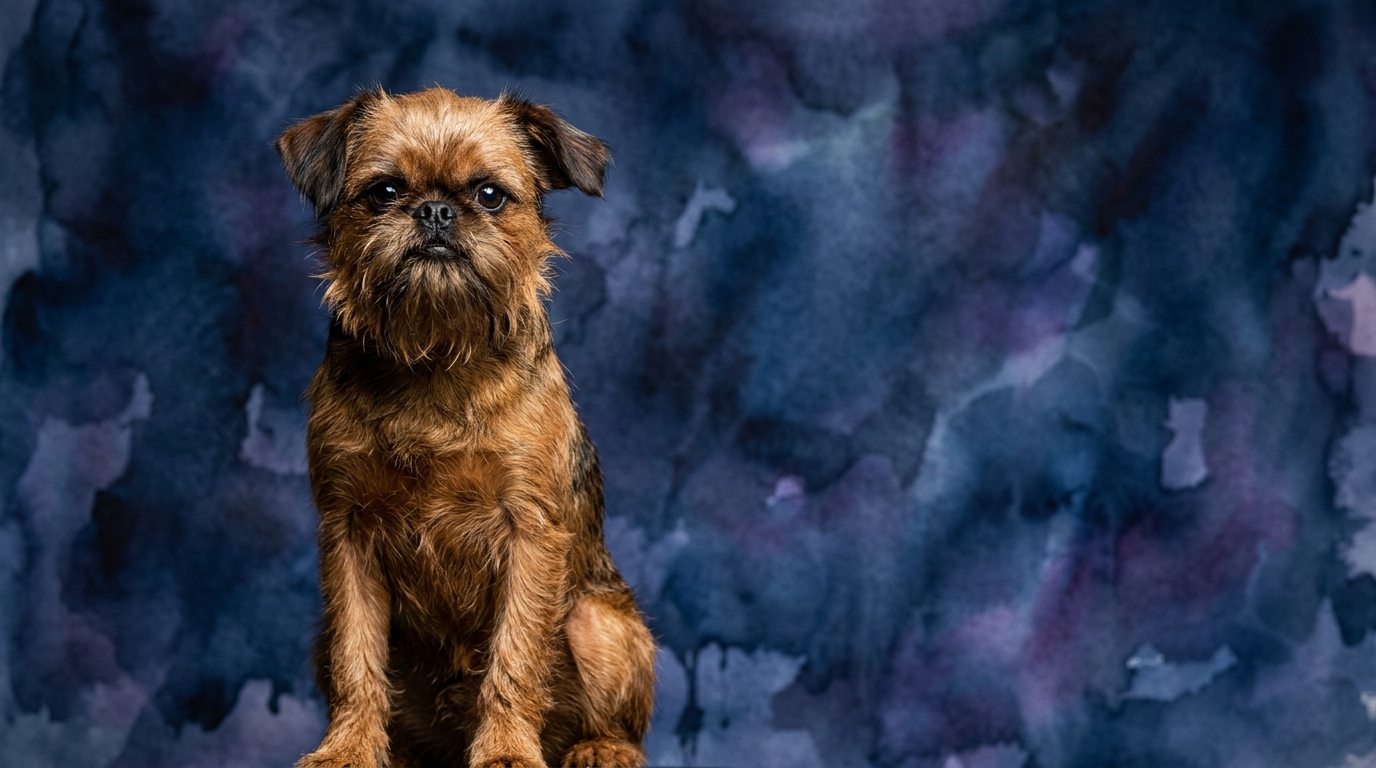
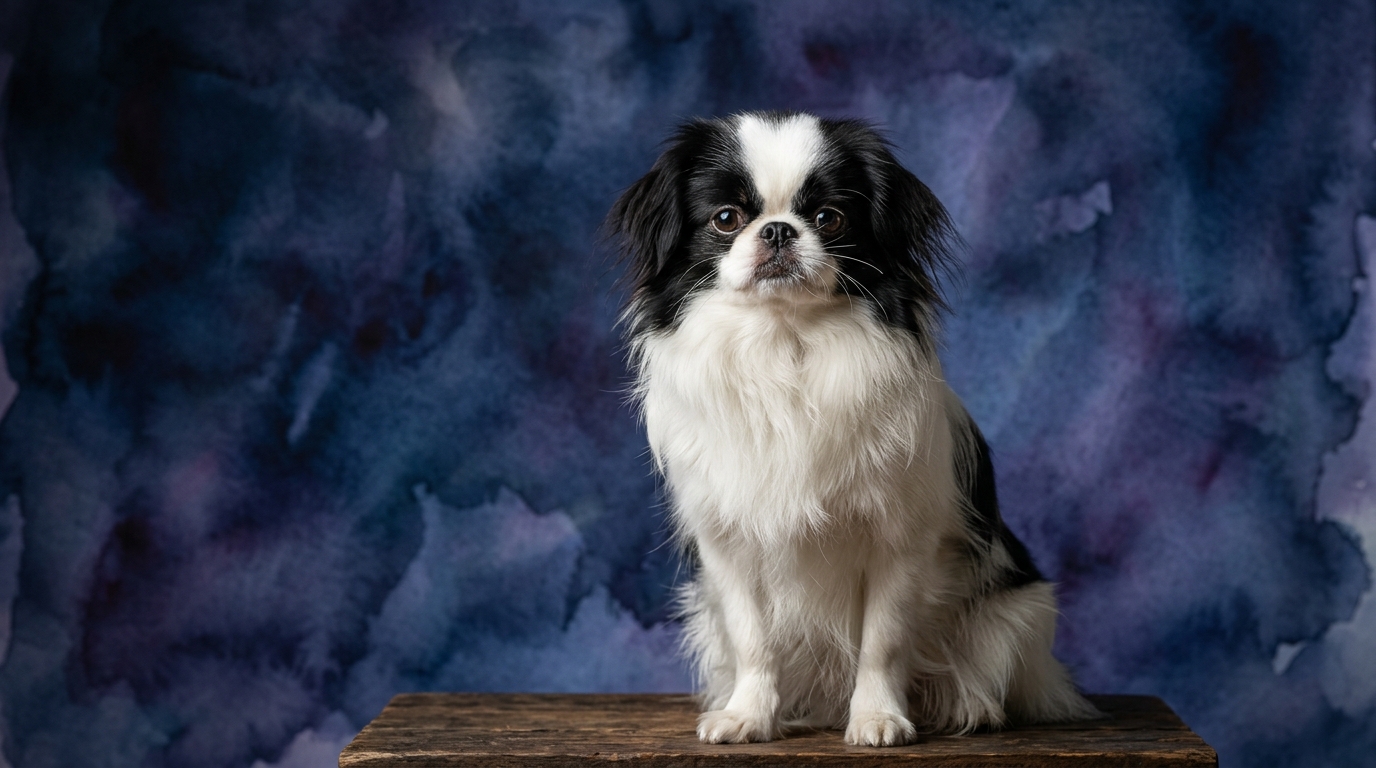
Side-by-Side Cognitive Profile: Unpacking Identical Scores
At first glance, the Cosmic Pet Pet IQ Lab scores for both the Brussels Griffon and the Japanese Chin paint a picture of surprising similarity, with each breed registering a solid 3 out of 5 across all five cognitive dimensions. While the numerical values are identical, the *expression* of these scores often varies dramatically between these two charming companions, rooted in their distinct temperaments and historical roles. Understanding these subtle differences is key to appreciating their individual cognitive strengths.
For Problem Solving (3/5), both breeds possess a moderate capacity to navigate new situations or overcome obstacles. A Brussels Griffon might approach a closed door with a series of barks, nudges, or even attempts to manipulate the handle, demonstrating a more hands-on, persistent trial-and-error method. Conversely, a Japanese Chin might sit back, observe, and then perhaps use a subtle gaze or a gentle paw tap on their human to 'solve' the problem of getting the door open, showcasing a more refined, observational approach. Their ability to strategize and adapt is present, but their methods diverge.
In Training Speed (3/5), both breeds demonstrate a moderate pace for learning new commands and routines. This means they are certainly capable of acquiring a substantial vocabulary of cues, but neither will pick up complex sequences in a single session. A Brussels Griffon, with its independent and sometimes opinionated nature, might take longer to *comply* consistently, even if it has grasped the command quickly. A Japanese Chin, often eager to please but sensitive, might learn quickly in a positive, calm environment but shut down if training becomes too forceful or inconsistent. The 'speed' of learning is there, but the 'willingness' to perform can be influenced by personality.
Social Intelligence (3/5) in both breeds reflects a good understanding of social cues and dynamics within their household. A Brussels Griffon often uses its expressive 'monkey' face and vocalizations to communicate its needs, desires, and emotional state, engaging actively and sometimes boisterously with its human companions. A Japanese Chin, known for its more serene and 'cat-like' demeanor, might exhibit its social intelligence through subtle body language, a discerning preference for specific individuals, and a quiet, deeply empathetic connection, often seeming to anticipate their owner's moods without overt displays. Both are socially astute, but one is an open book, the other a nuanced poem.
Instinctive Drive (3/5) in the Brussels Griffon can manifest as a tenacious curiosity, a desire to investigate every new smell or sound, and a surprising watchfulness for such a small dog, reflecting its terrier lineage. They might display a moderate drive for chasing small moving objects or digging. For the Japanese Chin, this drive often centers on comfort, cleanliness, and a strong preference for routine and order. Their 'cat-like' precision in self-grooming or their instinct to find the warmest, most elevated perch are manifestations of their moderate instinctive drives, less about prey and more about personal well-being. Finally, Memory (3/5) indicates that both breeds possess a good capacity to recall learned behaviors, routines, and recognize individuals and places over time. They will remember where their favorite toys are hidden, the sequence of events leading to a walk, or which family member is most likely to share a treat. Their moderate memory ensures they build lasting relationships and retain their training over time, providing a solid foundation for their daily interactions.
Where the Brussels Griffon Cognitively Excels
Despite identical numerical scores, the Brussels Griffon often 'wins' in situations demanding spirited engagement and a more overt display of problem-solving. Their 3/5 Problem Solving, for example, is frequently expressed through an almost comical determination. If a Griffon wants a specific toy under the sofa, it won't just wait; it might paw at the cushion, vocalize its frustration, or even attempt to wriggle under the furniture itself with single-minded focus. This persistent, hands-on approach can be highly effective in a home environment, making them appear particularly clever in manipulating their surroundings or people to get their way. Their expressive faces amplify this, making their 'thinking' process transparent and engaging.
The Brussels Griffon's 3/5 Social Intelligence often manifests as a highly interactive and communicative nature. They are masters of conveying their moods and desires through a wide range of facial expressions and vocalizations, from a questioning head tilt to a grumble of discontent. This makes them exceptionally adept at forming strong, clear bonds with their human family, where their social cues are easily understood. For owners who appreciate a dog that 'talks' to them and overtly participates in family life, the Griffon's social acumen provides a rich, reciprocal relationship. Their willingness to initiate interaction and their bold, inquisitive nature means they are often the first to explore a new situation or greet a new person, demonstrating their cognitive flexibility in novel social contexts.
Furthermore, their 3/5 Instinctive Drive, particularly their terrier heritage, lends itself to a more active form of mental stimulation. They enjoy puzzle toys that require physical manipulation to release treats, or games that involve 'hunting' for hidden items. This means their moderate instinctive drive can be channeled into engaging activities that challenge their problem-solving and memory in a robust, physical way, making them excellent companions for interactive play sessions. Their memory (3/5) for these successful 'hunts' or past attempts to outwit their owners is robust, fueling their continued cleverness.
Where the Japanese Chin Cognitively Excels
The Japanese Chin, with its serene and dignified bearing, often excels in cognitive areas that value subtlety, observation, and a refined presence. Their 3/5 Problem Solving, while numerically identical to the Griffon's, tends to manifest through a more elegant and less boisterous approach. A Chin might resolve a situation not by brute force or persistent vocalization, but by patiently observing the environment, waiting for an opportune moment, or using a soft, insistent gaze to prompt their human into action. This understated problem-solving can be incredibly effective, making them appear remarkably perceptive and thoughtful, rather than overtly persistent.
Their 3/5 Social Intelligence is where the Japanese Chin truly shines for owners seeking a deeply empathetic and intuitive companion. Chins are renowned for their ability to read human emotions and moods with remarkable accuracy, often offering comfort or companionship precisely when needed, without being intrusive. They form profound, selective bonds, and their social interactions are characterized by a quiet devotion and a nuanced understanding of their chosen people. They often seem to anticipate desires or react to unspoken cues, making them feel like a natural extension of their owner's thoughts. This deep, non-verbal communication is a hallmark of their social acumen, creating a harmonious and understanding partnership.
The Japanese Chin's 3/5 Instinctive Drive often expresses itself in a meticulous attention to personal comfort and routine. They have a moderate drive for self-grooming, keeping themselves impeccably clean, and a strong instinct to seek out soft, warm places for rest, often at a high vantage point from which they can observe their surroundings. This drive isn't about chasing or digging, but about creating a perfectly balanced and comfortable personal environment. Their memory (3/5) for preferred sleeping spots, daily routines, and the most comfortable laps is impeccable, contributing to their overall sense of well-being and contentment. This focus on internal harmony and observation makes them ideal for peaceful home environments where their gentle cognitive contributions are deeply valued.
Which is Easier to Train and Why?
When considering ease of training, despite both breeds having a 3/5 Training Speed, real-world experiences often diverge significantly due to their inherent temperaments. The Brussels Griffon, with its independent and sometimes stubborn streak, can present more of a challenge. While they are capable of learning commands at a moderate pace, their strong opinions and desire to do things 'their way' mean that consistency, patience, and creative motivation are absolutely essential. They might test boundaries, requiring an owner who can be firm yet fair, and who understands that a Griffon's 'no' often means 'convince me why this is a good idea for *me*.' Their terrier-like determination means they will try to outsmart their trainer if given the chance, requiring a sharp and engaging approach to keep them focused.
The Japanese Chin, on the other hand, is generally perceived as somewhat easier to train, primarily because of their innate desire to please and their sensitive nature. They respond exceptionally well to positive reinforcement, gentle guidance, and a calm training environment. Harsh corrections or loud voices can cause a Chin to withdraw and become resistant, but a kind, consistent approach will yield excellent results. Their eagerness to form a close bond with their owner means they are often highly motivated by praise and affection. While their training speed is numerically the same, their cooperative demeanor often translates into a smoother, less confrontational training process. They are less likely to challenge authority and more inclined to comply once they understand what is expected, making them a joy to teach for owners who prioritize gentle methods.
Suitability for Active vs. Relaxed Owners
The cognitive profiles and temperamental nuances of these two breeds offer clear indicators for their suitability with different owner lifestyles. The Brussels Griffon, despite its small size, is a robust and often spirited companion. Its 3/5 Instinctive Drive, coupled with its problem-solving curiosity, means it thrives with owners who are active in their engagement, both physically and mentally. Griffons enjoy daily walks, interactive play sessions, and opportunities to explore new environments. An active owner who enjoys teaching tricks, playing hide-and-seek, or even participating in canine sports like agility (on a small scale) would find the Griffon a willing and enthusiastic partner. Their social intelligence also benefits from consistent interaction and being an integral part of family activities, making them less suited for prolonged periods of solitude. They are mentally 'on,' always observing and often ready for the next adventure or puzzle.
The Japanese Chin, with its more serene disposition and focus on comfort, is an ideal match for relaxed, quiet owners. Their 3/5 Instinctive Drive leans towards personal well-being and a calm routine, making them perfectly content with gentle strolls, short play sessions, and ample time spent lounging with their human companions. Owners who appreciate a dog that is a quiet, empathetic presence, content to observe from a comfortable perch or curl up on a lap, will find the Chin to be a perfect fit. Their social intelligence thrives in a calm, predictable home where they can form deep, intimate bonds without the need for constant stimulation. They are not demanding in terms of physical exercise or mental gymnastics, preferring a peaceful coexistence. This makes them excellent companions for seniors, individuals with a quieter lifestyle, or those living in smaller spaces where a less boisterous canine presence is preferred.
The Verdict
Choose the Brussels Griffon if you seek a spirited, opinionated companion who expresses their cognitive abilities through bold engagement and persistent problem-solving, thriving with an owner who enjoys active, interactive companionship and can appreciate a strong personality.
Opt for the Japanese Chin if you desire a gentle, intuitive companion whose intelligence manifests through quiet observation, deep empathy, and a serene presence, perfect for a relaxed home where subtle interactions and profound bonds are cherished.
🧠 Find Your Pet's IQ Score
Our Pet IQ Lab assessment covers 25+ tests across 5 cognitive dimensions — personalized to your breed.
Take the Full IQ Test →Frequently Asked Questions
Do Brussels Griffons and Japanese Chins learn at the same rate?
Numerically, both breeds have a Training Speed of 3/5, indicating a moderate learning pace. However, their temperaments differ: Griffons can be opinionated, requiring consistent, engaging methods, while Chins are sensitive and respond best to gentle, positive reinforcement.
Which breed is more expressive in displaying their social intelligence?
The Brussels Griffon tends to be more overtly expressive, using a wide range of facial expressions and vocalizations to communicate its social understanding and needs. The Japanese Chin displays its social intelligence through more subtle cues, quiet devotion, and a deep, empathetic connection with its chosen people.
Can both breeds excel at problem-solving tasks?
Yes, both breeds have a Problem Solving score of 3/5. Brussels Griffons often use a more hands-on, persistent approach to solve problems, while Japanese Chins might employ a more observational, subtle, and patient strategy to achieve their goals.