Side-by-Side IQ Profile: Unpacking the 3/5 Scores
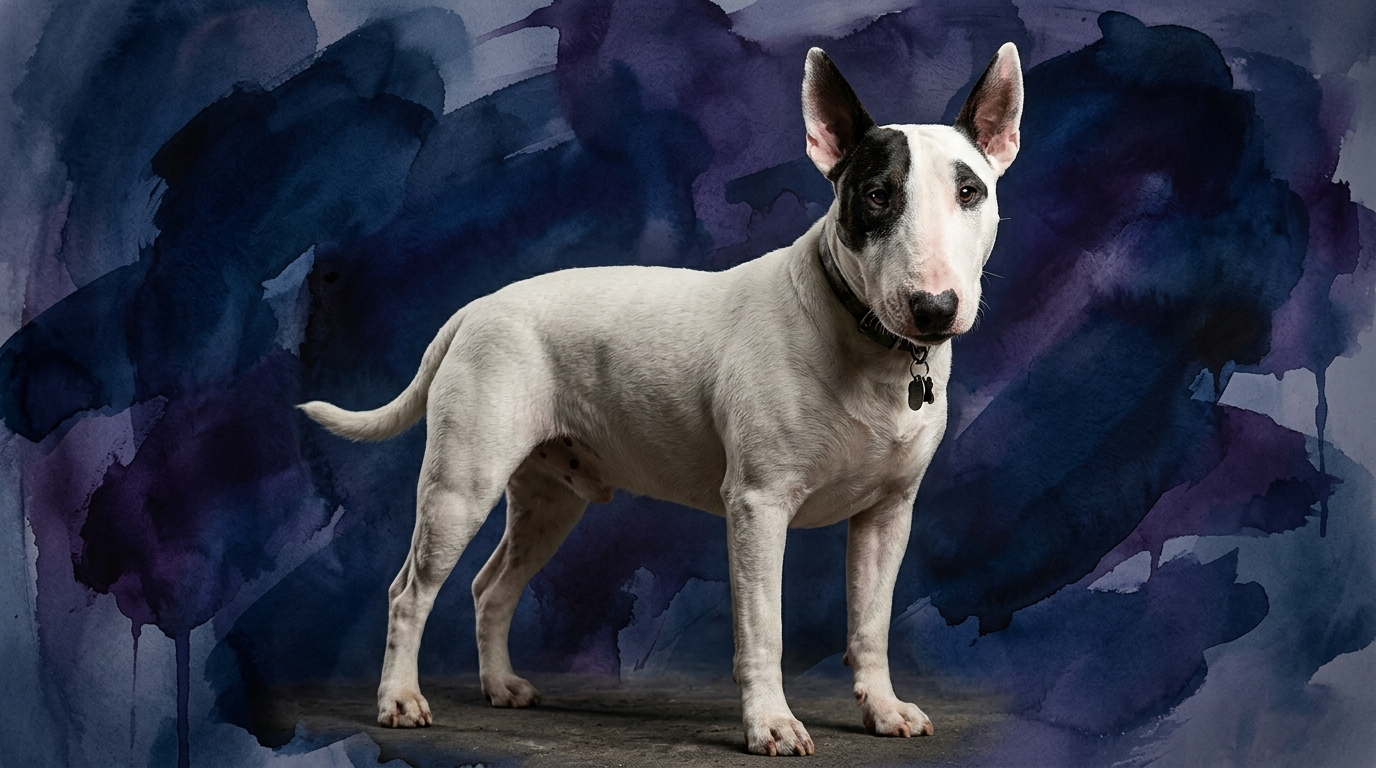
The Cosmic Pet Pet IQ Lab assigns both the Bull Terrier (Coren rank #66) and the Basset Hound (Coren rank #71) a consistent score of 3 out of 5 across all five cognitive dimensions: Problem Solving, Training Speed, Social Intelligence, Instinctive Drive, and Memory. While these identical scores might suggest similar cognitive functioning, a closer examination reveals distinct expressions of these abilities, deeply rooted in their breed histories and physical attributes. For the Bull Terrier, a 3/5 in Problem Solving often manifests as a determined persistence in physical puzzles or tasks that require direct manipulation, though they might not quickly generalize solutions to novel situations. Their 3/5 Training Speed indicates they learn new commands with consistent effort and positive reinforcement, requiring clear direction rather than rapid intuition. Socially, their 3/5 suggests they are attuned to family dynamics and human interaction, forming strong bonds and interpreting familiar social cues reliably. Their Instinctive Drive, also 3/5, reflects a moderate terrier tenacity, including a robust play drive and an inclination towards digging or chasing, but typically manageable. Finally, their 3/5 Memory means they retain learned behaviors and experiences adequately, benefiting from regular practice to keep commands sharp.
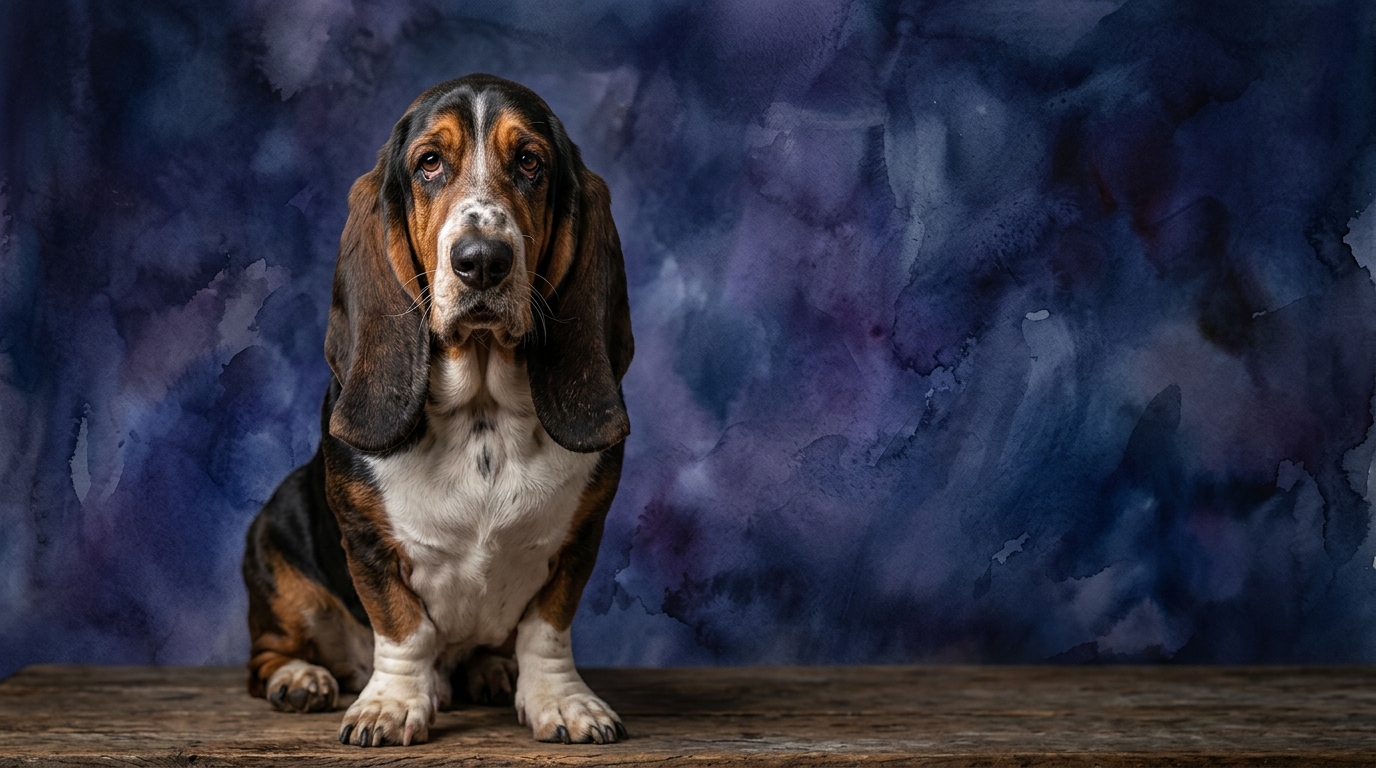
In contrast, the Basset Hound's 3/5 profile is colored by their primary function as a scent hound. Their Problem Solving at 3/5 is acutely focused on navigating complex olfactory environments, expertly deciphering scent trails and often finding ingenious, albeit slow, ways to reach a scent source. Their 3/5 Training Speed is less about an inability to learn and more about their profound distractibility when a compelling scent is present; they are capable of acquiring commands but require immense patience, high-value rewards, and a training environment free from olfactory lures. Socially, their 3/5 indicates they are generally amiable and capable of understanding human cues, though their independent nature and focus on their nose can make them appear less directly engaged in social interactions than some breeds. The Basset Hound’s Instinctive Drive, at 3/5, is almost entirely dedicated to scent work, a powerful, innate urge to follow a trail that can override all other considerations. Their 3/5 Memory is particularly strong for scent-related information and routines, but recalling commands might be less consistent if their olfactory senses are highly engaged.
Where the Bull Terrier Holds a Cognitive Edge
Despite their shared overall scores, the Bull Terrier’s cognitive strengths often lie in areas requiring direct, focused engagement with their human companions and their immediate physical environment. Their Problem Solving, while rated 3/5, tends to be more directly applicable to tasks that don't involve overwhelming sensory distractions like scent. They might excel at figuring out how to manipulate a puzzle toy or navigating a familiar obstacle course with determination. Their social intelligence, also 3/5, often translates into a more direct and expressive form of interaction; they are typically more overtly participatory in family activities and can be quicker to respond to verbal cues or body language when their attention is secured. The Bull Terrier’s tenacious spirit means they might persist longer on a task that requires physical effort or mental grit, less swayed by external, non-human stimuli compared to a scent hound.
Where the Basset Hound's Mind Shines Brightest
The Basset Hound, conversely, possesses a unique cognitive brilliance rooted in their extraordinary olfactory capabilities. Their Problem Solving, while also 3/5, is fundamentally different, allowing them to excel in tasks that demand nuanced interpretation of scent data. They are masters of tracking, capable of following incredibly faint and old trails, a feat that requires immense cognitive processing to filter, identify, and follow specific odors through complex environments. This specialized form of intelligence means they can "solve" the problem of finding a hidden object or person purely by scent, a skill that most breeds, including the Bull Terrier, simply cannot replicate at the same level. Their memory, a 3/5 score, is particularly impressive when it comes to recalling scent patterns and mapping out familiar territories based on smell, demonstrating a deeply ingrained, instinctual form of cognitive mapping that prioritizes their nose above all else.
Training Dynamics: Bull Terrier vs. Basset Hound
When it comes to training, both breeds present distinct challenges despite their identical 3/5 Training Speed ratings. The Bull Terrier, while capable of learning, can exhibit a stubborn streak and a robust, sometimes boisterous, personality that requires a consistent, firm, yet positive approach. They respond well to engaging, varied training sessions that prevent boredom and channel their energy productively. Their moderate attention span means trainers need to keep sessions concise and rewarding. Real behavioral differences include their tendency to lean into playfulness or test boundaries, requiring an owner who can establish clear expectations and maintain leadership. For the Basset Hound, the 3/5 Training Speed is heavily influenced by their powerful olfactory drive. They are perfectly capable of understanding commands, but their focus can be irrevocably drawn away by an interesting scent, rendering them seemingly deaf to instruction. This isn't a lack of intelligence, but rather a prioritization of their innate hound instincts. Training a Basset Hound demands exceptional patience, high-value motivators, and a deep understanding of their breed-specific motivations, often requiring training in environments where scent distractions are minimized. Their behavioral differences include 'selective hearing' when on a trail and a generally more independent nature, making consistent recall a significant challenge without extensive, dedicated training.
Lifestyle Compatibility: Active vs. Relaxed Owners
Matching a dog's cognitive and physical needs with an owner's lifestyle is paramount for a harmonious relationship. The Bull Terrier, with its sturdy build and moderate energy levels, is an ideal companion for active owners who enjoy regular outdoor adventures and engaging play. Their 3/5 instinctive drive and social intelligence mean they thrive on being an integral part of family activities, requiring consistent physical exercise and mental stimulation to prevent boredom and potential destructive behaviors. They enjoy structured walks, interactive games, and opportunities to expend their energy in a positive manner. Conversely, the Basset Hound, while needing daily walks to satisfy their profound scenting instincts, is generally better suited for more relaxed owners. Their 3/5 instinctive drive means they need opportunities to explore with their nose, but their overall physical energy demands are lower than many breeds. They are content to lounge and enjoy a slower pace of life, provided they receive their essential 'sniff walks.' Their independent nature, stemming from their hound heritage, means they don't constantly demand intense human interaction, making them a good fit for those who appreciate a more self-sufficient canine companion.
The Verdict
Choose a Bull Terrier if you seek an engaged, tenacious companion for an active lifestyle, willing to invest in consistent, positive training that channels their robust energy and direct social nature.
Opt for a Basset Hound if you appreciate a charming, independent companion with an unparalleled scenting ability, and are prepared for patient, scent-aware training to accommodate their powerful natural drives.
🧠 Find Your Pet's IQ Score
Our Pet IQ Lab assessment covers 25+ tests across 5 cognitive dimensions — personalized to your breed.
Take the Full IQ Test →Frequently Asked Questions
Are Bull Terriers difficult to train due to stubbornness?
Bull Terriers can exhibit a degree of stubbornness and spirited independence, requiring consistent, firm, and positive reinforcement training. Their 3/5 training speed means they are capable learners, but thrive with clear boundaries and engaging methods to maintain focus and channel their energy productively.
Do Basset Hounds require a lot of exercise?
Basset Hounds do not require intense, high-impact exercise, but they absolutely need daily, moderate walks to satisfy their strong instinctive drive for scent exploration. These 'sniff walks' are crucial for their mental well-being, allowing them to engage their powerful nose and fulfill their natural hound instincts.
Which breed is generally better with children?
Both breeds, with proper socialization and training, can be wonderful family pets. Bull Terriers can be very playful and protective, while Basset Hounds are typically gentle and tolerant. Supervision is always essential with children and any dog, ensuring interactions are respectful and safe for both.