Side-by-Side IQ Profile
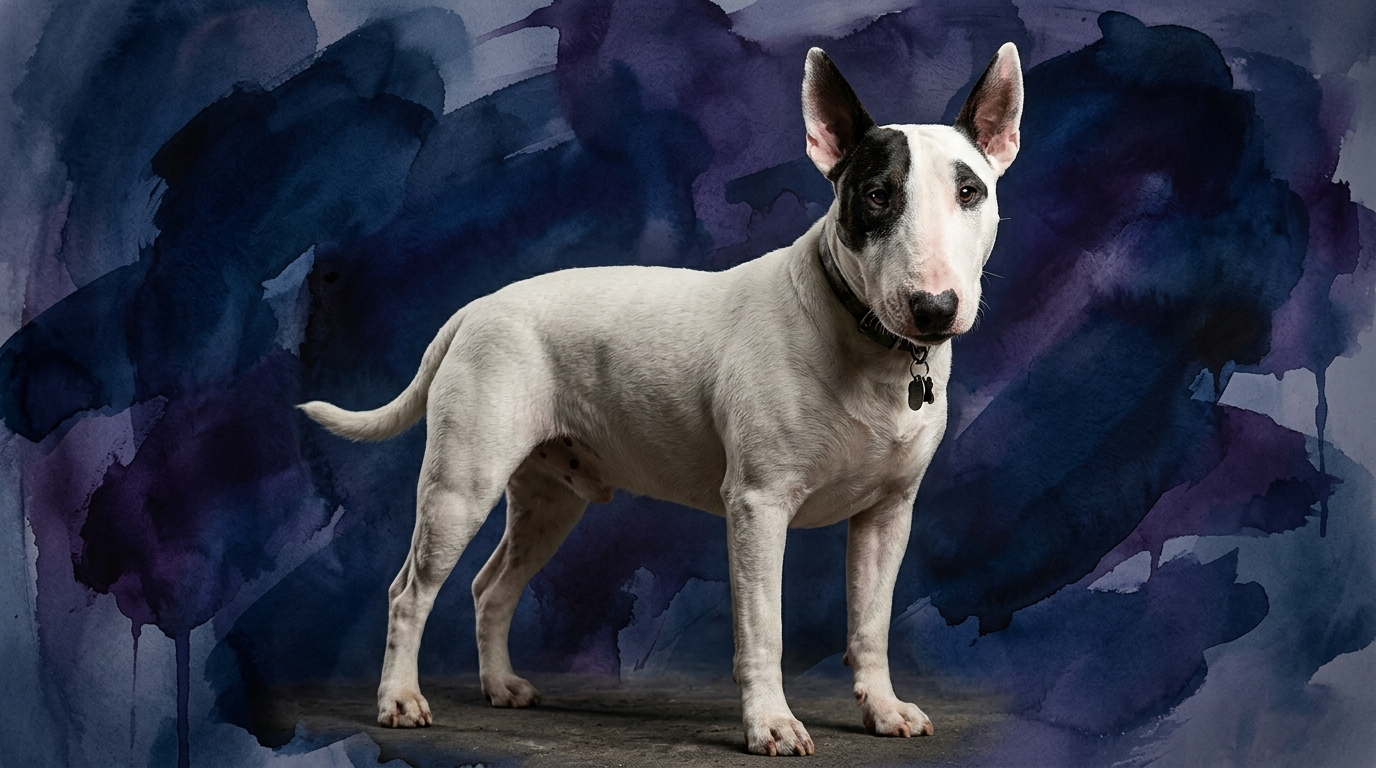
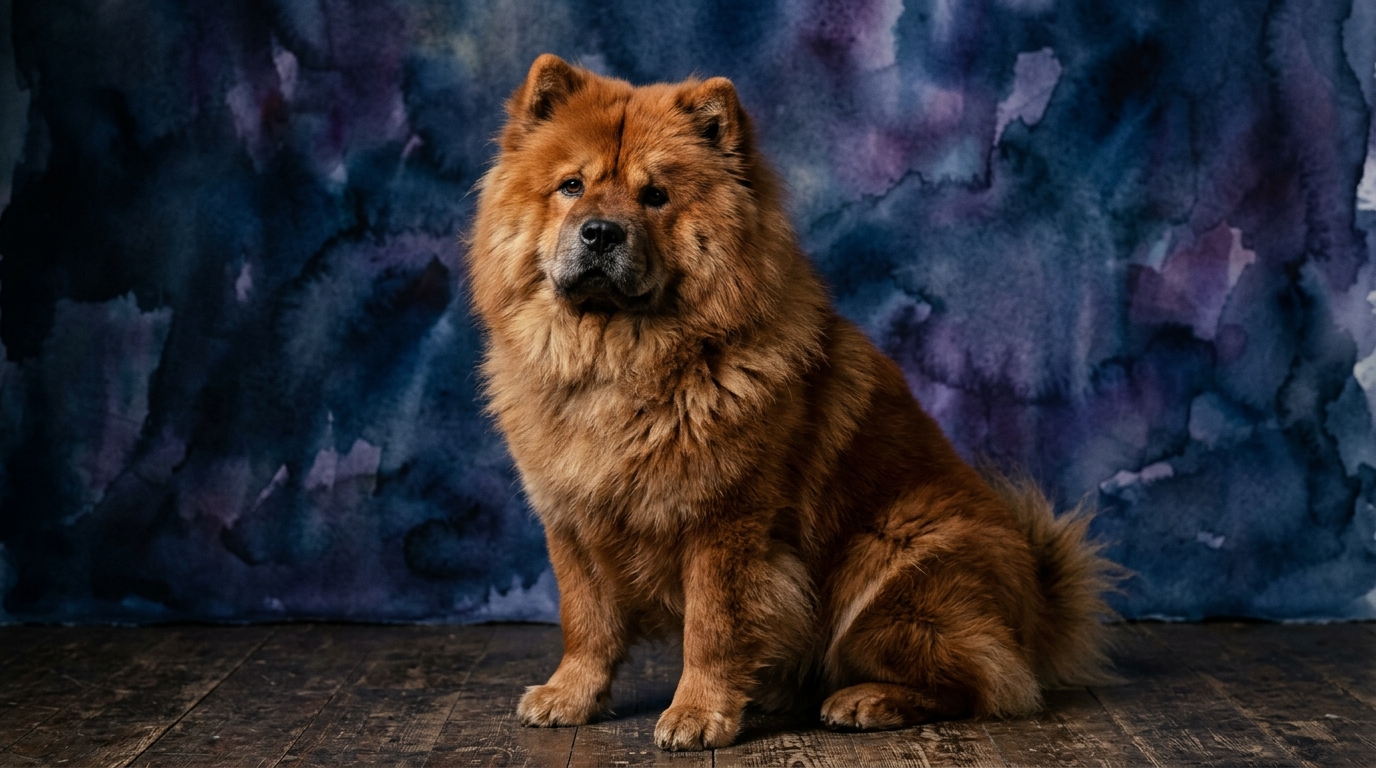
At The Cosmic Pet's IQ Lab, both the Bull Terrier and Chow Chow register a 3/5 across five critical cognitive dimensions. However, these identical scores manifest uniquely in each breed, influenced by their distinct histories and temperaments.
For the Bull Terrier (Coren rank #66):
Problem Solving (3/5): Bull Terriers exhibit a moderate capacity for independent thought, often tackling challenges with playful tenacity and a trial-and-error approach. Their solutions frequently involve persistent physical effort or clever manipulation, especially when motivated by a desired toy or human interaction, learning effectively from direct experience.
Training Speed (3/5): New commands are typically grasped at a moderate pace by Bull Terriers, driven by their desire for engagement and praise. Their training requires consistent, positive reinforcement due to an independent streak, but they are capable of steadily building a broad repertoire of learned behaviors.
Social Intelligence (3/5): Bull Terriers show moderate understanding of social cues, particularly attuned to their family's moods and intentions, often communicating expressively. While receptive to human interaction, their social interactions with unfamiliar dogs or people necessitate careful socialization to ensure appropriate, rather than instinctively nuanced, responses.
Instinctive Drive (3/5): Reflecting their heritage, Bull Terriers possess a moderate but strong prey drive and a tenacious grip instinct. This manifests as enthusiastic chasing, tugging, and vigorous play, requiring constructive outlets to channel these natural impulses safely and effectively.
Memory (3/5): Bull Terriers demonstrate a moderate ability to retain learned behaviors, daily routines, and associations with people and places. Their memory is reliable enough to support consistent training and predictable structures, enabling them to build upon past experiences.
For the Chow Chow (Coren rank #76):
Problem Solving (3/5): Chow Chows also exhibit a moderate capacity for problem-solving, often approaching tasks with self-reliance and pragmatic efficiency. Their solutions tend to be direct and calculated, driven by their independent nature and preference for comfort rather than playful experimentation.
Training Speed (3/5): Chow Chows learn commands at a moderate pace, yet their inherent independence and less pronounced desire to please can make their training appear slower. They thrive on clear, consistent instruction, needing to perceive a logical benefit or personal utility in performing a command.
Social Intelligence (3/5): While rated 3/5, Chow Chows' social intelligence is filtered through their reserved and aloof temperament. They are observant of their environment and family dynamics, understanding cues without necessarily engaging overtly, often setting clear boundaries with strangers and preferring to observe from a distance.
Instinctive Drive (3/5): Rooted in their guarding lineage, Chow Chows possess a moderate but strong instinctive drive for territorial protection and self-preservation. This manifests as a vigilant demeanor, a strong sense of personal space, and a readiness to defend their perceived domain or family.
Memory (3/5): Chow Chows possess a moderate memory for routines, learned behaviors, and significant social interactions, especially those affecting their comfort or security. They recall consistent expectations, though their independent streak might lead to selective obedience if not adequately motivated.
Where Bull Terrier Wins Cognitively
Despite identical 3/5 scores, the Bull Terrier's cognitive strengths often shine through their engaging nature and adaptability. Their problem-solving, though moderate, is frequently paired with higher enthusiasm and a willingness to try varied approaches, especially when an owner is involved, making them appear more "game" for mental tasks. Their social intelligence, while rated 3/5, translates into a more overt receptiveness to human interaction and a desire for shared activity, allowing them to more readily pick up cues related to play or cooperative ventures. This interactive quality makes them flexible in adapting to novel situations or learning new tricks involving partnership.
Where Chow Chow Wins Cognitively
Conversely, the Chow Chow’s cognitive advantages stem from their independent discernment and pragmatic efficiency. Their 3/5 problem-solving often manifests as a self-directed approach, where they might quietly observe and then execute a solution that minimizes effort or disturbance. Their reserved social intelligence allows them to excel at subtle observation and boundary setting, adeptly understanding social hierarchies and maintaining personal space. This enables them to navigate complex social environments by choosing when and how to engage, demonstrating a refined sense of self-preservation and situational awareness.
Which is Easier to Train and Why
The Coren ranks (Bull Terrier #66, Chow Chow #76) highlight a key difference in trainability. While both breeds share a 3/5 training speed, the Bull Terrier generally proves easier to train due to its higher biddability and stronger desire to engage with its owner. Their tenacity, when properly channeled, makes them persistent learners, and their social intelligence often translates into greater responsiveness to human direction and positive reinforcement, motivated by praise, play, and treats. The Chow Chow, however, approaches training with independence. Their 3/5 training speed is often tempered by a "what's in it for me?" attitude, making them capable learners but less eager to perform purely for human approval. Training requires immense patience, consistency, and a deep understanding of their self-reliant nature, making them more challenging for novice owners.
Which Suits Active Owners vs Relaxed Owners
The Bull Terrier, with its energetic demeanor and inherent desire for engagement, is better suited for active owners. Their moderate instinctive drive and problem-solving skills thrive when channeled into structured activities like agility or interactive walks. They enjoy being part of family adventures and require consistent mental and physical stimulation to prevent boredom. Owners who enjoy daily play sessions and exploring new environments will find a Bull Terrier a rewarding companion. The Chow Chow aligns well with more relaxed owners who appreciate a dignified, independent companion. While requiring moderate exercise, their energy levels are generally lower, and their preference for quiet observation over constant activity suits a calmer household. Their moderate guarding drive means they are content with a secure home and predictable routines, making them excellent companions for those who prefer a serene presence.
The Verdict
Opt for a Bull Terrier if you seek an engaging, tenacious, and playful companion who thrives on active participation and consistent, positive interaction in daily life.
Select a Chow Chow if you value a dignified, independent, and observant presence, preferring a companion who offers subtle loyalty and requires a calm, consistent environment.
🧠 Find Your Pet's IQ Score
Our Pet IQ Lab assessment covers 25+ tests across 5 cognitive dimensions — personalized to your breed.
Take the Full IQ Test →Frequently Asked Questions
Do Bull Terriers and Chow Chows have similar memory capabilities?
Both breeds are rated 3/5 for memory, indicating a moderate ability to recall routines, training, and experiences. A Bull Terrier's memory might be more apparent through their eagerness to repeat positive interactions, while a Chow Chow's recall can be more selective, remembering what directly impacts their comfort or security.
How do their problem-solving skills differ despite identical 3/5 scores?
While both solve problems moderately well, a Bull Terrier often approaches challenges with playful persistence and a desire for interaction, using trial-and-error. A Chow Chow, conversely, tends to be more self-reliant and pragmatic, seeking efficient solutions that maintain their comfort or independence, often with less overt enthusiasm.
Does a higher Coren rank imply "smarter" than a lower rank, even with similar IQ scores?
The Coren rank primarily reflects "working and obedience intelligence," indicating a breed's biddability and ease of training for human commands. While core cognitive capacities might be similar, a higher Coren rank often signifies a greater willingness to comply and learn quickly in a structured training environment, rather than a superior general intellect.