Side-by-Side IQ Profile: Unpacking the 3/5 Score
At first glance, both the Bull Terrier and the Dandie Dinmont Terrier share identical scores across our five cognitive dimensions: Problem Solving (3/5), Training Speed (3/5), Social Intelligence (3/5), Instinctive Drive (3/5), and Memory (3/5). However, these numerical equivalences belie significant differences in how these breeds express their cognitive abilities, influenced by their distinct histories and temperaments.
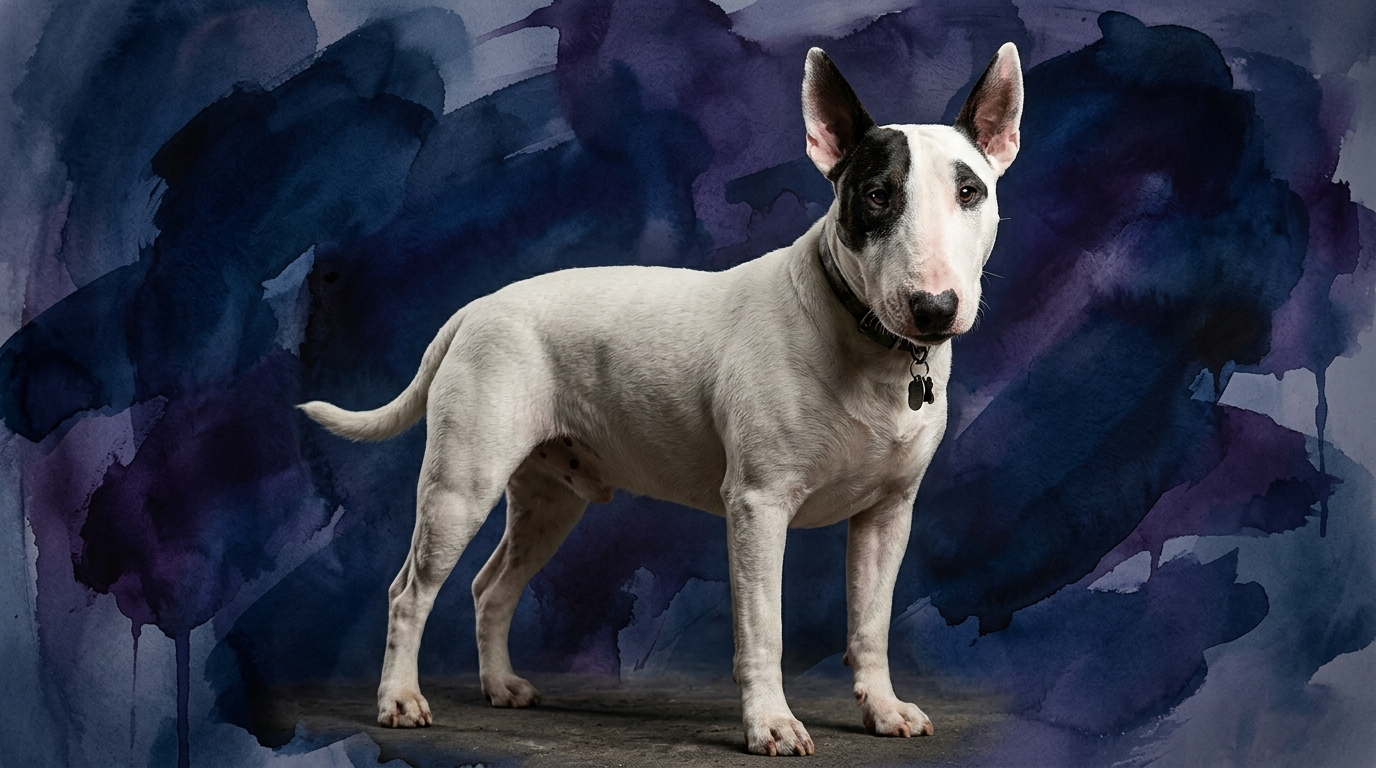
For the Bull Terrier, a score of 3/5 in Problem Solving reflects an independent thinker who often tackles challenges with determination and a sometimes-mischievous creativity. Their solutions might be robust and direct, sometimes requiring physical effort to overcome an obstacle or achieve a desired outcome. Training Speed at 3/5 indicates they are capable learners but often require consistent, engaging methods, as their independence can make them selective listeners. Their Social Intelligence at 3/5 often translates to deep devotion to their immediate family, sometimes expressed with a playful, boisterous affection, though they may be more reserved or assertive with strangers or unfamiliar dogs. The 3/5 for Instinctive Drive manifests as a strong prey drive often channeled into vigorous play, chasing, or exploring, alongside a general zest for life. Memory at 3/5 means they reliably retain commands and routines, particularly when associated with positive experiences and clear consequences.
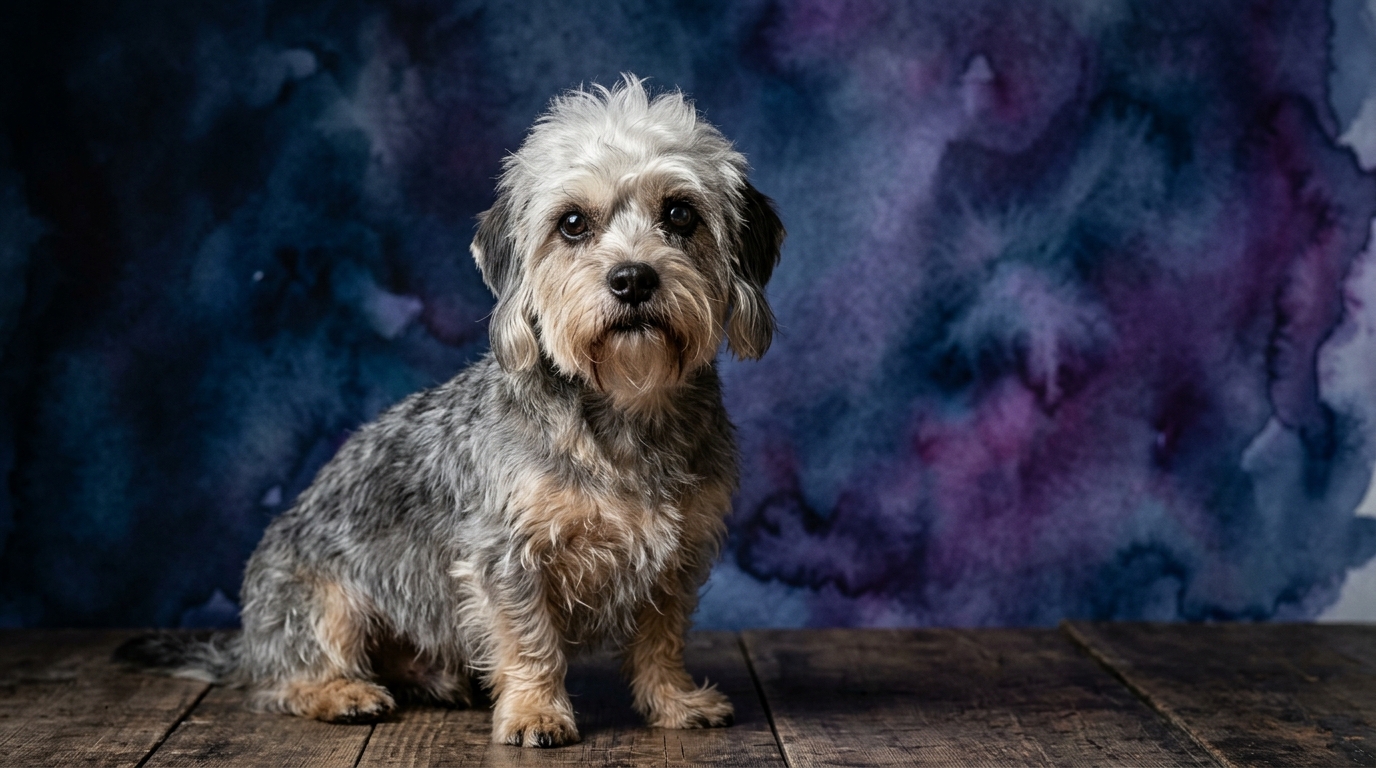
The Dandie Dinmont Terrier, while sharing the same numerical scores, approaches cognition from a slightly different angle. Their 3/5 in Problem Solving often involves a more strategic, perhaps even dignified, persistence; they might observe a situation carefully before attempting a solution, especially if it involves comfort or accessing a preferred spot. Training Speed at 3/5 means they learn at a moderate pace, but their inherent terrier independence requires patient, positive reinforcement to keep them engaged, as they can be quite opinionated. Social Intelligence at 3/5 typically means they form strong bonds with their family, displaying affection and loyalty, but are characteristically more reserved and discerning with strangers, taking time to assess new individuals. Their Instinctive Drive at 3/5 is deeply rooted in their history as a working terrier, showing a keen interest in scent and potential vermin, often expressed through digging or a focused curiosity during walks. Memory at 3/5 ensures they remember their routines, favorite people, and past lessons, contributing to their generally consistent demeanor.
Where the Bull Terrier Wins Cognitively
The Bull Terrier’s cognitive strengths often lie in their bold application of intellect and their physical prowess in problem-solving. While both breeds score 3/5, a Bull Terrier's 3/5 Problem Solving can manifest as a more direct, physical approach to overcoming obstacles, whether it's figuring out how to open a cupboard or creatively navigating a fence. Their determination, combined with their sturdy build, allows them to 'muscle through' challenges where a Dandie might seek a more subtle path. This determination also fuels their 3/5 Instinctive Drive, which, while not always focused on traditional prey, translates into a robust enthusiasm for play and exploration, pushing boundaries and testing limits in a way that demands more vigorous mental engagement.
Furthermore, their 3/5 Social Intelligence often includes a more overt and demonstrative affection within their family unit. They tend to be 'all in' with their people, often displaying a boisterous charm and a desire to be the center of attention. This can make them particularly adept at engaging with children or participating in family activities that require a more robust, interactive social presence. Their memory, also 3/5, is often excellent for remembering people and places associated with high-energy, positive interactions, reinforcing their zest for life.
Where the Dandie Dinmont Terrier Wins Cognitively
The Dandie Dinmont Terrier, despite matching scores, often excels in cognitive areas requiring a more refined observation and nuanced application of their instincts. Their 3/5 Problem Solving might be expressed through a more thoughtful, persistent approach, such as carefully figuring out how to retrieve a toy from an awkward spot without brute force, or strategically finding the most comfortable sunbeam. This mental patience is a subtle but powerful cognitive advantage.
Their 3/5 Instinctive Drive is particularly strong in its original purpose: hunting small vermin. This translates to a focused, keen scenting ability and an intense curiosity during walks, where their cognitive processing is highly engaged in interpreting their environment through smell. This precise application of instinct can make them excellent at scent work or engaging in activities that tap into their natural 'hunter's' intellect. Their 3/5 Social Intelligence, while reserved with strangers, means they develop incredibly deep, loyal bonds with their families, often reading their owners' moods with a quiet empathy and offering comfort without overwhelming exuberance. Their memory (3/5) is excellent for routines and the subtle cues of their beloved family members, allowing for a harmonious coexistence built on mutual understanding and quiet devotion.
Which Is Easier to Train and Why
Given that both breeds score 3/5 in Training Speed, neither is inherently 'easy' in the way some highly biddable breeds are, but their behavioral differences dictate distinct training approaches. The Bull Terrier, with its powerful will and independent nature, can be more challenging due to its tendency to be headstrong and its need for early, consistent socialization to channel its assertive tendencies. Training a Bull Terrier requires immense patience, firm yet positive leadership, and creative engagement to prevent boredom and harness their energetic spirit. They can be prone to selective hearing if the training isn't stimulating or if they perceive a lack of clear boundaries.
The Dandie Dinmont Terrier, while also possessing a strong independent streak typical of terriers, might be perceived as slightly easier to train for owners who appreciate a more gentle, persuasive approach. Their dignified nature and desire for comfort can make them more responsive to positive reinforcement, especially when treats or praise are involved. However, their inherent stubbornness means they will not be rushed and require consistent, calm methods. They are less likely to overtly challenge an owner than a Bull Terrier but might simply choose to ignore commands if they don't see the benefit or if the request conflicts with their current preferred activity, such as napping in a sunbeam.
Which Suits Active Owners vs Relaxed Owners
The Bull Terrier is undoubtedly a better fit for active owners. Their robust physical and mental energy demands significant daily exercise and stimulating activities to prevent boredom and destructive behaviors. They thrive on vigorous play, long walks, and opportunities for mental challenges like puzzle toys or structured training sessions. Owners who can commit to an hour or more of dedicated physical activity daily, coupled with consistent mental engagement, will find a joyful and devoted companion in a Bull Terrier. Their energetic disposition means they need an owner who is prepared for a dog that wants to be actively involved in life.
The Dandie Dinmont Terrier, while not a couch potato, generally suits owners with a more relaxed lifestyle, provided they still offer moderate daily exercise and mental enrichment. They enjoy brisk walks and opportunities to explore with their noses, but they are often equally content curled up on a sofa after their exercise. They appreciate a comfortable home environment and do not require the same intensity of physical exertion as a Bull Terrier. Owners who enjoy a leisurely pace, appreciate a dog that is affectionate but not constantly demanding attention, and are happy with shorter, regular walks and indoor companionship will find the Dandie Dinmont Terrier a delightful match.
The Verdict: When to Choose Each
The Verdict
Choose the Bull Terrier if you are an active, experienced owner ready for a determined, playful, and robust companion who thrives on consistent training, socialization, and vigorous daily engagement. They are best for those who appreciate a dog with a powerful personality and a direct approach to life.
Opt for the Dandie Dinmont Terrier if you seek a loyal, dignified, and affectionate companion with a quieter presence, content with moderate activity and a comfortable home life. They suit owners who appreciate subtle intelligence, a strong bond, and are patient with an independent spirit.
🧠 Find Your Pet's IQ Score
Our Pet IQ Lab assessment covers 25+ tests across 5 cognitive dimensions — personalized to your breed.
Take the Full IQ Test →Frequently Asked Questions
Do Bull Terriers and Dandie Dinmont Terriers have the same intelligence?
While both breeds score 3/5 across our five cognitive dimensions, their intelligence manifests differently. Bull Terriers show bolder problem-solving and overt social affection, while Dandies display more strategic persistence and reserved loyalty, reflecting their unique breed histories.
Which breed is better for a first-time dog owner?
Neither breed is typically recommended for first-time owners without extensive research and commitment. Both terriers possess independent streaks and require consistent training and socialization, but the Bull Terrier's stronger will and higher energy might present more challenges for a novice.
How do their instinctive drives differ despite the same score?
The 3/5 Instinctive Drive in Bull Terriers often translates to general zest, vigorous play, and exploration. For Dandie Dinmont Terriers, the 3/5 drive is more acutely focused on traditional terrier vermin hunting instincts, manifesting as keen scenting and digging behaviors.