Side-by-Side IQ Profile: Bull Terrier vs German Pinscher
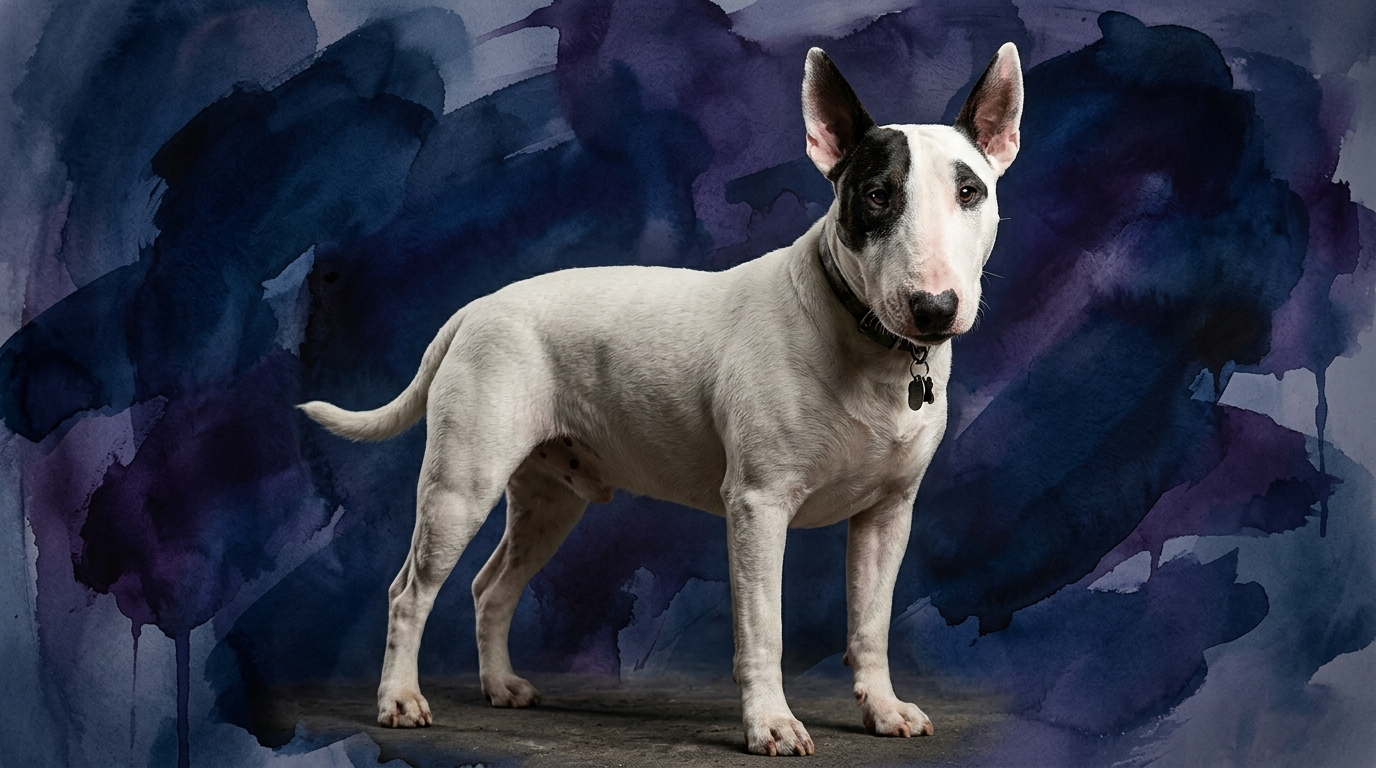
**The Bull Terrier (Terrier Group, Coren Rank #66)** presents a unique cognitive blueprint. In **Problem Solving (3/5)**, they tackle challenges with a tenacious, independent spirit, often devising their own methods to achieve desired outcomes rather than waiting for direction; their solutions can be creative and persistent, driven by strong will. Their **Training Speed (3/5)** requires engaging, positive reinforcement and consistent methods, as they are capable learners but their independent streak means they respond best when training feels like a rewarding game, potentially requiring more repetitions than highly biddable breeds. For **Social Intelligence (3/5)**, they form deep, perceptive bonds with their human family, understanding household dynamics and emotional cues within their trusted circle; outside this, their social interactions can be selective, necessitating early and extensive socialization for appropriate responses.
The Bull Terrier's **Instinctive Drive (3/5)**, inherited from their terrier heritage, endows them with a robust prey drive and a natural inclination towards digging and chasing; this powerful drive directs their focus and energy, requiring appropriate outlets and management. Finally, their **Memory (3/5)** is solid for commands, routines, and past experiences, reinforcing both desired behaviors and any unwanted habits, underscoring the importance of consistent early training.
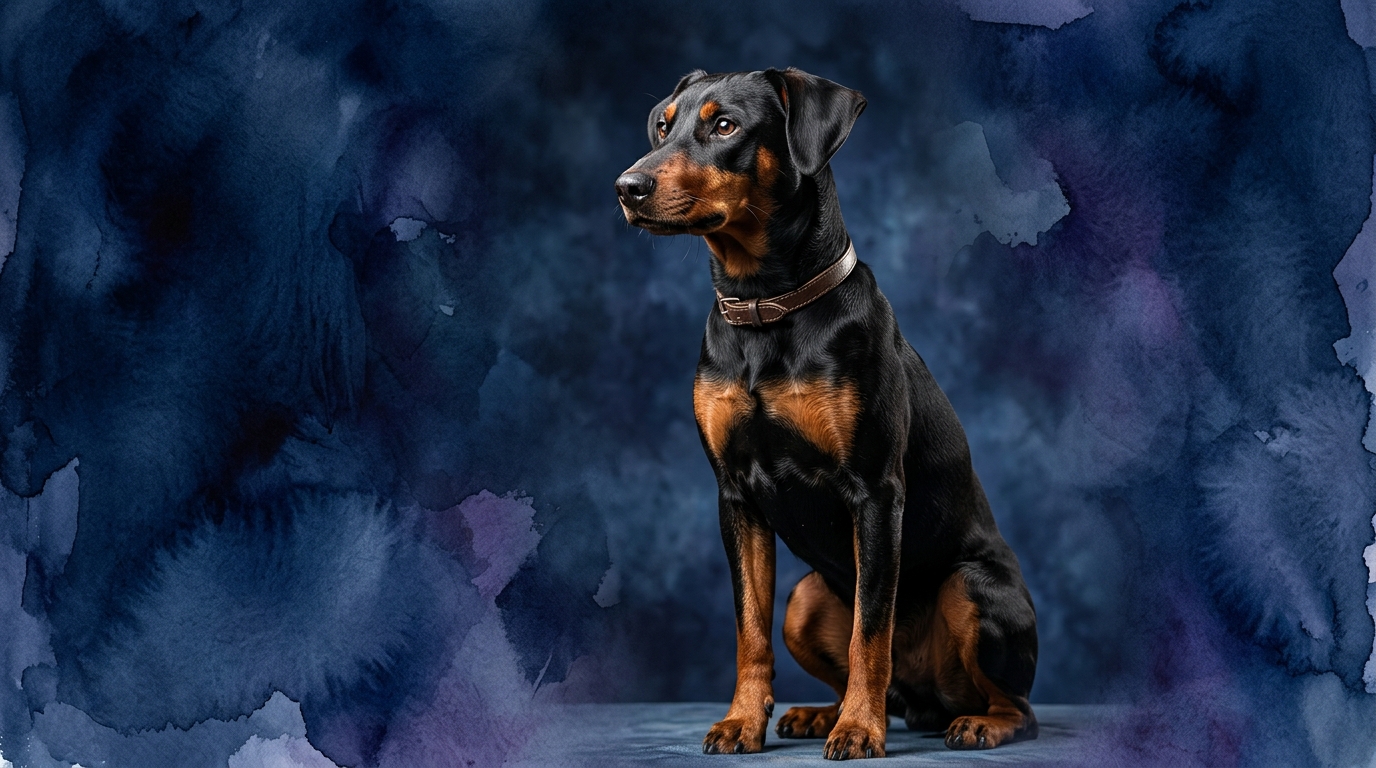
**The German Pinscher (Working Group, Not Coren-Ranked)** offers a contrasting cognitive approach. In **Problem Solving (3/5)**, they approach problems with purpose and efficiency, often seeking the most direct path to accomplish a task set by their owner or to navigate environmental challenges, with their intelligence shining in focused, practical application. Their **Training Speed (3/5)** is generally quick, as German Pinschers are eager to understand and execute commands, thriving on mental engagement; their inherent desire to work and please their handler makes them highly receptive to clear, consistent instruction. Regarding **Social Intelligence (3/5)**, this breed displays a discerning social awareness, forming strong, protective attachments to their family while often maintaining a watchful, reserved demeanor with strangers; they are attuned to their owners' moods, though their protective instincts require careful socialization.
The German Pinscher's **Instinctive Drive (3/5)**, rooted in their working and guarding lineage, manifests as strong vigilance, territoriality, and a keen sense of protection for their family and property; they also retain a significant vermin-hunting drive. Their **Memory (3/5)** is excellent for learned commands, established routines, and social interactions, contributing to their reliability in training and their ability to recall past experiences, influencing their future responses.
Where the Bull Terrier Wins Cognitively
Bull Terriers often demonstrate a superior capacity for **independent decision-making driven by personal motivation**. While this can be perceived as stubbornness, it's a cognitive strength in scenarios requiring self-reliance rather than strict adherence to commands. For instance, a Bull Terrier might excel at figuring out an unconventional way to retrieve a toy stuck under furniture, not because it was told to, but because it *wants* the toy, showcasing a persistent, self-directed problem-solving approach. Their unique blend of tenacity and cleverness allows them to devise creative, sometimes surprising, solutions to obstacles that stand between them and their desires, making them adept at navigating complex personal challenges.
Their **cognitive resilience in the face of perceived failure** is another area where Bull Terriers often shine. They don't easily give up on a task they've set their mind to, even if initial attempts are unsuccessful. This persistence, rooted in their strong-willed nature, allows them to iterate through different approaches to a problem until they find one that works for them, rather than becoming discouraged. This deep-seated determination, while sometimes challenging for owners, is a distinct cognitive advantage in tasks requiring sustained effort and a refusal to be deterred by minor setbacks.
Where the German Pinscher Wins Cognitively
German Pinschers often exhibit a distinct advantage in **task-oriented focus and precision**. Their working heritage has honed a cognitive ability to concentrate intently on a given task, executing commands with a level of accuracy and purpose that is often sought after in performance sports or practical applications. This breed excels at understanding the “why” behind an action and performing it efficiently, making them particularly adept at complex obedience routines, agility courses, or scent work where sustained, accurate attention is paramount. Their mental clarity allows them to process instructions and apply them with remarkable consistency.
Another cognitive strength of the German Pinscher lies in their **proactive vigilance and environmental awareness**. Their historical role as guardians and farm dogs has fostered a keen cognitive ability to constantly monitor their surroundings, quickly assessing potential threats or changes. This isn't just about barking; it involves a sophisticated mental mapping of their territory and an intuitive understanding of what constitutes a deviation from the norm. This heightened sensory processing and rapid threat assessment make them exceptionally perceptive companions, often noticing subtle shifts in their environment long before their human counterparts.
Which is Easier to Train and Why
Despite both breeds scoring 3/5 in Training Speed, the **German Pinscher is generally perceived as easier to train for obedience and structured tasks**. This difference stems from their distinct breed purposes and inherent motivations. German Pinschers, as members of the Working Group, possess a strong desire to cooperate with their handler and a natural inclination towards purpose-driven activities. They are typically eager to please and respond well to clear, consistent commands, viewing training as a collaborative effort. Their vigilance translates into focus, allowing them to absorb and apply instructions efficiently, and they often thrive on the mental stimulation of learning new cues and performing tasks for their owner.
The **Bull Terrier, conversely, presents a greater challenge in traditional obedience training due to its independent and strong-willed Terrier temperament**. While intelligent, their problem-solving often leans towards achieving *their own* objectives rather than strictly following human directives. Training a Bull Terrier requires immense patience, creativity, and a deep understanding of positive reinforcement that makes learning feel like an engaging game. They can quickly become bored with repetitive drills and may test boundaries, requiring an owner who can consistently make training more appealing than their own independent pursuits. Their Coren ranking of #66, indicating “fair working intelligence,” further suggests they generally require more repetitions and may obey on the first command less frequently than breeds bred for cooperation.
Suitability for Active vs. Relaxed Owners
**Both the Bull Terrier and German Pinscher are best suited for active owners**, but the nature of that activity differs. The German Pinscher thrives with owners who can provide structured physical exercise combined with consistent mental engagement. Their energetic nature demands daily vigorous walks, runs, or opportunities for dog sports like agility, flyball, or advanced obedience. They also require puzzle toys and training sessions that challenge their sharp minds, preventing boredom and potential destructive behaviors. Owners who enjoy a routine, goal-oriented approach to their dog's activities will find a German Pinscher a rewarding partner.
The **Bull Terrier also requires significant activity, but perhaps with a more unstructured, playful, and robust approach**. While they benefit from walks and runs, their energy often manifests in bursts of boisterous play and a need for strong, interactive games that engage their tenacious spirit. Owners who enjoy wrestling, tug-of-war, extended fetch sessions, and can channel their dog's powerful physique into appropriate outlets will do well. They need an owner who can be equally as strong-willed and consistent in setting boundaries, but also one who appreciates their clownish antics and playful, sometimes mischievous, approach to life. Neither breed is ideal for a truly relaxed, sedentary owner, as both possess considerable stamina and a need for mental stimulation.
The Verdict
Choose the Bull Terrier if you are an experienced, patient owner who appreciates an independent, tenacious, and playful companion, willing to invest in creative, consistent training to channel their unique cognitive strengths.
Choose the German Pinscher if you seek a vigilant, biddable, and energetic partner for structured activities and training, valuing their keen focus and desire to work alongside their owner.
🧠 Find Your Pet's IQ Score
Our Pet IQ Lab assessment covers 25+ tests across 5 cognitive dimensions — personalized to your breed.
Take the Full IQ Test →Frequently Asked Questions
Do Bull Terriers and German Pinschers learn at the same pace?
While both are rated 3/5 in training speed, their learning styles differ. Bull Terriers can learn quickly but often require more compelling motivation and creative methods due to their independent nature, whereas German Pinschers typically show a more eager and cooperative approach to structured training.
Which breed is better for a first-time dog owner?
Neither breed is typically recommended for first-time dog owners due to their strong personalities and specific training needs. However, if an owner is committed to extensive research and professional guidance, the German Pinscher's greater biddability might present a slightly less challenging experience.
How do their instinctive drives impact their daily life?
The Bull Terrier's instinctive drive manifests as a persistent prey drive and a love for digging, requiring secure fencing and management around small animals. The German Pinscher's drive is geared towards vigilance and protection, meaning they often make excellent watchdogs but need early socialization to manage their wariness of strangers.