Side-by-Side Cognitive Profiles: Decoding the Scores
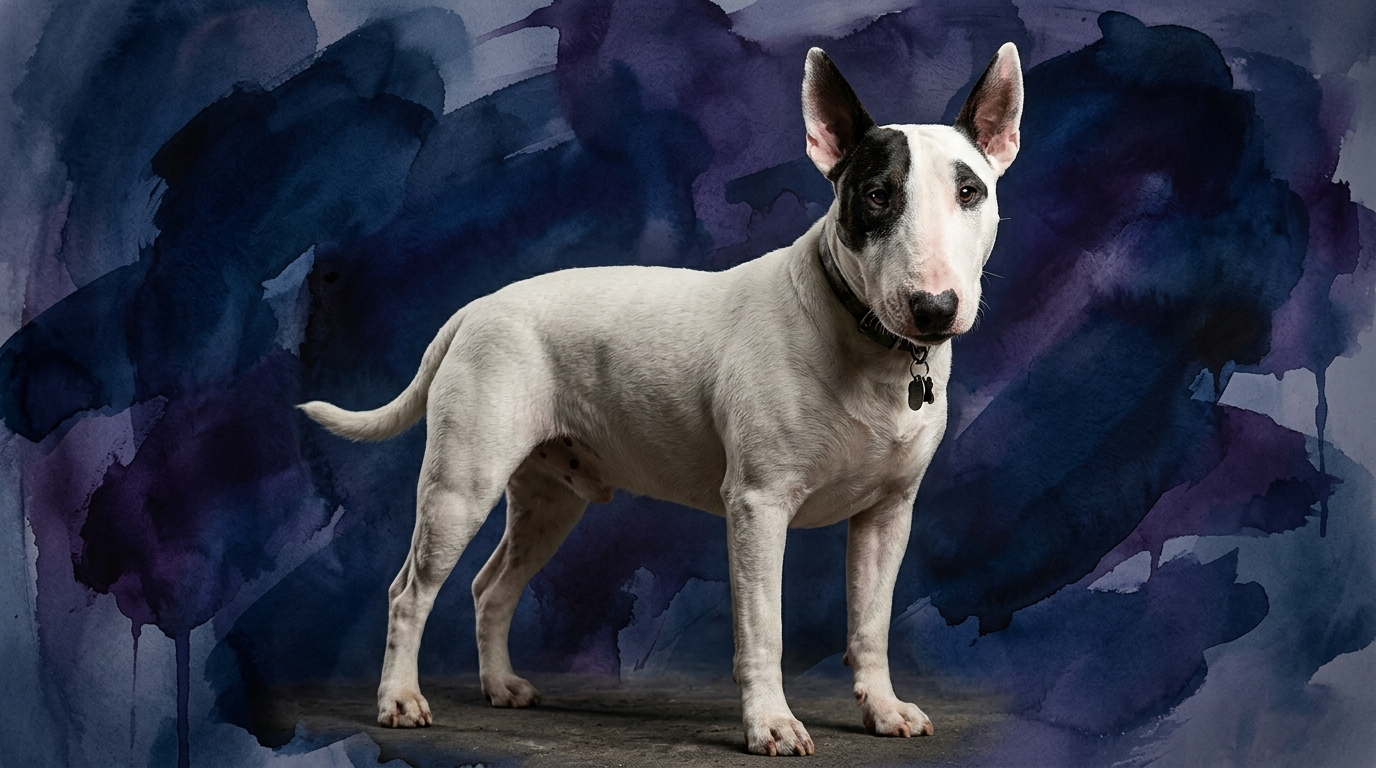
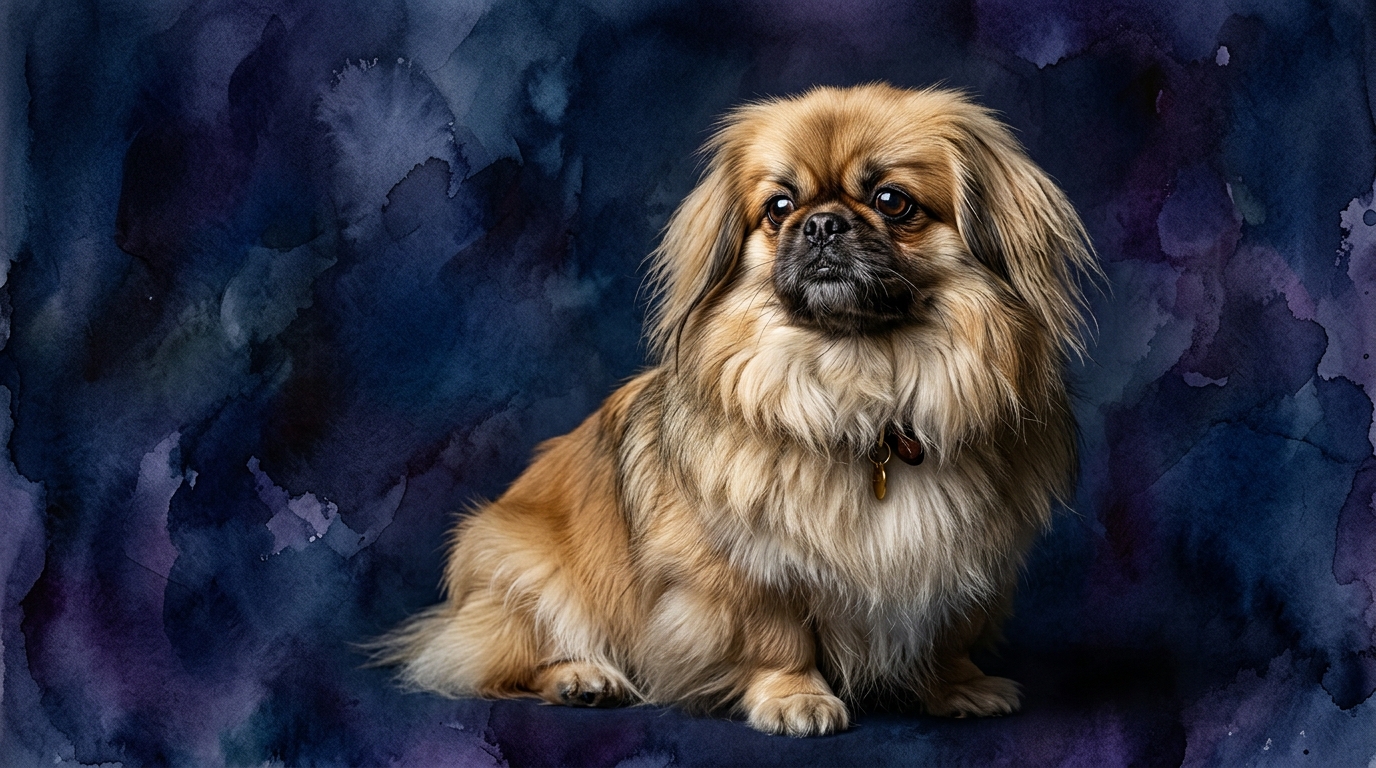
Delving into The Cosmic Pet Pet IQ Lab data for both the Bull Terrier and the Pekingese reveals an intriguing alignment: both breeds register a consistent 3/5 across all five key cognitive dimensions. This means their Problem Solving, Training Speed, Social Intelligence, Instinctive Drive, and Memory are rated as moderately proficient. However, their Coren ranks tell a slightly different story, with the Bull Terrier at #66 and the Pekingese at #77, indicating a minor distinction in their working and obedience intelligence.
For the Bull Terrier, a 3/5 in Problem Solving often translates into a determined approach, using their physical prowess and tenacity to overcome obstacles or figure out how to access a desired item. Their 3/5 Training Speed suggests they grasp new commands steadily, requiring consistent, engaging methods to keep their attention. Social Intelligence at 3/5 means they are generally attuned to their human companions and can navigate social situations, though often with a confident, sometimes assertive, demeanor. An Instinctive Drive of 3/5 points to a moderate but persistent drive for activity, play, and engaging with their environment, typical of their terrier heritage. Finally, their 3/5 Memory ensures they retain learned behaviors and routines effectively.
The Pekingese, also scoring 3/5 across the board, expresses these cognitive traits through a different lens. Their Problem Solving at 3/5 might involve clever strategies to secure a favorite spot on the couch or subtly communicate their desires to an owner. A 3/5 Training Speed indicates they learn at a moderate pace, but often thrive with gentle, positive reinforcement, responding best when they perceive a clear benefit. Social Intelligence at 3/5 means they are perceptive to human emotions and social cues, often forming deep, selective bonds and using their charm to their advantage. Their 3/5 Instinctive Drive manifests more as a desire for comfort, companionship, and guarding their personal space rather than high-energy pursuits. A Memory score of 3/5 ensures they recall preferences, routines, and the people they cherish with notable accuracy.
Where the Bull Terrier Cognitively Excels
Despite identical individual IQ dimension scores, the Bull Terrier's slightly higher Coren rank of #66 points to a greater historical aptitude for understanding and consistently executing commands, a hallmark of their working terrier background. This suggests an edge in structured obedience and tasks where following specific instructions is key. Their 3/5 Problem Solving, combined with their inherent terrier tenacity, allows them to approach challenges with a robust, often physical determination. For instance, a Bull Terrier might meticulously work at dislodging a toy from under furniture, applying persistent effort until successful.
The Bull Terrier's Instinctive Drive, also rated 3/5, often translates into a more focused and physical engagement with their environment. This drive can be channeled effectively into structured activities like agility or earthdog trials, where their natural curiosity and energy are put to use. They display a pronounced zeal for interactive play, using their body and intelligence to engage in games that require sustained attention and physical exertion. Their memory, while rated 3/5, is particularly effective for retaining complex play patterns and multi-step routines, making them capable partners in various dog sports.
Where the Pekingese Cognitively Shines
While the Pekingese holds a Coren rank of #77, their 3/5 Social Intelligence is where they truly shine, often demonstrating a nuanced understanding of human moods and preferences. They are masters of subtle communication, using body language and vocalizations to express their needs and desires, often adapting their behavior to elicit comfort or attention from their owners. This emotional perceptiveness allows them to form incredibly deep and responsive bonds, making them highly attuned companions.
The Pekingese's 3/5 Problem Solving capabilities are frequently directed towards optimizing their personal comfort and social interactions. They might cleverly figure out how to access a sunbeam, locate the softest blanket, or even manipulate their owner with a well-timed gaze to receive a treat. Their Memory (3/5) is particularly strong for recalling favorite people, preferred sleeping spots, and daily routines, which contributes to their sense of security and their ability to navigate their home environment with minimal fuss. This breed's instinctive drive, while not for physical exertion, is powerful in its focus on companionship and guarding their chosen family, demonstrating a keen awareness of their domestic domain.
Training Dynamics: Bull Terrier vs. Pekingese
Both breeds share a 3/5 rating for Training Speed, indicating a moderate learning curve, but their approach to training and the methods that yield the best results differ significantly due to their distinct temperaments and historical roles. The Bull Terrier, with its terrier determination and Coren rank of #66, responds well to consistent, positive reinforcement training that incorporates play and mental challenges. They can be incredibly dedicated learners when motivated, but their independent streak means that sessions need to be engaging and varied to prevent boredom or stubbornness. Their physical strength and robust nature require a trainer who is firm, fair, and patient, guiding their energy into productive channels. They thrive on clear expectations and a sense of purpose in their training.
The Pekingese, with its Coren rank of #77, also learns at a steady pace but often prioritizes comfort and companionship over rigorous instruction. They respond best to gentle, reward-based training that focuses on positive reinforcement and avoids harsh corrections, which can make them withdraw. Their strong social intelligence (3/5) means they are highly sensitive to their owner's tone and demeanor, making a calm and encouraging approach essential. While they may not be as eager for complex obedience routines as a Bull Terrier, they are adept at learning household manners and routines, especially when a treat or a cuddle is involved. Potty training can sometimes be a longer process for Pekingese due to their small size and preference for indoor comfort, requiring extra patience and consistency.
Lifestyle Match: Active Engagement vs. Relaxed Companionship
The Bull Terrier, with its 3/5 Instinctive Drive and energetic terrier heritage, is an ideal companion for active owners who can provide consistent physical and mental engagement. They thrive on structured exercise, such as long walks, vigorous play sessions, and opportunities for mental stimulation like puzzle toys or scent work. Owners who enjoy dog sports like agility or obedience will find a willing and capable partner in a Bull Terrier. Their robust nature and confident personality mean they need an owner who can confidently guide them and integrate them into an active, stimulating lifestyle. Without adequate outlets for their energy and intelligence, Bull Terriers can become bored and potentially develop undesirable behaviors.
In contrast, the Pekingese, while possessing the same 3/5 Instinctive Drive score, directs this energy towards companionship and comfort rather than strenuous activity. They are perfectly suited for more relaxed owners who appreciate a charming, independent companion. While they enjoy short, leisurely walks and gentle play, their physical needs are far less demanding than a Bull Terrier's. Pekingese thrive in a home environment where they can be close to their people, enjoying quiet companionship on the couch or observing the world from a comfortable vantage point. They are excellent lap dogs and prefer a predictable routine, making them a wonderful choice for individuals or families seeking a devoted, low-key canine friend who values comfort and close bonds above all else.
The Verdict
For owners seeking a robust, engaged companion who thrives on structured activity, persistent training, and a confident personality, the Bull Terrier offers a rewarding partnership.
Opt for the Pekingese if you desire a charming, independent companion who excels at quiet companionship, subtle communication, and a more relaxed lifestyle, appreciating comfort and close bonds.
🧠 Find Your Pet's IQ Score
Our Pet IQ Lab assessment covers 25+ tests across 5 cognitive dimensions — personalized to your breed.
Take the Full IQ Test →Frequently Asked Questions
Do Bull Terriers and Pekingese learn at the same pace?
The Pet IQ Lab assigns both breeds a Training Speed of 3/5, suggesting they generally absorb new commands and routines with similar moderate efficiency. However, their motivation and learning styles might differ, with Bull Terriers often driven by activity and Pekingese by comfort and attention.
How does their social intelligence compare?
Both breeds score 3/5 in Social Intelligence, indicating a solid capacity to understand and respond to social cues from humans and other animals. Bull Terriers typically express this through assertive play and loyalty, while Pekingese might show it through nuanced reactions to owner moods and selective affection.
Despite similar IQ scores, why do they feel so different?
While their Pet IQ Lab scores in individual cognitive dimensions are identical, their breed-specific instincts, physical capabilities, and historical roles profoundly shape how these cognitive abilities are expressed. A Bull Terrier's 3/5 problem-solving might involve brute force, while a Pekingese's might involve clever manipulation of their environment or owner.