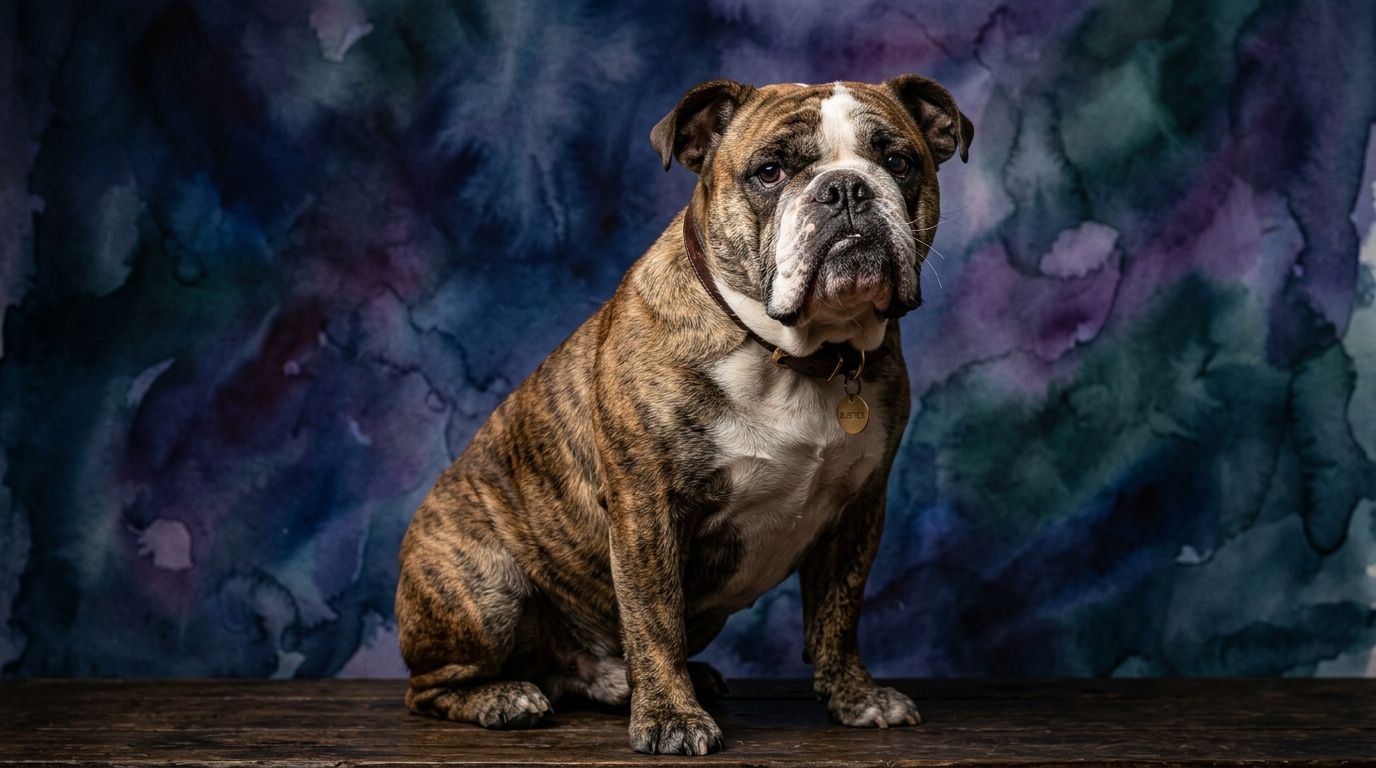
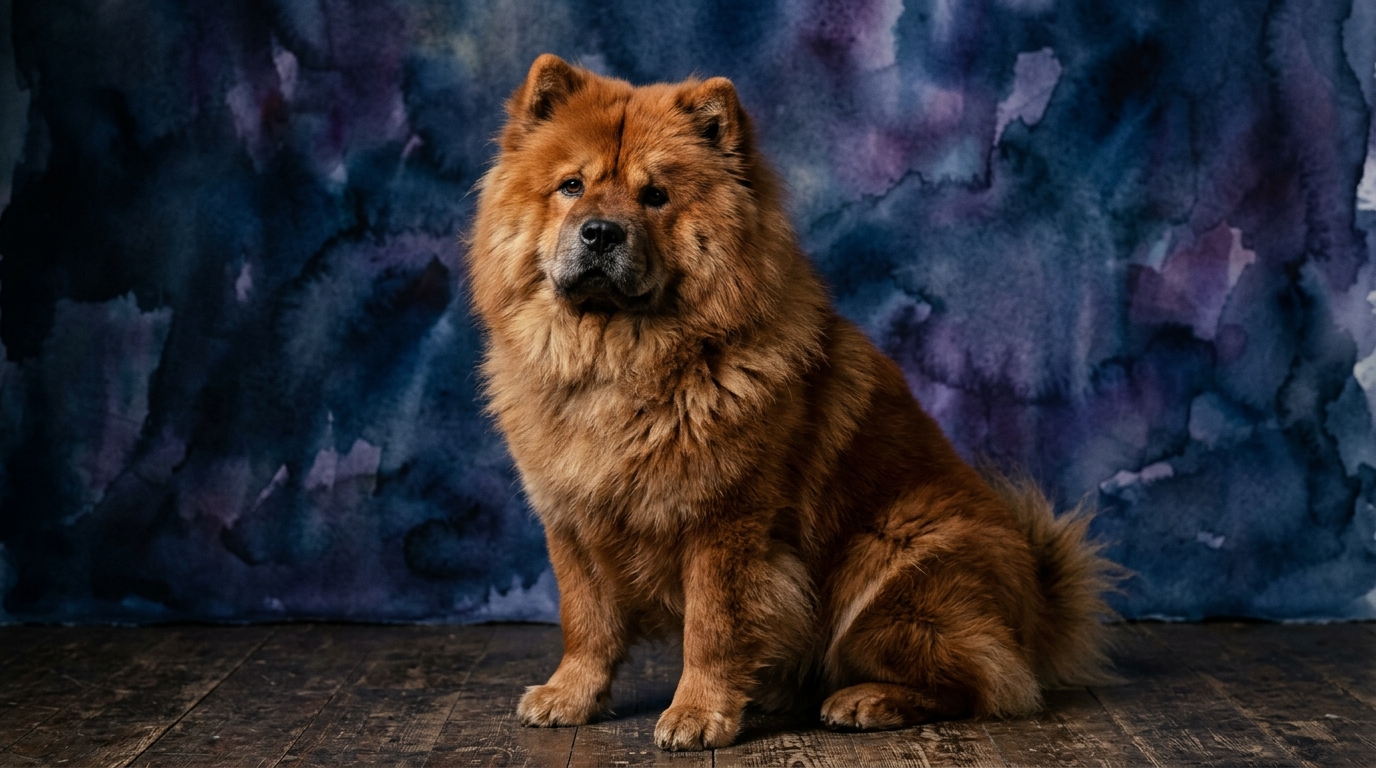
Side-by-Side Cognitive Profile: Bulldog (English) vs. Chow Chow
At The Cosmic Pet Pet IQ Lab, we evaluate canine intelligence across five critical dimensions to provide a comprehensive understanding of each breed’s mental aptitude. For the English Bulldog and Chow Chow, their distinct profiles reveal fascinating contrasts in how they perceive and interact with their environment.
The **English Bulldog**, with a Coren rank of #77, exhibits a cognitive profile leaning heavily on social connection. Their **Problem Solving** is rated 2/5, indicating they typically approach novel situations with less independent strategizing, often relying on established routines or human guidance. **Training Speed** stands at 2/5, meaning learning new commands and behaviors can be a patient endeavor, requiring consistent, positive reinforcement and repetition. Where they truly shine is **Social Intelligence** at 4/5; this breed excels in understanding and responding to human emotions and social cues, forming deep, empathetic bonds. Their **Instinctive Drive** is moderate at 3/5, expressed as a desire for comfort and companionship, alongside a protective instinct. Lastly, their **Memory** is 2/5, suggesting they retain routines and familiar people well, but complex sequences might require ongoing reinforcement.
The **Chow Chow**, closely ranked at #76 by Coren, presents a more independent cognitive makeup. Their **Problem Solving** is rated 3/5, demonstrating a moderate capacity for independent assessment and devising solutions, though these might align more with their own preferences. **Training Speed** is also 3/5, indicating they learn at a steady pace, capable of grasping new commands with consistency, though their willingness to perform is often contingent on their own motivation. Their **Social Intelligence** is 3/5, reflecting a more reserved and selective form of connection; they are loyal to their immediate family but often aloof with strangers. **Instinctive Drive** is moderate at 3/5, often manifesting as strong guarding instincts and a natural desire for independence. Their **Memory** is 3/5, allowing them to retain a good amount of information, including commands and routines, though their application of this memory is influenced by their temperament.
Where the English Bulldog Wins Cognitively
The English Bulldog undeniably shines brightest in the realm of social intelligence, earning a respectable 4 out of 5 in our evaluations. This score indicates a profound capacity to connect with their human companions on an emotional level. Unlike breeds that might excel in complex task learning, Bulldogs demonstrate an almost intuitive understanding of human moods and intentions. They are adept at reading subtle cues from their owners, often responding with comforting presence or playful antics precisely when needed. This strength translates into an unparalleled ability to integrate into family life, offering deep companionship and emotional support. Their cognitive processing is geared towards fostering strong, reciprocal bonds, making them highly attuned to the dynamics within their household. While they may not be the first to solve a complex puzzle independently, their ability to be a steadfast, emotionally resonant companion is a distinct cognitive advantage, creating a bond often described as uniquely empathetic and deeply satisfying for their owners. This social acumen means they naturally seek proximity and interaction, thriving on shared experiences and affection rather than solitary pursuits.
Where the Chow Chow Wins Cognitively
The Chow Chow exhibits a distinct cognitive edge in areas of problem-solving and training speed when compared directly to the English Bulldog, scoring 3 out of 5 in both categories. This suggests a more independent mental approach, where they are more inclined to assess situations and formulate their own solutions rather than waiting for human direction. While their solutions might not always align perfectly with human expectations due to their inherent independence, the capacity for self-directed thought is clearly present. Their moderate training speed means they can absorb new information and commands at a steady pace, indicating a cognitive framework capable of processing and storing new behaviors efficiently. This contrasts with the Bulldog's more deliberate learning style. Furthermore, the Chow Chow's memory, also rated 3 out of 5, robustly supports this independent learning, allowing them to retain learned behaviors and environmental information effectively. This combination of moderate problem-solving ability, efficient training speed, and reliable memory equips the Chow Chow with a resilient, self-reliant cognitive profile, enabling them to navigate their world with a degree of autonomy that is a hallmark of their breed, even if it comes with a strong personal opinion on how things should be done.
Which is Easier to Train and Why: A Behavioral Perspective
Determining which breed is “easier” to train between the English Bulldog and the Chow Chow requires a nuanced consideration beyond just the numerical training speed scores. While the Chow Chow boasts a slightly higher training speed at 3/5 compared to the Bulldog's 2/5, the practical experience of training these breeds often tells a more complex story rooted in their fundamental behavioral differences. The English Bulldog, despite its slower processing speed for new commands, possesses a higher social intelligence (4/5). This means they are often highly motivated by pleasing their human companions and thrive on positive interaction and affection during training. Their perceived “stubbornness” is frequently a reflection of their deliberate learning pace rather than a defiant nature; once a concept clicks, they are generally eager to comply due to their strong desire for connection and the rewarding social feedback they receive.
In contrast, the Chow Chow’s training speed of 3/5 is often offset by their inherently independent and reserved temperament. While they are certainly capable of learning new commands at a respectable pace, their willingness to consistently execute these commands is frequently contingent on their own motivation and whether they perceive the command as worthwhile or beneficial. They are not as driven by the desire to please as the Bulldog, and their social intelligence (3/5) reflects a more selective and less outwardly demonstrative bond. This independence means that training a Chow Chow requires immense patience, consistency, and a deep understanding of their unique motivations. They respond best to fair, firm, and respectful leadership, often viewing training as a collaboration rather than a direct command structure. Therefore, while a Chow Chow might grasp a concept quicker in isolation, a Bulldog's inherent eagerness to comply, driven by their superior social intelligence, can make the overall *process* of achieving reliable obedience feel more rewarding and less of a battle of wills for many owners, provided they have the patience for the Bulldog's learning pace.
Suitability for Active vs. Relaxed Owners
Neither the English Bulldog nor the Chow Chow are breeds typically suited for highly active owners seeking a jogging or extensive hiking companion. Both breeds thrive with moderate exercise, but their energy levels and physical constitutions differ significantly in how they fit into an owner's lifestyle, appealing to distinct types of 'relaxed' individuals.
The **English Bulldog** is an ideal match for truly relaxed owners. Their physical build, characterized by a brachycephalic (short-nosed) structure and stocky frame, means they are not built for strenuous activity. They are prone to overheating and respiratory issues with excessive exertion, making long runs or intense play inappropriate. A relaxed owner who enjoys short, leisurely walks around the block, indoor playtime with toys, and ample cuddle time on the sofa will find the Bulldog to be a perfectly content companion. Their high social intelligence means they genuinely enjoy being near their people, making them excellent companions for those who prefer a more sedentary or home-centric lifestyle. They are happy to be a warm, comforting presence, requiring minimal physical demands but a good deal of affectionate interaction and proximity to their human family.
The **Chow Chow**, while also not a high-energy breed, requires a different kind of engagement that might appeal to a more “structured-relaxed” owner. They enjoy moderate walks and certainly need regular exercise to maintain physical health and mental balance, but their independence and guarding instincts mean that their owner needs to be consistently engaged in their mental well-being and socialization. A Chow Chow owner must be proactive in providing consistent training, socialization, and a clear leadership structure to manage their sometimes aloof or protective nature effectively. This requires a relaxed owner who nonetheless enjoys the mental exercise of consistent training and understands the importance of early and ongoing exposure to various environments and people. They are not necessarily “active” in the physical sense of needing to run for miles, but they demand an owner who is mentally engaged, consistent, and committed to a proactive approach to canine companionship, making them less suitable for owners who prefer a completely hands-off or highly passive pet relationship.
The Verdict
Choose the English Bulldog if you seek a deeply empathetic, emotionally responsive companion who thrives on close family bonds and gentle affection, and you are prepared for a deliberate training pace. They are perfect for relaxed households valuing a steadfast, affectionate presence.
Choose the Chow Chow if you appreciate an independent, dignified companion with a moderate capacity for self-directed learning, and you are committed to consistent, respectful training and early socialization to nurture their unique personality. They suit owners who value loyalty and a more reserved bond.
🧠 Find Your Pet's IQ Score
Our Pet IQ Lab assessment covers 25+ tests across 5 cognitive dimensions — personalized to your breed.
Take the Full IQ Test →Frequently Asked Questions
Are English Bulldogs difficult to train?
English Bulldogs have a training speed rating of 2/5, meaning they learn at a deliberate pace and require significant patience and consistent positive reinforcement. While not 'difficult,' their training requires commitment to repetition and making learning enjoyable for them.
Do Chow Chows get along well with children?
Chow Chows have a social intelligence rating of 3/5 and tend to be more reserved and selective with their affections. They can coexist with older, respectful children, but require early and consistent socialization, and supervision is always recommended due to their independent nature and sometimes aloof demeanor.
Which breed requires more grooming?
The Chow Chow typically requires significantly more grooming than the English Bulldog due to its dense double coat, which needs regular brushing (2-3 times a week) to prevent mats and reduce shedding. English Bulldogs have a short, low-maintenance coat that needs minimal care.