Side-by-Side Cognitive Profiles
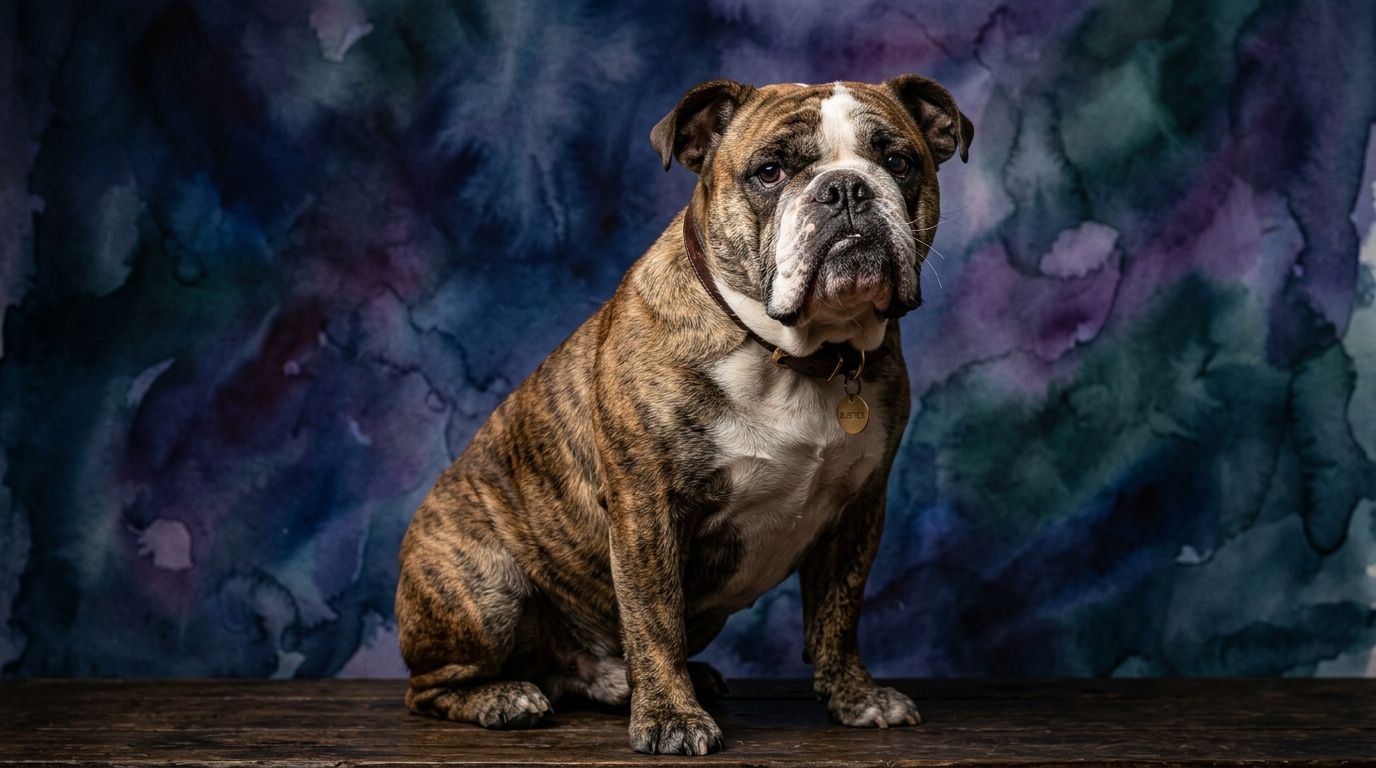
The Cosmic Pet Pet IQ Lab employs five key dimensions to evaluate canine intelligence, offering a nuanced view beyond simple obedience. For the English Bulldog, ranked #77 by Coren and belonging to the Non-Sporting group, its profile reveals a specific set of cognitive strengths and areas where it might process information differently.
**Bulldog (English) IQ Profile:** Its Problem Solving is rated 2/5, indicating a preference for straightforward solutions or relying on human intervention rather than devising complex strategies. Training Speed also sits at 2/5, suggesting they learn at a moderate pace, requiring consistent repetition and patience. Where they truly shine is Social Intelligence, scoring 4/5, demonstrating a deep capacity for understanding human emotions and social cues. Instinctive Drive is a moderate 3/5, reflecting some foundational dog behaviors without intense working drives. Finally, Memory is 2/5, sufficient for daily routines but perhaps less robust for intricate sequences over time.
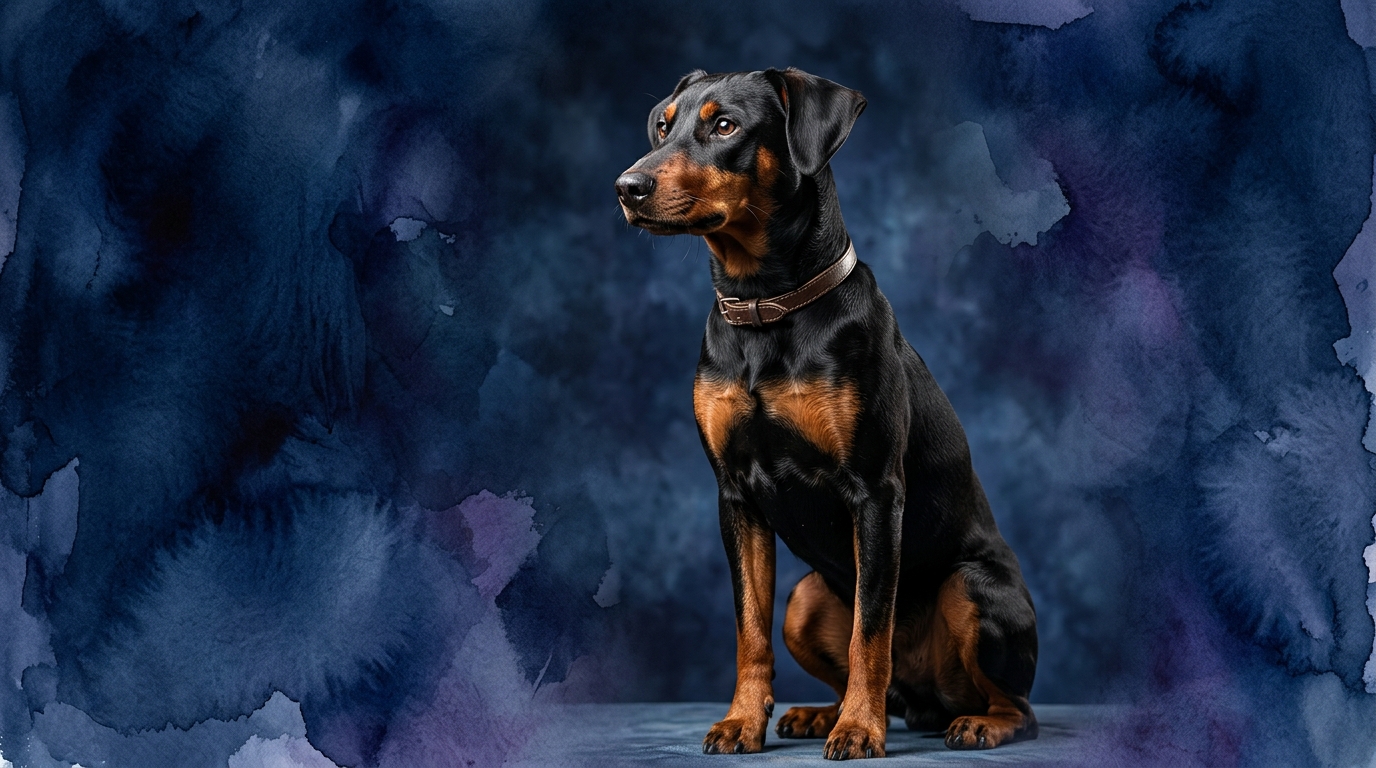
The German Pinscher, a Working group dog not specifically Coren-ranked, presents a different cognitive landscape, reflecting its historical roles and active nature.
**German Pinscher IQ Profile:** This breed scores 3/5 in Problem Solving, showing a more pronounced inclination to figure things out independently and overcome obstacles. Training Speed is also 3/5, indicating a quicker grasp of new commands and a greater eagerness to learn. Social Intelligence is 3/5; while capable of strong bonds, they may be more discerning than the Bulldog in social interactions. Instinctive Drive is 3/5, often manifesting as vigilance and a desire to alert. Memory is a solid 3/5, aiding in retaining learned behaviors and environmental knowledge over extended periods.
Where the English Bulldog Wins Cognitively
The English Bulldog's cognitive strength distinctly lies in its profound social intelligence, scoring a 4 out of 5. This isn't merely about being friendly; it's a deep-seated capacity to attune themselves to the emotional landscape of their human family. They possess an innate ability to read subtle shifts in tone, body language, and routine, often anticipating their owner's needs or moods with remarkable precision. This cognitive talent allows them to integrate seamlessly into a household, acting as comforting, intuitive companions who understand the rhythm of family life without needing explicit instruction. While other breeds might excel at complex tasks, the Bulldog's cognitive triumph is its mastery of relational nuance, making them expert emotional anchors in a busy home. Their relaxed demeanor isn't a lack of processing; rather, it's an efficient processing of social cues that prioritizes harmony and comfort, minimizing unnecessary mental exertion on non-social challenges.
Where the German Pinscher Wins Cognitively
The German Pinscher truly excels in areas that demand active engagement and mental agility, primarily in problem-solving, training speed, and memory, all rated 3 out of 5. Their problem-solving abilities mean they are less likely to wait for a human to solve a puzzle, instead actively investigating and experimenting to achieve their goals, whether it's figuring out how to open a cupboard or navigating a novel environment. This cognitive drive makes them engaged and curious, always seeking to understand their surroundings. Coupled with a quicker training speed, they absorb new commands and tasks with fewer repetitions than the Bulldog, demonstrating a readiness to learn and execute. Their superior memory further reinforces this, allowing them to retain a vast repertoire of learned behaviors and environmental knowledge, which contributes to their adaptability and resourcefulness in varied situations. These combined strengths make the German Pinscher a more self-reliant and mentally active participant in daily life.
Which Is Easier to Train and Why?
Between these two breeds, the German Pinscher is generally easier to train, and this difference stems directly from their distinct cognitive profiles. The German Pinscher's higher training speed (3/5) indicates a quicker grasp of new concepts and a greater receptiveness to instruction, meaning they require fewer repetitions to solidify a command compared to the English Bulldog's 2/5. This is often coupled with a more inherent drive to engage and learn from their handler. Furthermore, the German Pinscher's superior problem-solving (3/5) means they are more inclined to actively work through a training challenge rather than disengage, often figuring out what is expected of them with a thoughtful approach.
In contrast, the English Bulldog's lower training speed and problem-solving scores mean they may find repetitive tasks less stimulating and might choose to conserve energy rather than actively participate, sometimes exhibiting a “selective hearing” when not sufficiently motivated. Their training often requires more patience, consistency, and a strong understanding of their specific motivators, which are typically comfort or food, rather than the intrinsic desire for mental challenge seen in the Pinscher.
Which Suits Active Owners vs. Relaxed Owners?
The cognitive profiles of these breeds clearly delineate which type of owner they would best suit. The English Bulldog, with its exceptional social intelligence (4/5) and lower scores in problem-solving and training speed, is an ideal companion for relaxed owners who prioritize comfort, companionship, and a calm household environment. Their cognitive strengths are geared towards understanding and integrating into a human family's social fabric, rather than demanding constant mental or physical exertion. They thrive on predictable routines, gentle affection, and being an emotionally attuned presence.
Conversely, the German Pinscher, boasting higher scores in problem-solving, training speed, and memory, is far better suited for active owners who enjoy engaging in mental and physical activities with their dog. Their cognitive makeup demands regular stimulation, whether through advanced obedience, agility, or puzzle toys, to prevent boredom and channeling their resourcefulness into constructive outlets. Owners who appreciate a dog with a quick wit and a desire to participate actively in various tasks will find the Pinscher a rewarding partner.
The Verdict
Select an English Bulldog if your household thrives on a calm, affectionate presence and you value a dog whose primary cognitive strength is its profound social intelligence and emotional attunement. They are perfect for owners seeking a devoted, low-key companion who will effortlessly blend into a relaxed home environment.
Opt for a German Pinscher if you are an active, engaged owner ready to provide consistent mental stimulation and training, valuing a dog with a quick mind for problem-solving and a keen desire to learn. They are best for individuals or families who enjoy channeling a dog's cognitive energy into productive activities and appreciate a vigilant, responsive companion.
🧠 Find Your Pet's IQ Score
Our Pet IQ Lab assessment covers 25+ tests across 5 cognitive dimensions — personalized to your breed.
Take the Full IQ Test →Frequently Asked Questions
Does the English Bulldog's lower IQ scores mean they are not capable of learning?
Not at all; the English Bulldog is perfectly capable of learning, but their training speed and problem-solving approach differ from other breeds. They may require more patience and positive reinforcement, often responding best to comfort-based rewards and consistent, gentle methods. Their strength lies in social understanding, not complex task acquisition.
How can I keep a German Pinscher mentally stimulated given their higher problem-solving score?
To satisfy a German Pinscher's active mind, incorporate puzzle toys, interactive games, and consistent, varied training sessions into their routine. Agility, advanced obedience, or even scent work can provide excellent mental outlets, channeling their problem-solving abilities and memory into productive and engaging activities.
Is the German Pinscher a good choice for first-time dog owners?
While intelligent and trainable, the German Pinscher's independent nature and need for consistent mental engagement might be challenging for first-time dog owners. They benefit from experienced handlers who understand how to channel their cognitive drive and provide clear leadership and structured training, preventing them from using their problem-solving skills mischievously.