Side-by-Side IQ Profile: Brains in Contrast
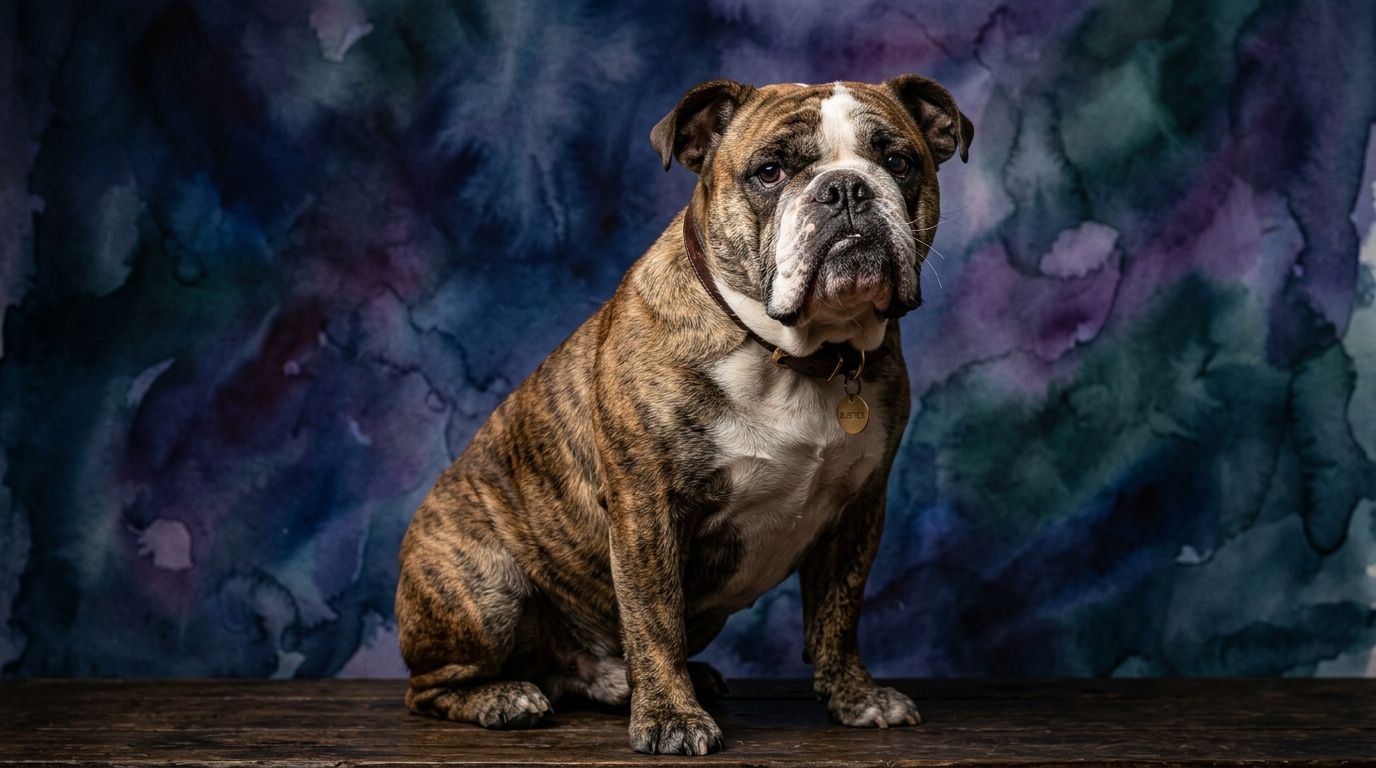
At The Cosmic Pet Pet IQ Lab, we analyze canine cognition across five crucial dimensions, and the English Bulldog and Giant Schnauzer present a compelling study in contrasts. The English Bulldog, ranked #77 by Coren and classified in the Non-Sporting Group, exhibits a cognitive profile tailored for companionship and a more relaxed existence. Their Problem Solving is rated at 2/5, indicating a preference for predictable routines and less inclination to independently navigate complex, novel challenges. Training Speed also sits at 2/5, suggesting that learning new commands or behaviors requires significant patience and repetition, as their compliance is often a matter of choice rather than innate drive. However, their Social Intelligence shines at 4/5, highlighting a strong capacity for emotional connection and understanding human cues, making them deeply empathetic companions. Instinctive Drive is a moderate 3/5, meaning they possess a natural curiosity and desire to engage with their environment but typically without the intense focus seen in working breeds. Their Memory is 2/5, implying that learned behaviors or experiences might fade without consistent reinforcement.
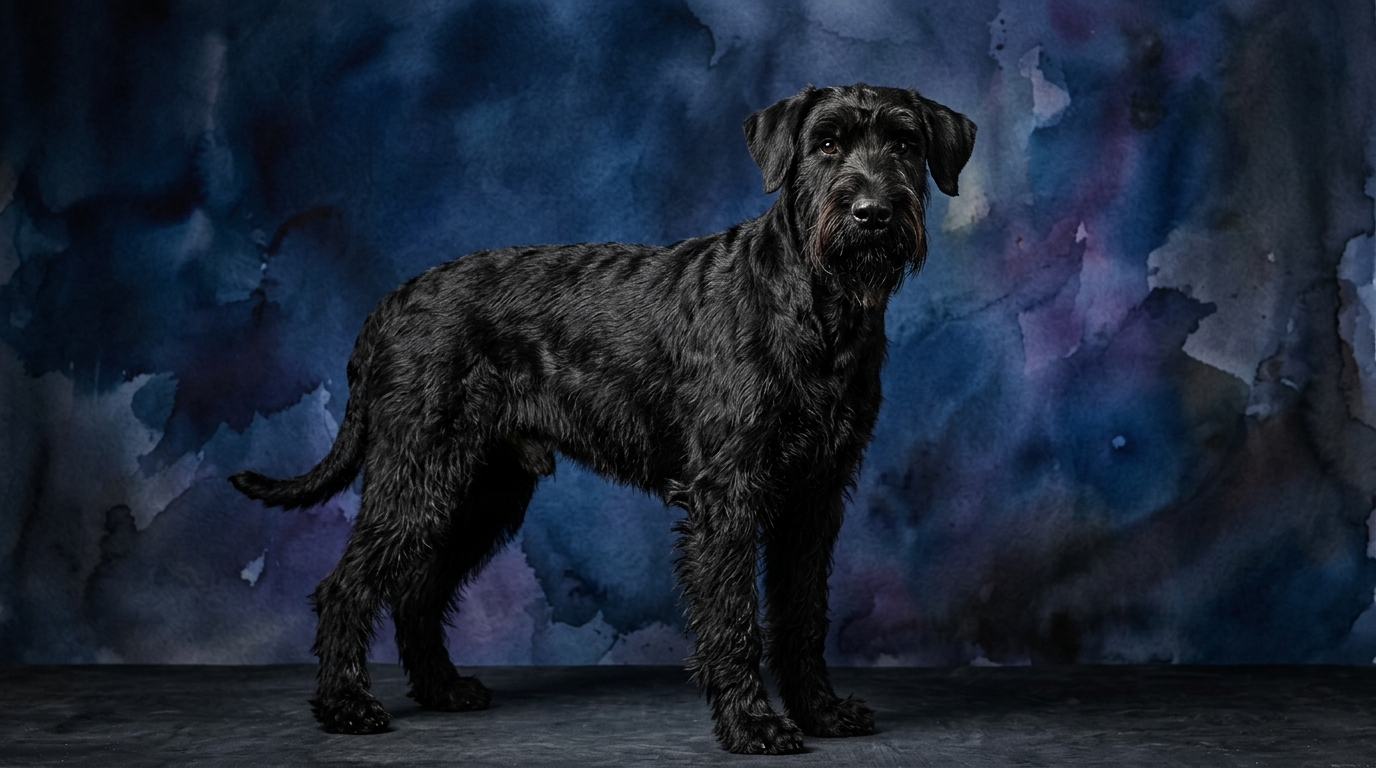
Conversely, the Giant Schnauzer, a robust Working Group breed with a Coren rank of #28, showcases a cognitive architecture built for purpose and engagement. Their Problem Solving is a robust 4/5, demonstrating an impressive ability to analyze situations, adapt to new environments, and figure out solutions independently, a trait invaluable for their historical roles. Training Speed also scores 4/5, reflecting a quick grasp of new commands, an eagerness to learn, and a natural responsiveness to instruction. While their Social Intelligence at 3/5 is slightly lower than the Bulldog's, they still form strong bonds, though perhaps with a more reserved or focused demeanor. Instinctive Drive matches the Bulldog at 3/5, indicating a balanced but present desire for activity and engagement, often channeled into guarding or working tasks. Their Memory, however, stands out at 4/5, allowing them to retain vast amounts of information, complex command sequences, and past experiences with remarkable clarity, which is crucial for advanced training and long-term skill retention.
Where the English Bulldog Wins Cognitively
While often perceived as less 'trainable' due to their lower scores in Problem Solving and Training Speed, the English Bulldog truly excels in the realm of Social Intelligence, where they score a remarkable 4/5. This isn't just about being friendly; it signifies a profound capacity for emotional attunement and a deep understanding of human social dynamics. A Bulldog can sense shifts in mood, offer comforting presence without explicit command, and integrate seamlessly into the emotional fabric of a family. They are masters of the subtle art of companionship, using their keen social awareness to foster strong, reciprocal bonds. This cognitive strength translates into an unparalleled ability to be a calm, reassuring presence, making them exceptional emotional support animals or gentle confidantes.
Furthermore, their moderate Instinctive Drive (3/5) can be a significant cognitive advantage for certain lifestyles. Unlike breeds with intense hunting or herding drives, the Bulldog's instincts are typically more geared towards comfort and interaction within their immediate social circle. This means less internal compulsion to roam, chase, or constantly seek out 'work,' leading to a more settled and content demeanor in a domestic setting. Their cognitive energy isn't perpetually directed outwards in search of a task, but rather towards their human family, fostering a more relaxed and less demanding cognitive partnership for owners seeking a tranquil companion.
Where the Giant Schnauzer Wins Cognitively
The Giant Schnauzer's cognitive strengths are evident in their superior Problem Solving (4/5), Training Speed (4/5), and Memory (4/5). These attributes combine to create a highly adaptable and capable canine mind. A Giant Schnauzer can quickly assess a novel situation, such as figuring out how to open a gate or navigate a complex obstacle course, demonstrating a proactive approach to challenges. Their high Problem Solving score means they aren't merely reactive but can strategize and learn from experience, applying past knowledge to new scenarios. This cognitive flexibility makes them adept at diverse tasks, from protection work to advanced obedience and even canine sports.
Their exceptional Training Speed and Memory work in tandem, allowing them to absorb and retain complex command sequences with remarkable efficiency. Where a Bulldog might require dozens of repetitions over weeks to solidify a new behavior, a Giant Schnauzer often grasps the concept in just a few sessions and remembers it for extended periods. This cognitive prowess enables them to learn multi-step commands, differentiate between subtle cues, and perform intricate routines reliably. For owners who enjoy engaging in advanced training, competitive dog sports, or who require a dog capable of understanding nuanced instructions, the Giant Schnauzer's cognitive profile offers an unparalleled partnership, reflecting a deep capacity for learning and retention that few breeds can match.
Which Is Easier to Train and Why
Based on their cognitive profiles, the Giant Schnauzer is unequivocally the easier breed to train. Their 4/5 scores in both Training Speed and Memory, coupled with a 4/5 in Problem Solving, create a highly receptive and capable student. Giant Schnauzers possess an intrinsic desire to understand and execute tasks, often showing an eagerness to engage with their handler during training sessions. They quickly form associations between commands and actions, retain these associations over time, and can independently figure out how to refine their performance. This means fewer repetitions are needed, and new skills are integrated into their behavioral repertoire more rapidly, making the training process feel collaborative and rewarding.
In contrast, the English Bulldog's 2/5 scores in Training Speed and Memory present a more significant training challenge. Their cognitive approach is often characterized by an independent streak and a preference for comfort over compliance, which requires a different training methodology. While they are capable of learning, their pace is slower, and retention requires consistent, positive reinforcement over an extended period. A Bulldog might understand a command but choose not to execute it if there isn't sufficient motivation, or if they're simply not in the mood. Training a Bulldog demands immense patience, creativity in motivation, and a deep understanding of their individual personality, often feeling more like gentle persuasion than direct instruction. Their lower problem-solving capacity also means they are less likely to generalize learned behaviors to new contexts without specific guidance, whereas a Giant Schnauzer might apply a concept learned in one scenario to another with minimal prompting.
Which Suits Active Owners vs. Relaxed Owners
The cognitive and physical demands of these two breeds align perfectly with differing owner lifestyles. The Giant Schnauzer, with its high Problem Solving, Training Speed, and Memory, thrives with active owners who can provide consistent mental stimulation and physical exercise. These dogs require an outlet for their cognitive energy; without it, their intelligence can manifest as boredom-driven behaviors. Owners who enjoy engaging in dog sports, advanced obedience, protection work, or simply long, challenging hikes will find a deeply fulfilling partnership with a Giant Schnauzer. Their instinctive drive (3/5) and working group heritage mean they are happiest when given a 'job' to do, whether it's guarding the home, learning new tricks, or participating in agility courses. An owner who can channel this cognitive zest will unlock the Schnauzer's full potential.
Conversely, the English Bulldog is an ideal match for more relaxed owners seeking a devoted, low-maintenance companion. Their superior Social Intelligence (4/5) means they derive immense satisfaction from simply being present with their human family, offering quiet companionship rather than demanding constant engagement. Their lower Problem Solving and Training Speed scores, combined with a moderate Instinctive Drive, translate into a dog that is generally content with a comfortable routine, short walks, and plenty of cuddle time. They are not built for strenuous activity or complex mental tasks, preferring to conserve their energy. Owners who appreciate a dog's calm presence, enjoy leisurely strolls, and prioritize emotional connection over athletic prowess will find the Bulldog's cognitive makeup perfectly suited to their lifestyle, offering a profound sense of loyalty and comfort without the need for intense daily mental or physical challenges.
The Verdict
Choose the English Bulldog if you prioritize unwavering companionship, a calm home presence, and a dog whose greatest strength lies in emotional connection and social harmony.
Opt for the Giant Schnauzer if you seek a highly trainable, intelligent partner for complex activities, advanced training, and a dog that thrives on mental and physical engagement.
🧠 Find Your Pet's IQ Score
Our Pet IQ Lab assessment covers 25+ tests across 5 cognitive dimensions — personalized to your breed.
Take the Full IQ Test →Frequently Asked Questions
How does the Bulldog's social intelligence impact its behavior?
The Bulldog's high social intelligence means they are exceptionally attuned to human emotions and social cues, making them empathetic and deeply connected companions. They excel at offering comfort and forming strong, reciprocal bonds within their family unit, often preferring to be near their humans.
What kind of mental stimulation does a Giant Schnauzer need?
A Giant Schnauzer requires significant mental stimulation due to their high problem-solving and memory abilities. This can include regular training sessions, puzzle toys, learning new tricks, participation in dog sports like agility or obedience, and engaging in tasks that challenge their intellect and working drive.
Are English Bulldogs stubborn or just slow learners?
English Bulldogs are often perceived as stubborn, but their lower scores in training speed and problem-solving suggest they are more deliberate learners who value comfort and routine. They require patience and consistent, positive reinforcement, often needing more repetitions and motivation to solidify new behaviors compared to more eager-to-please breeds.