Side-by-Side IQ Profile: English Bulldog vs. Harrier
The Cosmic Pet Pet IQ Lab provides a nuanced framework for understanding canine intelligence, moving beyond simplistic labels to evaluate five distinct cognitive dimensions: problem solving, training speed, social intelligence, instinctive drive, and memory. Examining these scores for the English Bulldog and the Harrier illuminates their inherent aptitudes and challenges, painting a clearer picture of their cognitive landscapes.
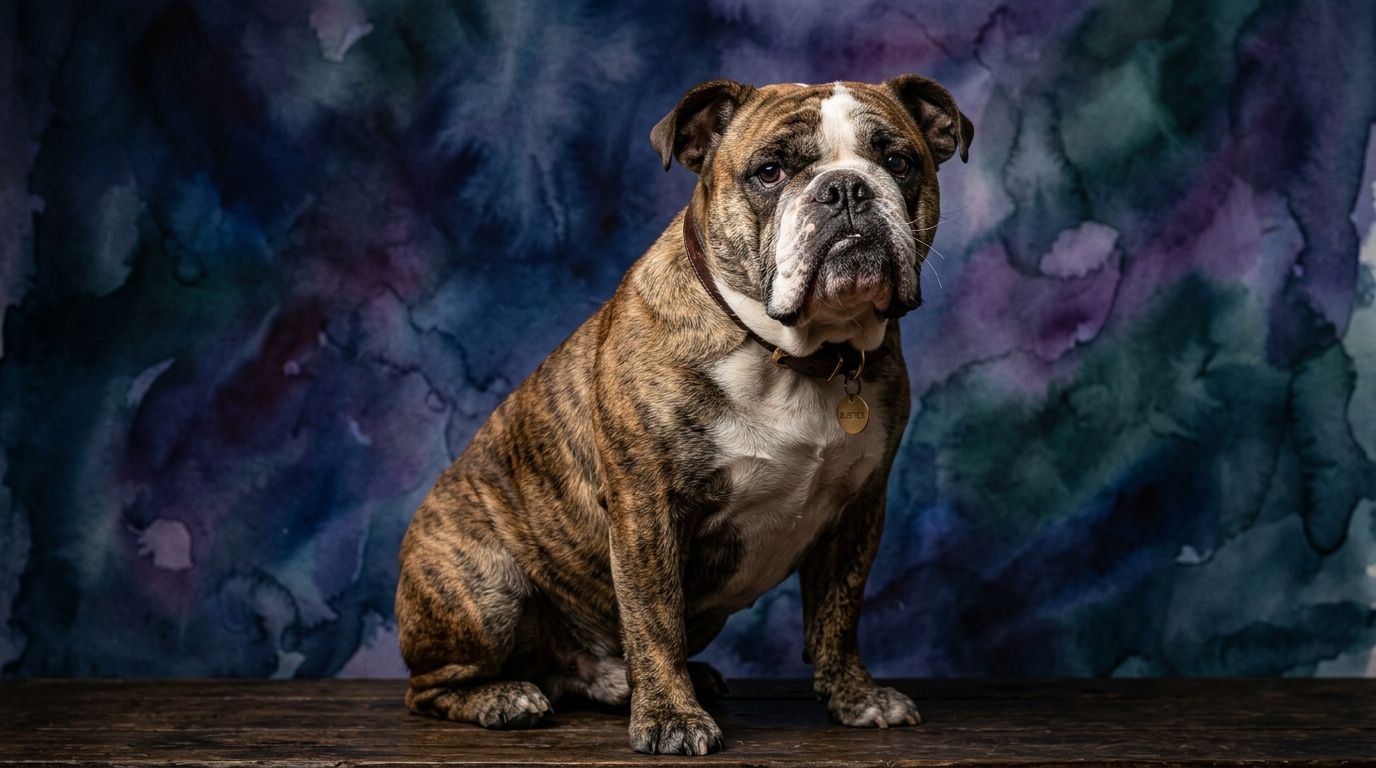
The English Bulldog, a member of the Non-Sporting Group and Coren-ranked #77, presents a profile emphasizing companionship over complex tasks. Their problem-solving ability scores 2/5, suggesting a preference for routine and less inclination towards independent puzzle-solving or navigating novel, complex environments. They typically thrive in predictable settings where established patterns suffice, rather than being driven to figure out intricate mechanical challenges. Their training speed also registers 2/5, indicating that learning new commands or behaviors requires considerable patience and repetition. They are not the quickest to pick up new cues, often needing numerous sessions to solidify understanding, making consistency paramount. However, their social intelligence is a standout at 4/5. This high score reflects an exceptional ability to read human emotions, understand social dynamics within a household, and form profound, empathetic bonds. They are often intuitive companions, attuned to their owner's moods and capable of offering comfort or quiet companionship without explicit command. Their instinctive drive is moderate at 3/5, not typically manifesting as intense prey drive or an overwhelming urge for specific work, but rather a disposition towards comfort and loyalty. Finally, their memory score of 2/5 suggests that information, whether commands or routines, may not be retained for extended periods without regular reinforcement, necessitating ongoing practice.
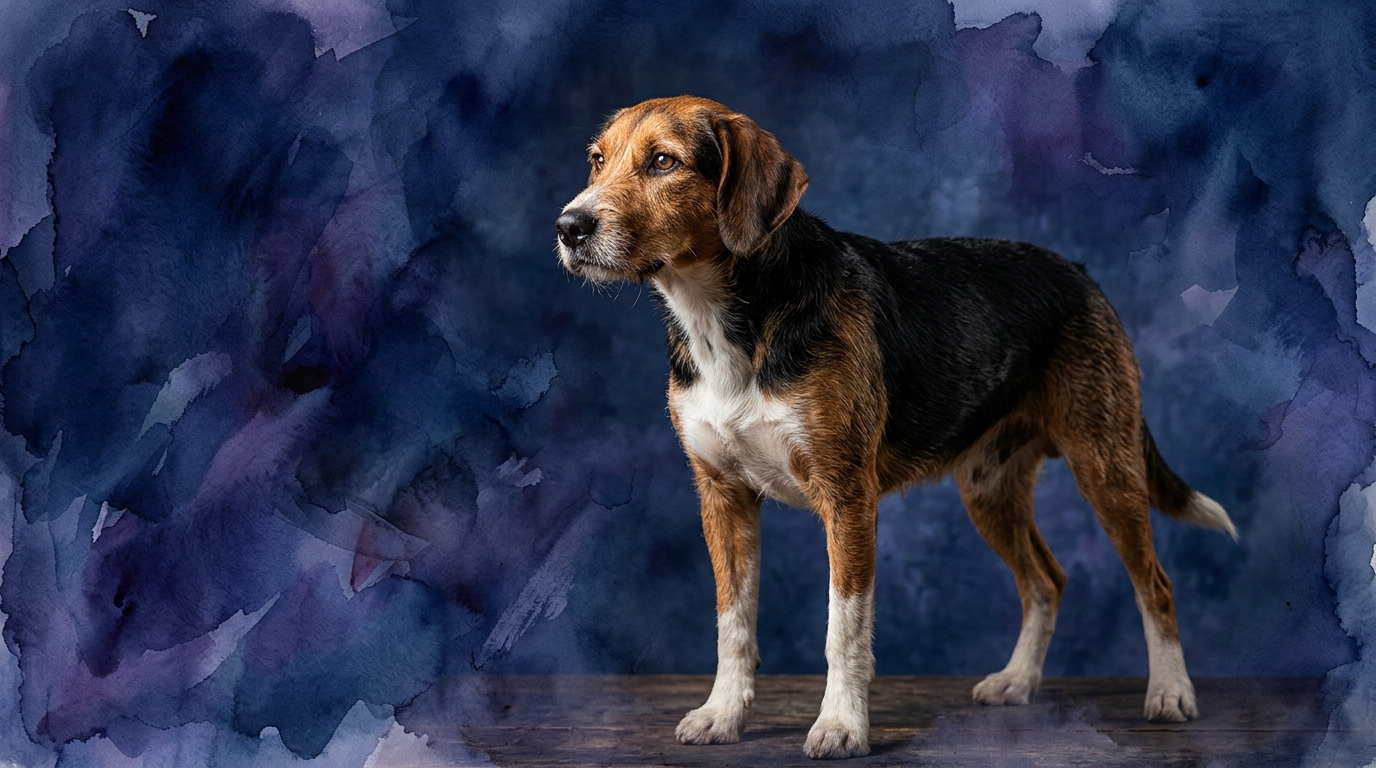
In contrast, the Harrier, a Hound breed not Coren-ranked, exhibits a more balanced and generally higher cognitive adaptability across several key areas. Their problem-solving ability scores 3/5, a moderate yet notably higher capacity than the Bulldog, indicating a greater aptitude for navigating new challenges and figuring out practical solutions. They might be more resourceful in figuring out how to open a gate or retrieve a hidden toy, demonstrating a practical intelligence geared towards achieving a goal. Their training speed also scores 3/5, signifying that Harriers learn at a moderate pace, generally picking up new commands more readily than Bulldogs. They are responsive to consistent training methods and can acquire a good repertoire of behaviors with diligent effort, benefiting from their generally higher attention span. Their social intelligence, while solid at 3/5, suggests good social skills within a family and often with other dogs, but they might not possess the same depth of intuitive emotional understanding or quiet empathy as the Bulldog, often being more direct in their interactions. The Harrier's instinctive drive is also 3/5, but for a hound, this drive is predominantly scent-driven. It manifests as a strong desire to track, explore, and follow interesting smells, which can be a significant motivator and a potential distraction during training if not managed. Their memory score of 3/5 indicates that Harriers retain learned information fairly well. Once a command or routine is established, it tends to stick, reducing the need for constant, intensive refreshers and building a more reliable behavioral foundation.
Where the English Bulldog Wins Cognitively
The English Bulldog's cognitive prowess shines brightest in the realm of social intelligence, where their score of 4/5 notably surpasses the Harrier's 3/5. This isn't merely about being friendly; it reflects a profound capacity for understanding human social cues, emotions, and the nuanced dynamics of a household. Bulldogs can be incredibly attuned to their owner's feelings, offering a quiet, comforting presence when needed, or a playful nudge at the opportune moment. Their lower scores in problem-solving and drive might even contribute to this focus, allowing more cognitive resources to be dedicated to observing and interpreting human interactions. They excel at integrating into the family unit, often understanding unspoken rules and personal preferences without needing explicit instruction. This exceptional social acumen makes them unparalleled companions for individuals seeking a deeply empathetic and emotionally connected canine partner, capable of providing intuitive comfort and unwavering loyalty based on their keen understanding of human behavior.
Where the Harrier Wins Cognitively
The Harrier demonstrates a cognitive advantage in areas related to adaptability, learning efficiency, and practical application. With scores of 3/5 in problem-solving, training speed, and memory, the Harrier consistently outperforms the English Bulldog in these dimensions. Their superior problem-solving ability allows them to navigate complex environments or novel situations with greater ingenuity, whether it's figuring out a tricky gate latch or locating a hidden treat through a series of obstacles. This cognitive strength, coupled with a faster training speed and better memory retention, means Harriers are more efficient learners. They can acquire and reliably execute a wider range of commands and tasks, making them more versatile for activities that require sequential learning or quick adaptation. This cognitive profile lends itself well to practical applications in scent work, agility, or other structured activities where learning, recall, and a degree of independent thought are crucial. Owners seeking a dog capable of mastering diverse skills and engaging in mentally stimulating activities will find the Harrier's cognitive makeup more aligned with their goals.
Training Dynamics: Ease and Behavioral Differences
When considering ease of training, the Harrier generally presents a more straightforward experience than the English Bulldog, a difference directly attributable to their respective cognitive profiles. The Harrier's 3/5 training speed means they grasp new concepts quicker, and their 3/5 memory ensures those lessons stick for longer periods. Their moderate problem-solving also helps them understand the context and goal of a command, rather than just rote memorization. This breed often responds well to positive reinforcement, especially if it involves harnessing their natural scent drive, such as using scent games as rewards. While their instinctive drive can be a distraction when an interesting scent takes precedence, this very drive can be a powerful motivator when channeled correctly into structured training.
Conversely, training an English Bulldog requires significantly more patience and a tailored approach. Their 2/5 training speed dictates that lessons must be broken into smaller, digestible steps and repeated extensively across numerous sessions. The 2/5 memory score implies that consistency isn't just helpful, it's critical; skills can degrade quickly without regular, ongoing practice. Their strong social intelligence means they respond best to training that fosters connection and uses positive reinforcement focused on praise, gentle interaction, and building a bond, rather than strict, forceful methods. Owners must be prepared for a slower progression, celebrating small victories and understanding that a Bulldog's motivation often stems from their desire for companionship and comfort rather than an inherent drive to perform complex tasks. Distractions, even minor ones, can easily derail a training session due to their less adaptable problem-solving, necessitating calm, focused environments for learning.
Lifestyle Match: Active vs. Relaxed Owners
The distinct cognitive profiles of the English Bulldog and the Harrier naturally align them with different owner lifestyles. Harriers, with their moderate problem-solving and training speed, coupled with an inherent hound's instinctive drive for scent work and exploration, are best suited for active owners. They thrive with regular physical exercise and mental engagement, needing outlets for their curiosity and energy. Owners who enjoy long walks, hikes, scent games, or even dog sports like agility will find the Harrier a willing and capable partner. Without sufficient structured activity and mental challenges, their cognitive curiosity and drive might lead them to create their own entertainment, which could manifest as exploring forbidden areas or engaging in destructive behaviors. They require an owner who can consistently provide stimulation and channel their natural instincts into productive activities.
The English Bulldog, on the other hand, is an ideal companion for more relaxed owners. Their lower scores in problem-solving, training speed, and memory, alongside their high social intelligence, paint a picture of a dog content with a more sedentary, predictable lifestyle. They are perfectly happy with short, leisurely strolls, ample naptime, and extensive cuddle sessions on the sofa. Their cognitive strengths lie in companionship and emotional connection, not in demanding physical or mental exertion. Owners who appreciate a calm, affectionate presence and are prepared to offer consistent, gentle training will find a deep and rewarding bond with a Bulldog. They are not built for endurance or complex tasks but for unwavering, comfortable presence, making them a perfect fit for a quieter home environment.
The Verdict
Choose the English Bulldog if you seek a deeply empathetic companion who excels in understanding social cues and thrives on close, relaxed human interaction, and you are prepared for a slower, more patient training approach.
Opt for the Harrier if you desire a more adaptable, moderately trainable partner for outdoor activities and mental challenges, appreciating a dog that retains learned skills efficiently and enjoys a structured, active lifestyle.
🧠 Find Your Pet's IQ Score
Our Pet IQ Lab assessment covers 25+ tests across 5 cognitive dimensions — personalized to your breed.
Take the Full IQ Test →Frequently Asked Questions
Do English Bulldogs enjoy learning new tricks?
English Bulldogs can learn new tricks, but their training speed and memory scores of 2/5 suggest they require significant patience and consistent repetition from their owners. They may not be the quickest learners, but their social intelligence means they often enjoy the attention and bonding that training provides, making the effort worthwhile for connection.
Are Harriers prone to independent thinking during training?
Harriers, with a problem-solving score of 3/5 and an instinctive drive of 3/5, can exhibit independent thinking, particularly when following a compelling scent. While they are moderately trainable and capable of understanding commands, their strong hound instincts might lead them to prioritize an interesting trail over a command, requiring consistent recall training and management of their environment.
How does social intelligence differ between these breeds?
The English Bulldog's social intelligence score of 4/5 indicates a strong ability to read human emotions and bond deeply, making them highly attuned companions who often provide intuitive comfort. The Harrier, with a 3/5, is socially competent and good with family and other dogs, but may not display the same level of nuanced emotional empathy as the Bulldog, often being more focused on their environment or pack dynamics.