Side-by-Side IQ Profile
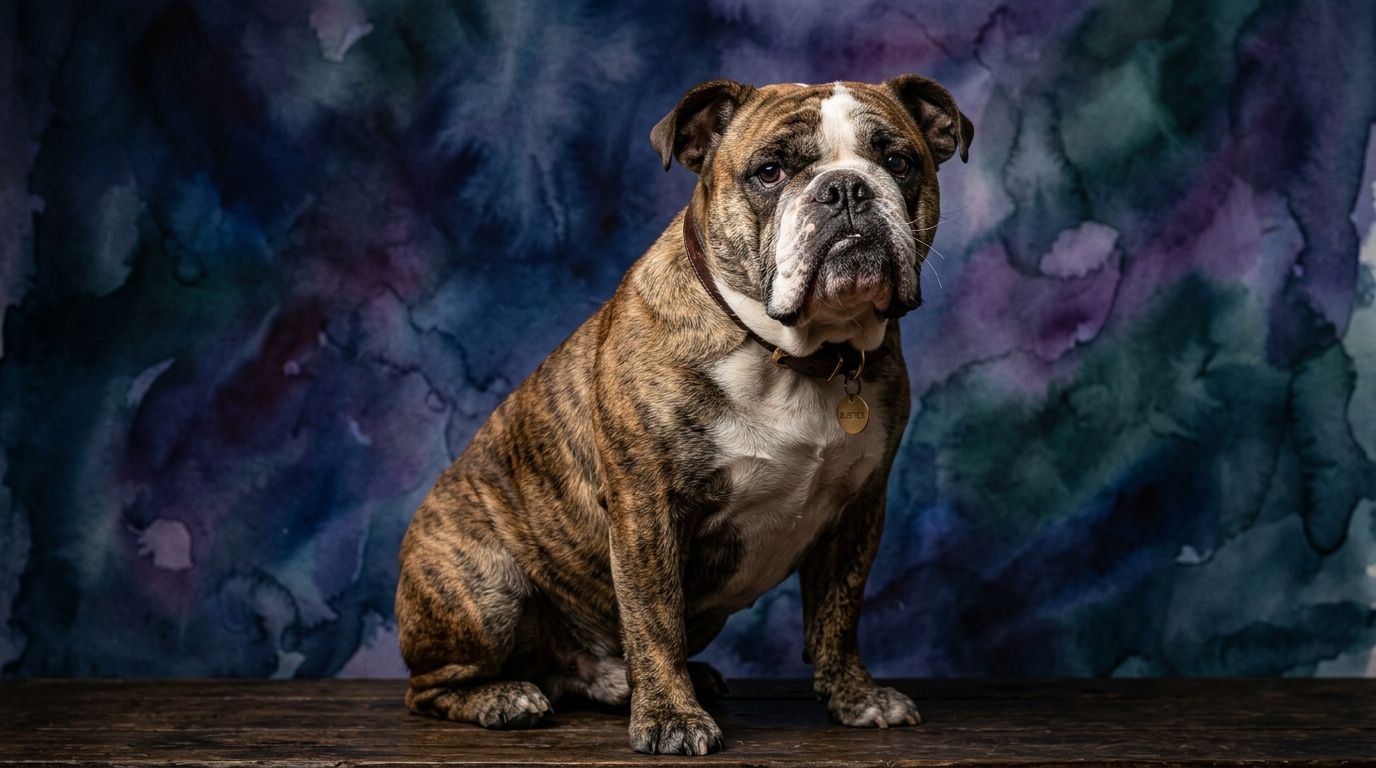
**Bulldog (English) - Coren Rank #77**
**Problem Solving (2/5):** English Bulldogs often approach novel situations with a measured, sometimes unhurried demeanor, preferring familiar routines over complex cognitive gymnastics to navigate challenges. Their typical approach tends to be direct rather than overtly experimental, focusing on what has worked before in similar contexts.
**Training Speed (2/5):** Acquiring new commands or tricks can be a patient endeavor with an English Bulldog. Their independent spirit means they require consistent, positive reinforcement and may not always see the immediate value in performing repetitive tasks, often preferring to do things on their own terms rather than for constant approval.
**Social Intelligence (4/5):** This breed excels in understanding human emotions and social cues, forming deep, empathetic bonds with their families. They are highly attuned to their owners' moods and routines, offering quiet companionship and often anticipating needs based on subtle human signals, making them profoundly connected companions.
**Instinctive Drive (3/5):** While their historical roles involved significant drive, modern English Bulldogs exhibit a moderate level of instinctive behavior. This might manifest as a strong attachment to their territory or a consistent preference for established patterns, rather than a strong drive for complex working tasks or sustained physical exertion.
**Memory (2/5):** English Bulldogs tend to retain core routines and primary commands, but complex sequences or a vast repertoire of tricks might not stick as readily. Their memory primarily serves their comfort and established habits rather than a broad, dynamically expanding learning capacity.
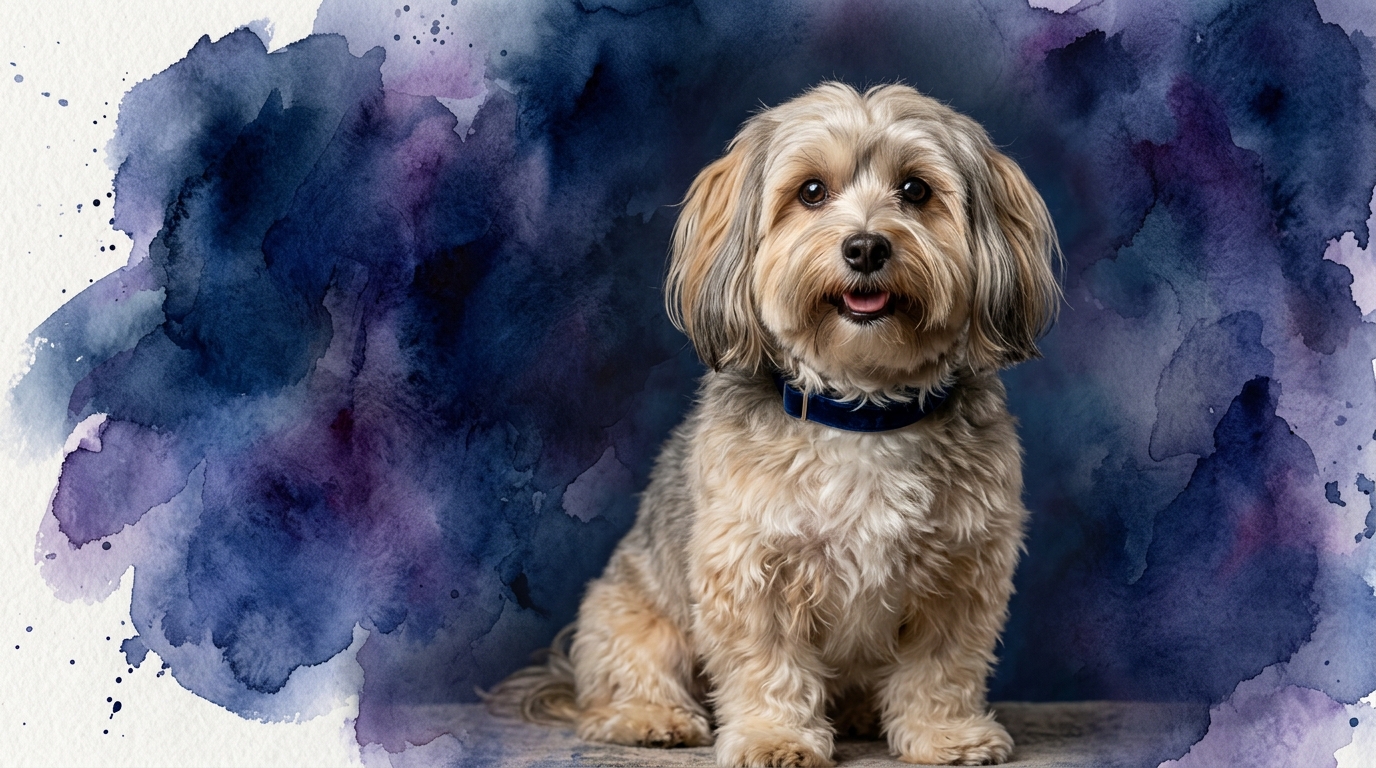
**Havanese - Not Coren-Ranked**
**Problem Solving (3/5):** Havanese display a moderate aptitude for figuring out new situations, often employing curiosity and a willingness to try different approaches. They can be quite resourceful in navigating their environment or in devising ways to gain attention or access desired items, showing a playful adaptability.
**Training Speed (3/5):** This breed generally learns new commands and behaviors at a good pace, eager to engage with their owners. Their responsiveness and desire to please contribute to a more efficient learning process, especially when training is kept fun, interactive, and positively reinforced.
**Social Intelligence (5/5):** Havanese are exceptional in their ability to read and respond to human social cues. They are highly empathetic, often mirroring their owners' emotions and demonstrating a profound understanding of interpersonal dynamics, making them superb and intuitive companion animals.
**Instinctive Drive (2/5):** As a breed developed primarily for companionship, the Havanese typically has a lower instinctive drive. Their focus is less on independent working tasks and more on interaction and connection with their human family, thriving on shared experiences and close proximity.
**Memory (3/5):** Havanese possess a good memory, enabling them to recall a variety of commands, routines, and even specific events or people. This contributes significantly to their trainability and their ability to adapt to new situations once learned and reinforced.
Where Bulldog (English) Wins Cognitively
The English Bulldog's cognitive strengths truly shine in the realm of social connection and steadfast predictability. With a robust Social Intelligence score of 4/5, they are masters of subtle communication within their family unit, interpreting emotional states and daily rhythms with remarkable accuracy. This isn't about performing complex tricks; it's about a deep, intuitive understanding of their human companions, offering a calm, reassuring presence that resonates profoundly.
Their Instinctive Drive, rated at 3/5, while not geared towards demanding working tasks, manifests as a powerful sense of loyalty and a strong adherence to established routines, providing a comforting sense of order in the home. They excel at being a consistent, emotionally stable anchor, thriving on the predictability that fosters profound trust. This breed's cognitive architecture prioritizes emotional resonance and a solid, unwavering presence, making them incredibly attuned to the comfort and well-being of their human family.
Where Havanese Wins Cognitively
The Havanese demonstrates a broader spectrum of cognitive agility, particularly in adaptability and interactive learning. Their Problem Solving at 3/5 indicates a more experimental and curious approach to novel challenges compared to the Bulldog, often finding creative ways to achieve their goals, whether it’s retrieving a hidden toy or navigating a small obstacle course. This willingness to engage with new scenarios is a clear advantage.
Their Training Speed, also 3/5, combined with a superior Social Intelligence of 5/5, means they are not only quicker to grasp new concepts but are also highly motivated by positive interaction and the desire to please their owners. This allows for a more dynamic and varied training experience, where they actively participate. Furthermore, their Memory, rated at 3/5, supports their ability to retain a wider array of commands and experiences, contributing to their overall versatility. The Havanese excels in environments where nuanced interaction and mental engagement are highly valued, making them adept at learning and responding to complex social cues.
Which is Easier to Train and Why
When evaluating ease of training, the Havanese generally presents a smoother path for most owners. Their Training Speed of 3/5, coupled with an outstanding Social Intelligence of 5/5, means they are highly receptive to instruction and deeply motivated by positive feedback from their human companions. Havanese dogs often perceive training as an engaging game, eager to participate and quick to pick up new commands, especially when rewarded with praise, treats, or play. Their natural inclination to bond and please makes them attentive students, readily forming associations between commands and actions.
Conversely, the English Bulldog, with a Training Speed of 2/5, requires a different approach. Their independent streak and lower motivation for repetitive tasks mean that training sessions need to be kept short, fun, and highly rewarding to maintain their interest. They are not necessarily less capable of learning, but their cognitive profile suggests they need more convincing and a stronger incentive to engage consistently. Their Coren rank of #77 further underscores a tendency towards independence rather than eager compliance, making patience, creativity, and understanding their unique motivations paramount in their training journey.
Which Suits Active Owners vs Relaxed Owners
For owners seeking a companion that thrives on mental engagement and varied activities, the Havanese is often a more suitable choice. While not requiring intense physical exercise, their higher scores in Problem Solving (3/5) and Social Intelligence (5/5) mean they flourish with interactive games, learning new tricks, and participating in family outings where they can observe and interact. They enjoy being involved in daily life, making them ideal for individuals who want to spend time actively teaching, playing, and exploring low-impact environments with their dog.
The English Bulldog, on the other hand, is an excellent match for more relaxed owners who appreciate a calm, settled presence. Their lower Problem Solving (2/5) and Training Speed (2/5) indicate a preference for routine and comfort over constant novelty. These dogs are content with moderate, leisurely walks and ample time spent lounging near their human companions. Their strong Social Intelligence (4/5) ensures they are deeply connected, but their overall cognitive profile leans towards quiet companionship rather than demanding high levels of physical or mental activity, making them perfect for a tranquil home environment.
The Verdict
Choose an English Bulldog if you value a steadfast, calm companion deeply attuned to your emotional state, thriving on predictable routines and a quiet, empathetic presence.
Opt for a Havanese if you desire an adaptable, interactive companion eager to learn, engage in playful mental challenges, and share a dynamic, socially rich life with you.
🧠 Find Your Pet's IQ Score
Our Pet IQ Lab assessment covers 25+ tests across 5 cognitive dimensions — personalized to your breed.
Take the Full IQ Test →Frequently Asked Questions
Do English Bulldogs struggle with learning new commands?
English Bulldogs typically learn at a slower pace due to their 2/5 Training Speed and independent nature. Success requires patient, consistent, and highly rewarding positive reinforcement to keep them engaged and motivated, focusing on short, positive sessions.
Are Havanese good at understanding human emotions?
Yes, Havanese excel in understanding human emotions, boasting a perfect 5/5 in Social Intelligence. They are highly empathetic and attuned to their owners' moods, often mirroring feelings and seeking to comfort or engage based on observed cues.
Which breed is better for a first-time dog owner?
For a first-time owner, a Havanese might be slightly easier due to their higher trainability and eagerness to please, responding well to positive methods. English Bulldogs require more specific training approaches and patience to manage their independent streak effectively.