
Side-by-Side Cognitive Profiles
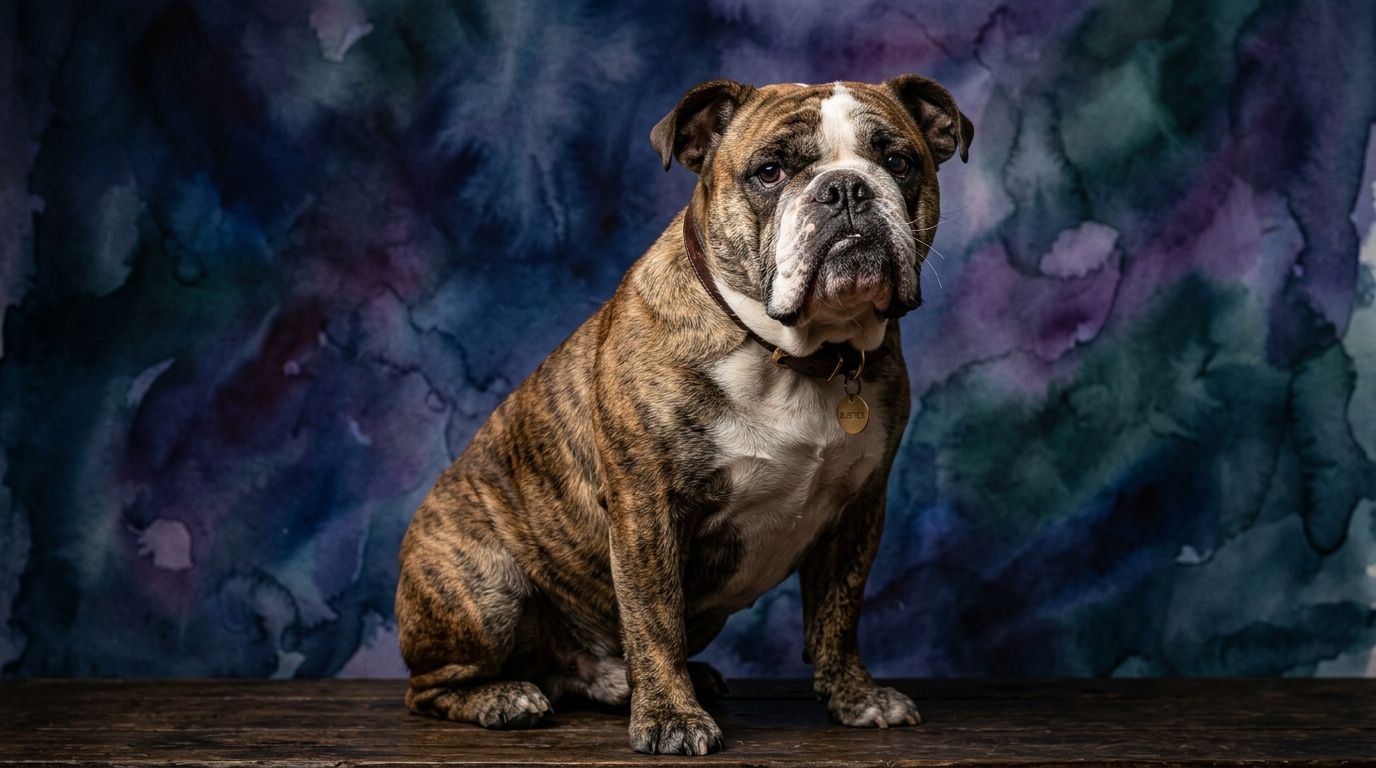
The Cosmic Pet Pet IQ Lab assesses canine cognition across five dimensions, offering a nuanced view beyond simple obedience. The English Bulldog, ranked #77 by Coren, presents a unique blend of traits: a problem-solving score of 2/5 suggests they approach challenges with a certain pragmatism, while their training speed, also 2/5, indicates a deliberate learning pace. Their social intelligence shines at 4/5, reflecting an attuned understanding of social cues, and an instinctive drive of 3/5 points to a moderate level of innate behavioral patterns. Memory for the Bulldog is rated at 2/5, implying they may require more repetition to solidify learned behaviors or recall specific events.
In contrast, the Pug, with a Coren rank of #57, demonstrates a different cognitive blueprint. Like the Bulldog, their problem-solving ability is rated 2/5, indicating they too might not be the quickest to independently strategize complex tasks. Their training speed matches the Bulldog at 2/5, suggesting a similar need for patient and consistent instruction. However, the Pug’s social intelligence stands out at a perfect 5/5, showcasing an exceptional capacity for reading and responding to human and canine interactions. Their instinctive drive is lower at 2/5, meaning they are less driven by primal urges, while their memory at 3/5 slightly surpasses the Bulldog, potentially allowing for quicker retention of experiences and commands.
Where the English Bulldog Cognitively Excels
The English Bulldog’s primary cognitive strength lies in its social intelligence, rated 4/5. This means they possess a robust ability to interpret and respond appropriately to the emotional states and intentions of their human companions and other animals. This isn’t about performing tricks, but about understanding the subtle nuances of communication—a tilted head, a change in voice tone, or an open-handed gesture can all be processed and responded to with a high degree of accuracy. This makes them remarkably empathetic companions, often forming deep, intuitive bonds with their families.
Furthermore, the Bulldog's instinctive drive, at 3/5, positions them as moderately responsive to inherent breed-specific behaviors, which can manifest as a calm, protective demeanor rather than an intense prey drive or boundless energy. While not as high as some working breeds, this moderate drive contributes to their steady, predictable nature. They are often content with routine and find comfort in established patterns, making them reliable and unflappable in various domestic situations. Their cognitive profile suggests a dog that excels at being a steadfast, socially aware presence in the home.
Where the Pug Cognitively Excels
The Pug truly shines in its social intelligence, scoring a perfect 5/5. This unparalleled ability to connect and communicate is a hallmark of the breed. They are exceptionally attuned to human emotions and social dynamics, often seeking interaction and offering comfort with uncanny timing. This makes Pugs remarkably adept at integrating into family life, understanding household routines, and even anticipating needs based on subtle cues. Their high social intelligence means they are not just companions but often feel like active, empathetic participants in daily human life, making them profoundly responsive to their owners' moods and intentions.
Another area where the Pug holds a slight cognitive edge is memory, rated 3/5 compared to the Bulldog's 2/5. This indicates a marginally greater capacity for retaining information, whether it's the location of a favorite toy, the sequence of events leading to a walk, or previously learned commands. While this difference might seem small, it can translate into a quicker recall of past experiences and a slightly reduced need for repeated exposure to solidify new learning. Their lower instinctive drive (2/5) also means they are less distracted by environmental stimuli linked to primal urges, allowing their social focus and memory to take precedence in their interactions.
Training Dynamics: Bulldog vs. Pug
When it comes to training, both the English Bulldog and the Pug share a similar training speed rating of 2/5, suggesting that neither breed is inherently quick to pick up new commands or behaviors. This isn't a reflection of defiance but rather a more deliberate processing style. For Bulldogs, their moderate instinctive drive (3/5) means they might be motivated by rewards related to comfort or play, but their lower problem-solving (2/5) and memory (2/5) scores indicate that consistency and patience are paramount. They benefit greatly from short, engaging sessions that prevent boredom and allow for gradual assimilation of information. Positive reinforcement, such as treats or praise for correct responses, is crucial to overcome their tendency towards slower learning and to make the process enjoyable for them.
Pugs, with their equally rated training speed (2/5) but superior social intelligence (5/5) and slightly better memory (3/5), present a different set of training considerations. While they may not grasp new concepts instantly, their profound desire to please and connect with their owners is a powerful motivator. They are highly responsive to positive reinforcement, especially when it involves social interaction and affection. Their lower instinctive drive (2/5) means they are less likely to be distracted by external stimuli, allowing them to focus more intently on their human's cues. This social attentiveness, combined with their slightly better memory, means that once a Pug understands what is expected, they are generally reliable in executing commands, particularly if the training process reinforces their bond with their owner.
Lifestyle Compatibility: Active vs. Relaxed Owners
For owners seeking a more relaxed pace of life, both the English Bulldog and the Pug are generally good fits, though their specific needs differ. The English Bulldog, with its moderate instinctive drive (3/5) and deliberate energy levels, thrives in environments that prioritize comfort and routine over strenuous activity. Their problem-solving and memory scores of 2/5 suggest they are not seeking out complex mental challenges or intricate games. They are content with moderate daily walks and ample opportunities for napping. An owner who appreciates a steady, calm presence and isn't looking for a canine jogging partner would find the Bulldog's disposition perfectly aligned with their lifestyle.
The Pug, while also not built for endurance, leans even more towards a relaxed, companion-focused lifestyle. Their lower instinctive drive (2/5) means they have minimal intrinsic motivation for physically demanding activities or independent exploration. Their exceptional social intelligence (5/5) means they primarily seek companionship and interaction, rather than physical exertion. Short, gentle walks and indoor playtime are usually sufficient to meet their exercise needs. Owners who prioritize close emotional bonds, enjoy a dog that wants to be involved in every aspect of their calm daily routine, and are prepared for a highly attentive presence will find the Pug to be an ideal match. They are less about activity and more about affectionate, constant presence.
The Verdict
Choose an English Bulldog if you value a steadfast, empathetic companion with a calm, predictable nature and a strong social connection, who is content with a moderate, routine-driven life.
Opt for a Pug if you desire an exceptionally socially intelligent, highly affectionate, and intensely companion-oriented dog that thrives on constant interaction and a very relaxed, indoor-centric lifestyle.
🧠 Find Your Pet's IQ Score
Our Pet IQ Lab assessment covers 25+ tests across 5 cognitive dimensions — personalized to your breed.
Take the Full IQ Test →Frequently Asked Questions
Do Bulldogs or Pugs learn tricks faster?
Both breeds have a training speed rating of 2/5, suggesting they learn new tricks at a similar, deliberate pace. Pugs might appear more eager due to their higher social intelligence, responding well to social rewards, while Bulldogs benefit from consistent, patient, and reward-based methods.
Which breed is better with children, based on their IQ profiles?
Both breeds possess strong social intelligence; the Pug at 5/5 and the Bulldog at 4/5. Pugs might be slightly more attuned to children's emotional states, while Bulldogs offer a calm, steady presence. Supervision is always essential, but both can form gentle bonds.
Are Bulldogs or Pugs more independent?
Neither breed is particularly independent. The Pug, with its 5/5 social intelligence, thrives on constant human interaction and companionship. The Bulldog, at 4/5 social intelligence, also values close bonds but might display a slightly more self-contained contentment when not actively engaged.