
Side-by-Side IQ Profile: Bulldog vs. Schnauzer
The Cosmic Pet Pet IQ Lab provides a detailed lens through which to view canine cognition, moving beyond simple notions of 'smartness' to evaluate specific mental aptitudes. For the English Bulldog, ranked #77 by Coren's research, their cognitive profile leans heavily into social harmony and adaptability. Their Problem Solving score of 2/5 suggests they are not typically the breed to strategize complex escapes or figure out intricate puzzle toys independently. Similarly, their Training Speed at 2/5 indicates that learning new commands requires significant patience and repetition, and they can sometimes be perceived as stubborn due to their deliberate processing. However, their Social Intelligence shines at 4/5, demonstrating a remarkable capacity for reading human emotions and integrating seamlessly into family dynamics. Their Instinctive Drive is a moderate 3/5, focusing less on traditional 'work' and more on comfort and companionship, reflecting their historical role. Finally, their Memory, at 2/5, means retaining learned behaviors often requires consistent reinforcement over time.
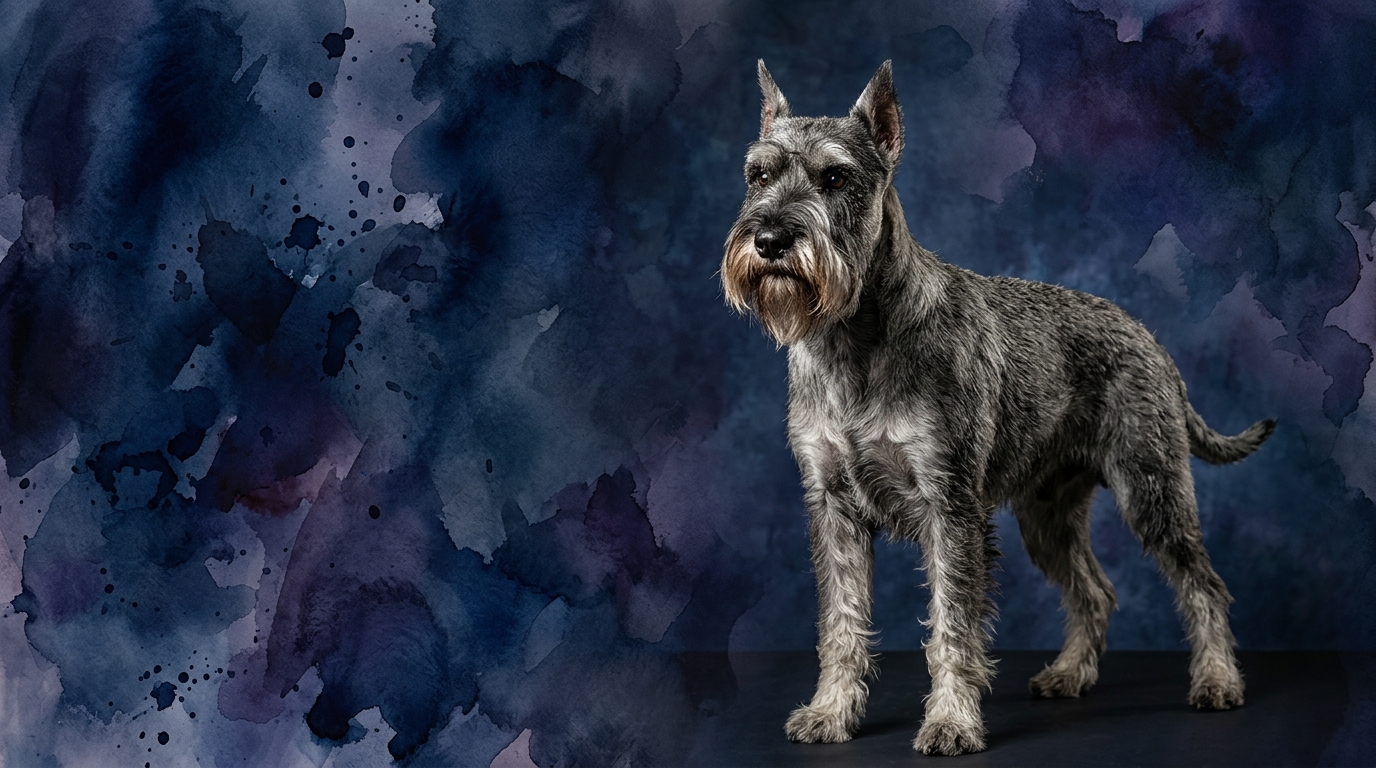
In contrast, the Standard Schnauzer, holding a more prominent Coren rank of #22, exhibits a cognitive makeup geared towards active engagement and rapid learning. Their Problem Solving score of 4/5 highlights their resourcefulness; they are often adept at navigating challenges, figuring out how to access desired items, or understanding environmental cues. This cognitive agility is matched by a Training Speed of 4/5, meaning they typically pick up new commands and routines with impressive speed and enthusiasm. Their Social Intelligence is a solid 3/5, fostering deep loyalty to their family while often maintaining a reserved or protective stance with strangers. A moderate Instinctive Drive of 3/5, stemming from their heritage as versatile farm dogs and ratters, means they enjoy having a purpose and thrive on mental and physical tasks. Crucially, their Memory scores a high 4/5, allowing them to retain a vast repertoire of learned information and experiences over long periods.
Where the English Bulldog Wins Cognitively
The English Bulldog's cognitive strengths are most apparent in their exceptional Social Intelligence, scoring a notable 4/5. While they might not be quick to master complex obedience routines, their ability to tune into the emotional landscape of their human companions is profound. This breed excels at providing comfort and companionship, often sensing and responding to moods with a quiet, reassuring presence. Their cognitive processing, though slower for task-oriented learning, is highly effective for understanding social cues, anticipating routines, and forming deep, stable bonds within the family unit. They are masters of harmonious coexistence, adapting their behavior to the household's rhythm without needing constant mental stimulation. This makes them uniquely suited for roles where emotional support and a steady, predictable presence are valued above intricate problem-solving or rapid task execution. Their cognitive strength lies in their innate ability to be a comforting, emotionally responsive companion, a quality that many owners find invaluable.
Where the Standard Schnauzer Wins Cognitively
The Standard Schnauzer's cognitive profile demonstrates a clear advantage in areas requiring mental agility, quick learning, and retention. Their Problem Solving score of 4/5 means they are not easily stumped by novel situations or environmental puzzles; they possess a keen ability to analyze and react. This combines powerfully with their 4/5 Training Speed, allowing them to grasp new commands and concepts rapidly, often with just a few repetitions. Furthermore, their 4/5 Memory ensures that once a skill is learned, it is retained effectively, enabling them to build a comprehensive behavioral repertoire. Owners can teach them a wide array of tricks, advanced obedience commands, or engage them in complex canine sports, confident in their capacity to learn and remember. This breed’s cognitive prowess makes them exceptional candidates for activities like agility, rally obedience, or even practical tasks where strategic thinking and reliable recall are essential, showcasing a dynamic and adaptable mind.
Training Dynamics: Which is Easier and Why?
When it comes to ease of training, the Standard Schnauzer generally presents a more straightforward experience for owners. Their 4/5 Training Speed means they pick up new commands with impressive efficiency, often displaying an eagerness to learn and please. Coupled with their 4/5 Memory, they retain these lessons well, building upon their knowledge base quickly. This combination allows for progressive training, where owners can introduce more complex tasks and expect relatively swift mastery, making them rewarding partners for those who enjoy structured training sessions and canine activities.
The English Bulldog, on the other hand, requires a different approach. With a 2/5 Training Speed and 2/5 Memory, they demand significant patience and consistency. Their learning process is more deliberate, and they may appear 'stubborn' not out of defiance, but due to their slower cognitive processing and lower intrinsic motivation for complex tasks. Training with a Bulldog often relies heavily on positive reinforcement, high-value treats, and short, engaging sessions to maintain their interest. Owners must be prepared for a slower progression, celebrating small victories and understanding that repetition is key to embedding new behaviors, rather than expecting rapid comprehension.
Matching Breeds to Lifestyles: Active vs. Relaxed Owners
The Standard Schnauzer is an ideal match for active owners who relish engaging their canine companions in various pursuits. Their higher problem-solving aptitude and rapid training speed mean they thrive on mental and physical challenges, from advanced obedience to dog sports like agility or even hiking adventures. Owners who enjoy teaching new skills, exploring new environments, and maintaining a structured routine of engagement will find the Schnauzer a willing and capable partner, satisfied by having a purpose and outlets for their moderate instinctive drive and keen intellect.
Conversely, the English Bulldog is perfectly suited for more relaxed owners who prioritize companionship and comfort over intensive training or high-energy activities. Their preference for a comfortable routine, moderate exercise, and ample cuddle time aligns with a quieter lifestyle. Owners seeking a calm, emotionally attuned presence that doesn't demand constant mental stimulation will find the Bulldog's high social intelligence and lower drive for complex tasks to be a perfect fit. They are content to simply be a part of the family, offering unwavering affection and a steady, predictable presence without the need for extensive intellectual engagement.
The Verdict
Choose an English Bulldog if you prioritize a calm, emotionally attuned companion who thrives on routine, comfort, and affectionate interaction, and you are prepared for patient, reward-based training.
Opt for a Standard Schnauzer if you seek a quick-witted, trainable partner for activities, dog sports, or a working role, and you can provide consistent mental and physical enrichment.
🧠 Find Your Pet's IQ Score
Our Pet IQ Lab assessment covers 25+ tests across 5 cognitive dimensions — personalized to your breed.
Take the Full IQ Test →Frequently Asked Questions
Is the English Bulldog truly difficult to train?
While 'difficult' might be strong, English Bulldogs require a different approach to training due to their 2/5 training speed and memory scores. They respond best to consistent, positive reinforcement with high-value rewards, and owners should expect a slower learning curve compared to breeds with higher cognitive agility. Patience is paramount, and understanding their comfort-seeking nature helps in motivation.
What kind of mental stimulation does a Standard Schnauzer need?
A Standard Schnauzer, with its 4/5 problem-solving and memory scores, thrives on varied mental challenges. This can include puzzle toys, learning new tricks, participating in obedience or agility classes, or engaging in scent work. Regular mental engagement prevents boredom and channels their keen intellect constructively, satisfying their moderate instinctive drive.
Do English Bulldogs have a good memory for their owners?
Absolutely. While their general memory score (2/5) might indicate slower learning for tasks, English Bulldogs certainly retain strong emotional bonds and remember their family members and daily routines. Their high social intelligence (4/5) reinforces their ability to recognize and respond to familiar faces and voices, forming deep, lasting attachments.