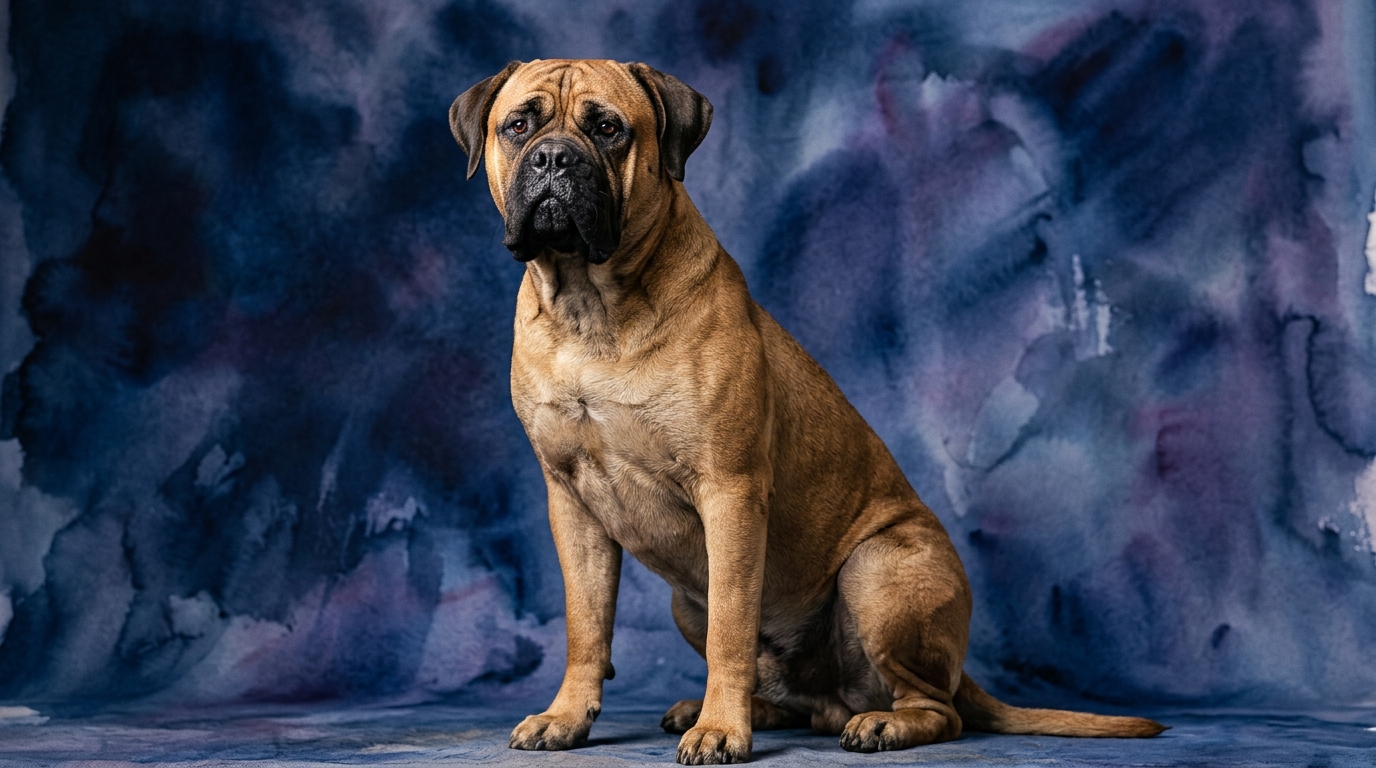
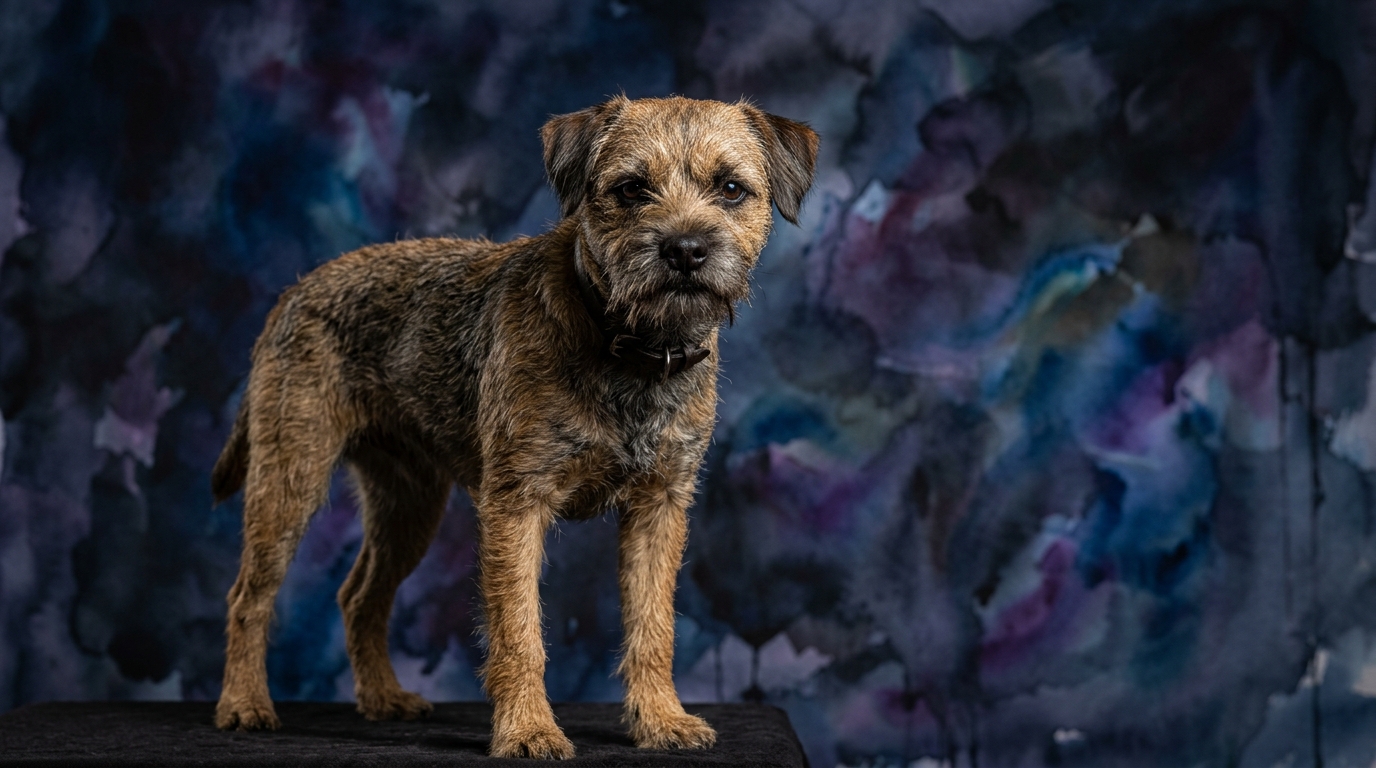
Side-by-Side Cognitive Profiles: Bullmastiff vs. Border Terrier
The Cosmic Pet Pet IQ Lab data provides a granular view into the cognitive makeup of these two distinct breeds, highlighting where their mental strengths lie. We assess five key dimensions: Problem Solving, Training Speed, Social Intelligence, Instinctive Drive, and Memory, each scored on a 1-5 scale. The Coren rank, indicating 'working and obedience intelligence,' also offers a broad comparative measure: the Bullmastiff ranks #69, while the Border Terrier is significantly higher at #30.
For the Bullmastiff, consistency defines its profile, with a solid 3/5 across all five cognitive dimensions. This suggests a steady, deliberate approach to mental tasks. Their Problem Solving at 3/5 indicates they can work through challenges, but perhaps not with lightning speed or complex strategizing. A Training Speed of 3/5 means they are receptive to learning, yet require consistent, patient reinforcement to embed new commands. Their Social Intelligence at 3/5 points to a discerning nature in interactions, not overly boisterous but thoughtful in their engagements. An Instinctive Drive of 3/5 suggests a balanced expression of their inherent guarding tendencies, present but controlled. Finally, their Memory at 3/5 indicates they retain learned information and experiences reliably, forming steady habits.
The Border Terrier presents a more varied cognitive landscape, with several dimensions scoring higher. Their Problem Solving ability shines at 4/5, suggesting a quick wit and a knack for figuring out how to navigate obstacles or achieve goals independently. This is complemented by a Training Speed of 4/5, indicating they grasp new concepts and commands relatively quickly. Their Social Intelligence, like the Bullmastiff, is a balanced 3/5, pointing to an adaptable and generally congenial nature without being overly dependent or aloof. An Instinctive Drive also at 3/5 reflects their terrier heritage, manifesting as a purposeful curiosity and readiness to engage with their environment. Crucially, their Memory scores a robust 4/5, meaning they not only learn fast but also retain that knowledge effectively over time.
Where the Bullmastiff Excels Cognitively
While the Bullmastiff's IQ scores are consistently 3/5, this profile translates into unique cognitive strengths, particularly valuable for their traditional role as a guardian. Their moderate scores across the board suggest a balanced, unruffled, and deliberate cognitive style. Instead of rapid-fire problem-solving, a Bullmastiff often exhibits a measured assessment of situations, prioritizing safety and stability. This steady approach to Problem Solving (3/5) means they are less likely to act impulsively and more likely to consider the implications before reacting, a valuable trait in a protective breed.
The Bullmastiff's Social Intelligence (3/5) shines in its discerning nature. They aren't easily swayed by every new face or situation; rather, they observe and decide who is trustworthy. This leads to a calm, consistent interaction style that can be deeply reassuring for their family. Their Instinctive Drive (3/5) is focused and purposeful, channeled into watchful guardianship rather than a restless need for constant activity, which is a cognitive advantage for a breed designed to be a steadfast presence. Their consistent Memory (3/5) ensures they reliably recall boundaries, routines, and who belongs, contributing to their dependable nature as a family protector and companion, even if they don't learn intricate tricks at top speed.
Where the Border Terrier Outperforms Cognitively
The Border Terrier's cognitive profile showcases clear advantages in areas that emphasize quick thinking, adaptability, and retention. Their Problem Solving score of 4/5 indicates a breed that actively engages with its environment, often figuring out creative solutions to challenges. This might manifest as a clever way to access a favorite toy or a novel approach to navigating a new agility course. This inherent ingenuity makes them engaging companions for owners who appreciate a dog with mental dexterity.
Training Speed, also at 4/5, is a significant win for the Border Terrier. They absorb new commands and behaviors with impressive alacrity, making initial training sessions often more efficient and rewarding. This rapid learning curve extends to complex tasks, allowing them to excel in activities like obedience, rally, or even trick training. Coupled with their superior Memory (4/5), the Border Terrier not only learns quickly but also retains that information exceptionally well, meaning once a behavior is learned, it tends to stick. This robust memory is invaluable for reliable recall and consistent performance of learned tasks, providing a strong foundation for advanced training and a well-adjusted life.
Ease of Training: Behavioral Differences
When it comes to ease of training, the data clearly points to the Border Terrier as the more receptive student. Their Training Speed of 4/5 means they typically pick up on new cues and commands with fewer repetitions compared to the Bullmastiff. This quick uptake, combined with a Memory score of 4/5, ensures that once they learn something, it's generally retained effectively. Border Terriers often thrive on varied training methods, enjoying puzzle toys and problem-solving exercises that leverage their natural cognitive strengths. Their terrier drive, while present (3/5), can be channeled into focused training sessions, making them eager participants.
The Bullmastiff, with a Training Speed of 3/5 and Memory of 3/5, requires a more patient, consistent, and perhaps repetitive approach to training. They are not slow-witted, but rather deliberate learners who process information thoughtfully. This means an owner needs to be prepared for more consistent reinforcement and longer periods to cement new behaviors. Behavioral differences often include a Bullmastiff's tendency to consider commands before executing, rather than responding immediately. Positive reinforcement is crucial for both breeds, but for the Bullmastiff, it helps build confidence and trust, ensuring they understand the 'why' behind the command, which can translate into a deep-seated obedience rather than just rote learning. Expect a Bullmastiff to learn steadily, while a Border Terrier might learn more explosively.
Matching Canine Cognition to Owner Lifestyles
Understanding these cognitive profiles is key to selecting a companion that aligns with an owner's lifestyle expectations. For active owners who enjoy engaging their dogs in various mental and physical challenges, the Border Terrier is a compelling choice. Their 4/5 Problem Solving and 4/5 Training Speed mean they thrive on mental stimulation, enjoying activities like agility, earthdog trials, or advanced obedience. Owners who want a dog to learn tricks quickly, participate in dog sports, or simply enjoy figuring out new puzzles will find the Border Terrier's quick mind and excellent memory a rewarding match. Their moderate Instinctive Drive (3/5) provides a good balance for exploration without being overwhelming, fitting well with owners who enjoy structured outdoor adventures.
Conversely, for more relaxed owners who appreciate a steady, watchful presence and a less demanding cognitive companion, the Bullmastiff is often an ideal fit. Their consistent 3/5 scores across all dimensions suggest a dog that is content with routine and deliberate activities. Owners who prefer consistent companionship, predictable behavior, and a dog that doesn't constantly seek novel mental challenges will find the Bullmastiff's measured cognitive style appealing. While they still benefit from training and engagement, their intellectual fulfillment often comes from their role as a devoted family member and guardian. Their discerning Social Intelligence (3/5) means they are generally calm around trusted individuals, making them suitable for households that appreciate a composed, rather than constantly effervescent, canine presence.
The Verdict
Choose the Bullmastiff if you seek a steady, discerning companion who offers thoughtful guardianship and thrives on consistent routines, valuing a deliberate approach to learning and interaction.
Opt for the Border Terrier if you desire a quick-witted, adaptable partner eager to learn rapidly, excel in problem-solving tasks, and thrive on varied mental challenges and active engagement.
🧠 Find Your Pet's IQ Score
Our Pet IQ Lab assessment covers 25+ tests across 5 cognitive dimensions — personalized to your breed.
Take the Full IQ Test →Frequently Asked Questions
Does a higher Coren rank always mean a 'smarter' dog?
The Coren rank primarily assesses 'working and obedience intelligence,' reflecting how quickly a breed learns and obeys commands. While a higher rank (like the Border Terrier's #30) suggests faster learning in formal settings, it doesn't encompass all aspects of canine cognition, such as emotional intelligence or independent problem-solving in natural environments.
How does 'Instinctive Drive' differ between these two breeds, even with the same score?
While both score 3/5, their instinctive drives manifest differently due to breed purpose. A Bullmastiff's drive is channeled into protection and watchful guardianship, focusing on territory and family. A Border Terrier's drive relates more to hunting and exploring, demonstrating purposeful curiosity and readiness to pursue small prey, often requiring different management techniques.
Can a Bullmastiff learn complex tasks despite its 3/5 training speed?
Absolutely. A 3/5 training speed means the Bullmastiff requires more consistent repetition and patience to learn complex tasks, not that they are incapable. With dedicated, positive reinforcement training, they can master intricate commands, demonstrating their reliable memory and thoughtful approach to learning, even if the process takes longer than with a Border Terrier.