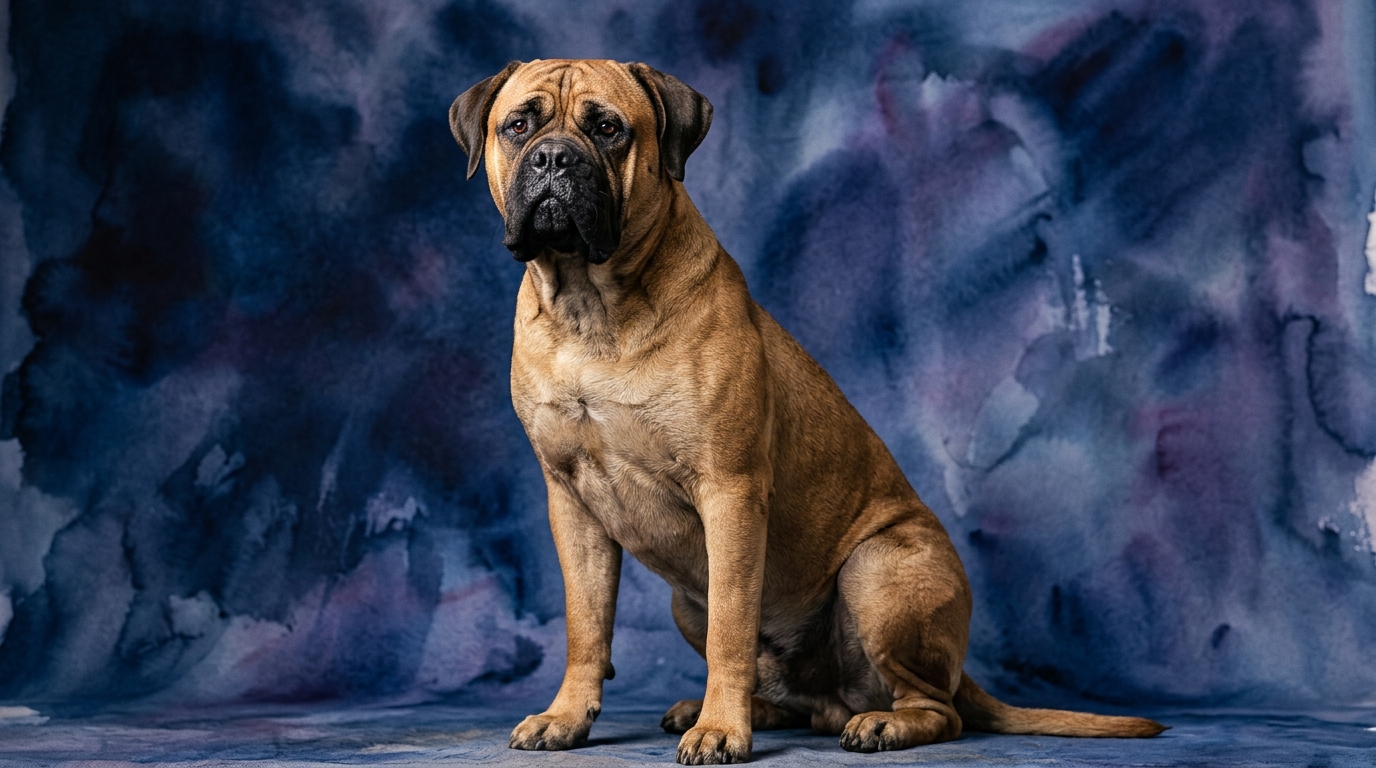
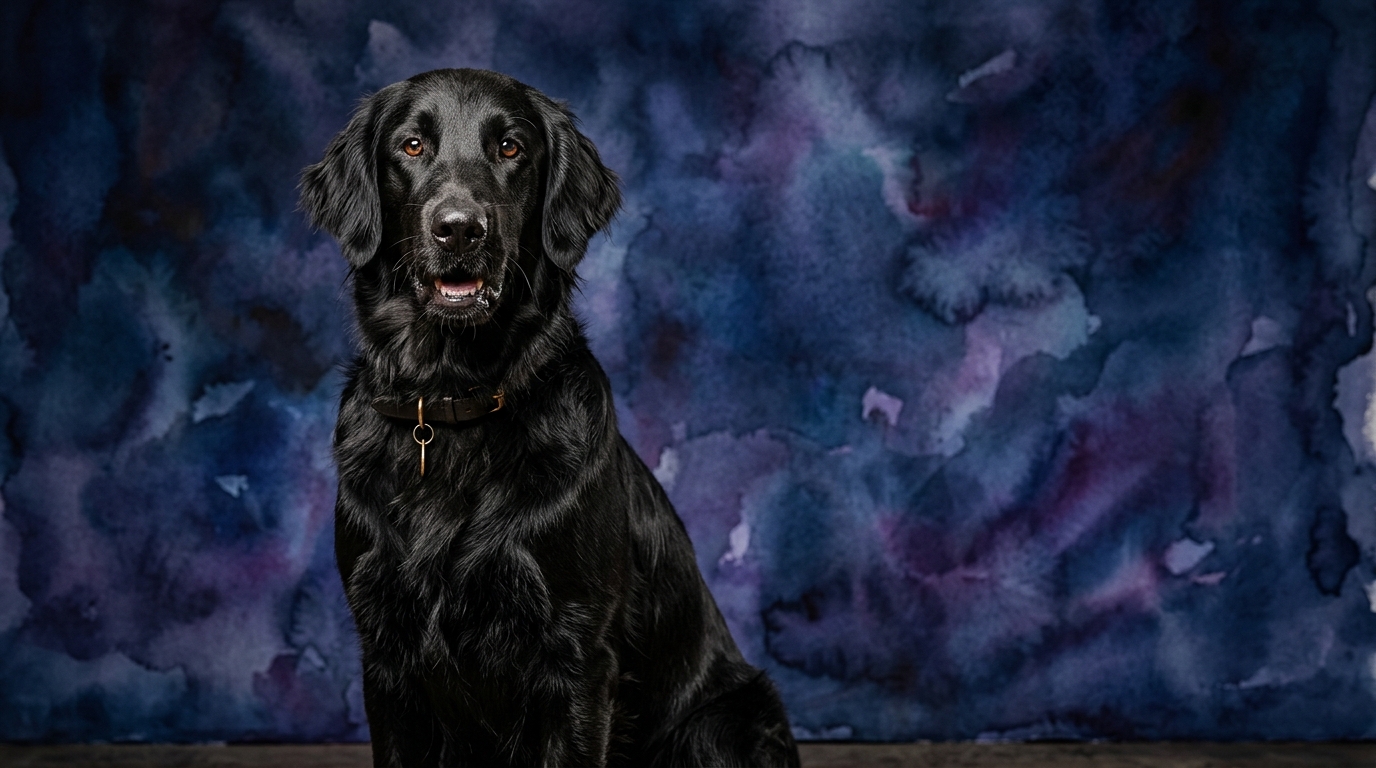
Side-by-Side IQ Profile: Bullmastiff vs. Flat-Coated Retriever
To understand the intellectual landscape of these two breeds, The Cosmic Pet Pet IQ Lab employs a five-dimensional cognitive framework. The Bullmastiff, a member of the Working Group with a Coren rank of #69, demonstrates a deliberate cognitive approach. Its problem Solving is rated 3/5, indicating a capacity for moderately complex tasks, often relying on established patterns or methodical trial-and-error. Training Speed also stands at 3/5; new commands are absorbed steadily, but consistency and patience are key. Social Intelligence is 3/5, reflecting an understanding of family dynamics and a discerning nature, often reserved with strangers. Instinctive Drive, at 3/5, is geared towards protective duties and companionship. Its Memory is 3/5, meaning it retains information adequately but may benefit from periodic refreshers.
In contrast, the Flat-Coated Retriever, a Sporting Group dog with a Coren rank of #17, presents a more agile and eager cognitive profile. Its problem Solving capability is rated 4/5, showcasing a strong aptitude for navigating complex, multi-step scenarios, often involving quick assessment and adaptation. Training Speed is 4/5, signifying a rapid uptake of new commands and concepts, fueled by an inherent desire to engage. Social Intelligence is 3/5, indicating a deep attunement to human emotions and intentions, fostering strong cooperative bonds. Its Instinctive Drive is 3/5, primarily channeled into retrieving and energetic activities. Where it truly shines is in its Memory, earning a perfect 5/5, allowing it to retain a vast repertoire of learned behaviors and experiences over extended periods with remarkable recall.
Where the Bullmastiff Wins Cognitively
The Bullmastiff's cognitive strengths lie in areas demanding discernment, steadfastness, and robust, independent assessment of situations, rather than rapid-fire responses. While its problem-solving (3/5) might not be swift, it reflects a methodical approach to challenges, particularly those involving territory or family security. A Bullmastiff excels at evaluating a situation and making a measured decision, often relying on innate protective wisdom. For instance, assessing a new person entering the home, its social intelligence (3/5) allows it to gauge intent with a calm, watchful demeanor, deciding whether to accept or remain cautiously observant. Its instinctive drive (3/5) is channeled into vigilant guardianship, meaning cognitive resources are dedicated to observational awareness and family safety. This breed's memory (3/5) is particularly effective for remembering routines and the established "normal," making deviations quickly noticed and assessed. This profile makes them exceptional at tasks requiring a stable, unflappable presence and independent judgment within their defined role.
Where the Flat-Coated Retriever Wins Cognitively
The Flat-Coated Retriever's cognitive prowess shines in its ability to rapidly acquire and apply information, coupled with exceptional retention and collaborative engagement. Its problem-solving score of 4/5 indicates a breed that thrives on intellectual challenges, adept at figuring out multi-stage tasks like agility courses or complex puzzle toys. This breed's high training speed (4/5) means it quickly links actions to consequences and understands new cues, making it a joy for owners who teach complex sequences. The Flat-Coated Retriever's phenomenal memory (5/5) is a cornerstone of its cognitive superiority. It can recall a vast array of commands, specific retrieves, and intricate routines learned weeks or months prior, often with minimal refreshers. This robust memory, combined with its social intelligence (3/5) geared towards human interaction, makes it an unparalleled partner in activities requiring consistent, accurate performance and eagerness to work alongside its handler. Its instinctive drive (3/5) is readily channeled into productive, engaging activities.
Which is Easier to Train and Why
When considering ease of training, the Flat-Coated Retriever generally offers a more straightforward and faster experience. Its training speed of 4/5, exceptional memory (5/5), and natural eagerness to please mean it picks up new commands and concepts with remarkable efficiency, thriving on positive reinforcement and varied sessions. Their social intelligence (3/5) fosters cooperative interaction, making them highly responsive to guidance; a Flat-Coated Retriever often anticipates next steps or offers desired behaviors.
The Bullmastiff, with training speed and memory both at 3/5, requires a different approach. They are trainable, but their independent nature means they might ponder rather than instantly comply. Training a Bullmastiff demands consistent, calm, and firm leadership, focusing on clear boundaries and respect. Repetitive drills might bore them, so varied, shorter sessions with high-value rewards work best. Their social intelligence is more about understanding their family place than overt desire for approval, requiring more patience and persistence from the handler.
Which Suits Active Owners vs. Relaxed Owners
The choice between these two breeds often hinges on an owner's lifestyle and capacity for engagement. The Flat-Coated Retriever, with its energetic demeanor and inherent drive (3/5) for activity, is an ideal match for active owners. These dogs require substantial daily exercise—brisk walks, runs, off-leash play—and their high problem-solving (4/5) and training speed (4/5) demand significant mental stimulation. Owners enjoying dog sports like agility or retrieving will find a highly willing partner; a sedentary lifestyle would lead to frustration.
Conversely, the Bullmastiff is generally better suited for more relaxed owners, provided they offer consistent, firm leadership and adequate socialization. While they need regular, moderate exercise, their energy levels are considerably lower. A Bullmastiff is often content with daily walks and lounging near its family. Their instinctive drive (3/5) is primarily directed towards watchful companionship and protection, making them less inclined to constantly seek high-octane activities. Owners appreciating a calm, steadfast presence and prepared to manage a large dog will find the Bullmastiff a rewarding companion.
The Verdict
Choose the Bullmastiff if you desire a steadfast, protective companion who thrives on a calm, structured routine and benefits from a patient, firm leader, offering deep loyalty without demanding constant high-level mental or physical engagement.
Opt for the Flat-Coated Retriever if you are an active individual or family seeking an energetic, highly trainable partner eager for collaborative activities, requiring consistent mental and physical stimulation, and thriving with an owner who enjoys complex training and dog sports.
🧠 Find Your Pet's IQ Score
Our Pet IQ Lab assessment covers 25+ tests across 5 cognitive dimensions — personalized to your breed.
Take the Full IQ Test →Frequently Asked Questions
Are Bullmastiffs difficult to train?
Bullmastiffs are not inherently difficult, but their independent nature and moderate training speed mean they require consistent, patient, and firm guidance. They respond best to positive reinforcement and clear boundaries, rather than repetitive drills, to solidify learned behaviors.
What kind of mental stimulation does a Flat-Coated Retriever need?
Flat-Coated Retrievers thrive on varied mental challenges such as puzzle toys, scent work, obedience training, and learning new tricks. Their exceptional memory and eagerness to learn make them suitable for advanced training and dog sports that engage both body and mind.
How do their protective instincts differ?
The Bullmastiff's protective instinct is often expressed through watchful vigilance and a deterrent presence, acting as a natural guardian who assesses threats deliberately. The Flat-Coated Retriever, while alert and good at sounding an alarm, typically exhibits a more welcoming demeanor, with any protective tendencies usually manifesting as an an alert bark rather than a confrontational stance.