Side-by-Side IQ Profile: Gentle Guardian vs. Spirited Terrier
At first glance, the Bullmastiff and Norwich Terrier appear to occupy opposite ends of the canine spectrum in terms of physical presence and historical roles. Yet, when we delve into their cognitive dimensions as assessed by The Cosmic Pet Pet IQ Lab, both breeds consistently score a 3 out of 5 across all five key metrics: Problem Solving, Training Speed, Social Intelligence, Instinctive Drive, and Memory. This parity in raw scores doesn't imply identical minds, but rather that their intellectual strengths and approaches are equally balanced, albeit expressed through distinct breed-specific lenses.
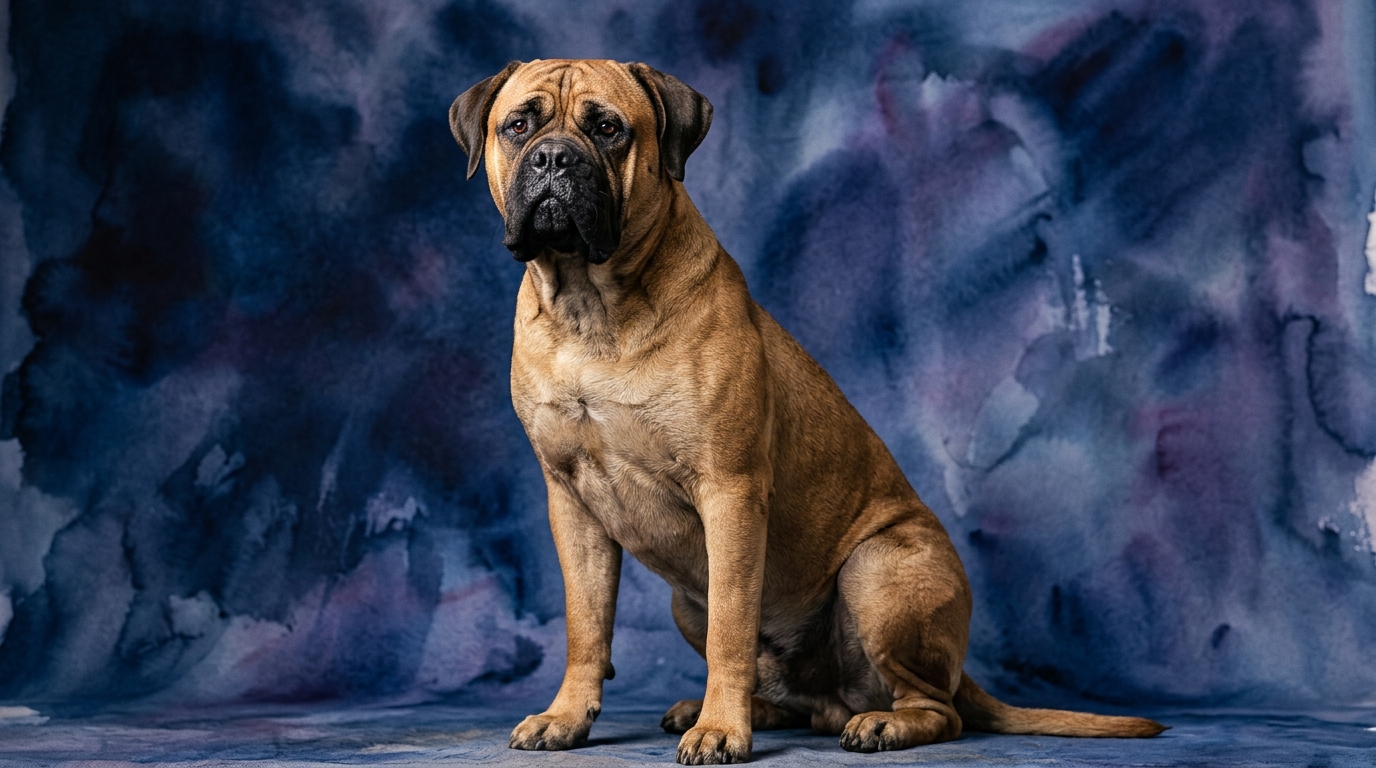
The Bullmastiff, a dog of the Working group, approaches Problem Solving (3/5) with a deliberate, often watchful methodology. They are not prone to impulsive reactions, preferring to assess situations before acting, which stems from their heritage as estate guardians. Their Training Speed (3/5) suggests a need for consistent, patient instruction; while they grasp concepts, their independent streak and thoughtful nature mean they require motivation and clear purpose. In Social Intelligence (3/5), Bullmastiffs are discerning, forming deep bonds with their immediate family and often reserving their full trust for a select few, displaying a protective yet gentle demeanor. Their Instinctive Drive (3/5) is primarily centered on guardianship and territorial awareness, with a notably lower prey drive compared to many breeds. Bullmastiff Memory (3/5) is robust for routines, familiar people, and established boundaries, making them creatures of habit who remember both positive and negative experiences.
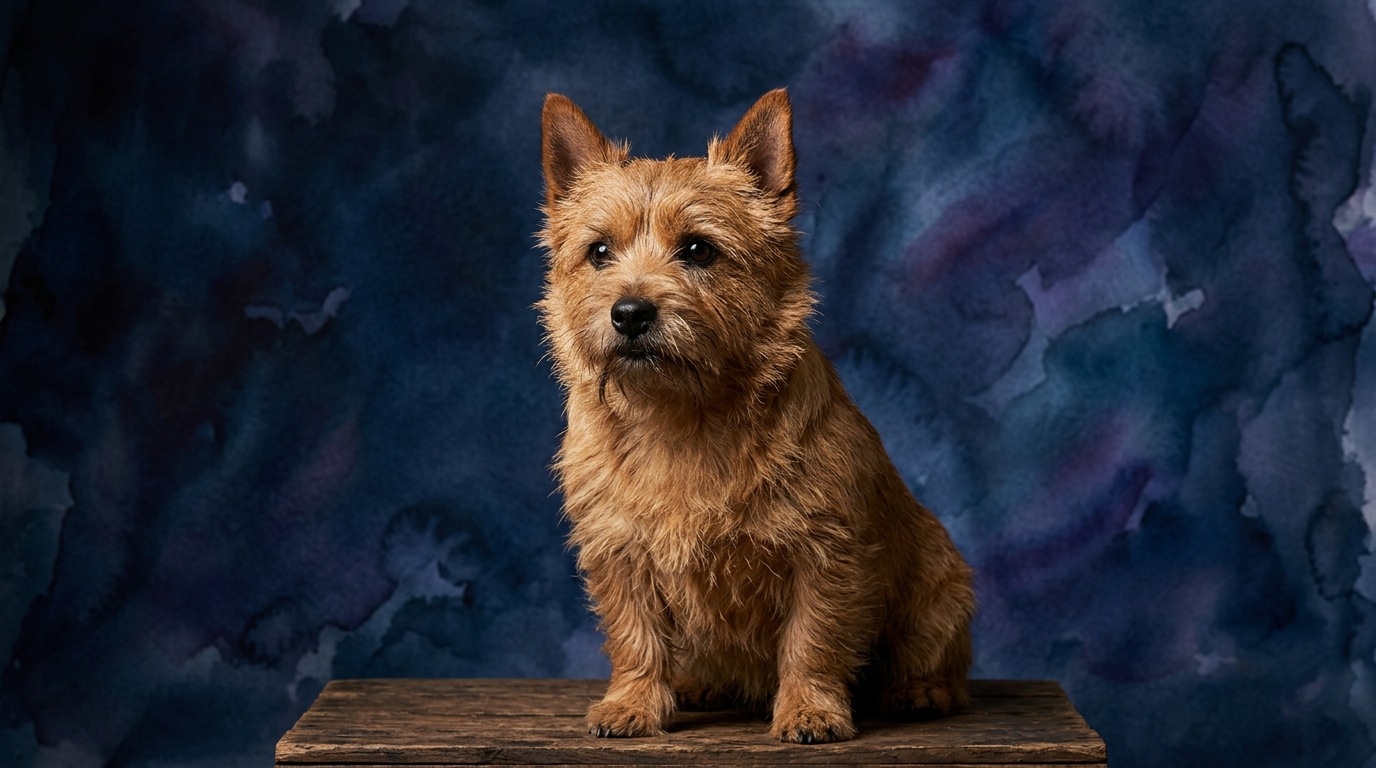
In contrast, the Norwich Terrier, a member of the Terrier group, tackles Problem Solving (3/5) with characteristic terrier tenacity and resourcefulness. Faced with a challenge, they are more likely to experiment and persist until a solution is found, reflecting their vermin-hunting past. Their Training Speed (3/5) indicates they learn quickly, but their independent spirit often means they will weigh a command against their own immediate interests, sometimes requiring creative engagement to maintain focus. Norwich Terriers exhibit Social Intelligence (3/5) through their outgoing and adaptable nature, generally interacting well with various individuals and often displaying a charming, confident assertiveness. Their Instinctive Drive (3/5) is notably high, particularly for hunting and exploring, demonstrating a keen desire to chase and investigate. Norwich Terrier Memory (3/5) is excellent for recalling commands, preferred routes, and the whereabouts of favorite toys or potential 'prey' spots, often remembering specific details of past adventures.
Where the Bullmastiff Wins Cognitively
The Bullmastiff's cognitive strengths often manifest in scenarios demanding measured judgment and steadfast loyalty. Their 3/5 in Problem Solving, combined with their guardian instincts, makes them particularly adept at assessing potential threats or unusual situations with a calm, watchful demeanor rather than immediate agitation. This deliberate processing means they excel in roles requiring a steady presence and a nuanced understanding of social dynamics within their established 'pack.' For instance, a Bullmastiff might interpret subtle shifts in a stranger's body language or an unfamiliar sound with a thoughtful pause, deciding whether to alert or simply observe, a form of cognitive discretion that surpasses the Norwich Terrier's more impulsive investigative approach. Their social intelligence, while not overtly effusive, allows for a deep, intuitive understanding of their family's emotional states, offering comfort or protection with an almost silent comprehension.
Where the Norwich Terrier Wins Cognitively
Conversely, the Norwich Terrier's cognitive advantages shine in situations demanding quick wit, adaptability, and persistent focus on a task. Their 3/5 in Problem Solving is characterized by a tenacious, trial-and-error approach, making them excellent at navigating novel environments or figuring out intricate puzzle toys. This resourcefulness, honed by generations of independent hunting, allows them to think on their feet and improvise solutions to immediate challenges more readily than the methodical Bullmastiff. Their keen memory for specific locations and pathways, coupled with their high instinctive drive, enables them to excel in activities like scent work or agility, where rapid processing and recall of complex sequences are beneficial. They possess a remarkable ability to adapt to new routines or travel scenarios, often embracing change with an enthusiastic, problem-solving attitude that contrasts with the Bullmastiff's preference for established patterns.
Which is Easier to Train and Why
While both breeds score 3/5 in Training Speed, the *experience* of training them can differ significantly due to their inherent temperaments and drives. The Bullmastiff, with its deliberate nature and inclination towards guarding, requires a trainer who understands the value of patience and positive reinforcement. They need to understand the 'why' behind a command and thrive on consistency; repetition is key, and harsh methods are counterproductive, potentially leading to stubbornness. Their lower instinctive drive, particularly prey drive, means fewer external distractions when working on obedience in a controlled environment, but their sheer size and thoughtful processing mean that quick, complex sequences might take more time to solidify. They are looking for partnership and a clear, calm leader.
The Norwich Terrier, on the other hand, learns commands swiftly but often challenges a trainer with its independent streak and high instinctive drive. Their problem-solving tenacity can translate into a refusal to comply if they see a more interesting alternative, such as a squirrel or a scent trail. Training a Norwich often involves making lessons highly engaging, fun, and varied to capture their attention and outwit their independent spirit. While they pick up new behaviors rapidly, maintaining consistent, enthusiastic compliance, especially in distracting environments, can be the true test. A trainer must be more creative in channeling their energy and drive, transforming potential distractions into opportunities for engagement, rather than simply expecting calm, methodical adherence.
Which Suits Active Owners vs. Relaxed Owners
The Bullmastiff, despite its impressive stature, generally suits more relaxed owners who appreciate a calm, watchful companion. Their exercise needs are moderate; consistent walks and opportunities for mental stimulation through training or interactive toys are important, but they are not built for endurance activities. A Bullmastiff thrives in a home where their primary role is that of a family guardian and companion, enjoying quiet evenings and predictable routines. Their cognitive profile, emphasizing deliberate processing and deep social bonds, aligns well with an owner who values a thoughtful, steady presence and is prepared to invest in consistent, low-key mental engagement.
The Norwich Terrier is a better match for active owners who can provide ample opportunities for mental and physical stimulation. Their high instinctive drive and tenacious problem-solving mean they require regular outlets for exploration, chasing, and engaging their clever minds. Daily brisk walks, play sessions, and participation in dog sports like agility or earthdog trials can help channel their energy constructively. An owner who enjoys an adventurous, curious companion and is prepared for a dog that will actively seek out engagement and challenge its environment will find the Norwich Terrier a delightful partner. Their cognitive makeup demands an owner who can keep pace with their quick thinking and spirited approach to life.
The Verdict: Choosing Your Canine Companion
The Verdict
Choose a Bullmastiff if you seek a calm, thoughtful guardian with a deep, discerning social intelligence, appreciating a steady presence over high-octane activity and able to provide consistent, patient guidance.
Opt for a Norwich Terrier if you desire a spirited, tenacious companion that thrives on mental and physical engagement, valuing quick problem-solving and an independent, adaptable nature in an active household.
🧠 Find Your Pet's IQ Score
Our Pet IQ Lab assessment covers 25+ tests across 5 cognitive dimensions — personalized to your breed.
Take the Full IQ Test →Frequently Asked Questions
Do Bullmastiffs or Norwich Terriers require more mental stimulation?
Both breeds benefit from mental stimulation, but the *type* differs. Bullmastiffs need engagement that aligns with their deliberate nature, like puzzle toys or scent games, while Norwich Terriers thrive on varied, active challenges that tap into their high drive and quick problem-solving.
Are Bullmastiffs prone to stubbornness during training?
Bullmastiffs can exhibit a thoughtful independence that some might interpret as stubbornness. They respond best to positive reinforcement, clear communication, and understanding the purpose of a command, rather than rote obedience.
How does the Norwich Terrier's high instinctive drive impact its behavior?
A Norwich Terrier's high instinctive drive means they possess a strong urge to explore, chase, and dig. This can manifest as excellent motivation for training activities like scent work, but also requires consistent management to prevent unwanted behaviors like chasing small animals or excessive digging.