Side-by-Side Cognitive Profiles: Decoding the 3/5 Score
At first glance, both the Bullmastiff and the Saluki share a remarkably consistent rating of 3 out of 5 across all five cognitive dimensions in The Cosmic Pet Pet IQ Lab. However, these identical scores belie distinct underlying cognitive styles shaped by their breed histories and purposes. A 3/5 score for a Bullmastiff means something quite different in practical application than for a Saluki, reflecting how their minds are wired to excel in specific, often contrasting, roles.
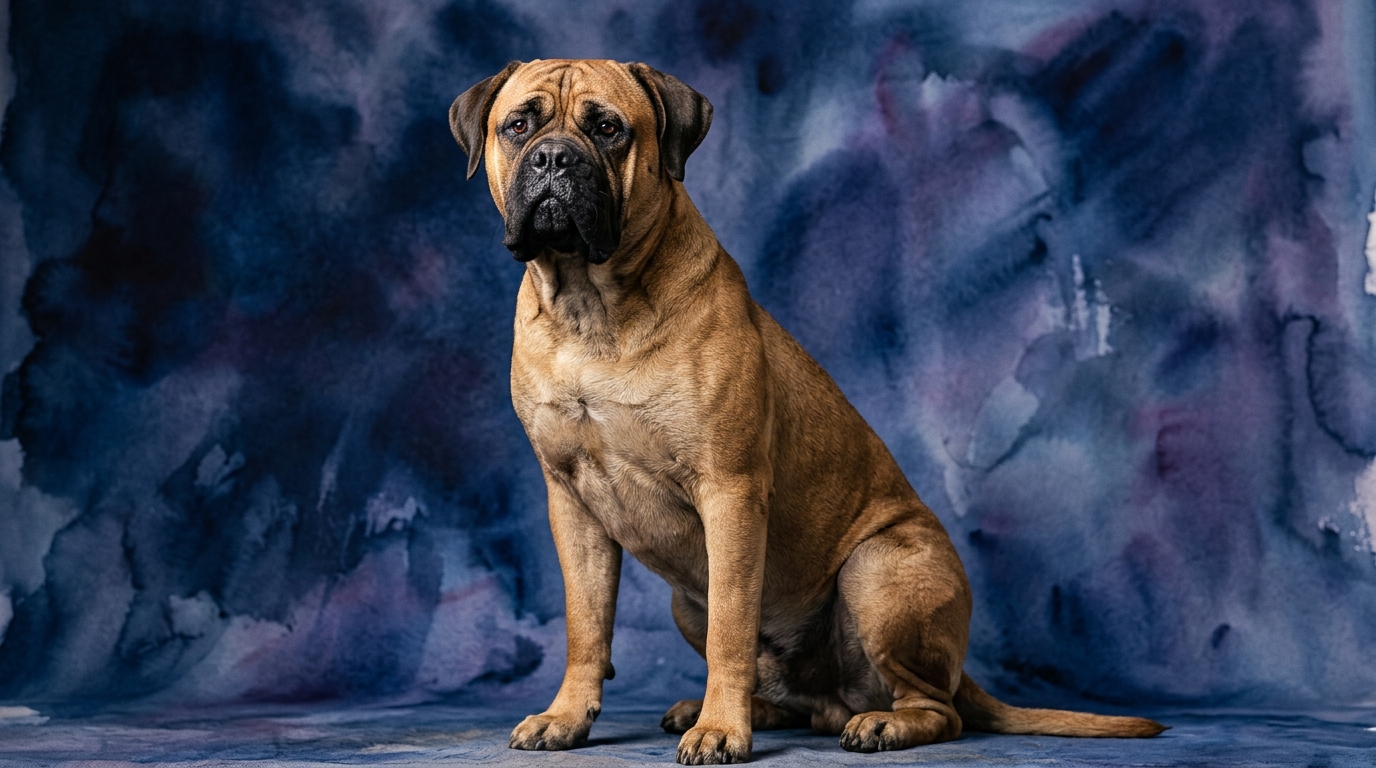
For the **Bullmastiff**, a breed ranked #69 by Coren, its 3/5 in Problem Solving typically involves assessing situations for threats, discerning friend from foe, and navigating complex social dynamics within a family unit. Their solutions often revolve around protection and order, requiring a deliberate, thoughtful approach rather than impulsive action. Their 3/5 Training Speed indicates a dog that learns reliably, but often requires clear, consistent, and patient instruction, sometimes questioning the 'why' before complying, reflecting their independent guardian nature. Social Intelligence at 3/5 means they are highly attuned to their family's emotions and intentions, often reserved with strangers but deeply connected to their inner circle, reading subtle cues and acting as silent sentinels. Their Instinctive Drive, also 3/5, is strongly rooted in territorial protection and guardianship, manifesting as a deep-seated desire to defend their home and people. Finally, a 3/5 Memory allows them to retain complex routines, remember specific people (both welcomed and unwelcome), and recall past experiences that inform their protective behaviors.
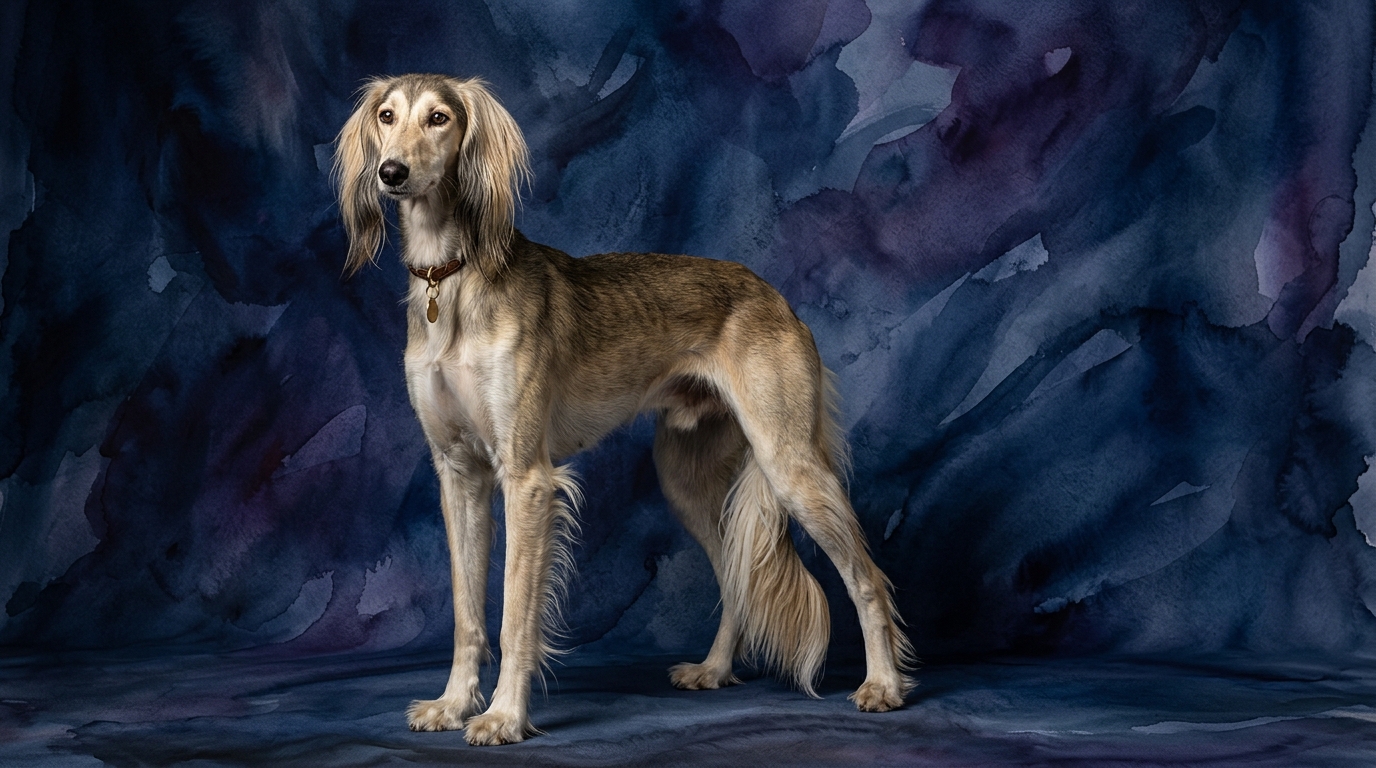
The **Saluki**, unranked by Coren but with a profound history as a sighthound, interprets these 3/5 scores through the lens of independent hunting. Their 3/5 Problem Solving primarily manifests as quick, on-the-spot decisions in pursuit of prey, navigating varied terrain, and finding optimal paths during a chase, rather than human-centric puzzles. Their 3/5 Training Speed suggests they are capable of learning, but their strong prey drive and independent spirit mean they often choose to follow their instincts over human commands, making them less inclined towards repetitive obedience. Social Intelligence at 3/5 for a Saluki often translates to a reserved demeanor, forming deep, often singular bonds with their primary human, and being exquisitely sensitive to the nuances of their environment and the subtle body language of their chosen companions. Their Instinctive Drive, a powerful 3/5, is almost entirely focused on the chase; sight of movement triggers an immediate, almost unstoppable, urge to pursue. Lastly, their 3/5 Memory is highly effective for recalling hunting grounds, previous successful chase routes, and the location of familiar resources, rather than intricate human-devised tasks.
Where the Bullmastiff's Cognition Shines
The Bullmastiff's specific cognitive architecture gives it an edge in discerning complex social cues and acting as a thoughtful, albeit imposing, family guardian. Their 3/5 in social intelligence, combined with their problem-solving abilities, allows them to accurately assess intentions and situations, making them excellent at determining when to be vigilant and when to relax. This nuanced understanding of their environment and human dynamics means they excel in roles requiring steady judgment and a protective presence. They are adept at understanding household rules and routines, often anticipating commands or needs based on established patterns, a testament to their practical memory and problem-solving applied to domestic life.
Where the Saluki's Cognition Excels
The Saluki's cognitive strengths are profoundly tied to its sighthound heritage, particularly in independent problem-solving and memory within expansive environments. Their 3/5 in problem-solving shines when navigating open spaces, strategizing during a chase, or finding optimal routes to intercept fast-moving targets. This requires rapid assessment and decisive action without direct human intervention. Their memory is exceptional for environmental details—recalling the layout of a park, the location of a rabbit hole, or optimal running paths. This spatial and situational memory, coupled with their intense instinctive drive, makes them unparalleled in tasks requiring autonomous action and swift, precise execution in pursuit.
Training Dynamics: Bullmastiff vs. Saluki
When it comes to trainability, the practical differences between these two breeds become quite apparent. The Bullmastiff, with its 3/5 training speed, can be a willing student once it understands the purpose of a command and respects its handler. They respond best to a confident, consistent leader who uses positive reinforcement and clear boundaries. While they might have moments of stubbornness, particularly if they don't see the immediate utility of a task, their desire to please their family and maintain order usually leads to reliable obedience over time. Their protective instincts mean they are often receptive to specific guard dog training, which leverages their natural drives.
The Saluki, also rated 3/5 in training speed, presents a different challenge. Their independent nature and overwhelming prey drive mean that traditional obedience, especially repetitive drills, can be a struggle. They are not dogs that live to please in the same way many working breeds do; they are driven by instinct and self-interest, particularly the thrill of the chase. Training a Saluki requires immense patience, creativity, and a deep understanding of their sighthound motivations. Off-leash reliability is often difficult due to their powerful instinctive drive to pursue anything that moves, making a secure, fenced area essential for their exercise. They learn quickly if they perceive value in the command, especially if it's related to their natural inclinations, but their attention can be easily diverted by environmental stimuli.
Matching Breeds to Lifestyles: Active vs. Relaxed Owners
The Bullmastiff generally suits more relaxed owners, or those seeking a moderate activity level. While they require daily walks and mental engagement to prevent boredom, they are not typically high-energy dogs that need hours of intense exercise. They are content to be close to their family, often enjoying quiet evenings indoors after a good stroll. Their protective nature means they thrive with owners who can provide consistent leadership and integrate them fully into family life, offering them a clear role as a companion and guardian. They are not suited for owners who cannot handle a large, strong dog or who prefer a breed that requires minimal training.
The Saluki, conversely, is best suited for active owners who understand and can accommodate their profound need to run. Their high instinctive drive demands regular opportunities for full-speed sprinting in a safe, securely fenced environment. They are not typically content with simple leashed walks; their bodies and minds are built for exhilarating bursts of speed. Owners who appreciate their independent spirit, can provide ample exercise, and are prepared for the challenges of managing a powerful prey drive will find a devoted, if sometimes aloof, companion. They are not ideal for sedentary lifestyles or for owners who expect a highly obedient, "always-on" companion dog.
The Verdict
Choose the Bullmastiff if you seek a loyal, discerning guardian with a thoughtful disposition, content with moderate activity and a strong family bond.
Opt for the Saluki if you are an active owner who can provide ample opportunities for their incredible running prowess and appreciate an independent, elegant sighthound companion.
🧠 Find Your Pet's IQ Score
Our Pet IQ Lab assessment covers 25+ tests across 5 cognitive dimensions — personalized to your breed.
Take the Full IQ Test →Frequently Asked Questions
Do Bullmastiffs make good family pets?
Yes, Bullmastiffs are known for being devoted and gentle family companions, especially with children, provided they receive proper socialization and training from a young age. Their protective instincts make them excellent guardians of their home and family.
Are Salukis difficult to train?
Salukis can be challenging to train due to their independent nature and strong prey drive, making them less inclined towards traditional obedience. They require patient, consistent training with positive reinforcement, and often prefer activities that engage their natural sighthound instincts.
Which breed needs more exercise?
The Saluki definitively needs more intense exercise, specifically regular opportunities to run at full speed in a secure area, due to their sighthound heritage. Bullmastiffs require moderate daily exercise but are generally less demanding in terms of high-intensity physical activity.