Side-by-Side IQ Profile: Bullmastiff vs. Staffordshire Bull Terrier
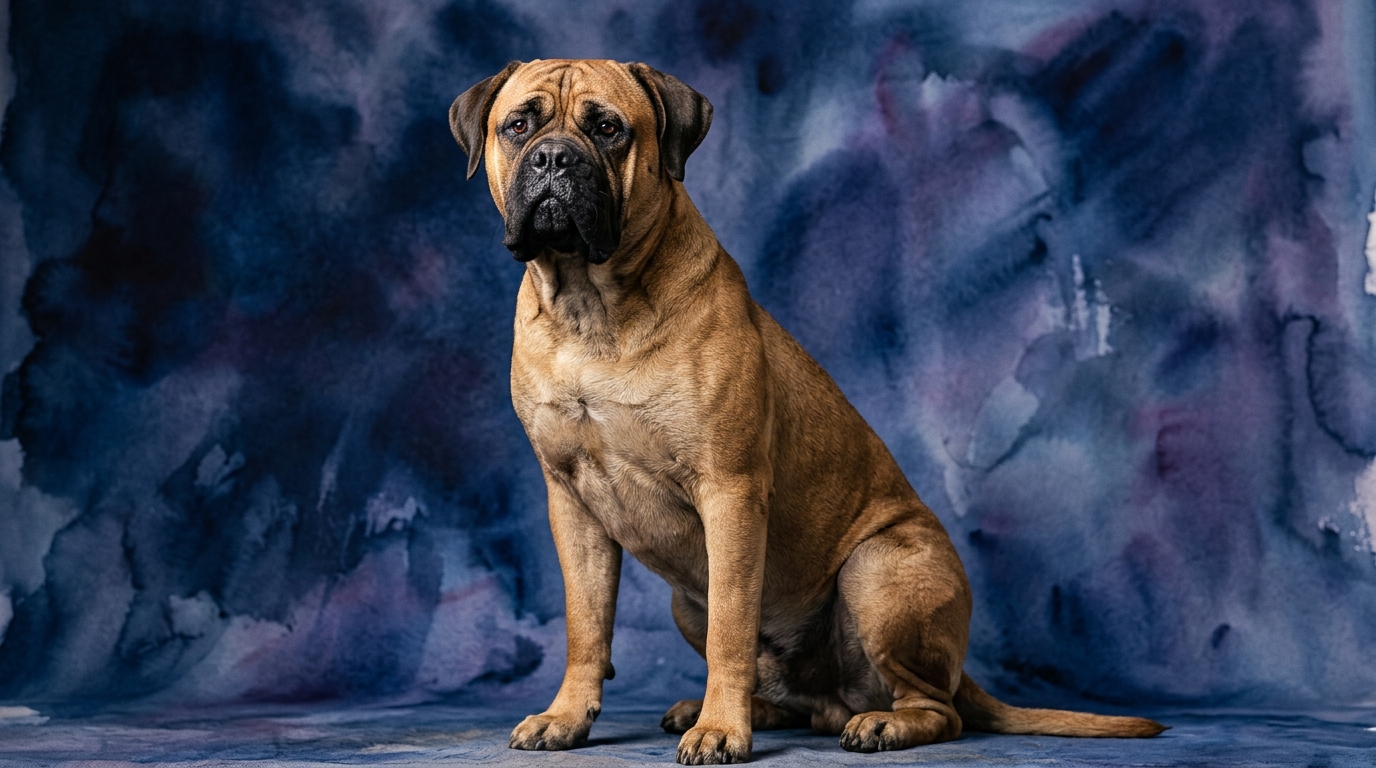
At first glance, the Bullmastiff and the Staffordshire Bull Terrier appear to share identical cognitive scores across five key dimensions, each rated 3/5. However, these identical numbers mask profoundly different expressions of intelligence, shaped by their distinct histories and breed purposes. The Bullmastiff, a majestic working breed, was developed for guarding estates and tracking poachers, tasks demanding a calm, discerning intellect and immense physical presence. Its cognitive strengths lie in observation, protection, and a steadfast loyalty that influences its learning style.
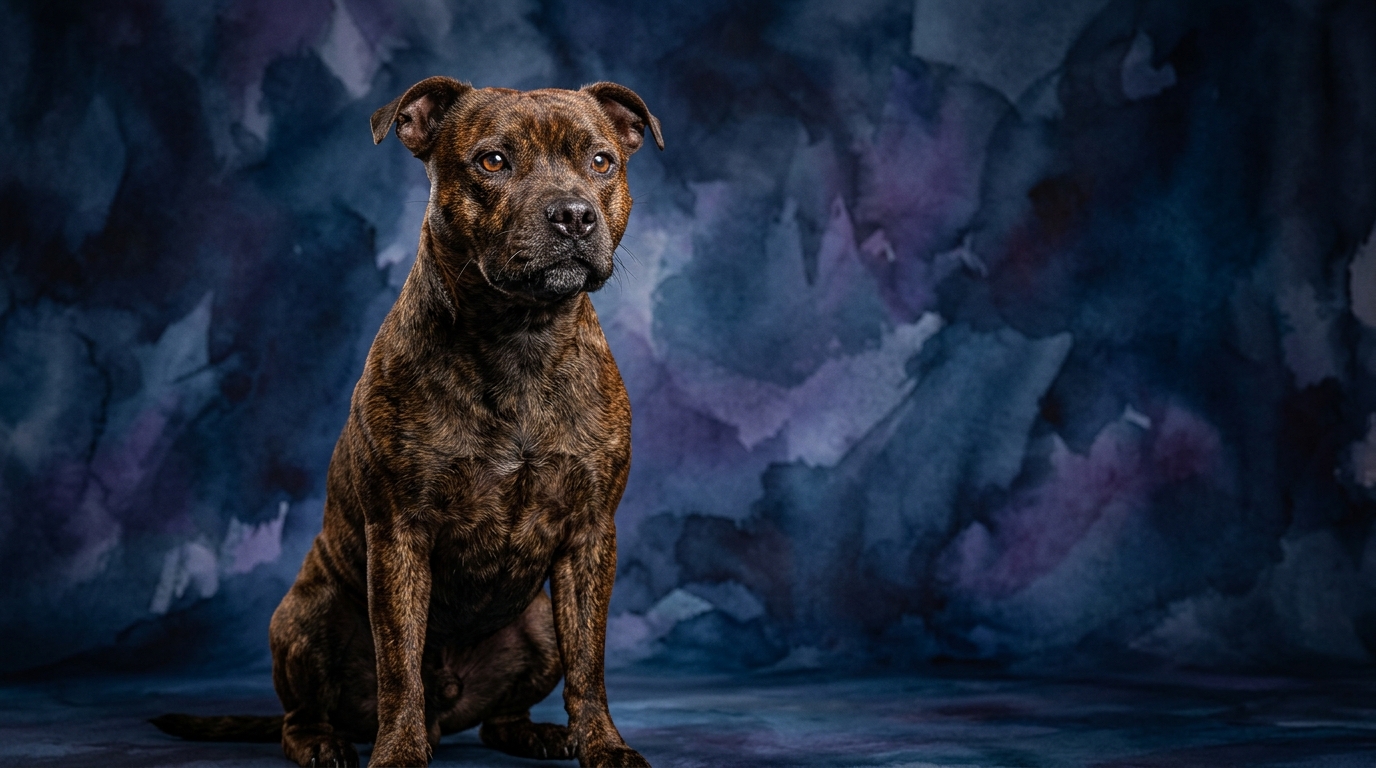
The Staffordshire Bull Terrier, conversely, hails from the Terrier group, bred for agility, gameness, and companionship. This background cultivates a quick-thinking, tenacious, and highly people-oriented intelligence. Where a Bullmastiff's 3/5 might reflect deliberate assessment, a Staffy's 3/5 often signifies energetic adaptability and spirited engagement. Let's unpack what each dimension means for these two unique breeds.
For the Bullmastiff, Problem Solving (3/5) often manifests as a measured, deliberate assessment of their environment, particularly when their guarding instincts are activated. They aren't impulsive but rather take time to process situations, especially those involving perceived threats or changes to their routine. Their Training Speed (3/5) indicates they are capable learners, but they require patience and consistency; they prefer to understand the 'why' behind a command and may deliberate before complying. Social Intelligence (3/5) in a Bullmastiff is typically expressed through a keen ability to discern intentions, recognizing trusted family members versus strangers, and responding with appropriate protective behavior. Their Instinctive Drive (3/5) is primarily centered on guarding and protecting their family and territory, demonstrating a strong, unwavering presence. Memory (3/5) for a Bullmastiff is robust for routines, familiar people, and places, particularly those associated with their sense of security and belonging.
The Staffordshire Bull Terrier's Problem Solving (3/5) is characterized by a tenacious and resourceful approach, often involving physical dexterity to overcome obstacles, such as figuring out how to retrieve a toy from a challenging spot or navigating complex play scenarios. Their Training Speed (3/5) is marked by enthusiasm and eagerness to please, making them quick to pick up new commands when engaged, though their terrier stubbornness or distractibility can sometimes slow consistent recall. Social Intelligence (3/5) for a Staffy shines in their deep emotional connection with humans, showing an exceptional ability to read and respond to family members' moods, often seeking close physical contact and interaction. Their Instinctive Drive (3/5) is expressed through a strong desire for interaction, play, and a persistent drive to engage with their environment, sometimes coupled with a prey drive for smaller animals. Memory (3/5) in a Staffy is excellent for play patterns, human interactions, and positive reinforcement cues, quickly associating actions with rewarding outcomes.
Where the Bullmastiff Wins Cognitively
The Bullmastiff's cognitive strengths truly emerge in scenarios demanding calm, authoritative discernment and unwavering steadfastness. Their 3/5 in social intelligence allows for a nuanced reading of human intentions, making them exceptional at identifying genuine threats versus benign visitors, a critical skill for their historical role as guardians. This isn't about quick, reactive judgments, but rather a slow, deliberate assessment that prioritizes the safety of their family. Their memory, also a 3/5, excels in retaining established routines and understanding the boundaries of their territory, contributing to their reliable and predictable protective behavior.
Furthermore, their problem-solving, while not rapid, is often more profound in tasks requiring strategic patience. For instance, a Bullmastiff might 'win' in a situation where a potential intruder needs to be deterred through presence and calm assessment rather than immediate, frantic action. They are less likely to be fooled by superficial distractions, relying instead on a comprehensive evaluation of the situation. This deliberate processing means that once a Bullmastiff has learned a command or understood a boundary, it is often deeply ingrained and consistently applied, reflecting a cognitive style that values thoroughness over speed.
Where the Staffordshire Bull Terrier Wins Cognitively
The Staffordshire Bull Terrier excels in areas requiring quick mental and physical agility, coupled with an intense desire for engagement. Their 3/5 in problem-solving manifests as a resourceful and often physically agile approach to challenges, whether it's figuring out how to get to a favorite toy or navigating a new agility course. They demonstrate a tenacious spirit, repeatedly trying different angles until a solution is found, a characteristic deeply rooted in their terrier heritage. This makes them particularly adept at dynamic, interactive games and tasks that require adaptability.
Their social intelligence, also a 3/5, is profoundly expressed through their exceptional ability to connect emotionally with people, making them incredibly responsive to human moods and cues. A Staffy will often 'win' in situations demanding immediate emotional reciprocity or playful interaction, quickly adapting their behavior to match the family's energy. Their training speed, while potentially hampered by enthusiasm, allows them to grasp new concepts rapidly when motivated by positive reinforcement and fun. They are quick to associate actions with rewards, making them excellent candidates for advanced trick training or canine sports that capitalize on their zest for life and engagement.
Which Is Easier to Train and Why?
When considering ease of training, the distinction isn't about raw cognitive capacity, but rather the style of intelligence and inherent motivations of each breed. The Staffordshire Bull Terrier, with its enthusiastic nature and strong desire to please its human companions, often appears easier to train in the initial stages. Their eagerness for interaction and play means they respond well to positive reinforcement methods, quickly associating commands with rewards and praise. However, their terrier tenacity and potential for distractibility mean that consistency and engaging training sessions are crucial to maintain their focus and prevent stubbornness from taking root. They thrive on variety and fun, and a bored Staffy can quickly lose interest or find their own 'entertainment'.
The Bullmastiff, on the other hand, may present a different training challenge. Their 3/5 in training speed indicates they are capable of learning, but their deliberate nature means they often take longer to process and internalize commands. They are not as driven by immediate gratification or exuberant play as the Staffy. Instead, a Bullmastiff responds best to calm, patient, and consistent training that establishes clear boundaries and relies on their loyalty and desire to understand their role within the family. They may seem slower to respond because they are 'thinking it through,' rather than reacting instantly. Once a Bullmastiff truly understands a command and trusts their handler, their reliability can be exceptional due to their steady temperament and strong memory for established routines. Therefore, while a Staffy might pick up basic commands faster, a Bullmastiff, with the right approach, can become an incredibly reliable and steady companion, albeit on a longer timeline.
Which Suits Active Owners vs. Relaxed Owners?
The energy levels and inherent drives of these two breeds create a clear distinction in which type of owner they suit best. The Staffordshire Bull Terrier is an ideal companion for active owners who relish daily engagement and physical activity. Their 3/5 instinctive drive translates into a need for regular, vigorous exercise, including long walks, runs, or engaging play sessions. A Staffy thrives on mental stimulation through training, puzzle toys, and interactive games, and without sufficient outlets for their energy and intelligence, they can become bored, potentially leading to destructive behaviors or excessive vocalization. They are dogs that want to be involved in their family's activities, making them excellent partners for hiking, jogging, or canine sports.
Conversely, the Bullmastiff is far better suited for more relaxed owners. While they certainly benefit from regular, moderate exercise—such as leisurely walks—they are not high-energy dogs. Their 3/5 instinctive drive is expressed more through a watchful, protective presence than a need for constant physical exertion. Bullmastiffs are content to spend much of their time observing their surroundings, often preferring to lounge near their family members. They appreciate a calm household environment and are not typically suited for owners seeking a running or agility partner. Their cognitive strengths are best utilized in a home where their deliberate decision-making and strong social intelligence can contribute to a peaceful, secure family dynamic, rather than one demanding constant physical output.
The Verdict
Choose a Bullmastiff if you value a calm, deliberate companion with a steady protective instinct and prefer a more relaxed lifestyle, appreciating their measured intelligence and deep loyalty. They are ideal for owners who can provide consistent, patient training and a secure environment.
Opt for a Staffordshire Bull Terrier if you are an active owner seeking an energetic, highly interactive companion with a tenacious spirit and a profound emotional connection. They thrive with engaging training, plenty of exercise, and a family ready for spirited play and constant companionship.
🧠 Find Your Pet's IQ Score
Our Pet IQ Lab assessment covers 25+ tests across 5 cognitive dimensions — personalized to your breed.
Take the Full IQ Test →Frequently Asked Questions
Do Bullmastiffs or Staffordshire Bull Terriers do better with children?
Both breeds can be excellent with children when properly socialized and trained from a young age, but their approaches differ. Bullmastiffs are generally gentle giants, often showing patience and a protective instinct, while Staffordshire Bull Terriers are often called 'nanny dogs' due to their affectionate nature and tolerance for play, though their exuberance requires supervision to prevent accidental bumps.
Which breed is more independent?
Bullmastiffs tend to exhibit more independence, often preferring to observe and assess situations before acting, and can be quite self-sufficient within their known territory. Staffordshire Bull Terriers, while possessing terrier tenacity, are generally more people-dependent, thriving on constant interaction and engagement with their human family.
Are there significant health differences impacting their cognitive longevity?
Both breeds can face breed-specific health concerns. Bullmastiffs are prone to issues like bloat, cancer, and hip/elbow dysplasia, which can impact their overall well-being and, indirectly, their cognitive vitality in later years. Staffordshire Bull Terriers are generally robust but can have issues like L-2-HGA and hereditary cataracts; maintaining their physical health is key to supporting their cognitive function throughout their lives.