Side-by-Side IQ Profile
The Cosmic Pet IQ Lab assesses canine intelligence across five critical dimensions, where both breeds score 3 out of 5, indicating capable and adaptive minds. However, the nuances of their expression are deeply rooted in their breed histories and purposes.
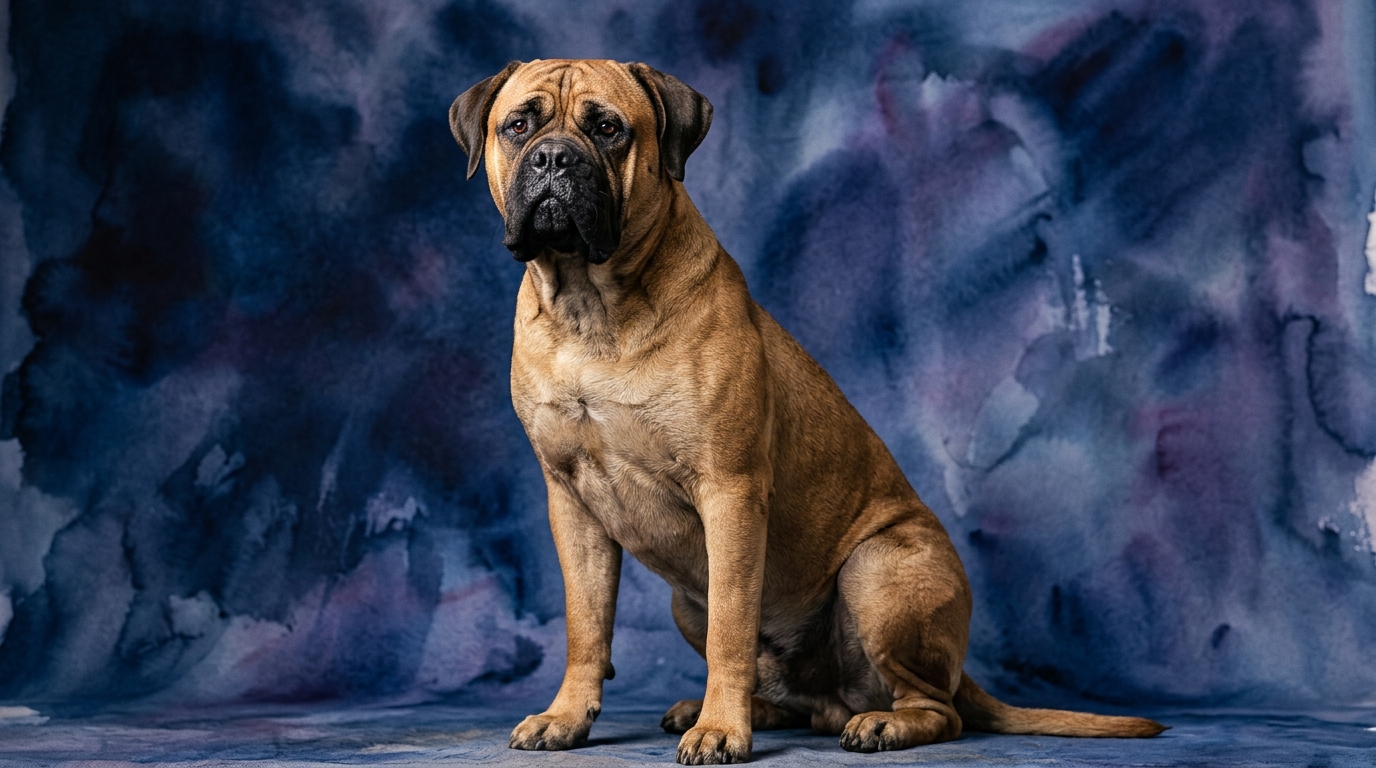
For the Bullmastiff, a Working Group dog ranked #69 by Coren, its intelligence is often geared towards its historical role as a guardian.
Problem Solving (3/5): A Bullmastiff's problem-solving manifests in assessing situations within its territory, discerning genuine threats from harmless visitors, or navigating complex household dynamics and routines.
Training Speed (3/5): While not the fastest, Bullmastiffs respond well to consistent, positive reinforcement. Their methodical approach means they prefer to fully grasp a command before offering it reliably.
Social Intelligence (3/5): This breed excels at understanding its family's emotional states, offering companionship or protective vigilance. Towards strangers, their social intelligence shifts to watchful, discerning observation.
Instinctive Drive (3/5): The Bullmastiff's drive is primarily rooted in guarding and protection, manifesting as a natural inclination to patrol, observe, and deter perceived threats with imposing presence.
Memory (3/5): Bullmastiffs possess a solid memory for people, places, and routines, making them reliable companions within their established environment and rarely forgetting a kindness.
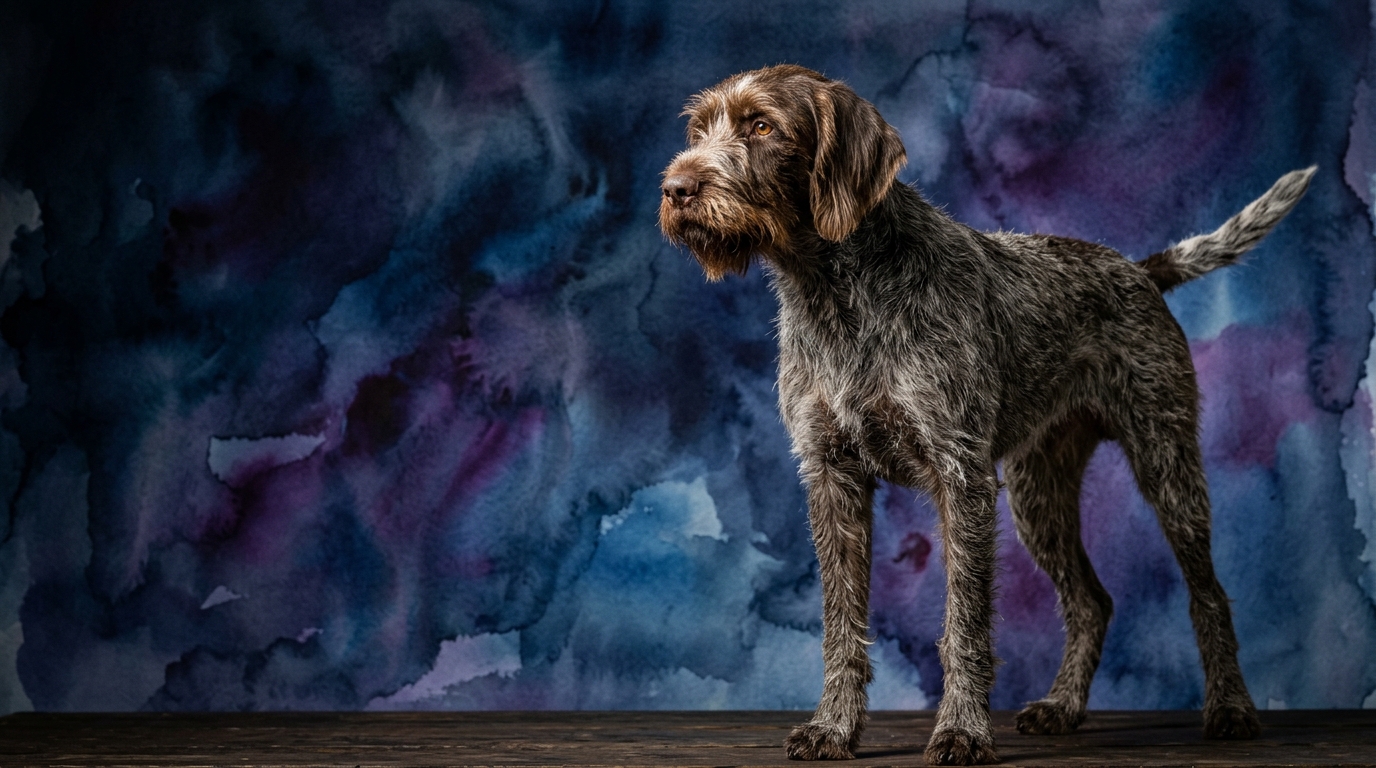
The Wirehaired Pointing Griffon, a Sporting Group dog, applies its intelligence to its role as a versatile hunting companion.
Problem Solving (3/5): A Griffon’s problem-solving prowess shines in the field, navigating varied terrain, locating game birds, and strategizing efficient retrieval, also extending to puzzle toys.
Training Speed (3/5): Griffons are enthusiastic learners, especially when training involves activity and purpose. Their speed is good, but they can be easily distracted by scents or sights, requiring engaging consistency.
Social Intelligence (3/5): This breed forms deep bonds, understanding subtle cues from their handler during hunts or daily interactions. They are generally amiable with other dogs when properly introduced.
Instinctive Drive (3/5): The Griffon's drive is strongly tied to hunting: pointing, retrieving, and tracking. This natural inclination to work with nose and mind makes them highly motivated by tasks mimicking these activities.
Memory (3/5): Griffons have a good memory for commands, scent trails, and learned behaviors, crucial for complex hunting scenarios. They also remember people and places, adapting quickly to new environments.
Where Bullmastiff Wins Cognitively
The Bullmastiff's cognitive strengths particularly shine in areas requiring calm, deliberate judgment and a nuanced understanding of social dynamics within a household. Their problem-solving (3/5) is often employed in assessing home security, making them exceptional at discerning genuine threats. Their social intelligence (3/5) allows them to be highly attuned to their family's emotional states, offering comfort or protection with quiet confidence. This breed's memory (3/5) for routines contributes to a stable and predictable household, offering reassurance.
Where Wirehaired Pointing Griffon Wins Cognitively
The Wirehaired Pointing Griffon's cognitive advantages are most evident in dynamic, task-oriented environments, particularly those involving sensory input and physical activity. Their problem-solving (3/5) excels when faced with environmental challenges, like navigating dense cover to locate game. The Griffon's instinctive drive (3/5) for pointing and retrieving provides a natural framework for rapid learning and application in field scenarios. Their social intelligence (3/5) often manifests as a keen ability to collaborate closely with a handler, anticipating movements and responding to subtle signals during a hunt.
Which Is Easier to Train and Why
Both breeds score a 3/5 in training speed, yet their paths to proficiency differ. The Wirehaired Pointing Griffon, with its strong instinctive drive (3/5) for working, often finds training sessions engaging, especially when involving movement or scent work. Their enthusiasm can make them eager participants, though attention can be diverted. Bullmastiffs, while capable, learn at a more measured pace, requiring greater consistency and patience. Their motivation stems more from a desire to please their handler and maintain household harmony, rather than an inherent drive for high-energy tasks. Effective training for a Bullmastiff emphasizes positive reinforcement and a strong bond, while Griffons thrive on variety and tasks simulating hunting instincts.
Which Suits Active Owners vs Relaxed Owners
For owners seeking a companion that thrives on consistent activity and mental engagement, the Wirehaired Pointing Griffon is an ideal choice. Their vigorous instinctive drive (3/5) and problem-solving skills (3/5) demand regular outlets like long hikes or field training. They are happiest with a job to do and opportunities to explore. Conversely, the Bullmastiff is better suited for more relaxed owners who appreciate a calm, watchful presence. While requiring moderate daily exercise, their primary cognitive engagement revolves around monitoring their environment and interacting with family, offering quiet companionship and protective vigilance for a serene lifestyle.
The Verdict
You desire a calm, quietly protective guardian who thrives on stability and a strong family bond, appreciating a dog whose intelligence is expressed through discerning judgment and steadfast loyalty within a relaxed home environment.
You are an active individual or family seeking a versatile, enthusiastic partner for outdoor adventures and purposeful activities, valuing a dog whose intelligence is geared towards problem-solving in dynamic environments and cooperative tasks.
🧠 Find Your Pet's IQ Score
Our Pet IQ Lab assessment covers 25+ tests across 5 cognitive dimensions — personalized to your breed.
Take the Full IQ Test →Frequently Asked Questions
Are Bullmastiffs good with children given their protective nature?
Bullmastiffs can be excellent family dogs, often displaying gentle patience with children within their own family. Their social intelligence helps them understand family dynamics, but due to their size, supervision is always essential, especially with smaller children.
How much exercise does a Wirehaired Pointing Griffon truly need?
Wirehaired Pointing Griffons are an active sporting breed, requiring substantial daily exercise, typically an hour or more of vigorous activity. This includes long walks, runs, swimming, or engaging in field work that stimulates their instinctive drive and problem-solving.
Do Bullmastiffs require extensive mental stimulation despite their calm demeanor?
While not needing constant high-energy mental tasks, Bullmastiffs benefit from moderate mental stimulation through consistent training, puzzle toys, and opportunities to observe their environment. Their problem-solving and memory are best honed through understanding routines and discerning situational cues.