The Cosmic Pet Pet IQ Lab: Side-by-Side Profiles
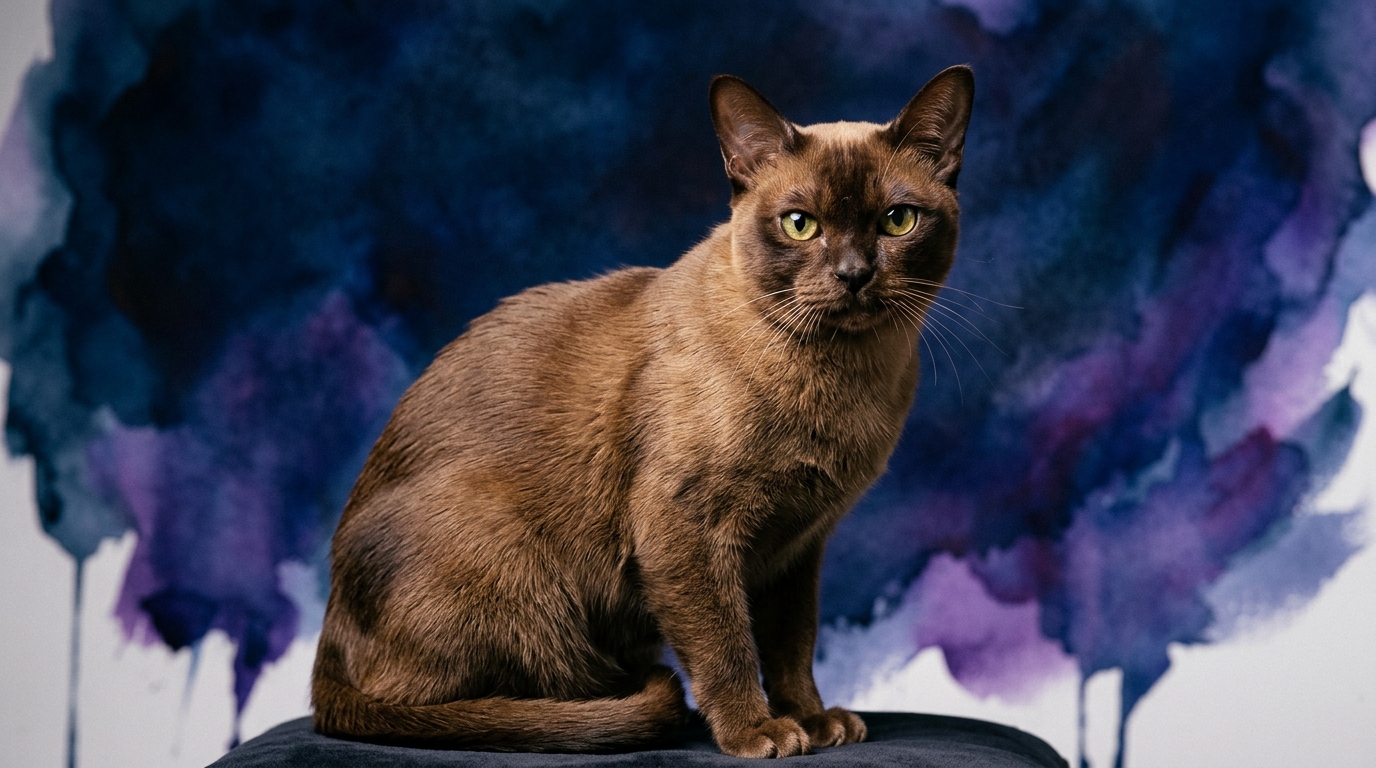
At The Cosmic Pet Pet IQ Lab, we analyze feline cognition across five crucial dimensions, offering a nuanced understanding of each breed's mental landscape. For the Burmese, we observe a cat with a remarkable capacity for learning and interaction. Their Problem Solving is rated at 4/5, indicating a strong ability to deduce solutions to environmental challenges, such as figuring out how to access treats from a complex puzzle toy or manipulating latches. Their Training Speed is an impressive 5/5, suggesting they form associations rapidly and respond quickly to consistent teaching methods, often eager to engage in structured learning. Social Intelligence stands at a perfect 5/5, reflecting their profound connection with humans, their knack for reading emotional cues, and their persistent desire for companionship. The Instinctive Drive for the Burmese is a moderate 3/5, meaning while they possess natural hunting inclinations, these are often integrated into interactive play rather than solely independent pursuits. Finally, their Memory is strong at 4/5, allowing them to recall routines, learned commands, and the people important in their lives with considerable accuracy.
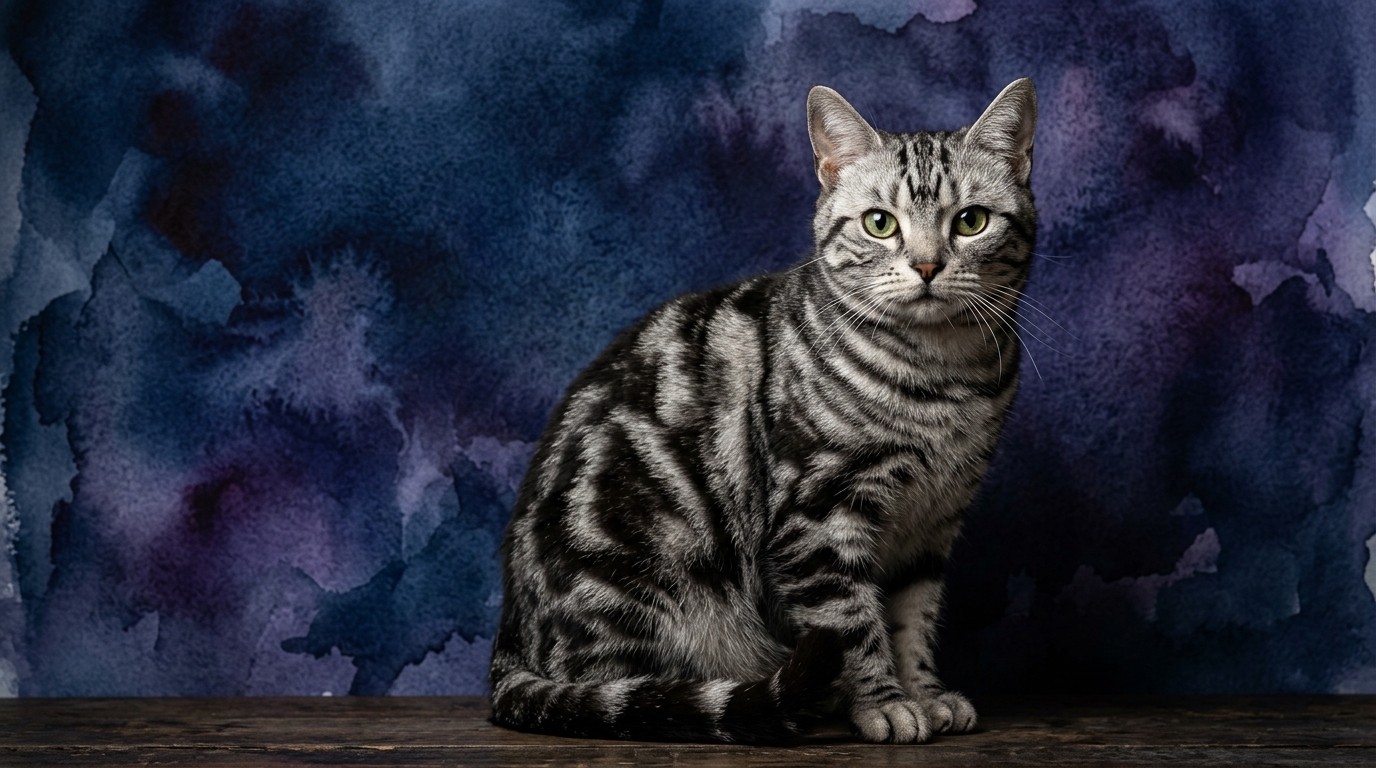
The American Shorthair, conversely, presents a balanced yet distinct cognitive profile. Their Problem Solving is rated 3/5, indicating they are capable of navigating everyday challenges but might approach novel situations with a more trial-and-error method compared to the Burmese's deductive reasoning. Their Training Speed is also 3/5, meaning they can certainly learn commands and routines, but typically require more patience and repetition to solidify new behaviors. Social Intelligence for the American Shorthair is a solid 3/5; they are amiable and enjoy companionship, yet often exhibit a more independent streak, content with periods of self-sufficiency. Their Instinctive Drive is 3/5, a typical feline level that includes natural hunting behaviors, often expressed through focused play. Memory for the American Shorthair is rated 3/5, allowing them to remember familiar faces, routines, and safe spaces, contributing to their generally adaptable nature without exhibiting the same depth of recall for complex sequences as the Burmese.
Where the Burmese Excels Cognitively
The Burmese cat truly shines in areas demanding active engagement and quick processing. Their 4/5 problem-solving score means they are adept at deciphering environmental puzzles, whether it's opening a cabinet door they shouldn't or mastering a new interactive feeder designed to challenge. This isn't just about persistence; it's about a noticeable capacity for understanding cause and effect. Paired with a 5/5 training speed, Burmese cats are remarkably receptive to learning tricks, responding to clicker training, and even walking on a leash, often picking up new behaviors in just a few sessions. Their eagerness stems from their unparalleled 5/5 social intelligence; they thrive on human interaction and often see training as a collaborative game, making them highly motivated to please and connect. This deep social bond translates into a cat that not only understands commands but seems to anticipate needs and moods, offering comfort or seeking play with uncanny timing. Their 4/5 memory ensures that once a lesson is learned or a routine established, it sticks, making for a consistently responsive and engaging companion.
Where the American Shorthair Presents Cognitive Strengths
While the American Shorthair's scores may be more moderate, their cognitive profile offers a distinct advantage in terms of balanced independence and adaptability. Their consistent 3/5 ratings across problem-solving, training speed, social intelligence, instinctive drive, and memory describe a cat whose cognitive needs are well-integrated and generally self-sufficient. This breed isn't constantly seeking complex intellectual puzzles or intense social interaction to feel fulfilled; instead, they possess a reliable, steady competence that allows them to thrive in varied home environments without demanding constant mental stimulation from their owners. Their moderate social intelligence means they are affectionate companions who enjoy human presence but are also perfectly content to entertain themselves, reducing the likelihood of boredom-driven behaviors that might emerge in a cat with higher, unfulfilled social or problem-solving drives. They excel at being a classic, dependable feline presence, requiring less intensive cognitive 'management' from their human counterparts, making them incredibly easy to integrate into a wide range of family dynamics.
Trainability: Burmese vs. American Shorthair
When it comes to trainability, the Burmese holds a clear advantage, largely due to their exceptional 5/5 training speed and 5/5 social intelligence. These cats are often described as 'dog-like' in their eagerness to learn and participate in activities with their humans. Their strong desire for interaction means they are highly motivated by praise and attention, making them receptive to positive reinforcement methods. They quickly grasp concepts, form associations between commands and actions, and their 4/5 memory ensures that these lessons are retained effectively. Owners often find Burmese cats can learn to fetch, perform complex tricks, or even respond to their names with remarkable consistency, eager to engage in these shared intellectual pursuits.
The American Shorthair, with a 3/5 training speed, is certainly trainable, but the process typically requires more patience and consistency. They are amiable and can learn basic commands, litter box etiquette, and household routines, but they may not exhibit the same urgent desire to please or the rapid acquisition of complex tricks seen in the Burmese. Their 3/5 social intelligence means they appreciate companionship but might not view training as intensely collaborative; instead, they might respond best when rewards are clear and the sessions are kept short and positive. While they can learn, their motivation is often more food-centric or comfort-driven rather than purely social, requiring owners to tailor their approach accordingly and manage expectations for the pace of learning.
Matching Feline Intellect to Owner Lifestyles
For active owners who relish interactive engagement and seek a truly participatory companion, the Burmese is an ideal match. Their high social intelligence and problem-solving drive mean they thrive on mental stimulation, interactive play, and opportunities to 'work' for treats or attention. Owners who enjoy teaching tricks, engaging in daily play sessions, or even taking their cat on adventures will find the Burmese's cognitive profile aligns perfectly with their lifestyle. These cats are often at their happiest when they are an integral, thinking part of the family's daily activities, offering conversation and seeking attention with a vibrant curiosity.
Conversely, the American Shorthair is an excellent choice for relaxed owners who appreciate a more self-sufficient and undemanding companion. Their balanced cognitive profile means they are content to observe, explore independently, and enjoy affection on their own terms. While they appreciate play and interaction, they don't typically require constant intellectual challenges or intense social engagement to prevent boredom. A relaxed owner will find the American Shorthair a calming presence, amiable and adaptable, providing companionship without the consistent demands for mental stimulation that a Burmese might present. They are happy to curl up for a quiet evening or entertain themselves with a toy, fitting seamlessly into a quieter household rhythm.
The Verdict
Choose a Burmese if you seek a highly interactive, trainable cat who thrives on mental challenges and deep social bonds, eager to be a constant, thinking part of your daily life.
Opt for an American Shorthair if you appreciate a balanced, self-sufficient cat with a steady temperament and moderate intellectual needs, offering amiable companionship without intense demands for stimulation.
🧠 Find Your Pet's IQ Score
Our Pet IQ Lab assessment covers 25+ tests across 5 cognitive dimensions — personalized to your breed.
Take the Full IQ Test →Frequently Asked Questions
Are Burmese cats prone to behavioral issues if not stimulated?
Yes, their high social and problem-solving drives mean they require regular engagement. Without adequate mental and social stimulation, they might seek their own 'puzzles' like opening cabinets or become overly vocal in seeking attention, which can sometimes manifest as undesirable behaviors.
How does the American Shorthair's moderate social intelligence manifest?
They are affectionate but often on their own terms, enjoying lap time and petting but also content with independent exploration and quiet observation. They might not follow you from room to room as consistently as a Burmese, preferring to join you when they feel inclined rather than constantly seeking proximity.
Can an American Shorthair learn tricks like a Burmese?
While they certainly can learn tricks, it typically takes more time and consistent effort due to their 3/5 training speed. Their motivation might also be more food-driven than social-approval driven compared to a Burmese, requiring a different approach to positive reinforcement.