A Side-by-Side Look at Feline Cognition
The Cosmic Pet Pet IQ Lab assesses feline intelligence across five key dimensions: Problem Solving, Training Speed, Social Intelligence, Instinctive Drive, and Memory. Intriguingly, both the Burmese and Balinese breeds share identical ratings across all these metrics, yet their expression of these cognitive abilities often diverges in subtle, breed-specific ways.
For the Burmese, their Problem Solving is rated at 4/5, indicating a strong capacity to navigate and overcome environmental puzzles, often with a direct and persistent approach. Their Training Speed stands at a perfect 5/5, reflecting their exceptional receptiveness to learning new behaviors and commands. Social Intelligence is also a 5/5, highlighting their profound connection with humans and other pets. Instinctive Drive is a moderate 3/5, suggesting a balanced interest in play and exploration without an overwhelming hunting focus. Finally, their Memory is rated 4/5, allowing them to retain learned information and routines effectively.
The Balinese also score 4/5 in Problem Solving, demonstrating an equally capable mind for navigating complex situations, though perhaps with a more observant and strategic initial approach. Like the Burmese, they achieve a 5/5 in Training Speed, showcasing their remarkable aptitude for acquiring new skills. Their Social Intelligence is similarly a 5/5, emphasizing their deep desire for companionship and communication. A 3/5 rating for Instinctive Drive indicates a comparable level of natural curiosity and playfulness. With a 4/5 in Memory, the Balinese effectively recall important details, routines, and experiences over time.
Where Burmese Cognition Shines Brightest
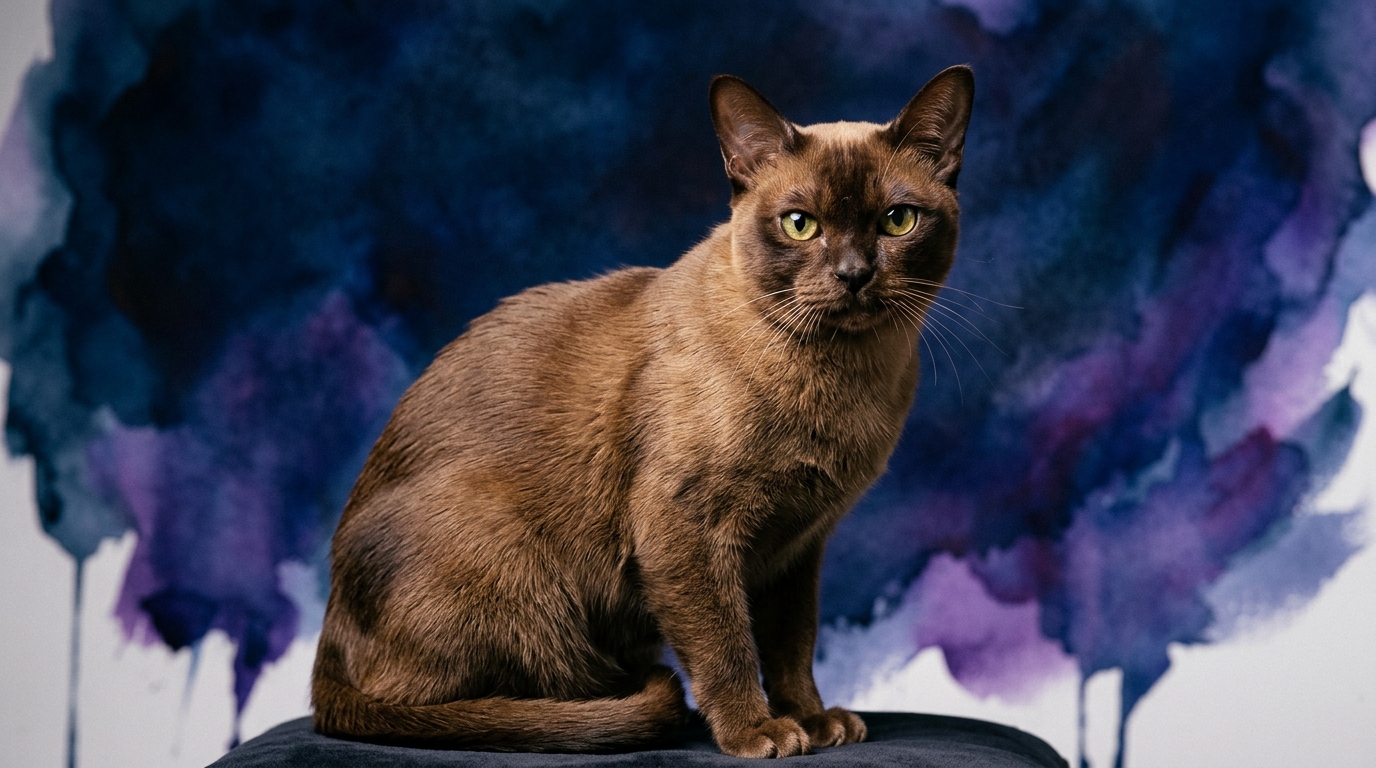
While their raw scores are identical, the Burmese cat often manifests its cognitive prowess through a robust, confident, and highly interactive demeanor. Their 4/5 Problem Solving often translates into a hands-on, trial-and-error approach. A Burmese faced with a puzzle feeder might persistently manipulate it, trying various angles and pawing techniques until the reward is released, driven by their strong desire for engagement and food.
Their 5/5 Social Intelligence is particularly evident in their 'dog-like' devotion and their ability to integrate seamlessly into a family unit. Burmese are acutely attuned to human emotions and often seek to participate in household activities, offering comfort or initiating play. This social acuity allows them to anticipate human actions and respond with precise, contextually appropriate behaviors, fostering a profound bond that feels almost telepathic.
The Burmese’s 5/5 Training Speed is bolstered by their eagerness to please and their robust constitution. They respond exceptionally well to positive reinforcement, not just for treats but for the sheer joy of interacting with their favored humans. This makes them adept at learning complex tricks or navigating agility courses, often displaying a spirited enthusiasm that makes training sessions a delight.
The Balinese Edge in Cognitive Expression
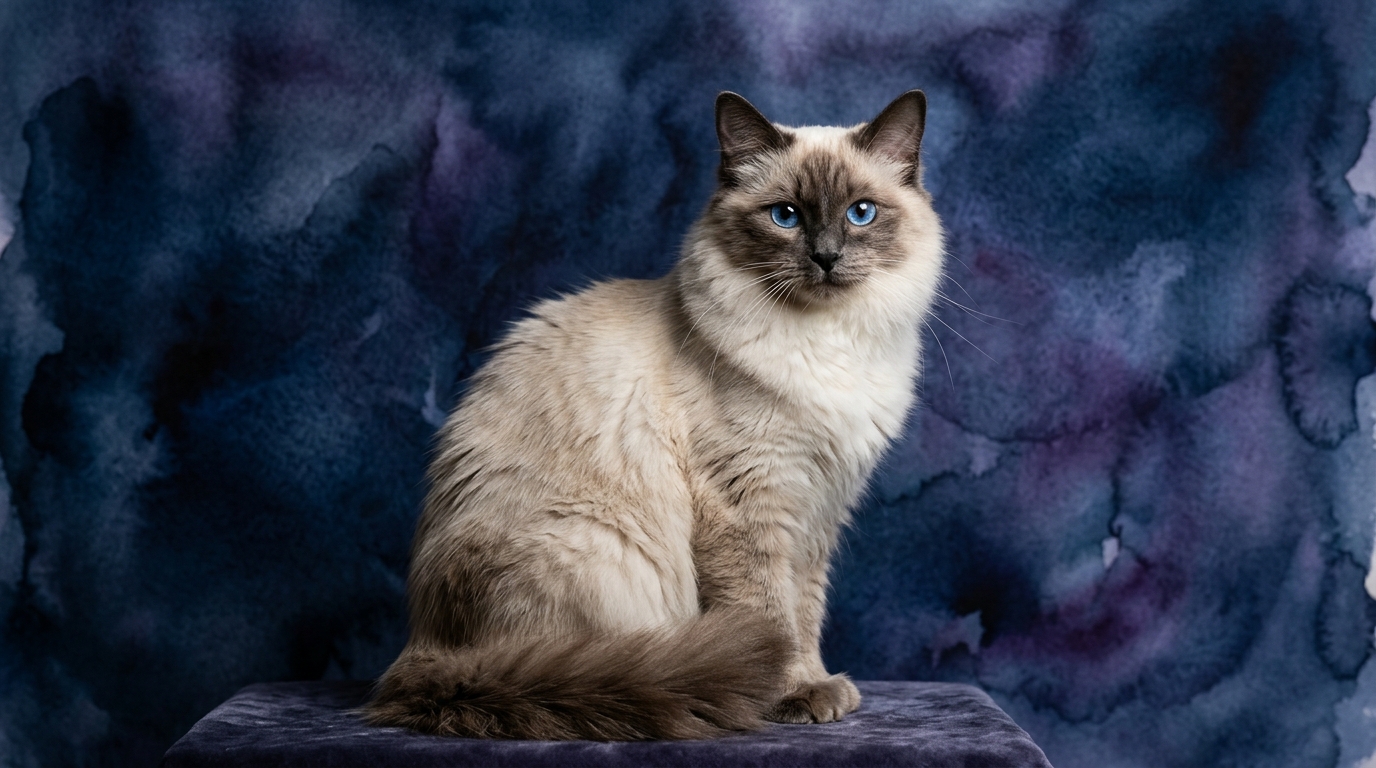
The Balinese, with their equally impressive cognitive scores, often express their intelligence with a refined grace and a distinct vocal flair. Their 4/5 Problem Solving might manifest as a more contemplative strategy; a Balinese could spend a moment observing a new toy or puzzle, assessing its mechanics before delicately but precisely engaging with it. They might use their keen observation skills to deduce a solution rather than relying purely on physical persistence.
Their 5/5 Social Intelligence, while as strong as the Burmese, often expresses itself through their extensive vocal repertoire. Balinese cats are known for their conversational nature, using a wide range of meows, chirps, and purrs to communicate their needs, desires, and observations. This nuanced communication allows them to convey complex thoughts and emotions, making them exceptionally responsive to human vocal cues and forming a unique communicative partnership.
The Balinese’s 5/5 Training Speed is enhanced by their elegant agility and their attentive nature. They often excel at tasks that require precision and a delicate touch, and their responsiveness to verbal commands is remarkable. The training process for a Balinese can feel like a sophisticated dialogue, where their vocalizations and body language provide constant feedback, making them quick studies for even intricate routines.
Ease of Training: Nuances in Receptivity
Both Burmese and Balinese boast a perfect 5/5 in Training Speed, signifying their high aptitude for learning. However, the 'why' behind their ease of training presents subtle differences. The Burmese's trainability stems significantly from their strong desire for human interaction and their confident, robust nature. They are often highly food-motivated and eager for attention, which makes them quick to associate actions with positive outcomes, especially if those outcomes involve quality time with their people. They approach training with a spirited, 'let's do it' attitude.
The Balinese, conversely, leverages its exceptional communicative abilities and observant personality for its high trainability. They are attuned to human vocalizations and body language, often picking up on cues even before formal training begins. Their enjoyment of 'conversation' makes verbal commands particularly effective, and they seem to relish the mental engagement of a training session as much as the reward itself. They might approach training with a more thoughtful, 'how does this work' curiosity.
Matching Feline Cognition to Owner Lifestyle
Considering their shared cognitive strengths, the choice between a Burmese and a Balinese often hinges on how an owner prefers these traits to manifest in their daily life. The Burmese, with their robust social intelligence and direct problem-solving, is an excellent fit for active owners who enjoy constant interaction and a cat that wants to be involved in everything. They thrive in busy households where they can be the center of attention, participating in games, following their owners from room to room, and offering constant companionship. Their cognitive style suits those who want a cat that is a playful, confident, and highly engaged member of the family.
The Balinese, while equally social, might appeal more to owners who appreciate a cat with a more refined, vocal, and subtly strategic approach to interaction. Their eloquent communication style and graceful demeanor make them ideal for relaxed owners who enjoy quiet conversations with their pet and appreciate a cat that observes, communicates, and then engages with thoughtful precision. They still require attention and play, but their engagement might feel more like a sophisticated dialogue than a boisterous romp, fitting seamlessly into a serene home that values elegant companionship and thoughtful interaction.
The Verdict
Choose the Burmese if you seek a confident, robust companion who thrives on constant interaction and direct engagement, readily participating in all family activities.
Opt for the Balinese if you desire an elegant, communicative companion who engages with thoughtful observation and enjoys nuanced, conversational interactions.
🧠 Find Your Pet's IQ Score
Our Pet IQ Lab assessment covers 25+ tests across 5 cognitive dimensions — personalized to your breed.
Take the Full IQ Test →Frequently Asked Questions
Do Burmese and Balinese cats learn tricks easily?
Yes, both breeds score 5/5 in Training Speed, making them exceptionally quick learners. Their eagerness to engage with humans and their respective motivations (Burmese's robust interaction, Balinese's communicative nature) make them highly receptive to learning tricks and commands.
Are these breeds good with other pets and children?
Both Burmese and Balinese cats possess a 5/5 Social Intelligence rating, indicating they generally integrate well into multi-pet households and are affectionate with children. Their social nature means they enjoy companionship and adapt readily to family dynamics, though individual personalities will always vary.
How do their problem-solving skills differ despite similar scores?
While both score 4/5 in Problem Solving, the Burmese tends to approach challenges with direct persistence and physical manipulation, whereas the Balinese often employs more observation and strategic thought before acting. This reflects their distinct temperaments in applying their cognitive abilities.