Side-by-Side Cognitive Profiles
To truly appreciate the mental landscape of these two fascinating cat breeds, we turn to The Cosmic Pet Pet IQ Lab's detailed assessment across five critical dimensions of cognition. This framework allows for a nuanced understanding beyond simple anecdotes, highlighting specific strengths and tendencies.
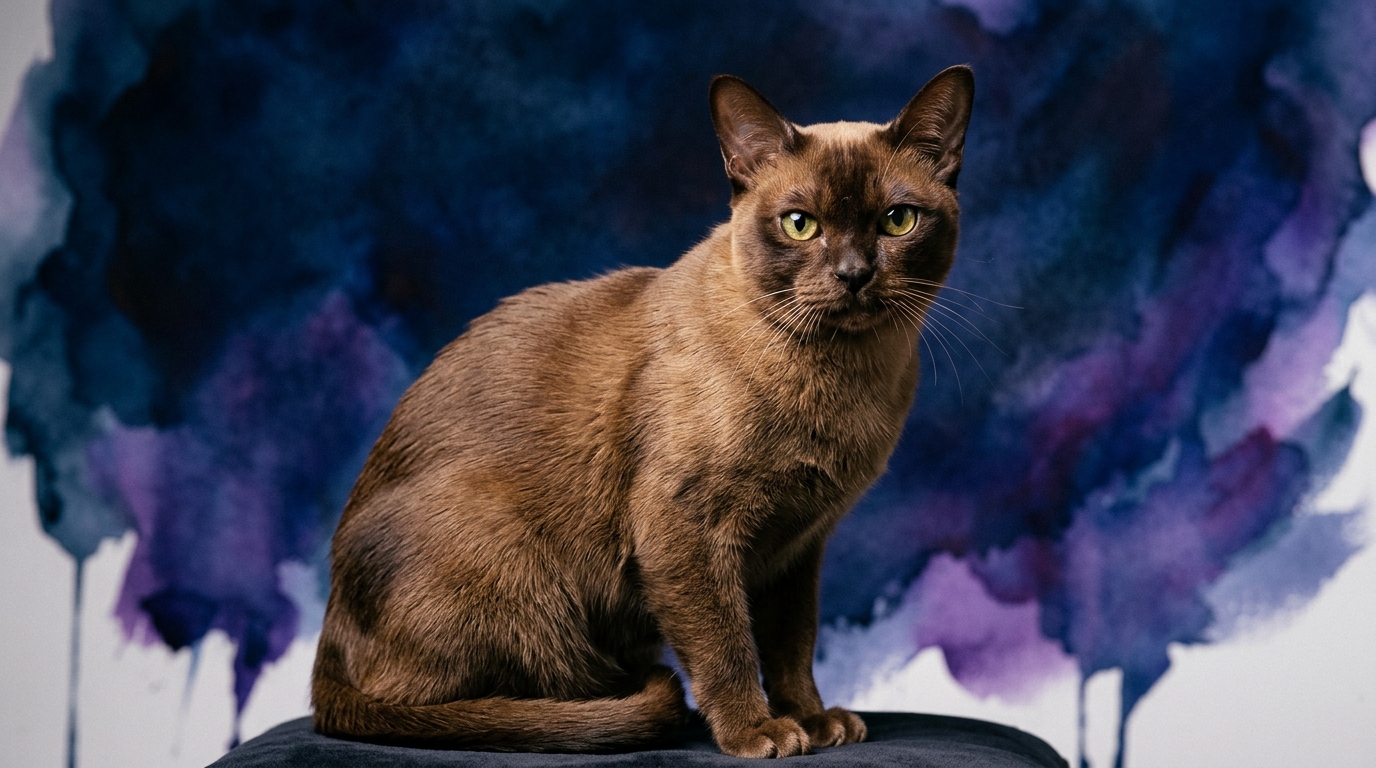
For the Burmese, the scores paint a picture of a cat with considerable mental agility: Problem Solving at 4/5, Training Speed at a remarkable 5/5, Social Intelligence also at 5/5, Instinctive Drive at 3/5, and Memory at 4/5. These numbers collectively suggest a highly interactive and adaptable companion, eager to engage with its environment and its human family.
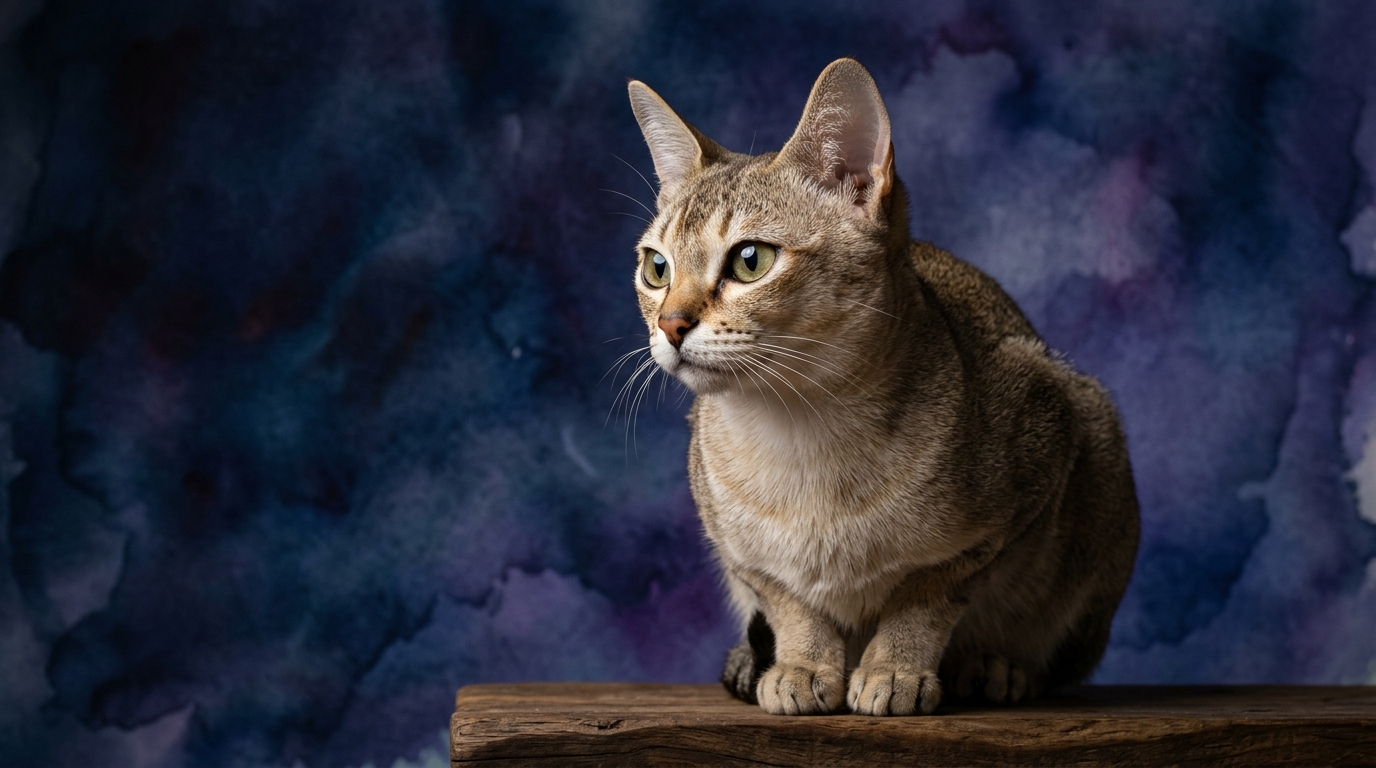
The Singapura, in contrast, presents a more uniformly balanced profile: Problem Solving at 3/5, Training Speed at 3/5, Social Intelligence at 3/5, Instinctive Drive at 3/5, and Memory at 3/5. This consistent scoring indicates a cat that is competent and capable across the board, but perhaps less inclined towards extreme cognitive feats or intense social demands.
Let's break down what each dimension signifies. Problem Solving assesses a cat's ability to navigate novel situations or figure out how to achieve a desired outcome, like accessing a treat behind an obstacle. Training Speed measures how quickly a cat learns and retains new commands or routines. Social Intelligence reflects their capacity to understand and respond to human cues, bond deeply, and interact within a social structure. Instinctive Drive quantifies their inherent predatory, territorial, or mating behaviors. Finally, Memory evaluates their recall of past experiences, learned behaviors, and familiar individuals or places.
Where the Burmese Excels Cognitively
The Burmese cat clearly demonstrates a pronounced advantage across several cognitive domains, particularly in areas that foster strong human-animal bonds and adaptability. Their Problem Solving score of 4/5 indicates a natural curiosity and capacity for figuring things out. A Burmese might quickly learn to manipulate door handles, open cabinets, or strategize ways to reach high shelves, often displaying a determined persistence until a solution is found. This cognitive flexibility means they are less likely to be stumped by minor environmental changes or new puzzle toys.
Their standout Training Speed of 5/5 is a testament to their rapid learning ability. Burmese cats often pick up commands, routines, and even complex tricks with minimal repetition. This isn't just about obedience; it's about their engagement with the learning process itself, making interactive training sessions a rewarding experience for both cat and owner. Their high score here suggests they can learn to walk on a leash, play fetch, or respond to their name with impressive consistency.
Perhaps most notably, the Burmese's Social Intelligence, also at 5/5, sets them apart. This reflects an exceptional capacity to read human emotions, understand vocal inflections, and actively seek out and maintain social interaction. They often form deep, almost dog-like attachments to their families, frequently following their owners from room to room and initiating affectionate exchanges. This acute social awareness means they are highly attuned to their environment and the people within it, making them incredibly responsive and interactive companions. Their Memory score of 4/5 further supports these strengths, ensuring they retain these learned social cues and problem-solving strategies over extended periods.
Where the Singapura Finds Its Cognitive Niche
While the Singapura's cognitive scores are consistently moderate, this balanced profile represents a distinct advantage for specific lifestyles and owner preferences. Their uniform 3/5 across Problem Solving, Training Speed, Social Intelligence, and Memory suggests a feline companion that is stable and predictable in its mental engagement, rather than constantly seeking complex challenges or intense interaction. This consistent moderation can be a significant 'win' for owners who appreciate a cat that is present and affectionate without being overly demanding of constant mental stimulation.
A Singapura's Problem Solving score of 3/5 implies they are capable of navigating their environment and solving straightforward issues, but they are less likely to dedicate extensive effort to intricate puzzles or mischievous endeavors like opening childproof locks. This can translate to a home environment that feels less 'cat-proofed' compared to one shared with a more cognitively adventurous breed, potentially leading to fewer instances of creative trouble-making.
Their moderate Social Intelligence (3/5) means they are affectionate and enjoy companionship, but they tend to express this in a less 'velcro-like' manner than a Burmese. They will seek out cuddles and attention on their own terms, often content to observe from a comfortable perch or engage in quiet play. This self-sufficient sociability makes them an excellent choice for individuals who appreciate feline companionship but may not desire a cat that constantly demands their undivided attention or deep emotional processing. The Singapura's balanced cognitive traits create a companion that is content and adaptable within its established routines, offering a serene and comforting presence.
Training Dynamics: Burmese vs. Singapura
When it comes to training, the differences between these two breeds become quite pronounced, directly reflecting their respective IQ scores. The Burmese, with its exceptional 5/5 Training Speed, is often described as a dream to train. Their eagerness to engage, coupled with their high social intelligence and problem-solving abilities, means they pick up new commands and routines with impressive swiftness. They respond well to positive reinforcement, often motivated by praise and interactive play as much as by treats. A Burmese can learn complex sequences, walk on a leash, or even perform tricks like 'sit' or 'stay' with relative ease, viewing training as an enjoyable bonding experience. Their memory (4/5) ensures these learned behaviors are retained effectively over time, requiring less frequent refreshers.
The Singapura, with a Training Speed of 3/5, is certainly trainable, but the approach and expectations need to be adjusted. They will require more patience, consistency, and repetition to grasp new concepts. While they respond to positive reinforcement, their motivation might be more food-driven or comfort-oriented rather than solely seeking human approval, given their moderate social intelligence. They are less likely to enjoy extended training sessions focused on complex tricks. Instead, successful training with a Singapura often involves integrating commands into daily routines, keeping sessions short and positive, and focusing on practical behaviors like litter box habits or responding to their name. Their 3/5 memory means that while they will learn, regular reinforcement is key to solidifying those lessons.
Matching Personalities: Active vs. Relaxed Owners
The distinct cognitive profiles of the Burmese and Singapura lend themselves to different owner lifestyles, creating a natural alignment between cat and human. For the active owner who thrives on interaction, engagement, and mental stimulation, the Burmese is an ideal match. Their high social intelligence (5/5) means they crave companionship and involvement in household activities. A Burmese will often initiate play, follow you from room to room, and demand attention through vocalizations or gentle nudges. Their superior problem-solving (4/5) means they benefit from puzzle feeders, interactive toys, and regular opportunities to learn new things. An owner who can dedicate time to play, training, and consistent interaction will find the Burmese a deeply rewarding and engaging companion, thriving on the shared mental and emotional connection.
Conversely, the Singapura's balanced and moderate cognitive traits make them a superb choice for more relaxed owners who appreciate a quieter, less demanding presence. While affectionate, their moderate social intelligence (3/5) means they are not constantly seeking intense interaction. They are content to observe, curl up on a lap for a quiet cuddle, or engage in independent play. Their 3/5 problem-solving and training speed suggest they are not likely to invent elaborate schemes to entertain themselves or require constant mental challenges to prevent boredom. A relaxed owner who enjoys a peaceful home and values a cat that is present and loving without being overly 'needy' for attention or complex mental games will find the Singapura a perfectly harmonious fit. They offer a comforting, serene companionship that complements a calmer lifestyle.
The Verdict
Choose a Burmese if you seek a highly interactive, trainable, and socially astute feline companion that thrives on mental challenges and deep emotional engagement with its human family.
Opt for a Singapura if you prefer a more independent, balanced, and serene cat that offers affectionate companionship without demanding constant attention or complex mental stimulation.
🧠 Find Your Pet's IQ Score
Our Pet IQ Lab assessment covers 25+ tests across 5 cognitive dimensions — personalized to your breed.
Take the Full IQ Test →Frequently Asked Questions
Are Burmese cats prone to destructive behavior if bored?
With their advanced problem-solving and social intelligence, Burmese cats require consistent mental and physical engagement. If under-stimulated, they may indeed invent their own 'entertainment,' which could manifest as exploring restricted areas or manipulating objects to alleviate boredom.
Do Singapura cats enjoy playing games?
Singapura cats certainly enjoy play, though perhaps not with the same intensity or complexity as a Burmese. Their moderate instinctive drive means they engage in typical feline play behaviors like chasing and batting, but they might prefer simpler, shorter play sessions, often content with a wand toy or a crinkly ball.
How do their memory scores affect daily life?
A Burmese's superior memory (4/5) means they'll likely recall routines, specific commands, and even past interactions with people or objects more vividly. A Singapura's adequate memory (3/5) will still allow them to navigate their environment and recognize family, but they might require more consistent reinforcement for complex learned behaviors or less frequent interactions.