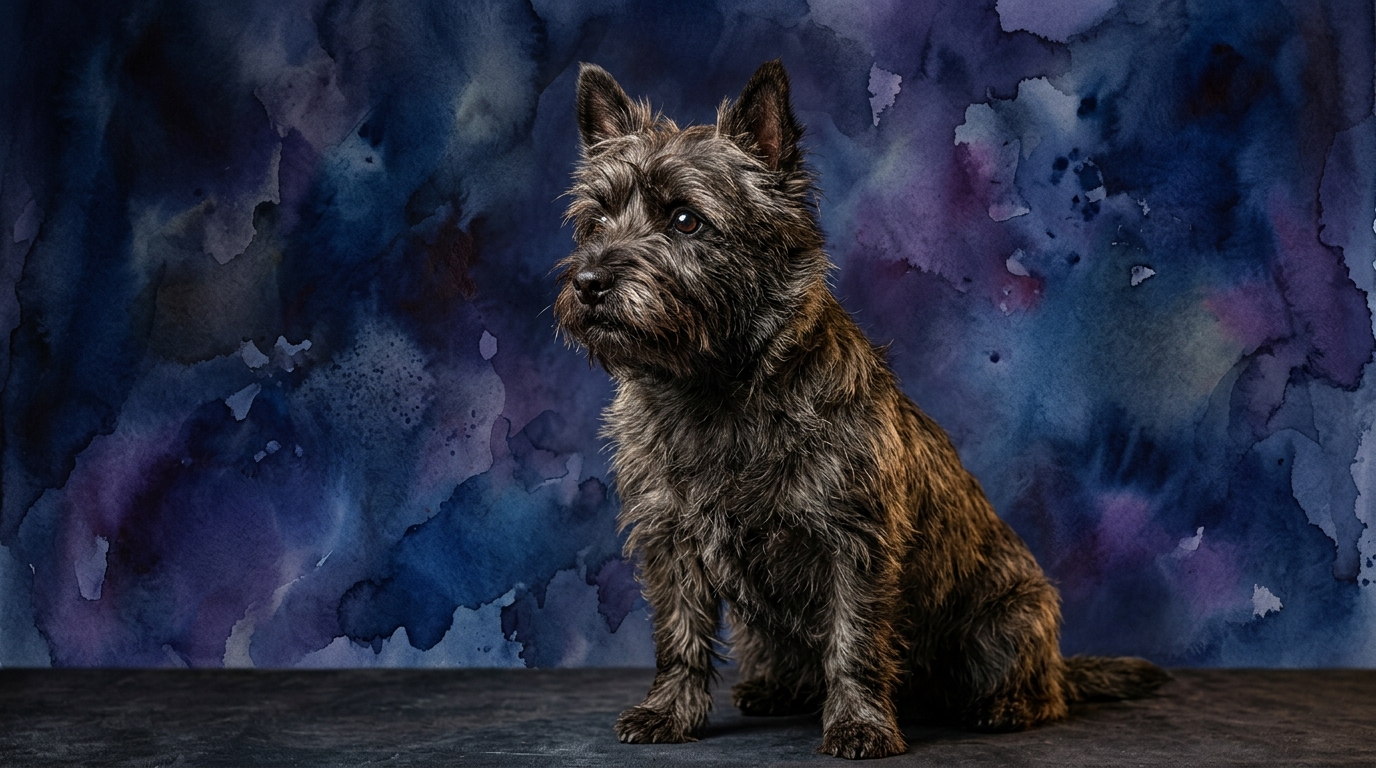
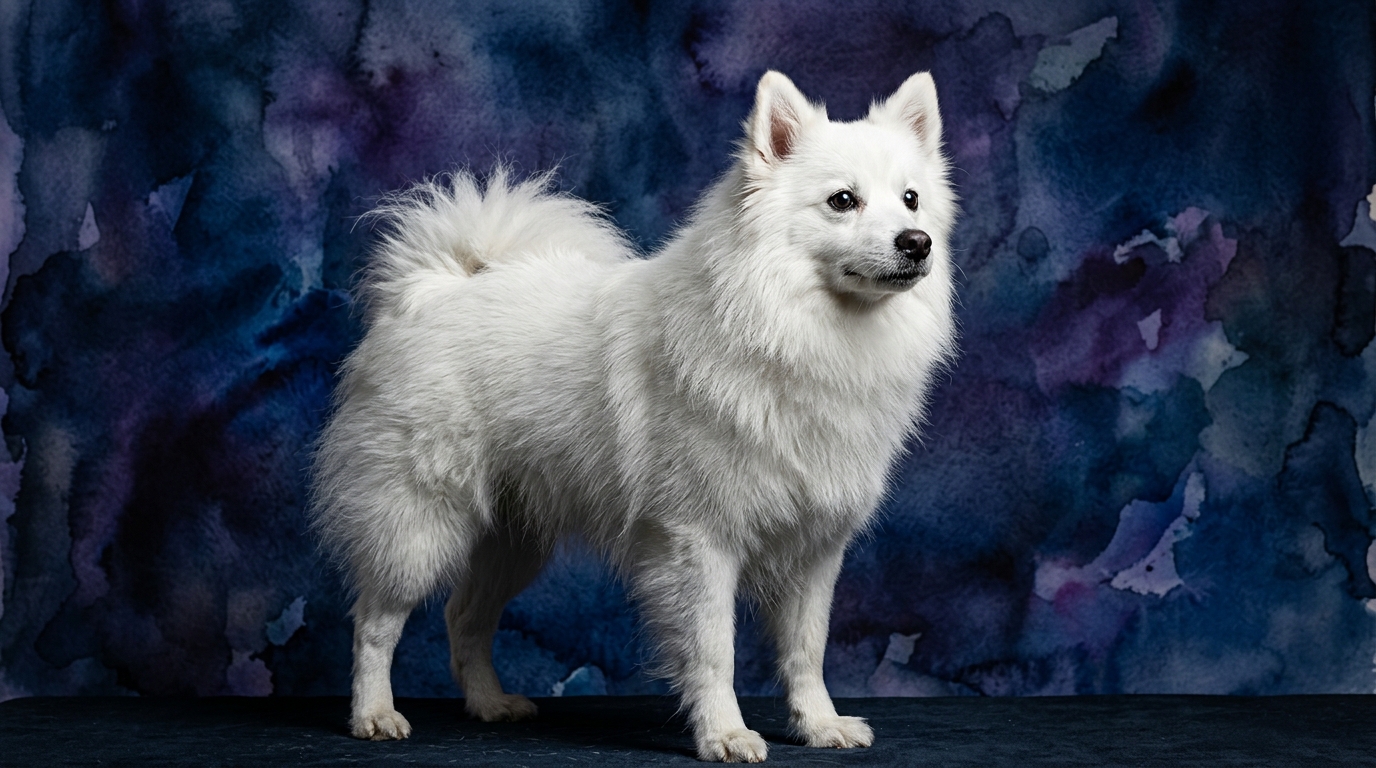
Side-by-Side IQ Profile: Cairn Terrier vs. American Eskimo Dog
The Cosmic Pet Pet IQ Lab employs a five-dimensional framework to assess canine intelligence, providing a nuanced view beyond simple obedience. For the Cairn Terrier, ranked #35 by Coren, and the American Eskimo Dog, which is not Coren-ranked, these dimensions reveal distinct cognitive strengths and styles.
Cairn Terrier (Coren Rank #35): Problem Solving 4/5, Training Speed 4/5, Social Intelligence 3/5, Instinctive Drive 3/5, Memory 4/5. These little terriers excel at independent strategizing, quickly figuring out complex challenges to achieve goals, a trait honed by their history of hunting vermin. They grasp new commands rapidly, often requiring fewer repetitions, demonstrating their cognitive agility and attentiveness. Cairns understand human cues but possess a self-assured demeanor, sometimes prioritizing their own agenda, reflecting a balance of awareness and independence. Their ancestral purpose is evident in their drive to dig, chase small prey, and explore, directing their energy towards natural terrier behaviors. Possessing a robust memory, they retain learned behaviors, routines, and experiences for extended periods, contributing to their quick training speed and adaptability.
American Eskimo Dog (Not Coren-Ranked): Problem Solving 3/5, Training Speed 3/5, Social Intelligence 3/5, Instinctive Drive 3/5, Memory 3/5. Eskies are capable problem solvers, particularly when motivated by reward or interaction, using direct approaches to navigate tasks like opening gates. They learn new skills at a steady pace, benefiting from positive reinforcement and clear instructions, eager to please their human companions. Highly attuned to family members' moods, Eskies act as sensitive companions, reading emotions well and valuing companionship. Their heritage as working and companion dogs includes a moderate instinct for guarding and a strong desire for social connection. American Eskimo Dogs have a solid memory, recalling commands, routines, and social interactions consistently, aiding in effective behavior and navigation.
Where the Cairn Terrier Wins Cognitively
The Cairn Terrier demonstrates a cognitive edge with superior scores in Problem Solving (4/5), Training Speed (4/5), and Memory (4/5). Their high problem-solving ability means they actively engage with their environment, devising independent solutions to challenges, a trait crucial for their vermin-hunting past. This intellectual drive allows them to quickly adapt to new situations and make decisions without constant human direction. Their rapid training speed means they pick up new concepts with fewer repetitions, while their excellent memory ensures these lessons are retained long-term. This combination yields a dog adept at understanding complex sequences and performing intricate routines, making them strong contenders in dog sports demanding precision and recall.
Where the American Eskimo Dog Wins Cognitively
While the American Eskimo Dog's individual scores are consistently 3/5, their cognitive strength lies in a balanced, cooperative intellectual profile. Their 3/5 in Social Intelligence, coupled with an eagerness to please, often translates into a more harmonious learning experience for owners. Eskies excel in environments with clear communication and consistent positive reinforcement, showing a strong drive to work *with* their owner. This balanced cognitive makeup means they are less prone to the independent, sometimes stubborn, tendencies of a Cairn, making them potentially more predictable and less inclined to self-directed "problem-solving" that might conflict with household rules. This consistent profile suggests a reliable and compliant learner, particularly for those who value cooperation over independent strategizing.
Which is Easier to Train and Why
Comparing training ease is nuanced. The Cairn Terrier, with its 4/5 in Training Speed and Memory, generally grasps and retains commands quickly. This translates to fewer repetitions for initial learning. However, their independent spirit and instinctive drive (both 3/5) mean they might understand a command perfectly but choose not to comply if a more appealing distraction or their own agenda arises. Training a Cairn requires engaging their sharp mind and tenacious will with consistent, firm, and positive methods to channel their inherent terrier stubbornness effectively.
The American Eskimo Dog, scoring 3/5 in both Training Speed and Memory, learns at a steady pace, potentially requiring more repetitions to solidify new behaviors. Yet, their balanced social intelligence and strong desire for companionship often make them more consistently biddable. Eskies are eager to please, responding well to praise and positive reinforcement. While they might take longer to master a command, their compliance once learned is often more reliable, as their cognitive profile is less inclined towards independent decision-making that overrides an owner's directive. For owners valuing consistent cooperation and patience, the Eskie may feel "easier" to train due to their willingness, whereas the Cairn is "faster" but demands more skilled management of its independence.
Which Suits Active Owners vs. Relaxed Owners
The Cairn Terrier, with its 3/5 instinctive drive and strong problem-solving abilities (4/5), thrives with active owners capable of providing significant mental and physical engagement. Their intelligence demands constant stimulation; without it, they are prone to self-directed "activities" like digging or exploring, which can become destructive if not channeled appropriately. They are ideal for owners who enjoy regular, varied activities such as long walks, interactive games, puzzle toys, and perhaps even dog sports like agility or earthdog trials. A relaxed owner might find a Cairn's persistent need for engagement and independent spirit overwhelming, as their cognitive drive for activity and exploration is constant.
The American Eskimo Dog, while also an active breed, possesses a balanced instinctive drive (3/5) and a strong need for social interaction. They suit owners who are active enough for daily walks and playtime, but perhaps less intensely focused on independent problem-solving challenges. Eskies enjoy being integral to family life, thriving on companionship and participation in household activities. While they appreciate mental enrichment, their needs are often met through consistent training, social interaction, and moderate physical exercise. Their cooperative nature makes their activity easier to manage than the fiercely independent Cairn, making them more adaptable to varying activity levels, provided their social needs are consistently met.
The Verdict
Select a Cairn Terrier if you are an experienced owner seeking a clever, independent companion who excels at problem-solving and learns quickly, provided you can consistently channel their tenacious spirit and high cognitive drive into productive activities.
Opt for an American Eskimo Dog if you desire a highly social, cooperative, and consistently biddable companion who learns steadily and thrives on companionship, making them a joyful partner for moderate activity and family life.
🧠 Find Your Pet's IQ Score
Our Pet IQ Lab assessment covers 25+ tests across 5 cognitive dimensions — personalized to your breed.
Take the Full IQ Test →Frequently Asked Questions
Do Cairn Terriers get along with other pets?
Cairn Terriers can coexist with other pets, especially if socialized from a young age. However, their strong instinctive drive (3/5) for chasing small prey means careful introductions and supervision are necessary with smaller animals like cats or rodents.
Are American Eskimo Dogs good for first-time owners?
American Eskimo Dogs can be suitable for first-time owners due to their biddable nature and eagerness to please. Their consistent cognitive profile and responsiveness to positive reinforcement make training generally straightforward, though their moderate exercise needs and vocal tendencies require commitment.
How much mental stimulation does each breed need?
Cairn Terriers require significant mental stimulation, engaging their 4/5 problem-solving ability with puzzle toys, training challenges, and varied environments to prevent boredom. American Eskimo Dogs also need mental engagement, but their needs can often be met through consistent training, interactive play, and ample social interaction with their family.