Side-by-Side IQ Profile
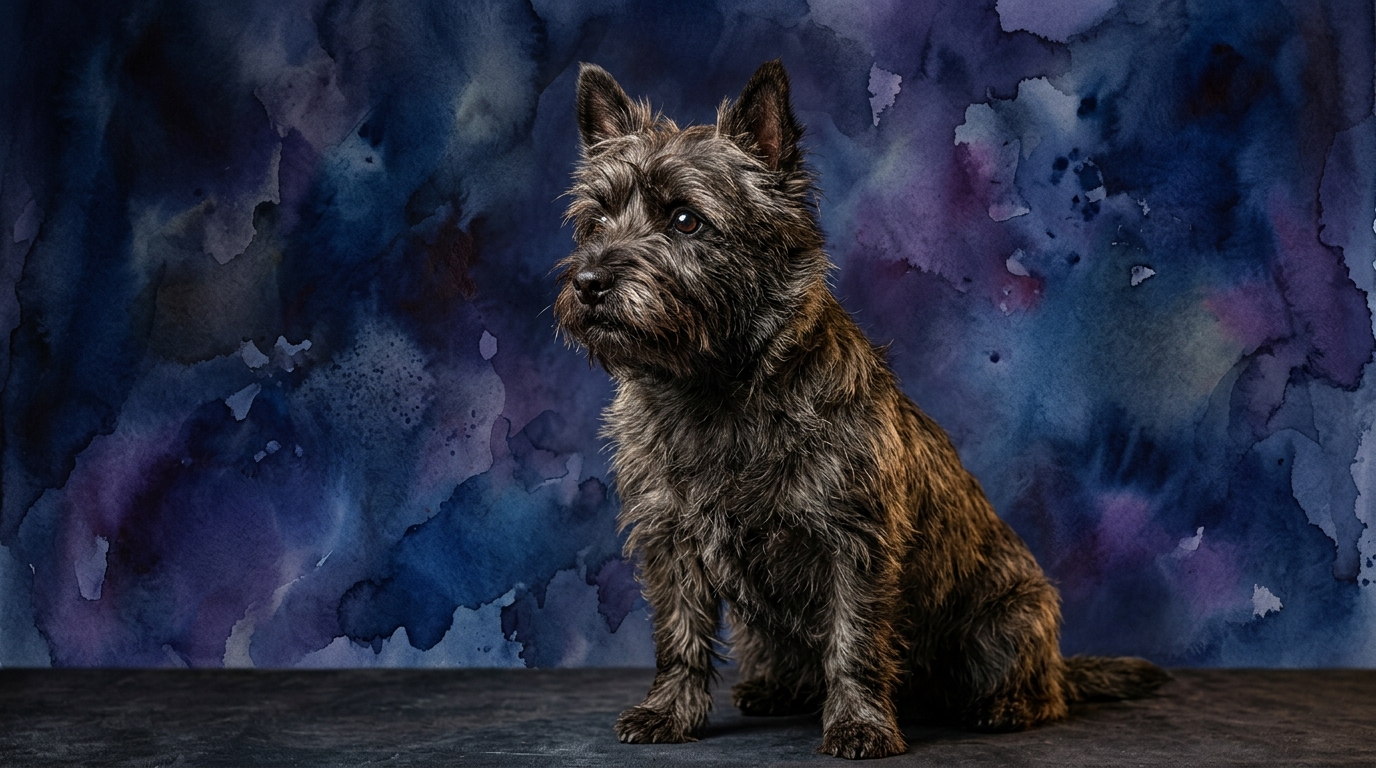
**Cairn Terrier (Terrier Group, Coren Rank #35):**
**Problem Solving (4/5):** Cairns show a robust capacity for figuring things out, from puzzle toys to treat strategies. Their terrier nature promotes persistent, investigative minds, leading them to actively manipulate their environment for desired outcomes.
**Training Speed (4/5):** These dogs are quick studies, absorbing new commands and routines with ease. Their alertness and eagerness mean a swift learning curve, especially with consistent positive reinforcement.
**Social Intelligence (3/5):** Cairns are moderately attuned to human emotions and cues, forming strong bonds but retaining an independent terrier spirit. They are sociable yet self-assured, making their interactions discerning.
**Instinctive Drive (3/5):** Rooted in their working past, Cairns have a moderate drive for digging, chasing, and exploring. This provides a strong underlying motivation requiring appropriate outlets and management.
**Memory (4/5):** The Cairn Terrier demonstrates commendable memory, recalling learned commands, routines, and locations accurately. This strength significantly aids training reinforcement and adaptation to household rules.
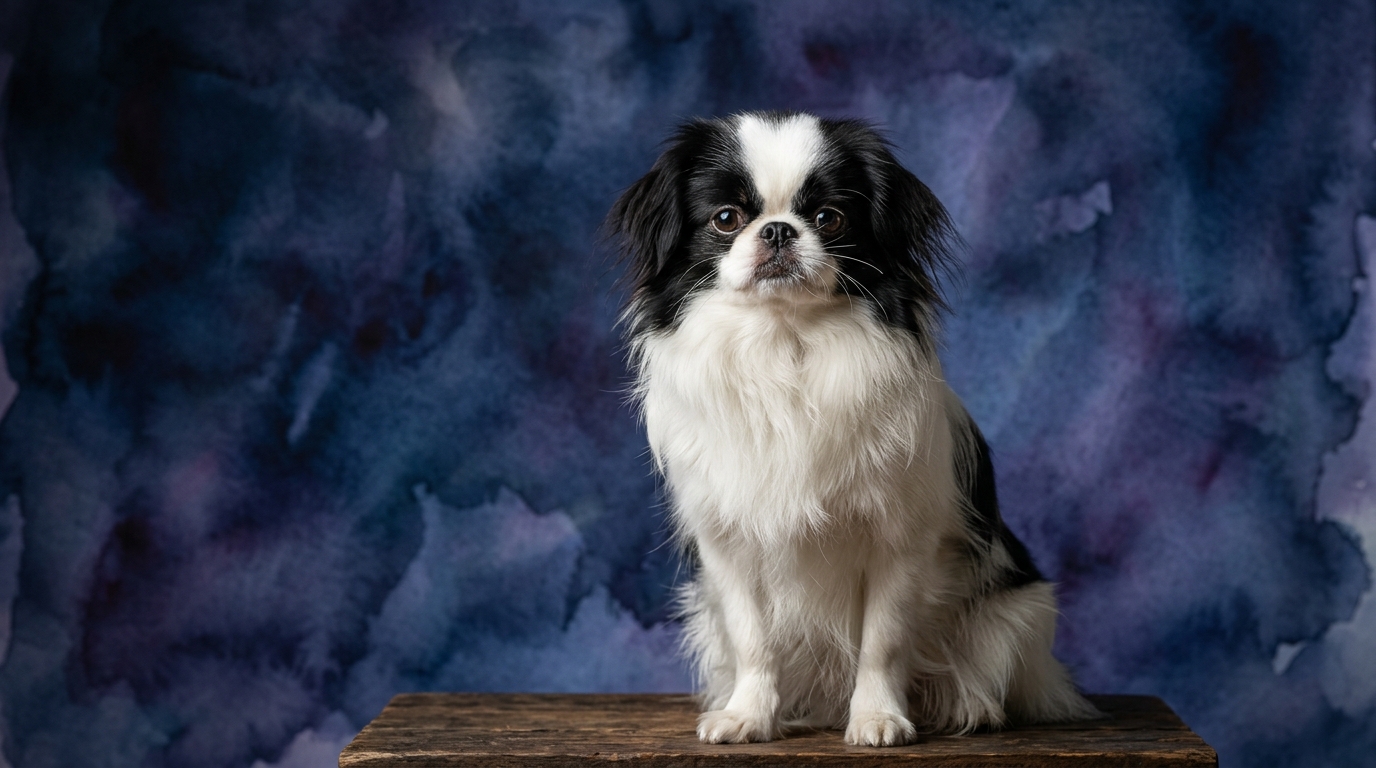
**Japanese Chin (Toy Group, Not Coren-Ranked):**
**Problem Solving (3/5):** Japanese Chins possess a moderate ability to solve problems, often using observation and a gentle approach. Their style is less tenacious and more reflective than a terrier's, often preferring human assistance for complex tasks.
**Training Speed (3/5):** While capable, Japanese Chins learn at a more deliberate pace. They respond best to patient, positive reinforcement; their sensitive nature means harsh corrections are counterproductive.
**Social Intelligence (3/5):** Japanese Chins are notably sensitive and highly attuned to human emotional states, often reading moods. They thrive on companionship, frequently seeking to comfort or engage, demonstrating strong understanding within their circle.
**Instinctive Drive (3/5):** Their instinctive drives are typically moderate, focused on companionship and comfort rather than strong prey drive. Playful bursts are common, but their natural inclination is toward being a devoted, affectionate lapdog.
**Memory (3/5):** Japanese Chins exhibit reliable memory for routines, familiar faces, and preferred spots. They remember training cues and rules, though consistent reinforcement helps solidify their recall.
Where Cairn Terrier Wins Cognitively
The Cairn Terrier's cognitive strengths distinctly shine in areas demanding proactive engagement and independent thought. Their problem-solving score of 4/5, compared to the Chin's 3/5, highlights a greater aptitude for tackling new challenges and devising solutions without constant human intervention. For instance, a Cairn is more likely to strategically work at a puzzle feeder until the treat is dispensed, showcasing higher cognitive persistence. Furthermore, their superior training speed (4/5 vs. 3/5) means they typically pick up complex commands or participate in dog sports like agility with a quicker grasp, translating to faster progress in structured learning. Their memory at 4/5 also gives them an edge in retaining these learned behaviors over extended periods.
Where Japanese Chin Wins Cognitively
While the Japanese Chin may not outrank the Cairn in raw problem-solving or training speed, its cognitive advantages lie in its refined social and emotional intelligence within a companion context. Though both score 3/5 in social intelligence, the Chin's expression is often more nuanced and directed towards emotional connection. They possess an exceptional ability to read subtle human cues, often anticipating their owner's needs for comfort without explicit signals. This empathetic understanding fosters a deep, reciprocal bond, making them extraordinarily perceptive and responsive to their home's emotional climate. Their lower instinctive drive compared to a terrier's typical chase instincts, means their mental energy is less diverted, allowing for a more focused, calm presence, a cognitive "win" for owners seeking tranquility and emotional connection.
Which is Easier to Train and Why
Based on The Cosmic Pet Pet IQ Lab data, the Cairn Terrier generally presents as the easier breed to train, primarily due to its higher Training Speed (4/5) and Problem Solving (4/5) scores compared to the Japanese Chin's 3/5 in both categories. Cairns possess a natural eagerness to learn and engage, often viewing training as a stimulating problem to solve, contributing to their quicker grasp of commands. Their terrier tenacity means they are less deterred by minor setbacks and more inclined to persist until they understand what is expected. In contrast, the Japanese Chin, while trainable, requires a more patient and gentle approach. Their sensitive nature means harsh corrections are counterproductive, potentially leading to reluctance. Their training speed suggests a need for more consistent repetition and positive reinforcement to solidify learning, as their motivation often stems from companionship and praise rather than pure intellectual challenge.
Which Suits Active Owners vs Relaxed Owners
**Active Owners:** The Cairn Terrier is unequivocally better suited for active owners. Their 4/5 problem-solving ability and 3/5 instinctive drive mean they thrive on mental and physical engagement. These dogs need structured activities like puzzle toys, obedience training, agility, or earthdog trials to prevent boredom. An active owner enjoying daily walks, hikes, or interactive play will find a Cairn a spirited and enthusiastic companion, eager to explore and learn. Their robust memory (4/5) also makes them excellent candidates for continued learning and dog sports.
**Relaxed Owners:** The Japanese Chin, with its moderate problem-solving (3/5) and instinctive drive (3/5), is an ideal match for more relaxed owners. While they enjoy playful bursts, their primary needs revolve around companionship and comfort. A Chin is content with shorter, leisurely walks and ample cuddle time. Their sensitive social intelligence makes them exceptionally intuitive companions, perfectly happy observing from a comfortable lap. They don't demand constant strenuous activity or complex mental stimulation to the same degree as a Cairn, fitting well with those seeking a devoted, calm, and affectionate presence.
The Verdict
Opt for a Cairn Terrier if you are an engaged owner who values a spirited, independent thinker capable of quickly mastering new challenges and participating enthusiastically in activities like dog sports or extended explorations. Their keen problem-solving and training speed make them rewarding partners for those seeking an active, intellectually stimulating canine companion.
Select a Japanese Chin if your lifestyle leans towards calm companionship and you appreciate a sensitive, emotionally attuned dog who thrives on close human interaction and gentle routines. Their delightful presence and capacity for deep connection make them perfect for owners seeking a devoted, less demanding companion.
🧠 Find Your Pet's IQ Score
Our Pet IQ Lab assessment covers 25+ tests across 5 cognitive dimensions — personalized to your breed.
Take the Full IQ Test →Frequently Asked Questions
Are Cairn Terriers difficult to train due to their terrier nature?
While Cairns possess an independent spirit, their 4/5 training speed and problem-solving ability indicate they are generally quick learners. Consistent, positive reinforcement training is highly effective, channeling their natural curiosity and tenacity into desired behaviors.
Do Japanese Chins require a lot of mental stimulation?
Japanese Chins have a moderate need for mental stimulation (3/5 problem-solving), preferring gentle engagement like puzzle toys or learning simple tricks over complex, sustained challenges. Their primary contentment comes from close companionship and a calm household environment.
How do their social intelligence scores of 3/5 manifest differently in each breed?
For Cairns, 3/5 social intelligence often means they are self-assured and discerning in interactions, bonding strongly with family but maintaining independence. For Chins, it manifests as deep sensitivity and emotional attunement to humans, often anticipating needs for comfort and thriving on gentle interaction.