Side-by-Side Cognitive Profile
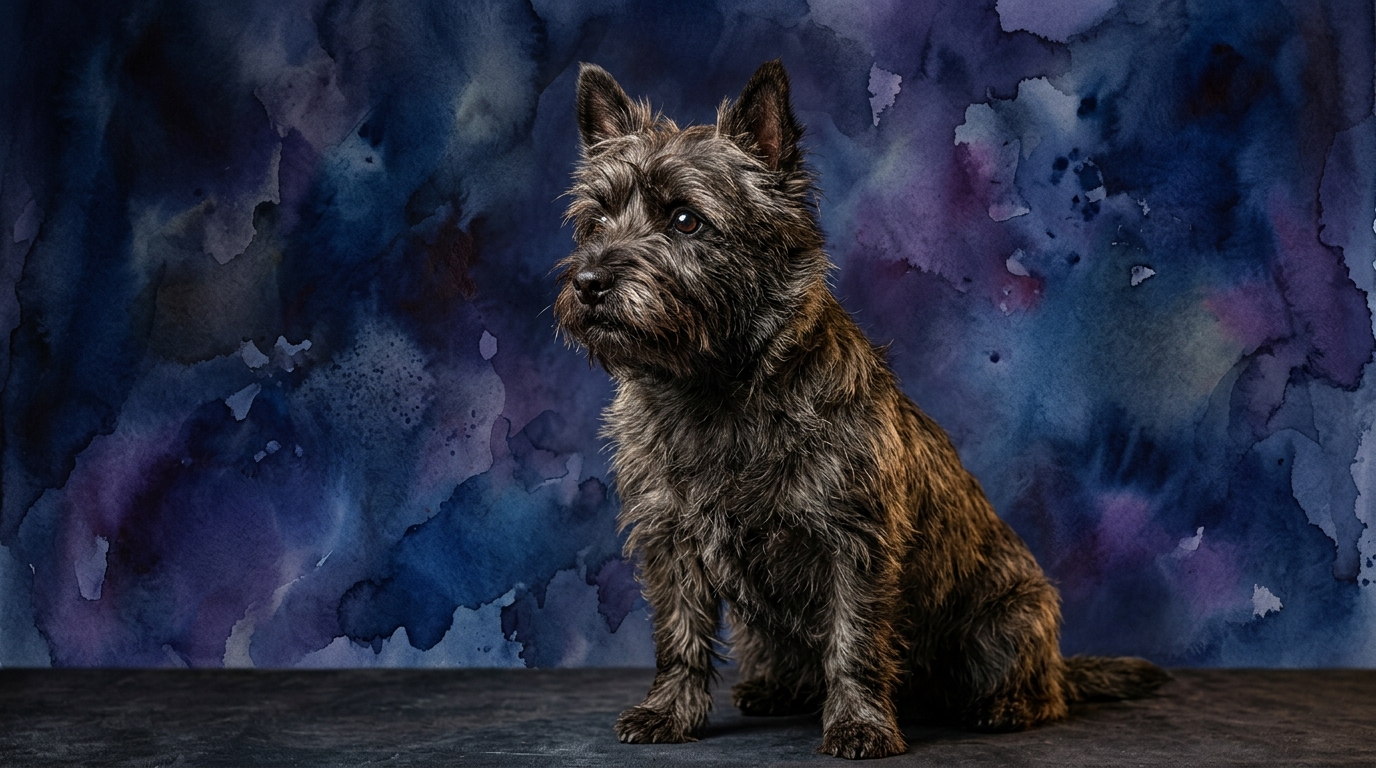
The Cairn Terrier, a lively member of the Terrier group and ranked #35 by Stanley Coren for working intelligence, presents a cognitive profile geared towards independent action and quick learning. Their problem-solving capacity is rated 4 out of 5, indicating a strong aptitude for figuring out challenges and navigating complex situations. Training speed also scores 4 out of 5, suggesting they grasp new commands with relative ease. Social intelligence is assessed at 3 out of 5, reflecting their ability to interact but often with a confident, self-directed demeanor. Their instinctive drive, at 3 out of 5, points to a moderate expression of their terrier heritage, often manifesting as curiosity and a desire to explore. Finally, memory stands at 4 out of 5, signifying a strong retention of learned behaviors and experiences.
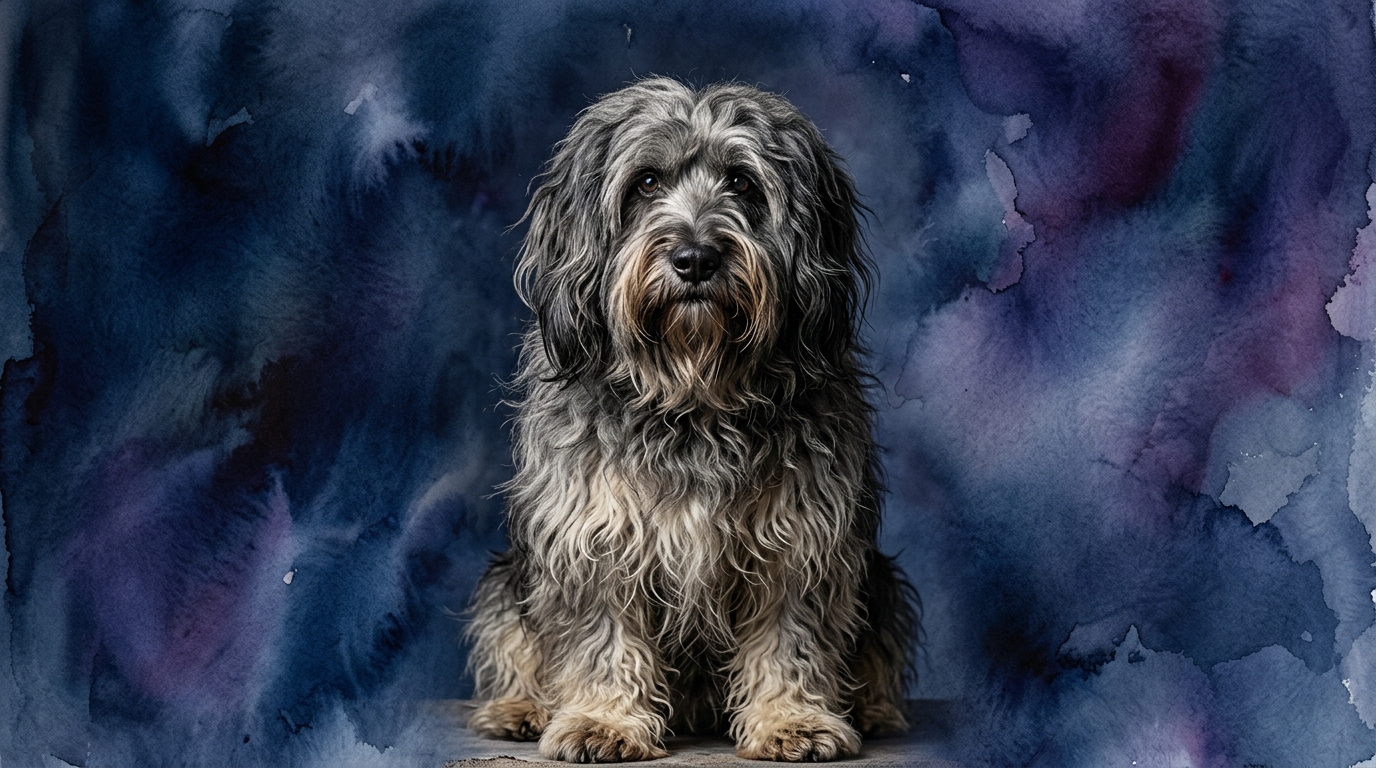
In contrast, the Polish Lowland Sheepdog (PON), a diligent Herding breed not currently ranked by Coren, offers a balanced and steadfast cognitive makeup. Across all five dimensions – problem-solving, training speed, social intelligence, instinctive drive, and memory – the PON scores a consistent 3 out of 5. This uniform rating suggests a steady, reliable cognitive approach rather than bursts of specialized brilliance. Their problem-solving ability, while not as immediately sharp as the Cairn's, is practical and persistent. Training speed is moderate, requiring patience and clear methods, while their social intelligence emphasizes strong family bonds and a watchful nature. Their instinctive drive, focused on herding and guarding, is expressed thoughtfully, and their memory ensures consistent recall over time, albeit with more reinforcement.
Where the Cairn Terrier Excels Cognitively
The Cairn Terrier’s intellectual advantages primarily stem from their higher ratings in problem-solving, training speed, and memory. Their 4/5 problem-solving ability means they are inherently curious and adept at figuring things out on their own. This might manifest as quickly understanding how to open a cabinet, retrieve a hidden toy from a complex puzzle, or creatively bypass an obstacle in their path. This cognitive nimbleness makes them engaging partners for interactive games and challenges that require independent thought rather than just following commands.
Furthermore, the Cairn’s 4/5 training speed means they often pick up new commands and routines with fewer repetitions than many breeds. This rapid acquisition can be incredibly rewarding for owners, making initial training phases feel particularly productive. Coupled with a 4/5 memory, once a Cairn has truly learned something, it tends to stick. This combination allows them to build a broad repertoire of behaviors and respond reliably to cues they have mastered, provided their independent spirit is channeled appropriately during instruction.
Where the Polish Lowland Sheepdog Demonstrates Unique Strengths
While the Polish Lowland Sheepdog's individual scores are uniform at 3/5, their collective cognitive profile underscores a different kind of strength: balance, resilience, and thoughtful application. Their moderate scores across the board contribute to a dog that is consistently capable and adaptable, rather than excelling in one specific area at the expense of others. This balanced intellect allows them to process information steadily and apply it reliably, which is crucial for their historical role as watchful herders and guardians.
The PON's social intelligence, though rated 3/5 like the Cairn, often manifests as a deep, protective bond with their family unit, requiring a nuanced understanding of their human pack's needs and emotional states. This isn't about quick, extroverted engagement, but rather a sustained, observant loyalty. Their instinctive drive, also 3/5, is geared towards a vigilant guardianship and low-level herding, demanding a sustained, thoughtful engagement with their environment and charges, rather than the quick, reactive bursts of a terrier. They excel at assessing situations and managing their charges with a calm, considered approach.
Training Dynamics: Cairn Terrier vs. Polish Lowland Sheepdog
When it comes to training, the Cairn Terrier's 4/5 training speed means they are often quick to grasp new concepts. However, their independent terrier nature and problem-solving prowess (4/5) can sometimes translate into a preference for figuring things out their own way, or choosing when to apply their learned knowledge. This means while they learn rapidly, achieving consistent, precise obedience often requires engaging their intellect through positive reinforcement, making training feel like a game or a puzzle they want to 'win' rather than a chore.
The Polish Lowland Sheepdog, with a 3/5 training speed, will generally require more repetitions and patience during training sessions. Their herding background means they are often observant and desire to please their primary human, but they need clear, consistent direction and motivation to internalize commands. They might not offer behaviors as readily or spontaneously as a Cairn, but once they understand an expectation, they are typically more amenable to sustained, methodical training. Building trust and a strong working relationship is paramount for the PON, leveraging their social intelligence for family bonding.
Lifestyle Suitability: Active vs. Relaxed Owners
For owners seeking an active, engaging companion, the Cairn Terrier presents a compelling choice. Their spirited nature, coupled with a high problem-solving score (4/5) and innate curiosity, means they thrive on daily adventures, puzzle toys, and interactive play that stimulates both body and mind. They enjoy exploring new environments, digging, and participating in activities that allow them to 'work' their brains. An owner who enjoys consistent, varied engagement, from brisk walks to agility games or scent work, will find a truly appreciative partner in a Cairn.
The Polish Lowland Sheepdog, while certainly benefiting from regular exercise and mental stimulation, might be a better fit for owners who appreciate a more measured pace and a steadfast presence. Their protective instincts and observant nature mean they are often content surveying their surroundings and family, requiring consistent but not necessarily high-octane daily activities. They thrive on having a purpose, whether it's guarding the home or participating in obedience and rally, but are generally less demanding of constant 'go, go, go' compared to some terrier breeds. They appreciate a calm, structured routine and a strong bond with their human companions.
The Verdict
Choose the Cairn Terrier if you seek a quick-witted, independent companion who excels at problem-solving games and learns new tricks with enthusiasm, provided you can channel their terrier determination.
Choose the Polish Lowland Sheepdog if you value a steadfast, observant companion with a balanced cognitive profile, who thrives on consistent, patient guidance and forms deep, protective family bonds.
🧠 Find Your Pet's IQ Score
Our Pet IQ Lab assessment covers 25+ tests across 5 cognitive dimensions — personalized to your breed.
Take the Full IQ Test →Frequently Asked Questions
Are Cairn Terriers good at obedience competitions?
With a Coren ranking of #35 and high scores in training speed and memory, Cairn Terriers can excel in obedience if their independent streak is managed through positive, engaging training methods. Their quick learning makes them strong contenders when properly motivated.
Do Polish Lowland Sheepdogs need a lot of mental stimulation?
Yes, like most working breeds, Polish Lowland Sheepdogs benefit from regular mental challenges such as puzzle toys, scent work, and consistent training sessions to keep their minds engaged and prevent boredom. Their observant nature thrives on having a 'job' or purpose, even if it's just supervising the household.
How do their social intelligence scores of 3/5 differ in practice?
A Cairn's 3/5 social intelligence often means they are friendly but independent, engaging on their own terms. A Polish Lowland Sheepdog's 3/5 typically manifests as loyalty and protectiveness towards their family, often being more reserved or watchful with strangers, highlighting their distinct social priorities and bond focus.