Side-by-Side Cognitive Profiles
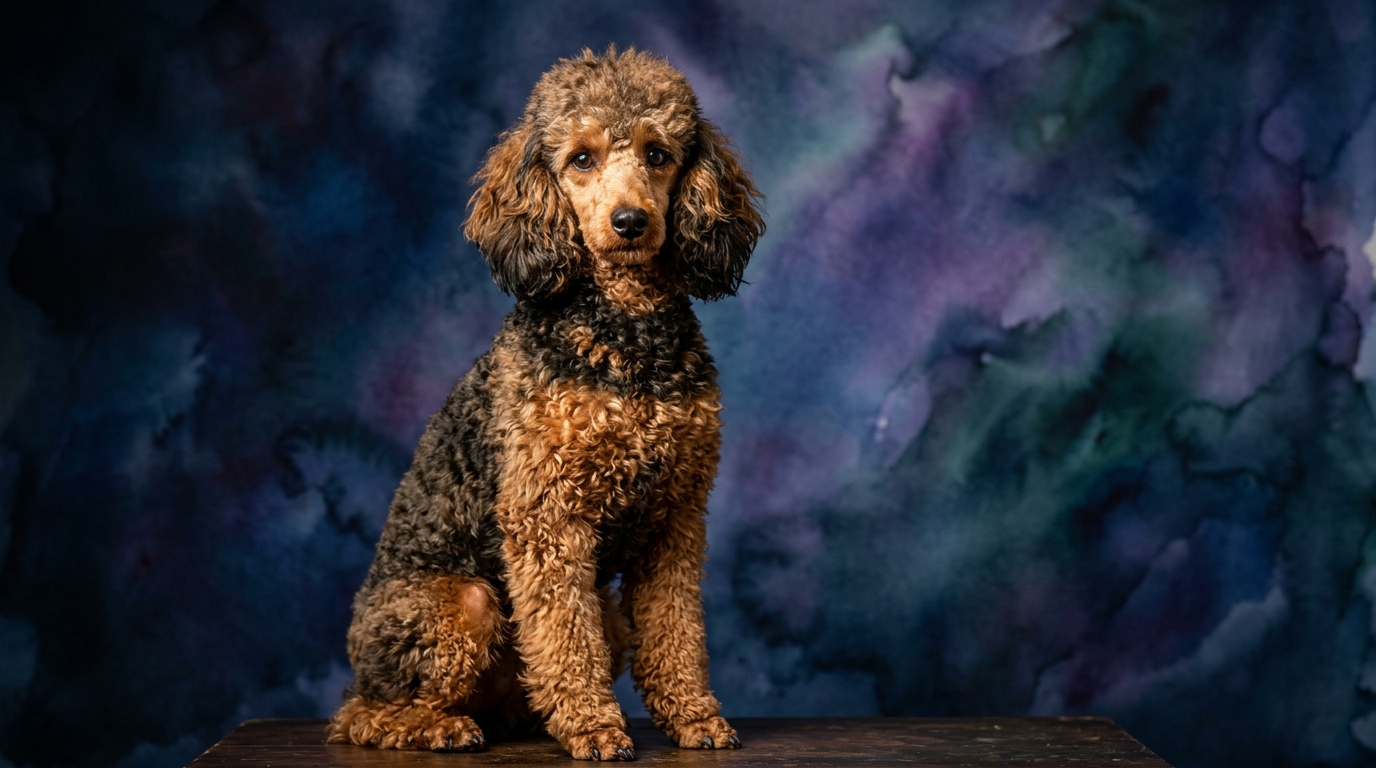
The Cosmic Pet Pet IQ Lab employs a five-dimensional framework to assess canine intelligence, offering a nuanced perspective beyond simple rankings. For the Poodle (Standard), this framework illuminates a profile of exceptional cognitive versatility. Their Problem Solving is rated 5/5, indicating a remarkable capacity to quickly analyze novel situations and devise effective solutions, often with minimal guidance. Training Speed also scores 5/5, reflecting their rapid assimilation of commands and complex sequences, making them highly responsive to instruction. A Social Intelligence of 5/5 means Standard Poodles are acutely attuned to human emotions and subtle cues, fostering deep bonds and cooperative behaviors. Their Instinctive Drive, at 4/5, points to a strong, yet controllable, desire for engagement, often manifesting in retrieving or observational tasks. Finally, a Memory score of 5/5 ensures they retain learned behaviors and associations with impressive longevity.
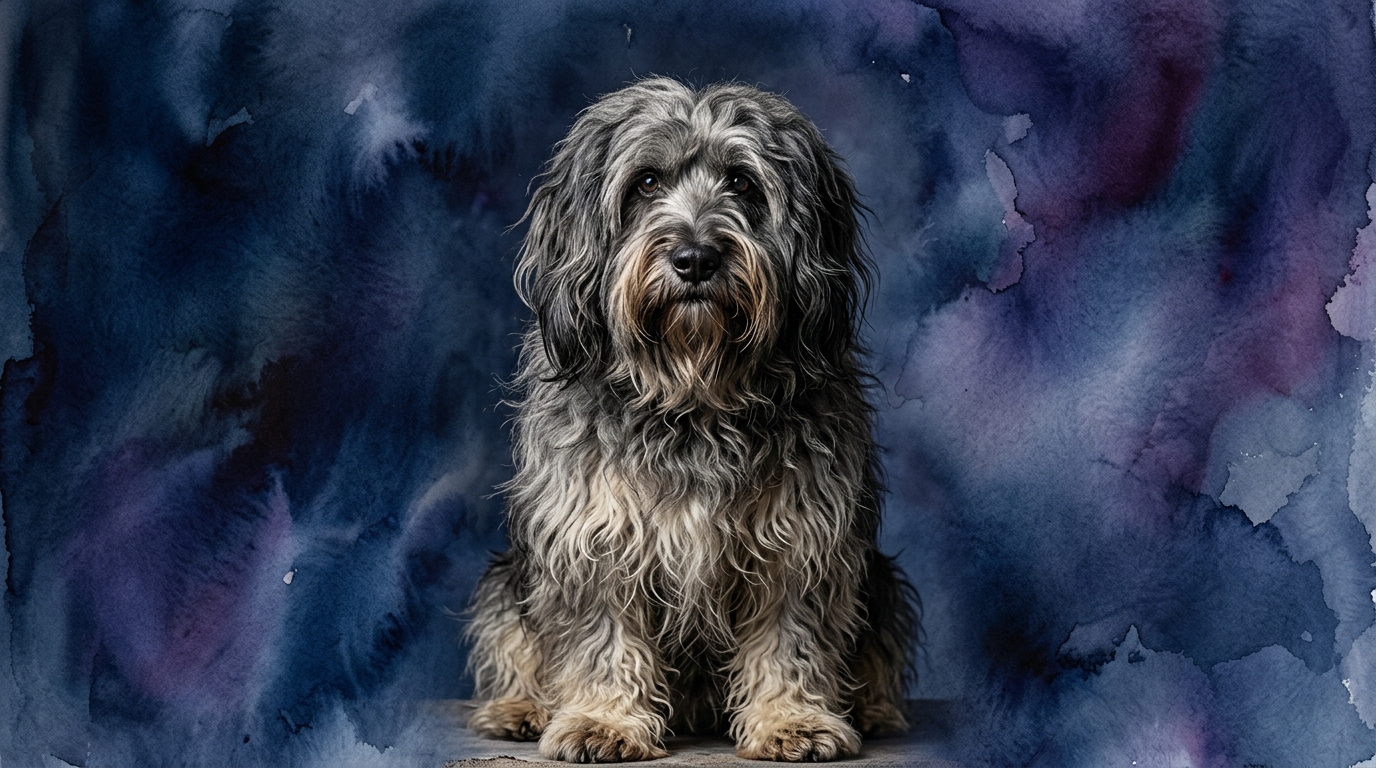
In contrast, the Polish Lowland Sheepdog presents a cognitive profile shaped by centuries of independent herding work in challenging environments. Their Problem Solving is rated 3/5, suggesting they are capable of navigating familiar challenges and making practical decisions within their domain, though they may require more structured repetition for abstract or novel tasks. Training Speed also stands at 3/5, indicating a moderate learning pace that benefits from consistent, patient instruction rather than rapid acquisition. Their Social Intelligence, rated 3/5, reflects a breed that forms strong bonds within its family unit but might display a more reserved or independent demeanor with strangers or in unfamiliar social contexts. The Instinctive Drive of 3/5 is specifically geared towards their heritage, encompassing a watchful nature and a propensity for independent action in managing their 'flock.' Their Memory, at 3/5, is reliable for core tasks but may necessitate occasional refreshers for less frequently practiced commands.
Where Poodle (Standard) Excels Cognitively
The Standard Poodle’s cognitive strengths shine brightest in areas demanding broad adaptability and rapid processing of information. Their 5/5 Problem Solving means they can swiftly generalize learned concepts, applying a solution from one scenario to a completely new one without extensive retraining. For instance, a Standard Poodle quickly understands that 'stay' applies whether they are in the living room, a park, or a busy street, and they can deduce how to open a child-proof gate after observing it only a few times. This cognitive flexibility also extends to their exceptional Social Intelligence; they interpret subtle shifts in human body language, tone of voice, and emotional states with remarkable accuracy, making them highly intuitive companions and effective partners in tasks like service work where nuanced communication is paramount. Their 5/5 Training Speed allows them to master complex multi-step commands and intricate sequences, such as those required in competitive obedience or agility, often after only a handful of repetitions, demonstrating a superior capacity for processing and executing intricate instructions.
Where Polish Lowland Sheepdog Demonstrates Specialized Strengths
While the Polish Lowland Sheepdog’s overall scores are moderate, their cognitive strengths are deeply rooted in the practical demands of their herding heritage. Their 3/5 Problem Solving, though not as rapid or broad for abstract puzzles, is specifically tuned for practical, real-world challenges like managing livestock or assessing environmental safety. This translates into a tenacity and self-reliance crucial for their original herding role. Their Instinctive Drive, also 3/5, supports a specialized form of situational awareness; they possess a keen observational ability for their surroundings and their family unit, often acting as a watchful guardian. This manifests as a cognitive strength in discerning subtle changes in their environment that might indicate a need for their attention, such as a child wandering too far or an unfamiliar presence approaching. Their moderate Social Intelligence, combined with their self-reliant nature, fosters a loyalty that allows them to make independent decisions they perceive as beneficial for their 'flock,' rather than constantly seeking human direction.
Training Ease: Poodle vs. PLS
There is a clear distinction in training ease between these two breeds, primarily driven by their disparate cognitive profiles. The Poodle (Standard) is overwhelmingly the easier breed to train. Their 5/5 Training Speed means they absorb new commands and behaviors with remarkable alacrity, often requiring only a few repetitions before grasping a concept. This rapid learning is synergized by their 5/5 Social Intelligence; Poodles are highly motivated by human interaction and praise, actively seeking to understand and comply with their owner's wishes. This eager-to-please nature, combined with their problem-solving prowess, means they are not only quick to learn but also quick to generalize behaviors to new environments and situations. Real behavioral differences include fewer instances of 'selective hearing,' a greater willingness to try new things, and a faster progression through training levels, making them excellent candidates for advanced obedience, trick training, or dog sports.
The Polish Lowland Sheepdog, conversely, presents a more significant training commitment. Their 3/5 Training Speed means owners must adopt a patient, consistent approach, understanding that mastery of commands will require more repetitions and sustained effort. Their moderate Problem Solving score suggests they may not generalize behaviors as readily as a Poodle, necessitating training in various environments to solidify understanding. Furthermore, their 3/5 Social Intelligence and Instinctive Drive, while fostering loyalty, can also contribute to a more independent mindset. A PLS is less likely to blindly follow instructions and may instead assess whether a command aligns with their own perceived task or interest, sometimes displaying a stubborn streak. Real behavioral differences include a greater need for high-value rewards to maintain engagement, a tendency to test boundaries during adolescence, and a requirement for owners to be creative and persistent in making training sessions engaging and rewarding to overcome their inherent self-reliance.
Matching Breeds to Owner Lifestyles
Understanding the cognitive and instinctive needs of each breed is crucial for matching them with the right owner lifestyle. The Poodle (Standard) is an excellent fit for active owners who relish engaging their dog in diverse, mentally stimulating activities. Their high problem-solving and training speed mean they thrive on learning new tricks, participating in agility, competitive obedience, or even scent work. They require consistent mental engagement to prevent boredom and channel their considerable cognitive energy constructively. While they enjoy physical exercise, their need for intellectual challenges is equally, if not more, pronounced. For truly relaxed owners who prefer minimal interaction or structured activities, a Standard Poodle might become bored, potentially leading to undesirable behaviors as they seek to entertain themselves.
The Polish Lowland Sheepdog, with its herding heritage, also benefits from active owners, though the nature of the activity differs. They require regular physical exercise that allows them to expend energy and fulfill their innate drive for patrolling and monitoring. Long walks, hikes, or opportunities to engage in herding-related games are beneficial. However, their cognitive profile, with moderate scores, suggests they may not demand the same intensity or variety of complex mental puzzles as a Poodle. They are more suited for owners who can provide consistent outdoor activity and appreciate a dog that is self-reliant and watchful, rather than one constantly seeking novel intellectual challenges. For relaxed owners, a PLS can be a handful; their moderate instinctive drive and independence mean they need purposeful activity and boundaries, and a lack of engagement could lead to a dog that invents its own 'work,' which might not always align with household rules.
The Verdict
Select the Poodle (Standard) if you desire a highly adaptable, rapidly learning partner eager for diverse mental challenges, excelling in intricate training, service work, or competitive dog sports. They thrive with owners who provide consistent mental engagement and appreciate a dog that is deeply attuned to human cues and emotions.
Opt for the Polish Lowland Sheepdog if you seek a steadfast, independent companion with a specialized herding drive, valuing a watchful nature and a pragmatic approach to their environment. They are best suited for owners willing to invest patient, consistent effort into training a dog that thinks for itself and thrives with purposeful outdoor activity.
🧠 Find Your Pet's IQ Score
Our Pet IQ Lab assessment covers 25+ tests across 5 cognitive dimensions — personalized to your breed.
Take the Full IQ Test →Frequently Asked Questions
Are Poodles good for first-time dog owners?
Yes, Poodles (Standard) can be excellent for first-time dog owners due to their high social intelligence and training speed, making them responsive and eager to please. However, their significant need for mental stimulation means a first-time owner must be prepared to invest time in consistent training and enrichment to prevent boredom.
Do Polish Lowland Sheepdogs bark a lot?
Polish Lowland Sheepdogs can be prone to barking, as their instinctive drive includes being watchful guardians of their 'flock' or territory. While individual dogs vary, their alertness to environmental changes often leads to vocalizations, which owners should be prepared to manage through consistent training.
What kind of mental stimulation do Poodles need?
Poodles (Standard) require extensive mental stimulation, including regular training sessions for new commands or tricks, puzzle toys that challenge their problem-solving skills, and opportunities for dog sports like agility or obedience. Engaging them in varied activities prevents boredom and channels their high cognitive energy constructively.