Side-by-Side Cognitive Profile
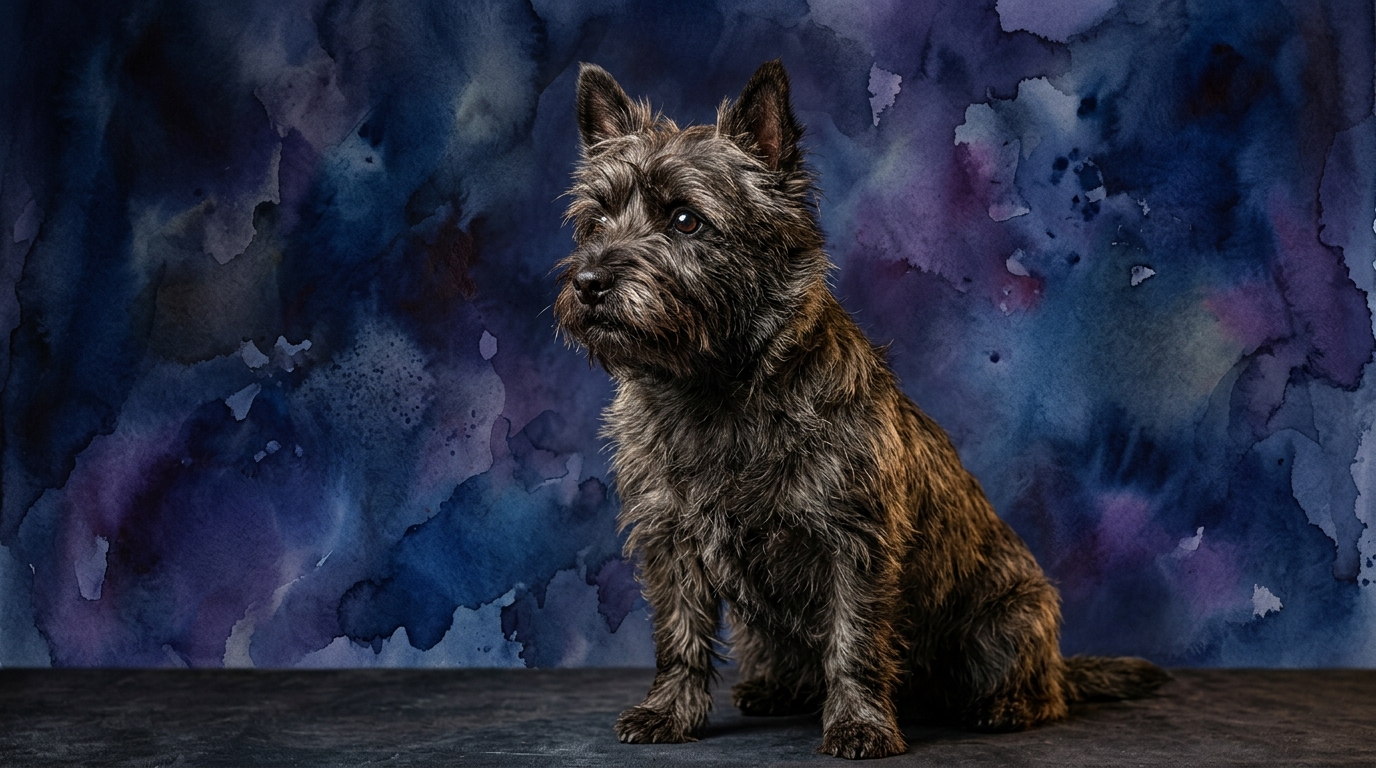
The Cairn Terrier, with a Coren rank of #35, exhibits a robust cognitive profile. Its Problem Solving is rated 4/5, indicating a capacity for independent thought and effective navigation of novel challenges, often seeking creative solutions. Training Speed also scores 4/5, suggesting a quick grasp of commands and routines, making them generally responsive to consistent instruction. Social Intelligence, at 3/5, points to adequate understanding of human cues and interactions, though perhaps with a characteristic terrier independence. Their Instinctive Drive, also 3/5, reflects a moderate but present inclination towards typical terrier behaviors like digging or chasing, rooted in their working heritage. Finally, a Memory score of 4/5 means Cairn Terriers typically retain learned behaviors and past experiences efficiently, aiding in long-term training and recall.
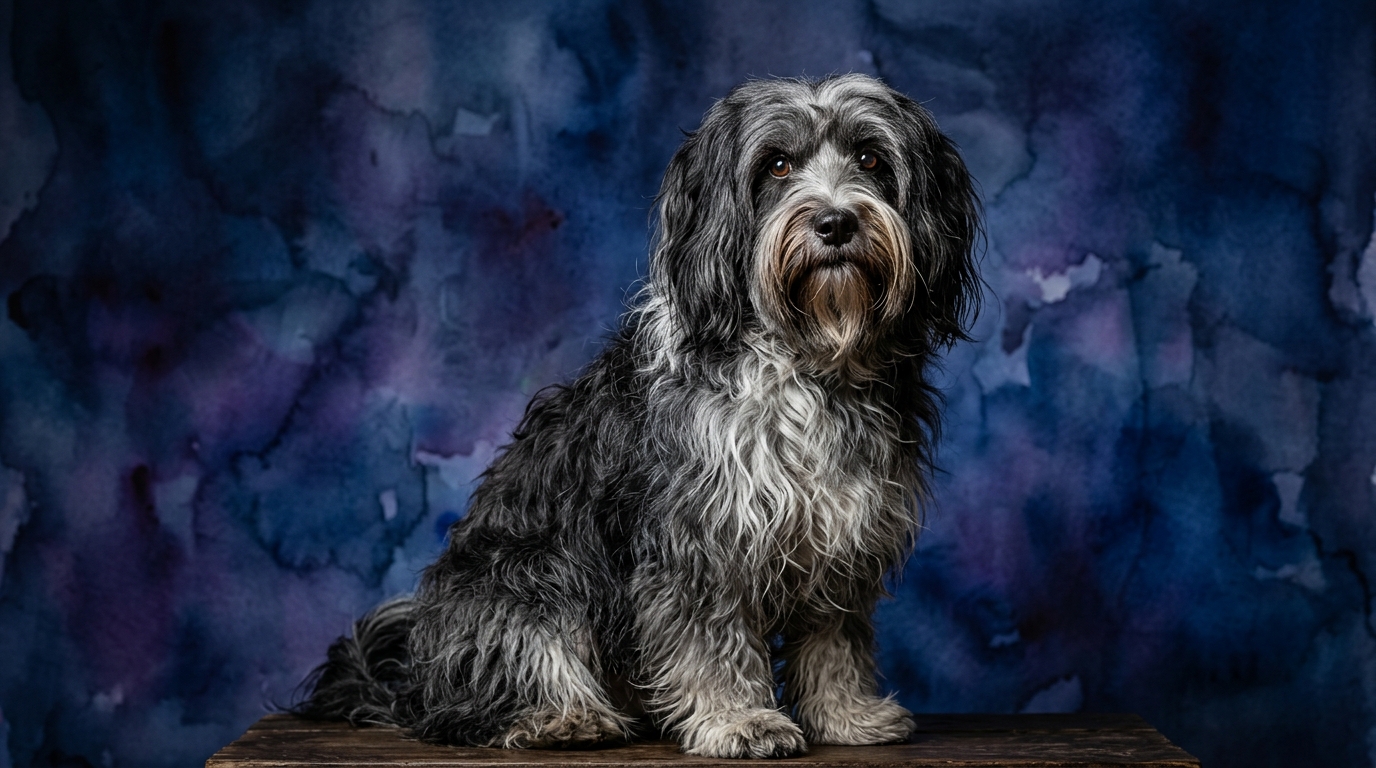
Hailing from the Non-Sporting group, the Tibetan Terrier, with a Coren rank of #63, presents a balanced yet distinct cognitive blueprint. Their Problem Solving is rated 3/5, indicating a competent but perhaps less independently driven approach to new challenges compared to some breeds. Training Speed also sits at 3/5, suggesting they are trainable with patience and positive reinforcement, though they may require more repetition than faster learning breeds. Social Intelligence is 3/5, signifying a solid ability to connect with their human companions and interpret social cues, making them engaging family members. Their Instinctive Drive, at 3/5, suggests a moderate level of inherent urges, less focused on prey drive than terriers, but still present in their explorations. Memory, rated 3/5, indicates a sound ability to recall information, though potentially not with the same rapid retention as breeds with higher scores.
Where Cairn Terrier Wins Cognitively
The Cairn Terrier's cognitive profile distinctly outshines the Tibetan Terrier in specific areas, primarily problem-solving and memory retention. With a Problem Solving score of 4/5, compared to the Tibetan's 3/5, Cairns often demonstrate a more proactive and inventive approach to overcoming obstacles. This translates into a dog that might figure out how to open a cabinet, retrieve a hidden toy, or navigate complex environments with less direct guidance. Their inherent terrier tenacity, combined with this higher problem-solving aptitude, means they are less likely to give up on a mental puzzle and actively seek solutions.
Furthermore, the Cairn Terrier's Memory score of 4/5, versus the Tibetan's 3/5, gives them an edge in retaining learned behaviors and commands over longer periods. This robust memory contributes to more reliable recall and better long-term retention of complex sequences, making advanced training or agility work potentially more fluid and less prone to requiring frequent refreshers. Their capacity to quickly recall past experiences also means they can adapt more rapidly to recurring situations, drawing on previous successes or failures with greater efficiency.
Where Tibetan Terrier's Cognitive Profile Shines
While the Tibetan Terrier's individual cognitive scores might not numerically surpass the Cairn in any single dimension, its balanced 3/5 ratings across all categories—Problem Solving, Training Speed, Social Intelligence, Instinctive Drive, and Memory—presents a distinct advantage for owners seeking a consistently adaptable and less intensely driven companion. Unlike the Cairn's higher peaks in problem-solving and memory, the Tibetan Terrier's uniformity suggests a more predictable and less intensely demanding cognitive output, reducing potential behavioral extremes.
This balanced profile means they are less likely to exhibit extreme tendencies in any single area. For instance, while their Problem Solving is 3/5, it's paired with a 3/5 Instinctive Drive, meaning their curiosity or ingenuity is less likely to be channeled into tenacious, potentially disruptive terrier-specific pursuits like incessant digging or chasing. Their 3/5 Social Intelligence, on par with the Cairn, is particularly noteworthy given their non-sporting classification, highlighting a strong capacity for empathetic interaction without the independent streak sometimes associated with higher-drive working breeds. This overall equilibrium fosters a dog that is generally amenable, enjoys engagement without always seeking to outsmart its environment, and integrates smoothly into varied household dynamics.
Training Easiness: Cairn vs. Tibetan
Based on The Cosmic Pet Pet IQ Lab data, the Cairn Terrier is generally easier to train than the Tibetan Terrier. The Cairn boasts a Training Speed score of 4/5, indicating a quicker assimilation of new commands and routines. This means they are often more responsive to initial instruction and can progress through training stages with fewer repetitions. Their higher Problem Solving (4/5) also plays a role, as they can more readily interpret and apply learned behaviors to new contexts, reducing the need for explicit guidance in varied situations.
Conversely, the Tibetan Terrier has a Training Speed score of 3/5. While certainly trainable, they may require more patience, consistency, and positive reinforcement to solidify commands. Their slightly lower Problem Solving (3/5) means they might not always make the cognitive leaps as quickly as a Cairn, needing more structured guidance when encountering novel training scenarios. The Cairn's stronger Memory (4/5 versus 3/5) also contributes to its training advantage, ensuring that once a behavior is learned, it is more likely to be retained over time, making refreshers less frequent and recall more reliable. The Cairn's inherent terrier drive, when channeled appropriately, can also be a powerful motivator for learning tasks and staying engaged.
Suitability for Active vs. Relaxed Owners
The cognitive profiles of these two breeds offer distinct fits for different owner lifestyles. The Cairn Terrier, with its 4/5 Problem Solving and 4/5 Training Speed, coupled with a 3/5 Instinctive Drive, is better suited for active owners who relish engaging their dog in mental and physical challenges. These are dogs that thrive on consistent interaction, varied training sessions, and opportunities to exercise their cleverness, whether through puzzle toys, obedience work, or exploring new environments. Their independent problem-solving nature means they can become bored or mischievous if not adequately stimulated, making them an ideal match for individuals who enjoy structured activities and can channel their terrier tenacity into productive outlets.
In contrast, the Tibetan Terrier, with its balanced 3/5 scores across the board, including Instinctive Drive, is often a better fit for relaxed owners who appreciate a companionable presence without constant demands for intense mental engagement. While still benefiting from regular walks and basic training, the Tibetan Terrier's cognitive makeup suggests they are less prone to creating their own "fun" through destructive behaviors if left to their own devices for short periods. Their strong 3/5 Social Intelligence ensures they are happy to be part of the family dynamic, content with moderate activity and consistent, gentle training, without the same intensity of intellectual challenge sought by the Cairn.
The Verdict
Opt for a Cairn Terrier if you are an active, engaged owner seeking a mentally agile companion eager to solve puzzles and learn new commands, thriving on consistent training and intellectual stimulation.
Select a Tibetan Terrier if you prefer a balanced, adaptable companion with a moderate drive, who integrates smoothly into family life and appreciates consistent, patient guidance without demanding intense cognitive challenges.
🧠 Find Your Pet's IQ Score
Our Pet IQ Lab assessment covers 25+ tests across 5 cognitive dimensions — personalized to your breed.
Take the Full IQ Test →Frequently Asked Questions
Do Cairn Terriers or Tibetan Terriers bark more?
While individual temperament varies, Cairn Terriers, with their terrier heritage and moderate instinctive drive, might be more prone to alert barking. Tibetan Terriers are generally known to be less vocal but will still bark to communicate or alert.
Are Cairn Terriers and Tibetan Terriers good with children?
Both breeds can be good with respectful children, but supervision is always key. Cairn Terriers might be more playful and robust due to their higher energy, while Tibetan Terriers are generally gentle and adaptable, thriving in a calm family environment.
Which breed is more independent?
Cairn Terriers, with their higher problem-solving and terrier lineage, tend to exhibit more independent thought and a characteristic terrier tenacity. Tibetan Terriers are companion-oriented and generally more willing to work collaboratively, though they retain a distinct personality.