
Side-by-Side: Unpacking Their IQ Profiles
The Cosmic Pet Pet IQ Lab employs a comprehensive framework to assess canine cognition, evaluating breeds across five critical dimensions. For the German Shepherd, a breed often associated with working roles, all five scores register at an impressive 5/5. This includes Problem Solving, indicating an exceptional capacity to navigate complex situations and devise solutions; Training Speed, reflecting rapid acquisition and retention of new commands; Social Intelligence, demonstrating a profound understanding of human cues and emotional states; Instinctive Drive, showcasing a strong inherent motivation for purpose-driven activity; and Memory, highlighting superior recall of experiences and learned behaviors. These top-tier scores contribute to their Coren rank of #3, placing them among breeds that consistently excel in obedience and adaptive learning.
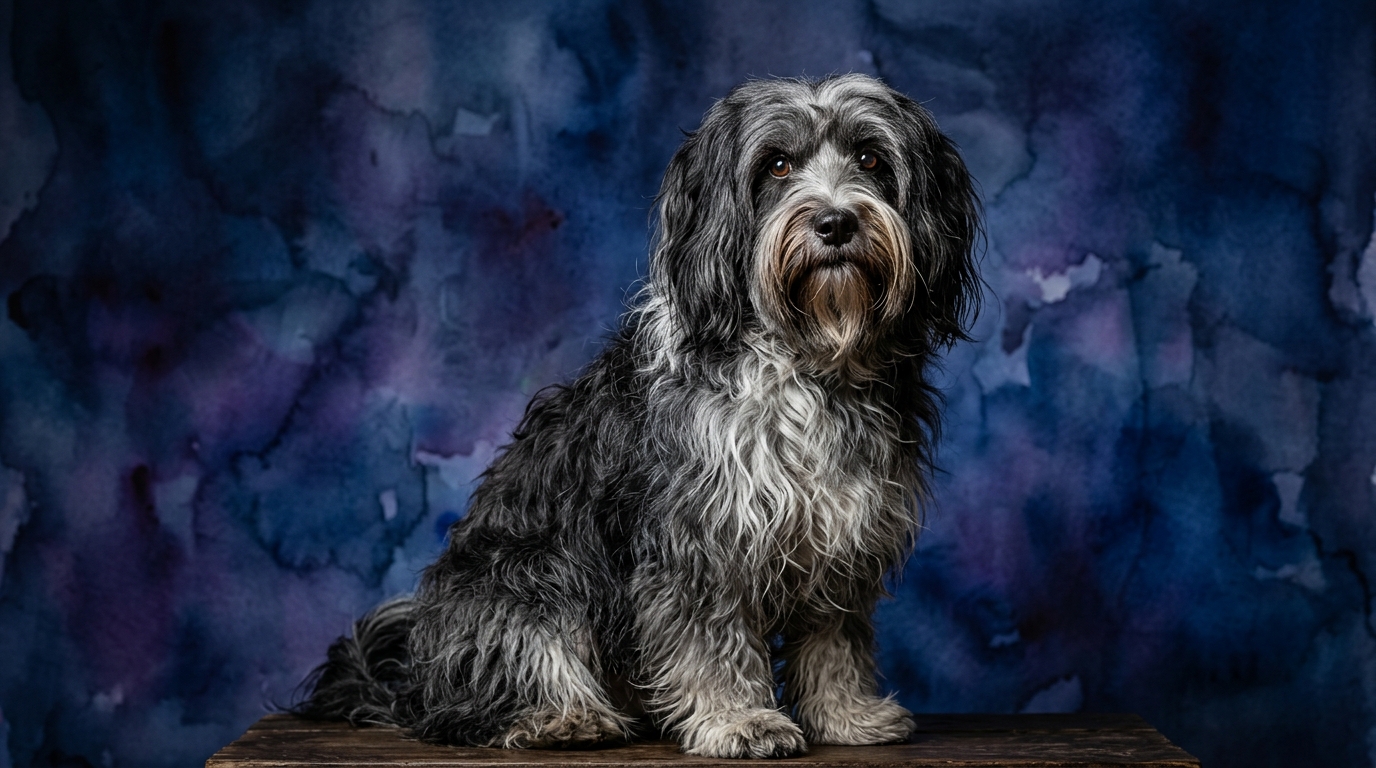
In contrast, the Tibetan Terrier, a breed with a history rooted in companionship and guarding, presents a different cognitive profile, with all five dimensions scoring 3/5. Their Problem Solving ability, while competent, suggests they may take more time to process novel challenges or prefer established routines over innovative solutions. A Training Speed of 3/5 indicates they learn commands steadily, but might require more repetition or varied approaches compared to their German Shepherd counterparts. Their Social Intelligence at 3/5 implies a discerning nature, capable of forming strong bonds but perhaps not universally eager to engage with strangers or interpret subtle human expressions. An Instinctive Drive of 3/5 points to a moderate internal motivation, often content with a less structured existence. Finally, their Memory at 3/5 suggests a reliable recall of important information, though perhaps not with the same depth or longevity as a breed scoring 5/5. This profile places the Tibetan Terrier at a Coren rank of #63, reflecting a practical and adaptable, rather than overtly driven, cognitive style.
Where the German Shepherd's Cognition Excels
The German Shepherd's cognitive strengths, marked by universal 5/5 scores, manifest in their exceptional ability to process and act upon information rapidly and effectively. Their Problem Solving at 5/5 means they don't just follow commands; they can interpret situations, anticipate outcomes, and make independent decisions within a given framework. For instance, a German Shepherd tasked with searching might not just follow a path but actively analyze environmental cues to locate a target more efficiently, demonstrating proactive strategic thinking. This capacity for complex analysis is invaluable in roles requiring initiative, such as protection, search and rescue, or service work, where adaptability to unforeseen circumstances is paramount.
Coupled with their 5/5 Training Speed and Memory, German Shepherds demonstrate a remarkable capacity for intricate learning. They can master multi-step commands and sequences with fewer repetitions and retain them over long periods, making them ideal candidates for advanced obedience, agility, or specialized tasks. Their 5/5 Social Intelligence allows them to deeply attune to their handler's subtle body language and vocal inflections, fostering a seamless partnership built on mutual understanding. This profound social awareness, combined with their strong Instinctive Drive, means they possess an innate desire to engage in purposeful activities and excel at tasks that leverage their physical and mental aptitudes, consistently seeking engagement and structure.
Understanding the Tibetan Terrier's Cognitive Strengths
While the Tibetan Terrier's 3/5 scores across the board might suggest a less 'driven' intellect, these numbers reflect a different, equally valuable set of cognitive priorities. Their Problem Solving at 3/5 often translates into a pragmatic approach to daily life; they are less likely to overcomplicate situations or seek out novel challenges, preferring instead a predictable and comfortable routine. This can be a distinct advantage in a home environment where a dog that constantly seeks out complex puzzles might inadvertently create mischief. Instead, the Tibetan Terrier is more content with straightforward interactions and established patterns, making them excellent companions for those who appreciate a steady presence.
The Tibetan Terrier's 3/5 Social Intelligence means they are discerning rather than universally outgoing. They form deep, meaningful bonds with their immediate family, often exhibiting a quiet loyalty that is profoundly rewarding. While they may not immediately interpret every subtle human cue, they are attentive to their trusted circle, offering a focused companionship. Their 3/5 Instinctive Drive suggests they are not constantly seeking a 'job' or high-intensity activity, making them well-suited to a more relaxed pace of life. This moderate drive, combined with a 3/5 Memory, means they reliably learn what is important for their daily existence and family interactions, without the incessant demand for mental stimulation that breeds with higher drives might exhibit. Their cognitive makeup favors adaptability to domestic life and a strong, though perhaps selective, emotional connection.
Training Ease: A Tale of Two Temperaments
When considering ease of training, the German Shepherd's 5/5 Training Speed and Problem Solving clearly position them as highly amenable to instruction. They grasp new concepts quickly, require fewer repetitions, and are often eager to please, making the training process efficient and rewarding. Their strong Instinctive Drive also means they are intrinsically motivated to work and learn, often viewing training as a fulfilling activity rather than a chore. This eagerness to engage and their capacity for complex understanding allow them to move swiftly through basic obedience to advanced commands, making them suitable for competitive dog sports or highly specialized working roles. Owners will find that German Shepherds thrive on consistent, structured training that challenges their impressive mental faculties.
The Tibetan Terrier, with a Training Speed and Problem Solving score of 3/5, will require a different approach to training. While certainly capable of learning, they may need more patience, positive reinforcement, and varied methods to maintain their interest. Their moderate Instinctive Drive means they might not possess the same inherent zeal for 'work' as a German Shepherd; they might be more motivated by treats or play than by the sheer satisfaction of a task completed. Owners should anticipate a slower learning curve and focus on making training sessions enjoyable and relatively short to prevent boredom. While they can achieve good levels of obedience, their independent streak, stemming from their problem-solving approach, means consistency is key, and owners should be prepared to be persistent and creative to keep them engaged.
Lifestyle Match: Active vs. Relaxed Owners
For owners with an active lifestyle and a desire for a canine partner in various pursuits, the German Shepherd is an exceptional match. Their 5/5 Instinctive Drive means they require significant mental and physical engagement. They thrive in environments where they have a 'job,' whether that's advanced obedience, agility, herding, or regular, challenging exercise sessions. An owner who enjoys hiking, running, or participating in dog sports will find a willing and capable companion in the German Shepherd, who will eagerly participate and excel. Their high Problem Solving and Social Intelligence also mean they benefit immensely from ongoing training and mental puzzles, preventing boredom and channeling their considerable energy constructively. They are not content to be couch potatoes and will quickly become restless without adequate stimulation.
Conversely, the Tibetan Terrier is better suited for owners who appreciate a more relaxed pace of life, though they still enjoy regular walks and playtime. Their 3/5 Instinctive Drive means they are content with moderate exercise and do not demand constant high-intensity activity. While they enjoy engaging with their family, they are generally less dependent on a 'job' to feel fulfilled. Their cognitive profile makes them adaptable to apartment living or homes with smaller yards, as long as their basic needs for companionship and daily strolls are met. They are happy to curl up on the couch after a walk, making them an excellent choice for individuals or families seeking a loyal, affectionate companion without the intense demands of a high-drive working breed. They appreciate a consistent routine and thrive in a home environment that values steady companionship over constant activity.
The Verdict
Choose the German Shepherd if you seek a highly trainable, purpose-driven partner for demanding activities, valuing deep social attunement and rapid problem-solving.
Opt for the Tibetan Terrier if you desire a loyal, discerning companion who thrives on consistent routines and moderate activity, offering steady affection without intense cognitive demands.
🧠 Find Your Pet's IQ Score
Our Pet IQ Lab assessment covers 25+ tests across 5 cognitive dimensions — personalized to your breed.
Take the Full IQ Test →Frequently Asked Questions
Do German Shepherds require more mental stimulation than Tibetan Terriers?
Yes, German Shepherds, with their 5/5 Problem Solving and Instinctive Drive, have a much greater need for consistent mental challenges and purposeful tasks. Tibetan Terriers, scoring 3/5 in these areas, are generally content with a more moderate level of mental engagement, finding fulfillment in companionship and routine activities.
Are Tibetan Terriers difficult to train due to their lower scores?
Tibetan Terriers are not difficult to train, but their 3/5 Training Speed means they may require more patience and varied positive reinforcement methods. They learn at a steady pace and can achieve good obedience, but owners should expect a different training experience compared to the rapid acquisition seen in German Shepherds.
Which breed is better for first-time dog owners?
For first-time dog owners, the Tibetan Terrier might be a more manageable choice due to their moderate exercise needs and less intense cognitive demands. German Shepherds, while rewarding, require significant commitment to training, socialization, and activity, which can be overwhelming for those new to dog ownership.