Side-by-Side Cognitive Profiles
Delving into the specific cognitive dimensions for both the Canaan Dog and the Coton de Tuléar provides a clear picture of their mental aptitudes, as assessed by The Cosmic Pet Pet IQ Lab. These scores highlight how their historical roles have likely shaped their unique ways of processing and interacting with the world.
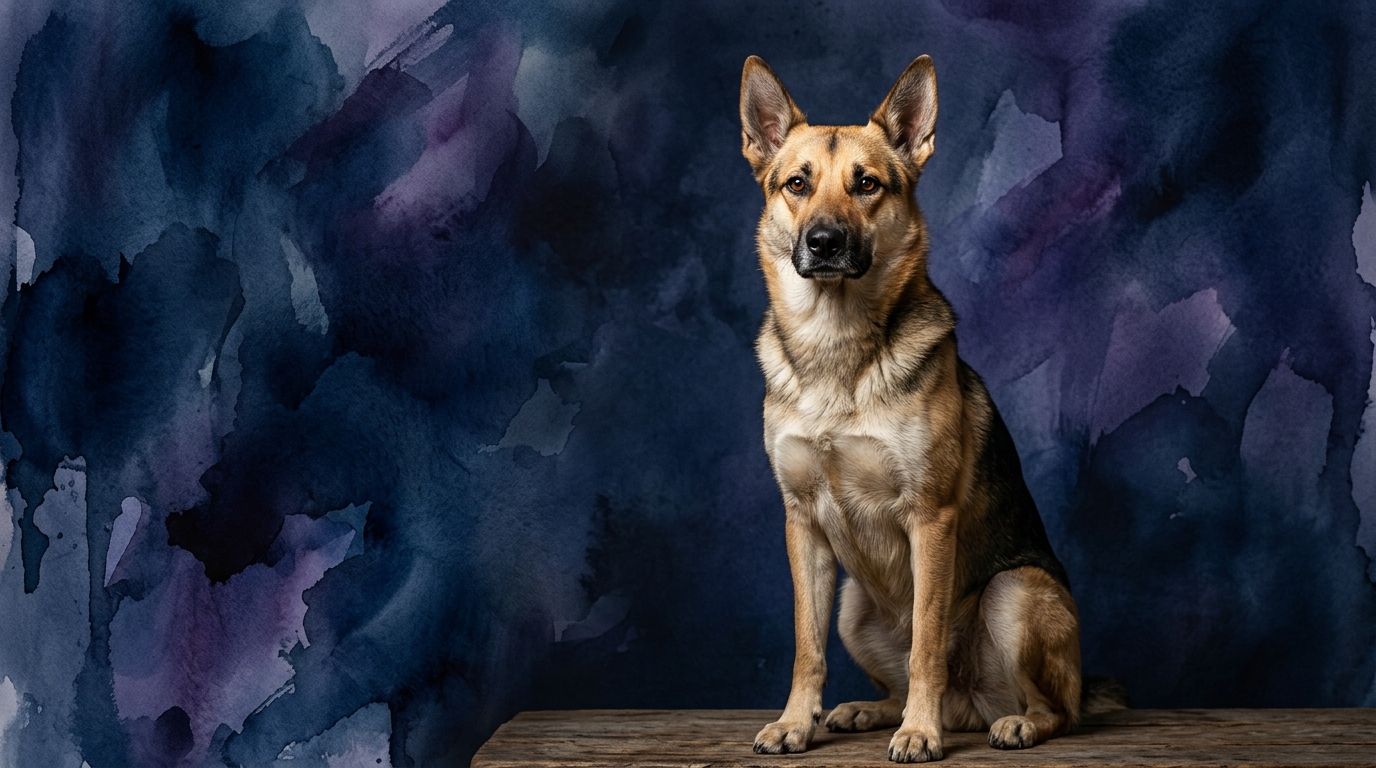
The Canaan Dog, a Herding breed ranked #43 by Coren, presents a balanced cognitive profile with a standout memory. Their Problem Solving is rated 3/5, reflecting their resourcefulness in navigating varied landscapes and adapting to challenges in their environment, rather than abstract puzzles. Training Speed also scores 3/5, indicating a moderate pace of learning new commands, which often requires consistent, engaging methods due to their independent nature. Social Intelligence is 3/5, demonstrating an awareness of pack dynamics and human cues, though they can be reserved with strangers. Instinctive Drive, at 3/5, manifests as vigilance and a protective territorial instinct. Notably, their Memory is 4/5, suggesting a strong retention for locations, routines, and past experiences, crucial for a breed with semi-feral origins.
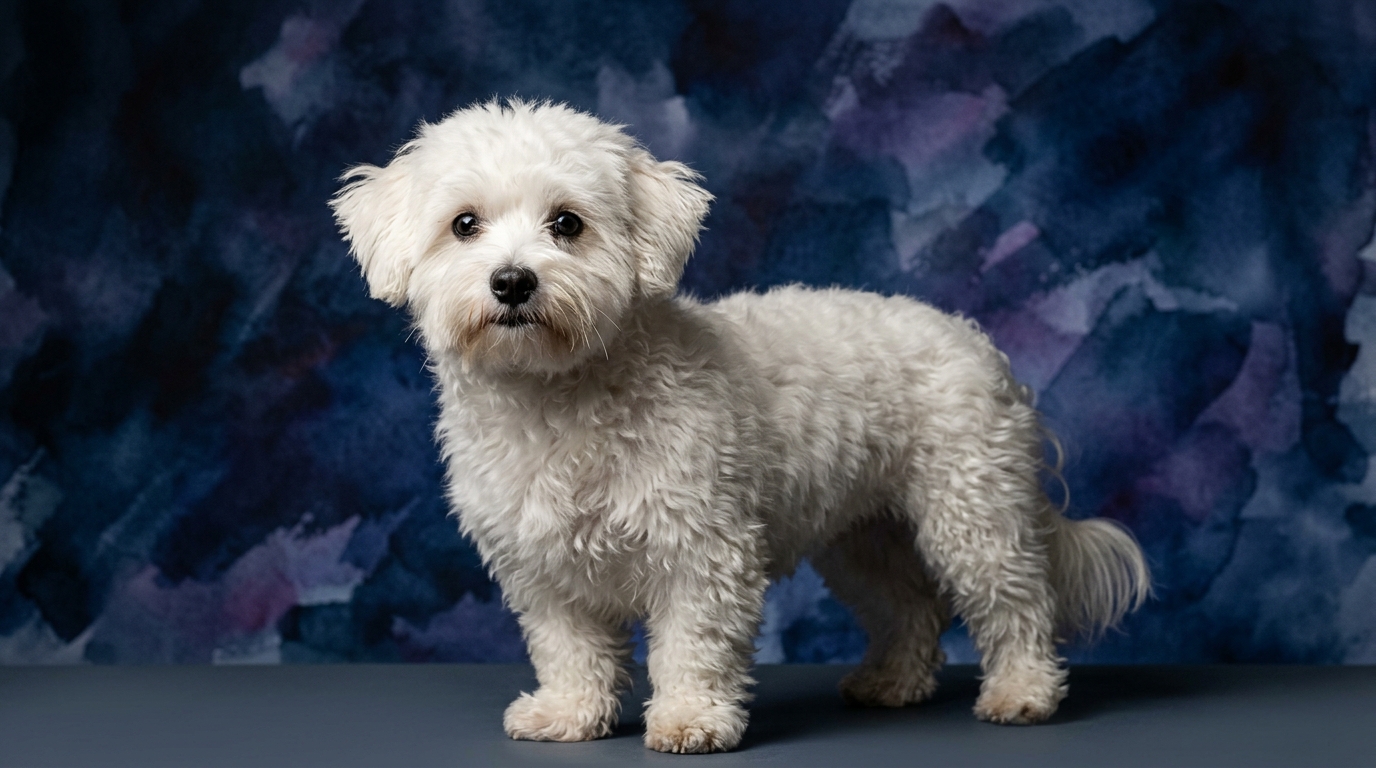
The Coton de Tuléar, a Non-Sporting breed without a Coren ranking, showcases a consistent set of cognitive strengths tailored to companionship. Their Problem Solving is 3/5, often expressed in practical ways within a domestic setting, such as figuring out how to get attention or manipulate toys for interaction. Training Speed also comes in at 3/5; they are capable of learning new commands at a moderate rate, typically thriving on positive reinforcement and enjoying the interaction involved in training. Social Intelligence is 3/5, highlighting their attunement to human emotions and social dynamics within their family, often seeking to participate and offer comfort. Instinctive Drive is 3/5, manifesting as a desire for companionship, play, and a keen awareness of their immediate surroundings. Their Memory is 3/5, indicating good retention for learned behaviors, routines, and familiar individuals.
Where the Canaan Dog Excels Cognitively
The Canaan Dog's superior memory, rated at 4/5 compared to the Coton's 3/5, is a significant cognitive advantage. This exceptional recall allows them to retain complex spatial information and long-term routines, invaluable for a breed historically tasked with navigating vast, often changing, landscapes. Their ability to remember past threats, safe zones, or the intricacies of their territory underpins their resourcefulness in problem-solving in their natural environment and reinforces their guarding capabilities. This memory supports their independent decision-making, allowing them to operate effectively even without constant human direction.
Furthermore, while both breeds score 3/5 in Instinctive Drive, the Canaan Dog's drive is inherently tied to vigilance, independent action, and protection. This translates into a keen awareness of their surroundings and a readiness to act on their own initiative, which was vital for their survival and role as guardians in challenging environments. Their cognitive strengths are geared towards observation, retention of environmental data, and autonomous responses to perceived changes or threats.
Where the Coton de Tuléar Excels Cognitively
While their numerical scores are largely similar, the Coton de Tuléar's cognitive strengths are finely tuned for their role as a devoted companion. Their Social Intelligence, rated 3/5, is particularly adept at interpreting subtle human emotional cues and adapting their behavior to maintain harmony within a family unit. This allows them to excel at understanding nuanced social interactions and responding with empathy or playful engagement, making them exceptionally responsive to their owners' moods and desires.
The Coton's Problem Solving, also 3/5, often manifests in creative ways to engage with their people or achieve comfort, such as figuring out how to open a treat cupboard or signaling their needs effectively through charming behaviors. Their Training Speed, at 3/5, coupled with their strong desire for interaction, often translates into a more cooperative and enjoyable learning experience in a domestic setting. They are receptive to household manners and tricks because the process itself is a form of positive social engagement, strengthening their bond with their human family.
Training Aptitude: Independence vs. Cooperation
When considering ease of training, the Coton de Tuléar generally presents a more straightforward experience. While both breeds hold a 3/5 rating for Training Speed, the Coton's inherent desire for companionship and engagement with its family makes training a positive, bonding experience. They respond enthusiastically to praise and positive reinforcement, often eager to please and participate in activities with their people. Their motivation is deeply rooted in maintaining close social ties, which makes them highly receptive to learning commands and household rules.
The Canaan Dog, conversely, possesses a deeply ingrained independent streak stemming from its origins as a desert pariah dog and guardian. They often question commands, requiring a clear 'why' or purpose for a task, and can become bored with repetitive drills. This independence means consistent, creative, and patient training is essential, focusing on building a strong relationship based on mutual respect rather than sheer obedience. Their guarding instincts also necessitate early and extensive socialization to channel their protective nature appropriately, ensuring they are well-adjusted in various social situations rather than being overly reserved or wary.
Lifestyle Match: Active Adventures vs. Relaxed Companionship
For owners with an active lifestyle, the Canaan Dog is a more suitable companion. This breed needs significant mental and physical engagement to thrive. Their herding background means they possess a natural drive for purpose-driven activities and benefit greatly from long walks, challenging scent work, agility, or obedience training that appeals to their problem-solving nature. An owner who enjoys outdoor adventures, can provide consistent, engaging training, and is committed to extensive socialization will find a rewarding and vigilant partner in a Canaan Dog. They are not content to be couch potatoes and require an outlet for their physical energy and keen observational skills.
Conversely, the Coton de Tuléar is an excellent fit for owners seeking a more relaxed companion. While playful and enjoying daily walks, Cotons are generally content with moderate exercise and thrive on close companionship within the home. They are highly adaptable to apartment living, provided they receive regular mental stimulation through interactive play and consistent human interaction. An owner who desires a devoted, adaptable indoor companion who enjoys snuggles, moderate activity, and being an integral part of daily family life will find the Coton a perfect match. Their cognitive strengths are geared towards domestic harmony and social engagement rather than rugged outdoor work.
The Verdict
Choose a Canaan Dog if you seek a vigilant, independent companion for an active lifestyle, appreciate a dog with deep historical instincts, and are committed to consistent, purpose-driven training.
Opt for a Coton de Tuléar if you desire an affectionate, adaptable family companion that thrives on close human interaction and fits well into a moderately active home environment.
🧠 Find Your Pet's IQ Score
Our Pet IQ Lab assessment covers 25+ tests across 5 cognitive dimensions — personalized to your breed.
Take the Full IQ Test →Frequently Asked Questions
Do Canaan Dogs or Coton de Tuléars learn tricks faster?
While both have a 3/5 training speed, the Coton de Tuléar often appears to learn tricks more readily in a domestic setting due to their strong desire for human interaction and eagerness to please. The Canaan Dog can learn tricks, but their independent nature often means they need more motivation and a clear purpose for the task to engage fully.
Which breed is generally better with children?
The Coton de Tuléar generally adapts well to family life and is known for being gentle and playful with respectful children, often seeking to be involved in family activities. Canaan Dogs can be good with children in their own family but require extensive socialization from a young age due to their guarding instincts and potential reservedness with strangers or boisterous play.
How do their problem-solving abilities differ in daily life?
The Canaan Dog's problem-solving often manifests in independent decision-making related to territory, safety, or navigating complex outdoor scenarios, reflecting their guardian heritage. The Coton de Tuléar's problem-solving usually centers around social interaction, such as figuring out how to gain attention, manipulate toys, or adapt to household routines for comfort and companionship within their family unit.