The Cosmic Pet Pet IQ Lab: Side-by-Side Cognitive Profiles
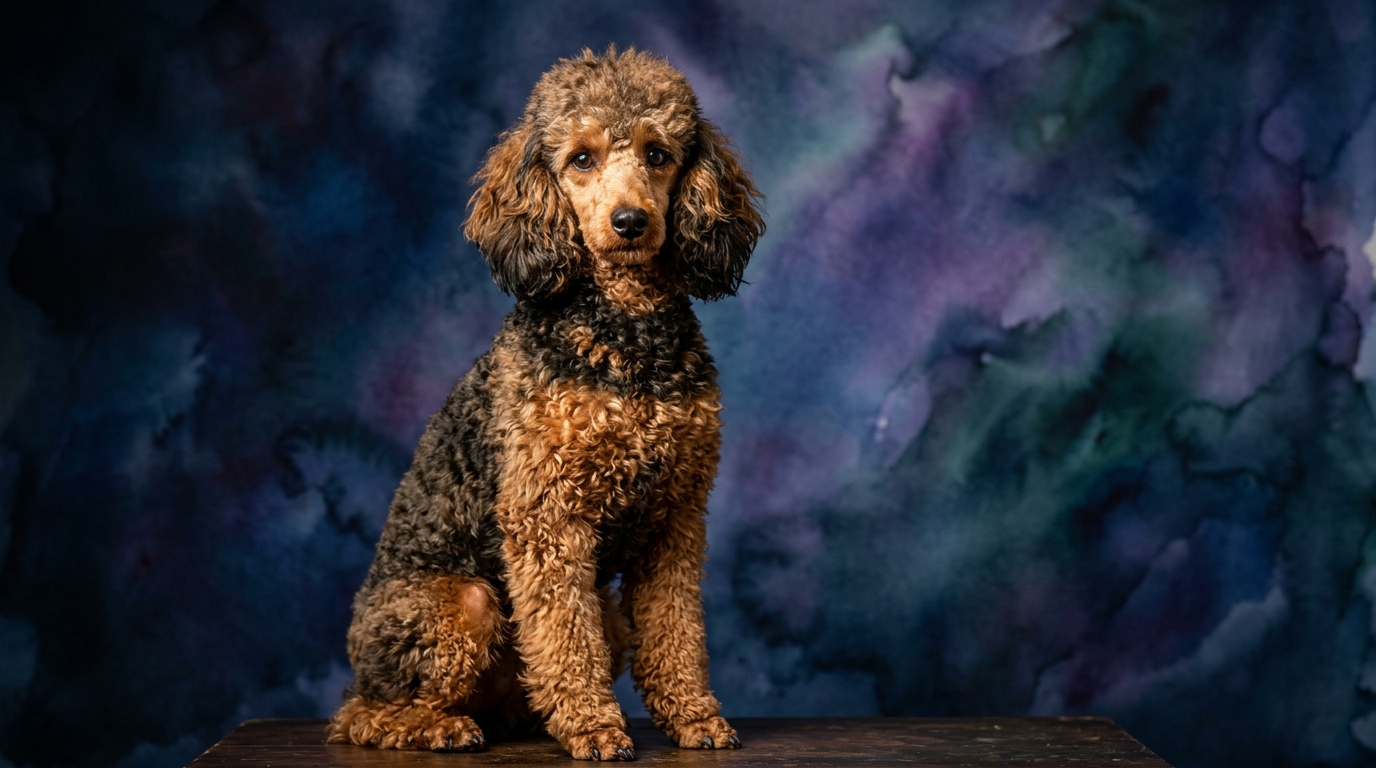
The Cosmic Pet Pet IQ Lab assesses canine intelligence across five key dimensions, providing a granular view beyond simple rankings. For the Poodle (Standard), a breed frequently cited in discussions of canine cognition, its profile reveals a remarkable intellectual aptitude. Their Problem Solving is rated at an exceptional 5/5, indicating an innate capacity to quickly analyze novel situations and independently devise effective solutions. This translates to an animal that can figure out complex puzzle toys, navigate unfamiliar environments with ease, or even open simple latches. Training Speed, also at 5/5, signifies their rapid acquisition of new commands and concepts, often requiring very few repetitions to cement a behavior. Their Social Intelligence, a perfect 5/5, suggests a sophisticated understanding of human cues, emotions, and social structures, allowing them to adapt seamlessly to family dynamics and anticipate owner intentions. Instinctive Drive stands at a robust 4/5, indicating a strong inherent motivation to engage with tasks and a purposeful approach to their environment, whether it's retrieving, scent work, or engaging in cooperative play. Finally, their Memory is rated 5/5, meaning they retain learned information and experiences over long periods, making training cumulative and consistent.
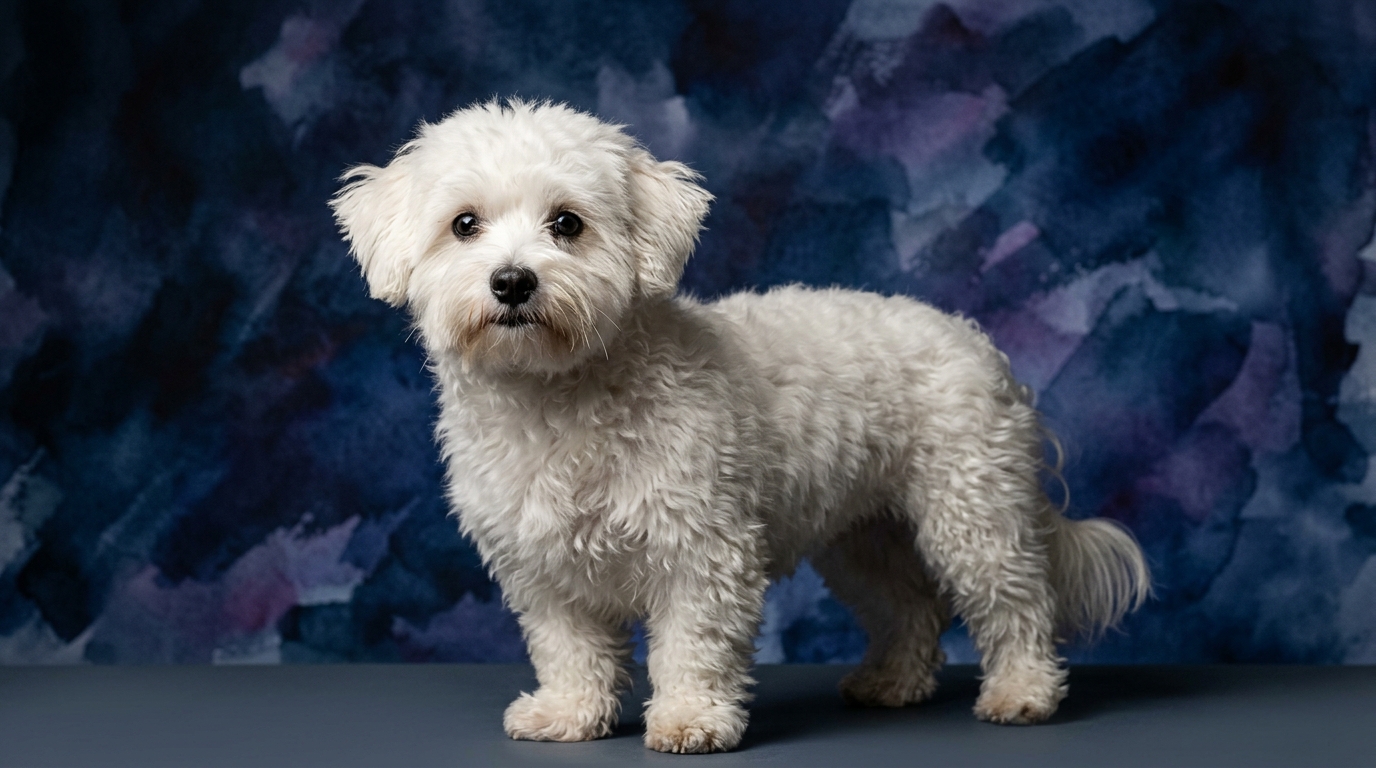
In contrast, the Coton de Tuléar presents a cognitive profile characterized by a more moderate, yet equally charming, intellectual style. Their Problem Solving is rated 3/5, suggesting they can learn to solve routine problems but might require more guidance or repetition when faced with genuinely novel challenges. They are capable of learning, but perhaps less inclined to experiment independently with solutions. Training Speed also sits at 3/5, indicating that while they are trainable, they will generally require more consistent repetition and patience from their owner to master new commands compared to the Poodle. Their Social Intelligence, rated 3/5, means they connect well with humans and are responsive to social cues, but perhaps without the nuanced interpretation or proactive engagement seen in breeds with higher scores. They are affectionate and aware of their family, but may not 'read' complex human emotions with the same depth. Instinctive Drive is also 3/5, suggesting a balanced motivation without an overwhelming urge for constant activity or a strong predisposition toward specific working behaviors. They are content with moderate engagement. Lastly, their Memory, at 3/5, indicates they can remember commands and routines, but might benefit from occasional refreshers, especially for less frequently practiced behaviors.
Where the Poodle (Standard) Excels Cognitively
The Poodle (Standard) demonstrates a cognitive advantage primarily in areas requiring abstract thought, rapid learning, and complex social processing. Their 5/5 Problem Solving means they don't just follow instructions; they often anticipate them or even find alternative solutions if a direct path is blocked. This manifests in their ability to quickly adapt to new training methodologies, understand cause-and-effect relationships in their environment with minimal prompting, and even learn to manipulate objects to achieve desired outcomes, such as opening cabinets or fetching specific items on command. Their exceptional Training Speed and Memory mean they can master a vast repertoire of commands, tricks, and even multi-step routines with remarkable efficiency, retaining this knowledge over their lifetime. This breed often thrives on mental challenges, actively seeking engagement that stimulates their agile minds. Furthermore, their superior Social Intelligence allows them to integrate into diverse family structures, picking up on subtle social cues, and often forming deep, empathetic bonds where they seem to understand their human companions almost intuitively. This capacity makes them particularly responsive to nuanced communication and highly attuned to their owner's moods and intentions, making them exceptional companions in dynamic social settings.
Where the Coton de Tuléar's Cognitive Profile Shines
While the Coton de Tuléar's cognitive scores are more moderate, this profile translates into distinct advantages for certain lifestyles. Their 3/5 Problem Solving and Instinctive Drive mean they are generally less prone to independent mischief or constantly seeking out complex intellectual challenges that might overwhelm some owners. They tend to be content with a predictable routine and find satisfaction in simpler, repetitive tasks. This moderate drive can be a benefit for owners who appreciate a dog that is less likely to become bored and destructive if not constantly stimulated with novel puzzles or intense training sessions. Their 3/5 Social Intelligence, while not as intricate as the Poodle's, manifests as a steadfast and uncomplicated devotion. They are highly affectionate, forming strong bonds with their family members without the need for complex intellectual games to solidify the relationship. This straightforward social engagement makes them wonderfully clear communicators of their needs and desires, often without the subtle complexities that might require a more experienced owner to interpret. Owners often find their Coton's emotional responses to be transparent and their desire for companionship unwavering, making them incredibly intuitive comfort providers.
Ease of Training: Poodle (Standard) vs. Coton de Tuléar
When considering ease of training, the Poodle (Standard) undeniably holds a significant advantage, largely due to its 5/5 Training Speed, 5/5 Problem Solving, and 5/5 Memory. These combined attributes mean a Poodle can grasp new commands, concepts, and even complex sequences with minimal repetition. They actively engage in the learning process, often appearing to enjoy the mental stimulation that training provides. Their social intelligence allows them to quickly understand what their owner is asking, and their strong instinctive drive provides the motivation to perform. This makes them highly responsive to positive reinforcement and capable of excelling in obedience, agility, and even specialized roles. They thrive on consistency but are forgiving of minor training inconsistencies due to their retention.
The Coton de Tuléar, with its 3/5 scores across Training Speed, Problem Solving, and Memory, requires a different approach to training. While perfectly capable of learning, they will generally necessitate more patience, consistency, and positive reinforcement from their owner. They may not pick up a new command in just a few repetitions; instead, they might need several consistent sessions over days or weeks to solidify the behavior. Their moderate problem-solving means they might not independently 'figure out' a solution as quickly, making clear, step-by-step guidance essential. Owners training a Coton should focus on foundational obedience, using short, engaging sessions to maintain interest, and celebrate small successes. While they may not achieve the same speed or complexity in advanced training as a Poodle, a well-trained Coton is a delightful and compliant companion through consistent effort.
Which Breed Suits Active vs. Relaxed Owners
The Poodle (Standard) is an ideal match for active owners who relish mental engagement and cooperative activities with their canine companion. Their robust instinctive drive (4/5) and high cognitive scores mean they require significant mental stimulation beyond just physical exercise. Owners who enjoy teaching complex tricks, participating in dog sports like agility or obedience, or even engaging in scent work will find the Poodle a willing and capable partner. They thrive on having a 'job' and benefit from consistent opportunities to use their problem-solving abilities. A Poodle with insufficient mental outlets can become bored, potentially leading to undesirable behaviors as they invent their own challenges. Therefore, they are best suited for individuals or families committed to dedicating time to advanced training, puzzle toys, and interactive play that challenges their intellect.
Conversely, the Coton de Tuléar's cognitive profile makes it a superb fit for more relaxed owners or those seeking a companion content with a moderate level of mental and physical engagement. Their 3/5 instinctive drive means they are generally not driven by an overwhelming need for constant activity or highly complex tasks. While they enjoy walks, playtime, and learning basic commands, they are equally content to cuddle on the couch or simply observe their family's activities. Owners who appreciate a dog that is affectionate and adaptable to a more predictable, less demanding routine will find the Coton's temperament and cognitive needs align well with their lifestyle. They are happy with consistent, gentle training and value companionship above all, making them excellent choices for those seeking a devoted and relatively low-key canine presence in their home.
The Verdict
Choose the Poodle (Standard) if you are an owner eager to engage a dog's exceptional intellect, commit to advanced training, and provide ample mental stimulation through complex tasks and dog sports. They thrive on challenges and cooperative learning.
Opt for the Coton de Tuléar if you seek a steadfastly affectionate companion with moderate cognitive needs, content with consistent basic training, and a relaxed, predictable home environment. Their joy lies in companionship and gentle interaction.
🧠 Find Your Pet's IQ Score
Our Pet IQ Lab assessment covers 25+ tests across 5 cognitive dimensions — personalized to your breed.
Take the Full IQ Test →Frequently Asked Questions
Does a Coton de Tuléar's moderate intelligence mean it's difficult to train?
Not at all. A Coton de Tuléar is certainly trainable, but they generally require more consistency and patience than a Poodle. Their 3/5 training speed means they will benefit from shorter, more frequent training sessions and positive reinforcement to help them grasp and retain new commands effectively.
How can I provide enough mental stimulation for a Poodle (Standard) given their high IQ scores?
To satisfy a Poodle's 5/5 problem solving and memory, engage them with advanced obedience, agility, or rally training. Offer complex puzzle toys, teach them multi-step tricks, or involve them in scent work activities. Regular mental challenges prevent boredom and channel their cognitive energy constructively.
Are there any behavioral differences stemming from their intelligence levels that owners should be aware of?
Yes, a Poodle's high problem-solving might lead them to 'outsmart' owners, finding ways to open doors or access forbidden items if not adequately challenged. A Coton de Tuléar, with moderate problem-solving, is less likely to invent such complex mischief but might exhibit stubbornness if training isn't consistent, requiring gentle persistence rather than complex redirection.