Side-by-Side Cognitive Profiles
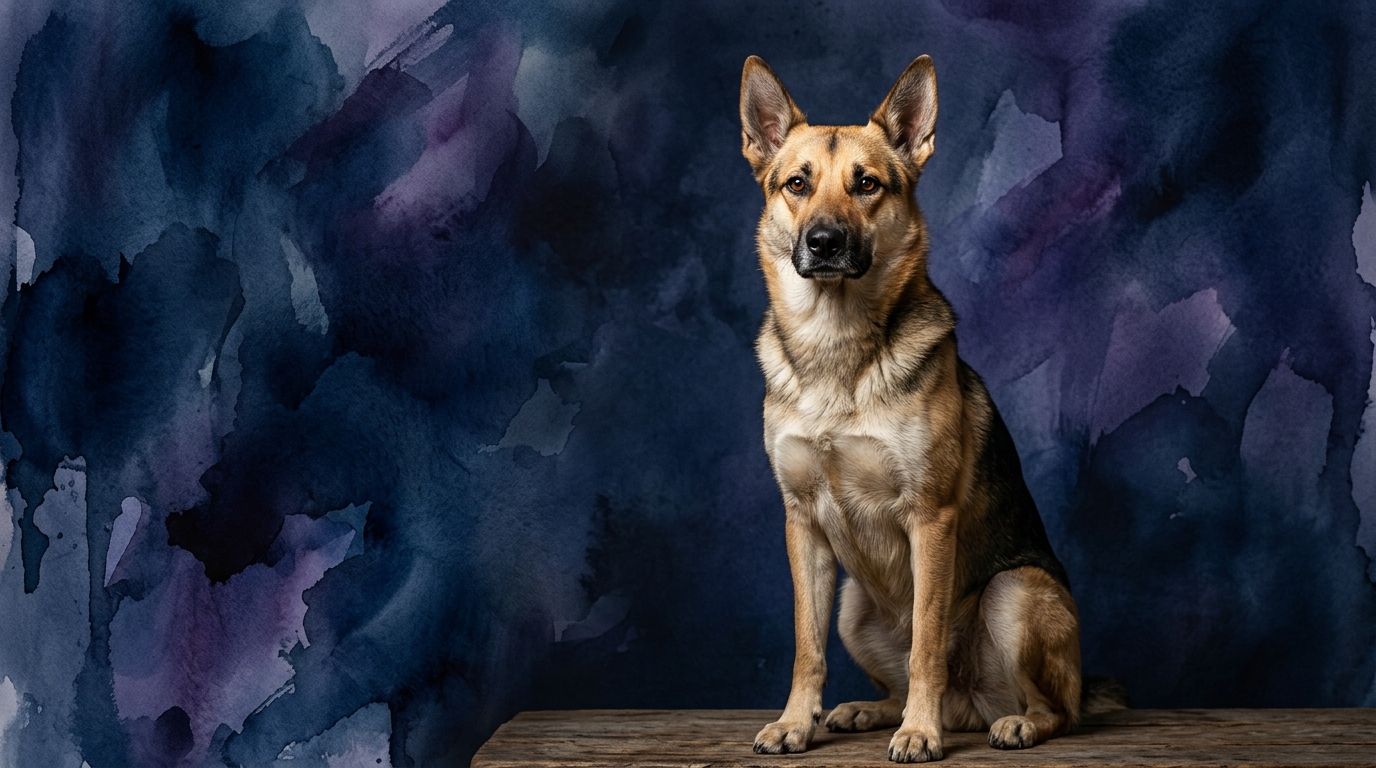
The Canaan Dog, originating as a pariah dog in the Middle East, developed its cognitive profile for survival and self-reliance. Their Problem Solving at 3/5 suggests a capacity for independent thought and navigating complex environments without constant human direction. Training Speed, also 3/5, reflects their selective cooperation; they learn, but often weigh the benefit against their own priorities. Social Intelligence at 3/5 indicates they observe human cues but maintain a degree of emotional distance, a trait born from their semi-feral past. Instinctive Drive at 3/5 points to a moderate prey drive and territoriality, essential for their historical roles as guardians and scavengers. Their Memory, however, stands out at 4/5, indicating a strong ability to retain learned behaviors, routes, and social interactions over time, crucial for navigating varied landscapes and remembering threats.
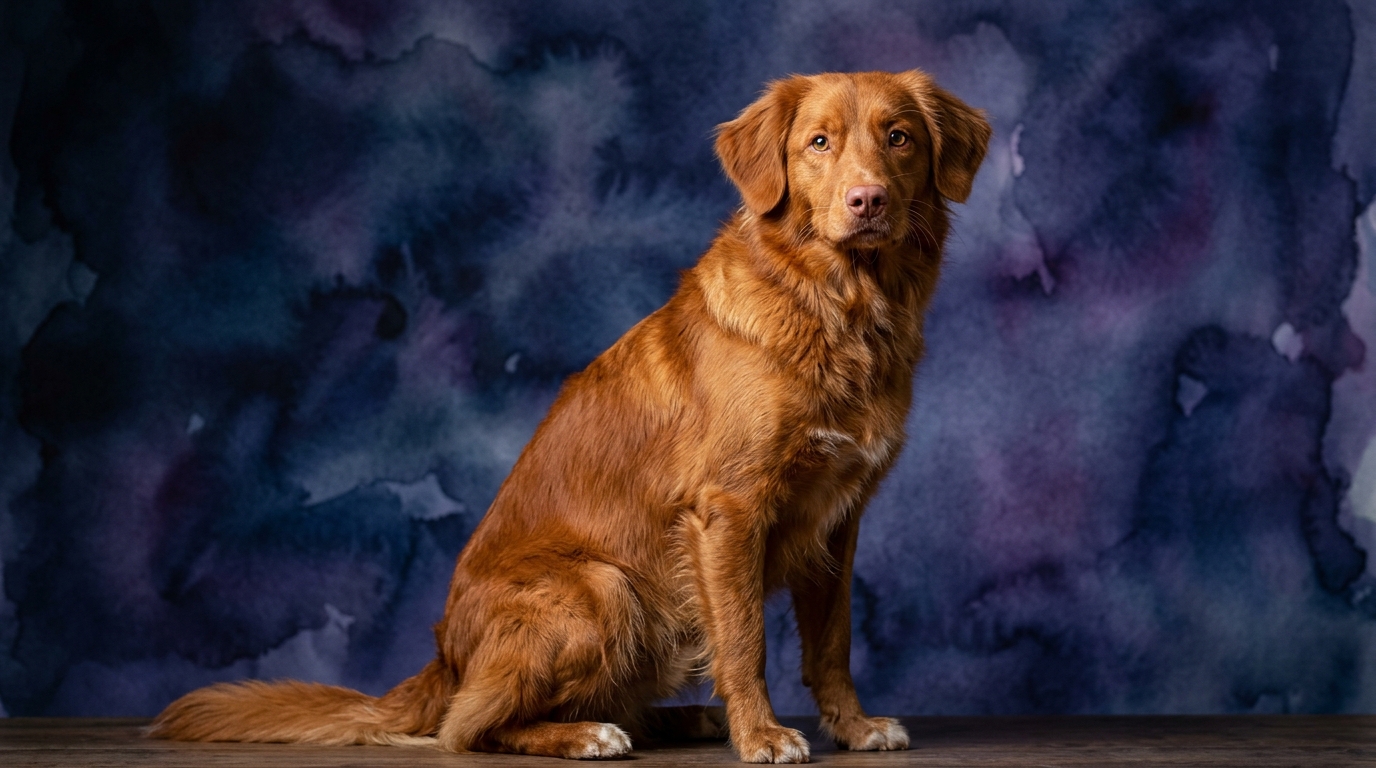
The Nova Scotia Duck Tolling Retriever, bred specifically to “toll” or lure ducks into a hunter’s range, possesses a cognitive profile geared towards collaborative work. A Problem Solving score of 3/5 suggests they can figure out tasks within a structured framework, particularly those related to their retrieving duties. Their Training Speed, also 3/5, means they acquire new commands at a steady pace, driven by a desire to engage with their handler. Social Intelligence at 3/5 reflects their cooperative nature, keenly attuned to human partners during hunting scenarios. Instinctive Drive, again 3/5, is strongly focused on prey drive and retrieving, making them highly motivated by movement and objects. Their Memory at 3/5 is solid, allowing them to recall routines and retrieve specific items, though perhaps not with the same long-term, survival-oriented depth as the Canaan Dog’s recall.
Where the Canaan Dog Wins Cognitively
The Canaan Dog's primary cognitive advantage lies in its exceptional memory (4/5) combined with its independent problem-solving approach. This breed excels at retaining complex information about its environment, including safe routes, potential threats, and the habits of other animals or people, making them adept at long-term situational awareness. Their ancestral role as guardians and survivors in harsh landscapes honed a capacity for recalling past experiences to inform future decisions, often without direct human prompting. This superior memory allows them to adapt to changing circumstances by drawing on a rich library of past observations, a trait invaluable for a dog whose survival historically depended on self-reliance rather than strict human guidance. They don't just remember commands; they remember *why* something happened and *how* it impacted their well-being, displaying a deep contextual recall.
Where the Nova Scotia Duck Tolling Retriever Wins Cognitively
The Nova Scotia Duck Tolling Retriever's cognitive edge is rooted in its specialized purpose: luring and retrieving waterfowl. While its individual IQ scores are consistent, its strength lies in the *integration* of these traits for focused, collaborative work. The Toller's instinctive drive (3/5) is highly channeled towards its retrieving tasks, meaning its problem-solving and training speed are most effectively engaged when aligned with its prey drive and desire to work. This breed demonstrates a particular aptitude for understanding and executing multi-step retrieving sequences, often requiring nuanced communication with its handler. Their cognitive process is optimized for sustained attention on a task, rapid adaptation to environmental changes during a retrieve, and a persistent drive to complete the job, making them exceptionally effective partners in specific working contexts.
Training Aptitude: Which is Easier to Guide?
When considering ease of training, the Nova Scotia Duck Tolling Retriever generally presents a more straightforward path for the average owner. Both breeds share a 3/5 rating for Training Speed, meaning they learn new commands at a steady pace. However, the Toller's inherent desire to cooperate and its strong drive to work *with* a human partner significantly smooths the training process. Their social intelligence, while rated similarly, manifests as a greater willingness to engage in repetitive tasks and to seek reinforcement from their handler, making them highly responsive to positive training methods. Their instinctive drive is also more easily channeled into structured activities like obedience, agility, or retrieving games, as these align directly with their genetic predispositions. A Toller's focus on the task at hand and its handler's cues makes it a rewarding student for those who enjoy consistent, interactive training.
In contrast, the Canaan Dog's independence, a legacy of its pariah dog ancestry, makes training a different proposition. While they possess a strong memory (4/5), they often decide *if* and *when* to apply what they've learned based on their own assessment of the situation. Their problem-solving abilities are geared towards self-sufficiency, not necessarily human-directed tasks. This means a Canaan Dog might understand a command perfectly but choose not to execute it if it perceives no immediate benefit or if it conflicts with its internal priorities. Training a Canaan Dog requires immense patience, consistency, and a deep understanding of their independent nature, often involving convincing them that cooperation is in their best interest rather than simply issuing commands. Their "training speed" is less about how quickly they grasp a concept and more about how quickly they agree to perform it consistently and reliably in varied contexts.
Matching Lifestyles: Active vs. Relaxed Owners
For truly active owners seeking a dynamic partner for sports or outdoor adventures, the Nova Scotia Duck Tolling Retriever is an exceptional fit. Their boundless energy, combined with their focused instinctive drive and cooperative social intelligence, makes them ideal for activities like dock diving, agility, flyball, or extensive hiking and running. They thrive on having a "job" and require significant mental and physical engagement daily to prevent boredom and destructive behaviors. An owner who enjoys consistent training, structured play, and spending hours outdoors will find an incredibly devoted and capable companion in a Toller. They are not suited for owners who prefer a mostly sedentary lifestyle, as their energy levels demand a purposeful outlet.
The Canaan Dog, while capable of activity, requires a different kind of "active" owner—one who is mentally active and prepared for a dog that thinks for itself. They do well with owners who appreciate independent thinkers and can provide consistent, firm, but fair guidance. Their activity needs are moderate but require purposeful engagement, such as long walks, secure off-leash areas for exploration, or scent work that taps into their problem-solving and memory. They can adapt to a somewhat more relaxed household *if* their mental needs for observation, guarding, and occasional independent "work" are met. However, "relaxed" does not mean neglectful of their mental stimulation or social needs. Owners who prefer a dog that is less demanding of constant interaction and more content to observe its surroundings, while still requiring consistent leadership, might find the Canaan Dog appealing. They are not a "couch potato" but also not a constant motion machine like some sporting breeds.
The Verdict
Choose the Canaan Dog if you are an experienced owner seeking an independent, observant, and highly self-reliant companion with exceptional memory and a nuanced approach to life, valuing a partner who thinks for themselves.
Opt for the Nova Scotia Duck Tolling Retriever if you desire an energetic, cooperative, and highly driven partner for active sports, outdoor adventures, and consistent training, thriving on shared tasks and focused engagement.
🧠 Find Your Pet's IQ Score
Our Pet IQ Lab assessment covers 25+ tests across 5 cognitive dimensions — personalized to your breed.
Take the Full IQ Test →Frequently Asked Questions
Is the Canaan Dog truly difficult to train?
The Canaan Dog isn't necessarily difficult to train in terms of understanding concepts, but their independent nature means they often choose whether to comply. Training requires immense patience, consistency, and building a strong, trusting relationship where they see the value in cooperation.
Do Tollers need to hunt to be happy?
While bred for hunting, Nova Scotia Duck Tolling Retrievers don't strictly need to hunt to be happy, but they do require a similar level of mental and physical stimulation. Activities like retrieving games, agility, obedience, or dock diving can effectively channel their instinctive drives and provide fulfillment.
Which breed is better for a first-time dog owner?
Given their cooperative nature and eagerness to please, the Nova Scotia Duck Tolling Retriever is generally a more suitable choice for a dedicated first-time dog owner willing to commit to their high exercise and training needs. The Canaan Dog's independence and nuanced training requirements typically suit more experienced handlers.