Side-by-Side IQ Profile: Canaan Dog vs. Petit Basset Griffon Vendéen
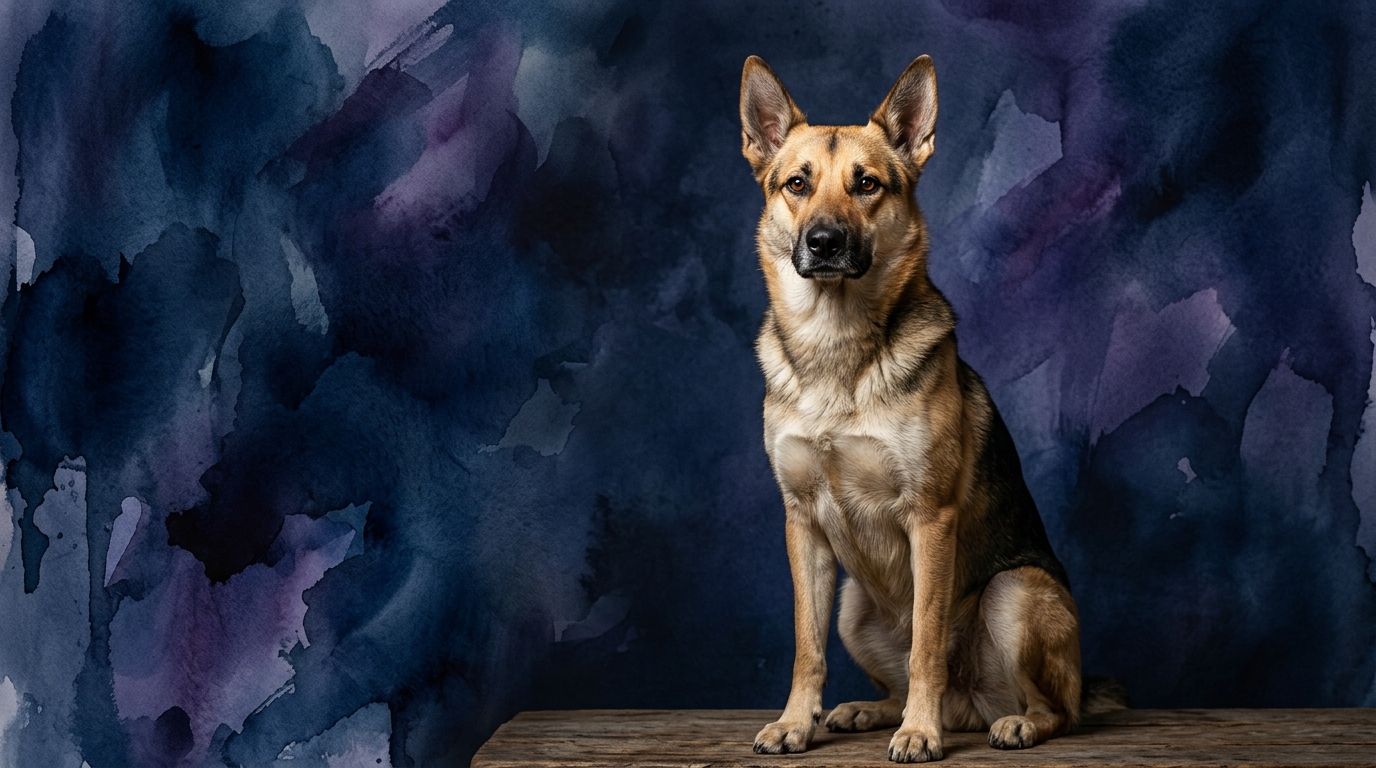
The Canaan Dog, a breed with semi-feral origins and ranked #43 by Coren, exhibits a balanced cognitive profile marked by a particularly strong memory. Its problem-solving capacity, rated 3/5, reflects an ability to adapt and strategize, likely honed by centuries of independent work as a herder and guardian in harsh environments, requiring quick decisions without constant human direction. Training speed, also 3/5, indicates a willingness to learn, though their independent nature means engagement is key, and they respond best to fair, consistent methods that respect their intelligence. Social intelligence, at 3/5, suggests they can form deep bonds and understand human cues, yet they often maintain a watchful reserve with strangers, a trait stemming from their guardian instincts. Their instinctive drive, 3/5, manifests as a strong territoriality and a protective nature, coupled with an innate herding ability that influences their desire for structure and purpose. Memory, at 4/5, stands out, allowing them to recall learned commands, past experiences, and routines with impressive accuracy, contributing to their reliability once a bond of trust is established.
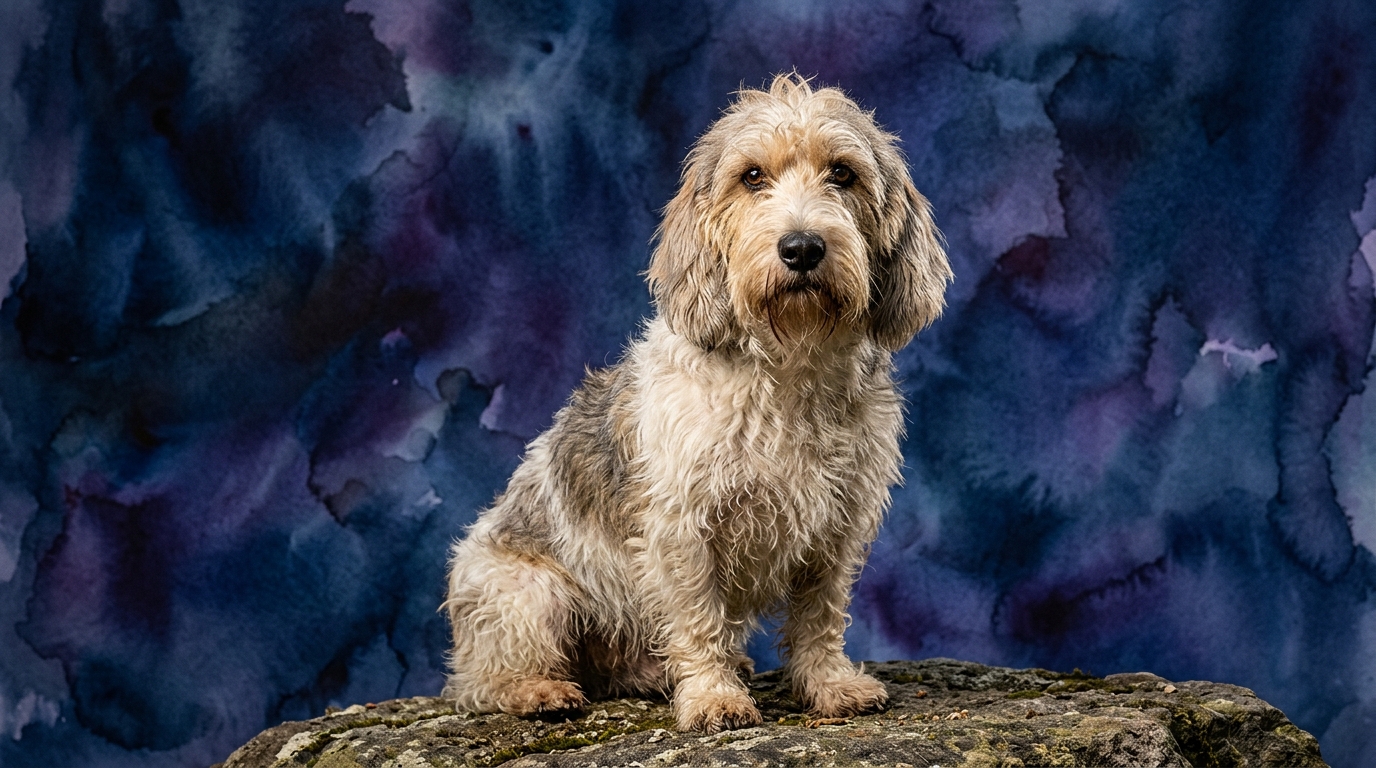
The Petit Basset Griffon Vendéen (PBGV), a breed not ranked by Coren, possesses an intelligence profile tailored for its role as a tenacious scent hound, prioritizing independence and sensory processing. Their problem-solving ability, rated 3/5, primarily revolves around navigating complex terrains and unraveling scent puzzles, demonstrating persistence rather than complex strategic planning in human-centric tasks. Training speed, 3/5, indicates they are capable learners, but their independent spirit and powerful scent drive mean they often prefer to follow their nose than a command, requiring patient and engaging training techniques. Social intelligence, also 3/5, sees them as generally friendly and adaptable, forming strong attachments to their families, but their exuberance and focus on external stimuli can sometimes make them appear less attuned to subtle human social cues. Their instinctive drive, 3/5, is overwhelmingly directed towards scent work, manifesting as an insatiable desire to explore, track, and vocalize, a core component of their cognitive makeup. Memory, rated 3/5, is sufficient for retaining basic commands and routines, but it is often overshadowed by their immediate sensory experiences and the compelling pull of a fresh scent.
Where the Canaan Dog Wins Cognitively
The Canaan Dog truly shines in its exceptional memory, scoring a 4/5 compared to the PBGV's 3/5. This superior recall means they are more likely to remember complex command sequences, past training sessions, and routines, making long-term retention of learned behaviors more reliable. Their memory extends beyond mere commands; they can often recall specific past interactions, people, or environmental details with remarkable accuracy, contributing to their overall perceptiveness and ability to anticipate. This cognitive strength is invaluable for consistency in training and for navigating complex social environments where remembering past experiences informs future responses.
Furthermore, the Canaan Dog's cognitive profile, influenced by its herding and guarding heritage, often lends itself to a more direct and focused engagement with human-directed tasks. While both breeds score 3/5 in problem-solving, the Canaan Dog's problem-solving often manifests in abstract ways related to strategy and adaptation within a human-defined structure, whereas the PBGV's problem-solving is primarily focused on sensory input and navigating the physical world of scent. This difference allows the Canaan Dog to excel in activities requiring a more deliberate, thoughtful approach to novel situations within a domestic setting.
Where the Petit Basset Griffon Vendéen Wins Cognitively
The PBGV’s cognitive strengths are deeply rooted in its specialized purpose: hunting in dense undergrowth. While its scores don't numerically surpass the Canaan Dog's in general intelligence metrics, its instinctive drive, rated 3/5, is singularly powerful and highly effective for its intended role. This drive is a finely tuned cognitive engine for scent detection and tracking, allowing the PBGV to process olfactory information with incredible detail and persistence, a feat few breeds can match. Their ability to independently solve complex scent puzzles, navigating varied terrains without constant human direction, showcases a distinct form of problem-solving expertise that is highly specialized and incredibly robust.
Their cognitive "win" lies in this unwavering focus and self-sufficiency when pursuing a scent. This particular manifestation of problem-solving (3/5) and instinctive drive (3/5) allows them to operate with remarkable autonomy and determination in their preferred environment, demonstrating a different kind of cognitive excellence. This specialized intelligence, while not always translating to quick obedience in a domestic setting, is precisely what makes them masters of their ancestral craft, allowing them to excel where other breeds might falter due to distraction or lack of specific sensory processing skills.
Which is Easier to Train and Why
When evaluating ease of training, the Canaan Dog often presents as the more straightforward student, despite both breeds sharing a 3/5 rating for training speed. The Canaan Dog’s superior memory (4/5) is a significant advantage, enabling them to retain commands and lessons more consistently over time, requiring fewer repetitions for long-term recall. Their herding background also implies a cognitive predisposition towards working cooperatively with a human handler, even with their independent streak, fostering a more focused engagement during training sessions. They respond well to clear boundaries and positive reinforcement, often thriving on the mental challenge of learning new tasks.
The Petit Basset Griffon Vendéen, while equally capable of learning (Training Speed 3/5), faces a unique cognitive challenge: its powerful instinctive drive (3/5) for scent work. This drive means that their attention can be easily hijacked by compelling odors, making it difficult to maintain focus on human-centric commands, especially in stimulating environments. Their problem-solving (3/5) is often directed towards navigating scent trails rather than abstract obedience tasks, leading to a charming but sometimes frustrating independence. Training a PBGV requires immense patience, creativity to make training more engaging than a scent, and a deep understanding of their hound nature, where consistency and high-value rewards are essential to compete with the lure of their nose.
Which Suits Active Owners vs. Relaxed Owners
The Canaan Dog is better suited for active owners who can provide consistent mental and physical engagement. Their cognitive profile, marked by a strong memory and a balanced instinctive drive for purpose, means they thrive on structured activities like obedience, agility, or advanced scent work that leverage their intelligence. Owners who enjoy regular, challenging walks, training sessions, and opportunities for their dog to "work" will find a highly rewarding companion. A relaxed owner who cannot meet their cognitive and physical needs might find the Canaan Dog developing its own "projects," which can manifest as unwanted behaviors stemming from boredom or lack of mental stimulation. Their independent problem-solving skills, while valuable, can become a challenge if not channeled appropriately.
The Petit Basset Griffon Vendéen, while appearing boisterous, can surprisingly fit both active and somewhat relaxed owners, provided their core cognitive need for scent work is met. Active owners will relish their enthusiasm for long walks, hikes, and structured scent games, which are crucial for their mental well-being and to satisfy their powerful instinctive drive. However, once their scenting needs are satisfied, PBGVs can be surprisingly relaxed indoors, content to nap and be close to their family. A "relaxed" owner in this context must still be committed to providing daily outdoor adventures focused on scent exploration; a PBGV without opportunities to use its nose will become bored and potentially destructive, demonstrating its problem-solving (3/5) by finding its own entertainment. Their social intelligence (3/5) makes them adaptable to family life, but their independent nature means they won't demand constant interactive play in the same way a highly cooperative breed might.
The Verdict
Opt for the Canaan Dog if you appreciate a discerning companion with exceptional memory and a thoughtful, independent nature, and you are prepared to provide consistent, engaging training and mental challenges.
Select the Petit Basset Griffon Vendéen if you are captivated by a tenacious scent hound, willing to embrace their joyful independence and provide ample opportunities for them to explore the world through their powerful nose.
🧠 Find Your Pet's IQ Score
Our Pet IQ Lab assessment covers 25+ tests across 5 cognitive dimensions — personalized to your breed.
Take the Full IQ Test →Frequently Asked Questions
Does the Canaan Dog's higher memory score make it inherently "smarter" than the PBGV?
While the Canaan Dog's 4/5 memory score indicates superior recall for human-centric tasks and routines, "smarter" is subjective. The PBGV's intelligence is highly specialized for scent work, demonstrating exceptional cognitive processing in that domain. Each breed's cognitive strengths are tailored to its ancestral purpose.
How does the lack of a Coren rank for the PBGV impact its intelligence perception?
The absence of a Coren rank doesn't imply a lack of intelligence for the PBGV; rather, Coren's ranking primarily assesses working and obedience intelligence, which may not fully capture the specialized cognitive abilities of many hound breeds. The PBGV's problem-solving and instinctive drive are highly developed for scenting, which is a different form of intelligence.
Can a PBGV be trained for complex tasks despite its independent nature?
Yes, a PBGV can learn complex tasks, but it requires patience, consistency, and making the training highly rewarding and engaging. Leveraging their strong drive for scent can be an effective way to teach advanced behaviors, integrating their natural inclinations into the training process rather than fighting against them.