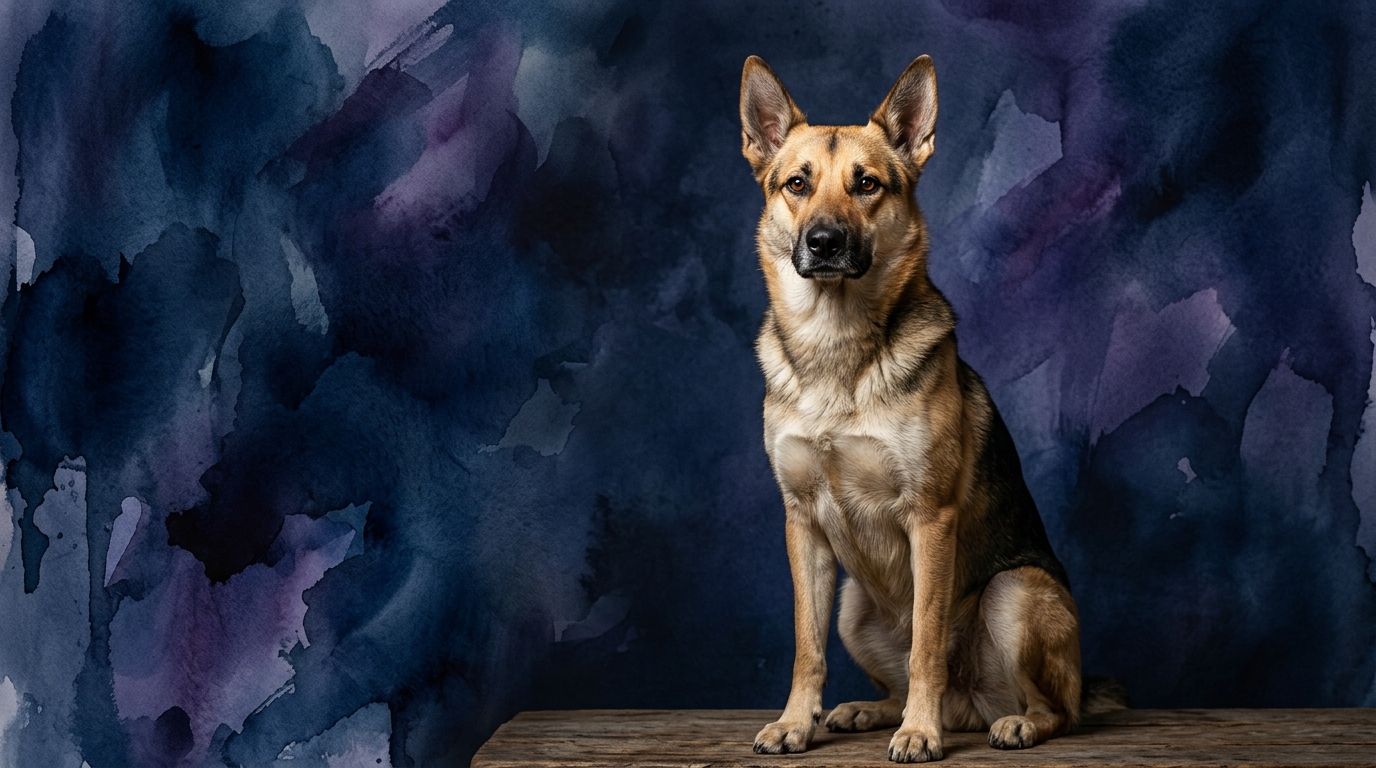
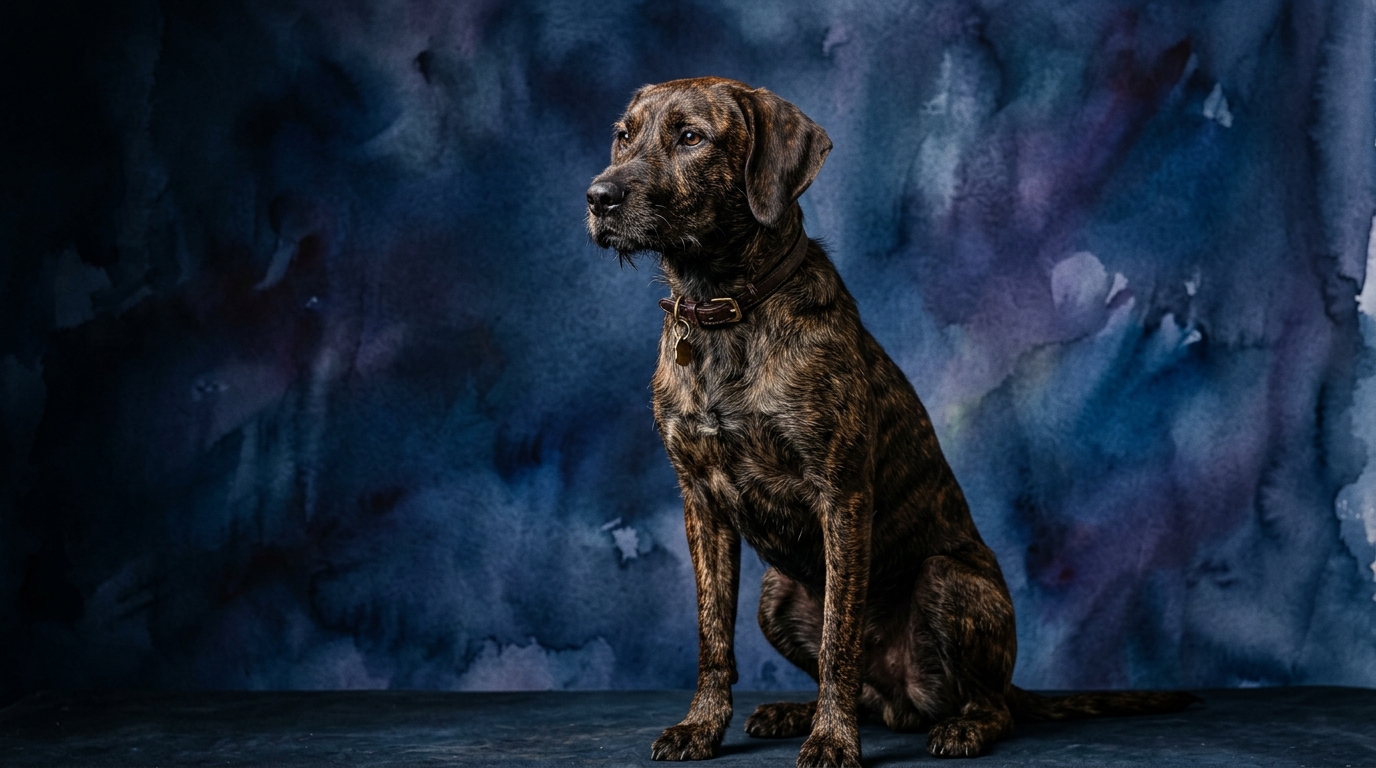
Side-by-Side IQ Profile: Canaan Dog vs. Plott Hound
The Canaan Dog's cognitive profile reflects its heritage as a pariah dog, requiring independent thought and keen observation for survival. Their Problem Solving is rated 3 out of 5, indicating a capacity to independently assess and navigate complex environments, often finding their own solutions rather than relying on human direction. Training Speed, also 3 out of 5, means they can grasp concepts efficiently, but their independent nature requires motivational techniques and a perception of training as a collaborative effort, not simply obedience. Social Intelligence, at 3 out of 5, highlights their observant nature towards human behavior, though they tend to be reserved and discerning with strangers rather than overtly social. Their Instinctive Drive, rated 3 out of 5, is characterized by strong territorial and guarding instincts, making them naturally alert and watchful. A standout trait is their Memory, earning 4 out of 5, which allows them to retain learned routines, commands, and spatial boundaries over extended periods, a crucial aspect for independent survival.
The Plott Hound, a breed developed for hunting big game, showcases a cognitive profile optimized for tenacity and scent work. Their Problem Solving, rated 3 out of 5, is specifically geared towards overcoming obstacles in pursuit of a scent trail, demonstrating remarkable resourcefulness and determination in the field. Training Speed, also 3 out of 5, indicates they can learn commands readily, but their powerful instinctive drive for scent often makes consistency challenging, as environmental distractions can easily divert their focus. Social Intelligence, at 3 out of 5, describes their generally amiable nature with their family, though their primary cognitive engagement often lies with their nose rather than intricate human social cues. Their Instinctive Drive, rated 3 out of 5, is undeniably powerful, manifesting as an unwavering commitment to following a scent, a trait that overrides many other considerations. Memory, rated 3 out of 5, serves them well in recalling tracking information and familiar hunting grounds, yet their recall for human-centric commands might occasionally take a backseat to a compelling scent.
Where the Canaan Dog Wins Cognitively
The Canaan Dog demonstrates a clear cognitive advantage in long-term memory and independent situational assessment. With a Memory score of 4 out of 5 compared to the Plott Hound's 3 out of 5, Canaan Dogs exhibit superior retention of complex routines, learned commands, and established household boundaries. This means they are more likely to remember specific rules and expectations over time without frequent reminders. Furthermore, their Problem Solving, while rated similarly at 3/5, is less specialized than the Plott Hound's; the Canaan Dog's cognitive strength lies in a broader, more adaptable form of independent decision-making, honed by centuries of self-reliance. This allows them to assess novel situations and devise non-scent-related solutions, a skill often reflected in their cautious yet capable approach to new environments or unexpected challenges, making them adept at navigating diverse scenarios outside of a specific working context.
Where the Plott Hound Wins Cognitively
The Plott Hound's cognitive strengths are deeply rooted in its specialized ancestral role, particularly in areas demanding relentless focus and sensory processing. While both breeds score 3 out of 5 in Problem Solving, the Plott Hound excels in scent-based problem-solving, exhibiting an unparalleled tenacity in unraveling complex scent trails and overcoming environmental obstacles during pursuit. Their entire cognitive architecture is fine-tuned for this task, allowing them to process vast amounts of olfactory information and make rapid, accurate decisions based on scent data. This specialized aptitude means they can navigate intricate terrains and persist for hours where other breeds might falter. Their Instinctive Drive, also rated 3 out of 5, is a dominant cognitive force that fuels this persistent problem-solving, demonstrating an unwavering commitment to their primary objective — following a trail. This single-minded focus, while sometimes perceived as stubbornness, is a significant cognitive asset in their specialized field, allowing for sustained, high-level performance in demanding tracking scenarios.
Which is Easier to Train, and Why?
Evaluating ease of training requires understanding each breed's unique motivational drivers and cognitive biases. The Canaan Dog, with a Training Speed of 3 out of 5, can learn quickly, but their independent nature means they are less inclined towards rote obedience. Training them effectively requires patience, consistency, and making the process feel like a partnership, leveraging their excellent Memory (4/5) to solidify learned behaviors. They respond best to positive reinforcement and clear, fair expectations, as they are not typically 'eager to please' but rather 'eager to understand and participate.' Conversely, the Plott Hound, also with a Training Speed of 3 out of 5, presents a different set of training challenges. While capable of learning, their powerful Instinctive Drive (3/5) towards scent work means that any compelling odor can easily override learned commands. Training a Plott Hound demands exceptional consistency, a strong recall, and often requires incorporating their natural drive into training exercises, such as scent games. Their Memory (3/5), while sufficient for tracking, may struggle to prioritize human commands over an overwhelming olfactory stimulus, making distraction management a crucial component of their training regimen. Neither breed is inherently 'easy' in the sense of being highly biddable; rather, both demand an owner who understands their specific cognitive frameworks and adapts training methods accordingly.
Suitability for Active vs. Relaxed Owners
Neither the Canaan Dog nor the Plott Hound are ideal choices for genuinely 'relaxed' owners seeking a low-maintenance companion; both require significant engagement, albeit of different kinds. The Canaan Dog thrives with owners who are mentally active, providing consistent structure, clear boundaries, and ample opportunities for problem-solving and independent thought. They benefit from activities that engage their observational skills and guarding instincts, such as advanced obedience, agility, or even search games that challenge their cognitive abilities. Their need is less about constant physical exertion and more about consistent mental stimulation and a sense of purpose within their family unit. The Plott Hound, on the other hand, is a prime fit for physically active owners who are enthusiastic about outdoor adventures and dedicated to providing outlets for their profound scent drive. These dogs require extensive physical exercise, long hikes, and opportunities for tracking or scent work to satisfy their innate hunting instincts. An owner who can channel this powerful drive into appropriate activities will find a devoted, tireless companion, whereas a less active owner will likely encounter behavioral challenges stemming from unmet needs. Both breeds require committed engagement, but the nature of that engagement differs significantly.
The Verdict
For owners seeking an independent, observant companion who thrives on mental challenges, consistent routines, and has a strong memory for rules, especially those who appreciate a dog with a distinct sense of self and an ancient heritage, the Canaan Dog is an excellent choice.
For owners passionate about outdoor activities, particularly tracking or hunting, who can provide ample physical exercise and patient, consistent training to channel their powerful scent drive and tenacious problem-solving abilities, the Plott Hound will be a rewarding partner.
🧠 Find Your Pet's IQ Score
Our Pet IQ Lab assessment covers 25+ tests across 5 cognitive dimensions — personalized to your breed.
Take the Full IQ Test →Frequently Asked Questions
Are Canaan Dogs difficult to train due to their independence?
Canaan Dogs are not 'difficult' but require a specific training approach. Their independence means they respond best to positive reinforcement and clear, consistent boundaries, perceiving training as a partnership rather than strict obedience. Their excellent memory helps them retain commands once they understand the purpose.
Do Plott Hounds make good family pets despite their strong hunting drive?
Plott Hounds can be wonderful family pets for active households that understand and manage their hunting drive. They are typically affectionate with their families but require significant exercise and mental stimulation, like scent work, to prevent boredom and destructive behaviors. Early socialization is also key.
What's the key difference in how Canaan Dogs and Plott Hounds approach problem-solving?
The key difference lies in their specialization. Canaan Dogs exhibit a broader, independent problem-solving ability, assessing general situations and devising self-reliant solutions. Plott Hounds, conversely, excel in highly specialized scent-based problem-solving, using their powerful nose and tenacity to unravel complex trails.