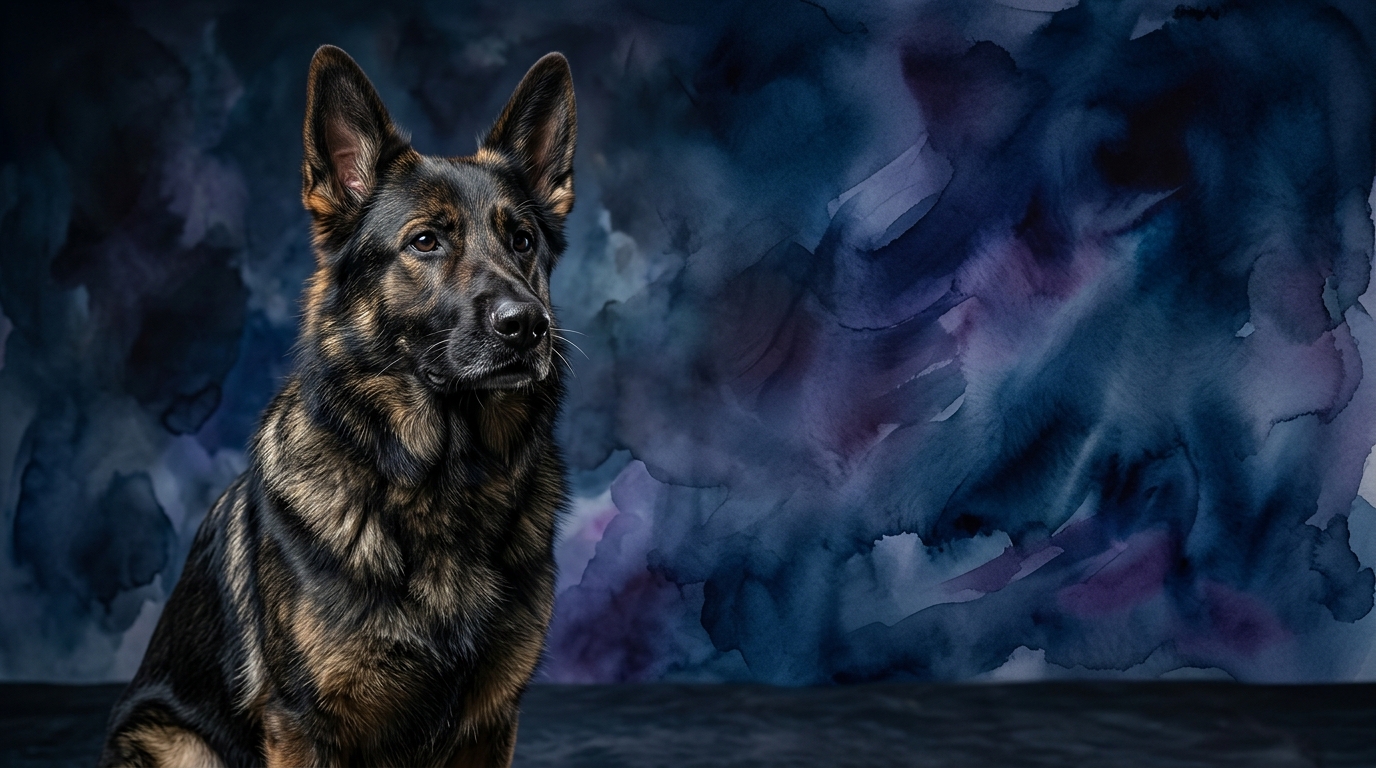
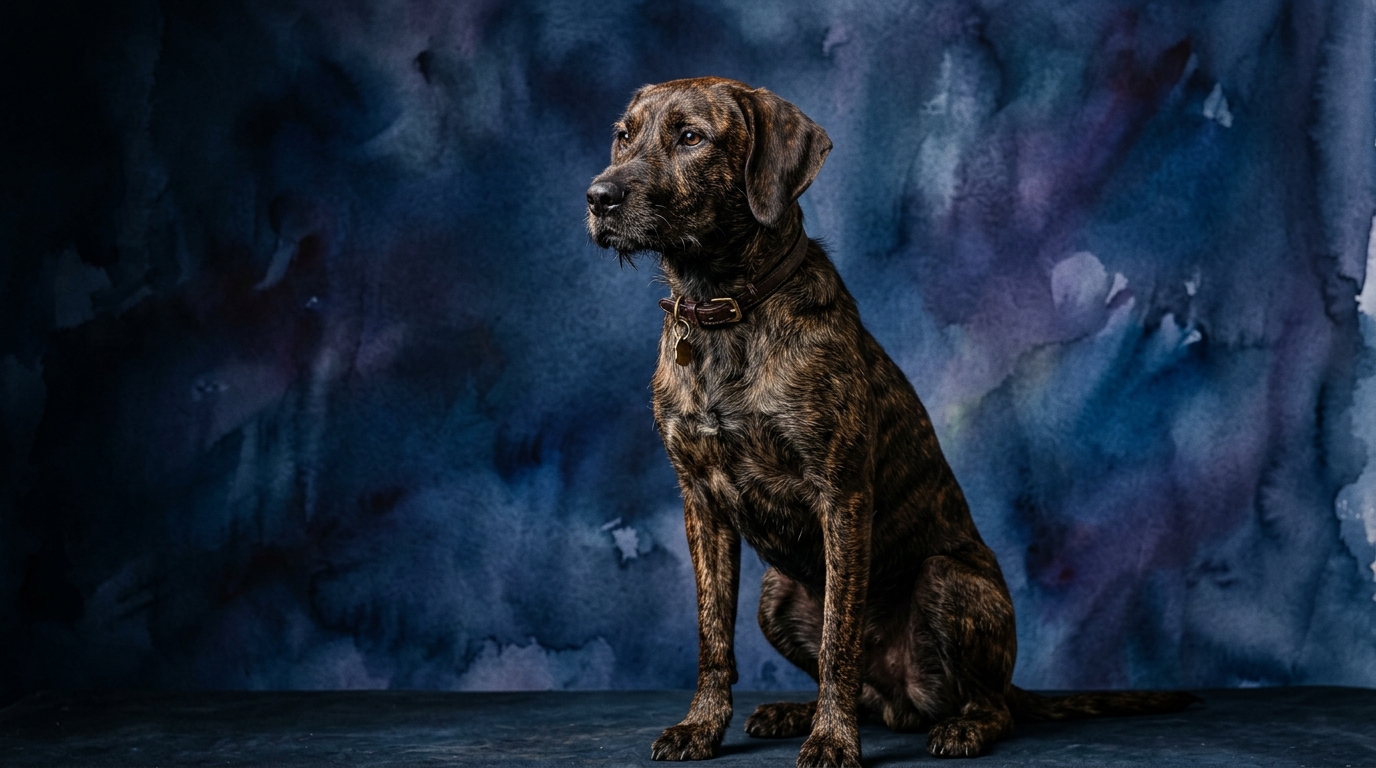
Side-by-Side IQ Profile: German Shepherd vs. Plott Hound
The Cosmic Pet Pet IQ Lab employs a multi-dimensional approach to assess canine cognition, moving beyond singular metrics to evaluate specific mental faculties crucial for a dog's success in its environment. For the German Shepherd, a breed ranked #3 by Stanley Coren for working and obedience intelligence, their cognitive profile paints a picture of exceptional versatility and adaptability. Their Problem Solving is rated 5/5, reflecting an acute ability to navigate novel situations and develop effective strategies for achieving goals. Training Speed, also 5/5, indicates their rapid assimilation of new commands and behaviors, often requiring fewer repetitions than many other breeds. Social Intelligence at 5/5 showcases their profound capacity to interpret human cues, form strong bonds, and understand social hierarchies. Their Instinctive Drive, 5/5, points to a powerful internal motivation for purposeful activity, whether herding, guarding, or working. Finally, their Memory, 5/5, ensures excellent retention of learned tasks and experiences, contributing to their reliability in complex roles.
In contrast, the Plott Hound, an American breed not listed in Coren's top ranks, presents a profile specialized for its heritage as a big-game hunter. Their Problem Solving is rated 3/5, indicating a moderate capacity to work through challenges, often relying on persistence and instinct rather than rapid, innovative solutions. Training Speed also stands at 3/5, suggesting they learn at a steady pace but may require more consistent, patient instruction to solidify new behaviors. Social Intelligence at 3/5 means they are capable of forming bonds and understanding social structures, but perhaps with a more independent streak compared to highly handler-focused breeds. Their Instinctive Drive, 3/5, while present, is primarily channeled through their phenomenal olfactory senses, driving them to track rather than broadly engage in varied tasks. Their Memory, rated 3/5, is proficient, particularly in recalling scent trails and locations, though perhaps not as broadly applied to abstract commands as a German Shepherd’s.
Where the German Shepherd Excels Cognitively
The German Shepherd's cognitive architecture provides a distinct advantage in tasks demanding broad intellectual application and rapid response. Their superior Problem Solving (5/5) allows them to quickly assess and adapt to unfamiliar scenarios, making them adept at navigating complex search and rescue environments or intricate obstacle courses. This isn't just about following commands; it's about interpreting a situation and applying learned principles to find a solution. For instance, if a familiar path is blocked, a German Shepherd is more likely to devise a new route independently rather than simply stopping.
Furthermore, their exceptional Social Intelligence (5/5) means they are finely attuned to human subtle cues—a glance, a shift in body language, or a change in tone—enabling nuanced communication and a deep working partnership. This cognitive strength allows them to anticipate handler needs and respond with remarkable precision in roles like service work or police K9 units. Their robust Memory (5/5) underpins their ability to retain extensive repertoires of commands, associate verbal cues with specific actions, and recall intricate procedures over long periods, making them incredibly reliable in multi-stage operations.
Where the Plott Hound Demonstrates Unique Cognitive Strengths
While the Plott Hound's general cognitive scores may appear moderate, their specific strengths are undeniably impressive and perfectly honed for their intended purpose. Their true genius lies in their specialized sensory processing and unwavering focus. The Plott Hound's instinctive drive (3/5, but intensely focused) is overwhelmingly directed towards scent work, manifesting as an unparalleled ability to discriminate, follow, and persist on a specific scent trail, often ignoring other distractions. This isn't merely a physical act; it's a cognitive feat involving complex sensory analysis and sustained attention.
Their Problem Solving (3/5) becomes exceptional when applied to tracking. They excel at deciphering complicated scent puzzles, navigating varied terrains, and overcoming obstacles to maintain a trail. This involves a unique form of cognitive mapping based on olfactory input, allowing them to construct a mental representation of their environment through scent. While their general memory is 3/5, their memory for specific scents and trails, including those that are faint or old, is a remarkable cognitive adaptation, enabling them to revisit and pick up lost trails with impressive accuracy.
Training Dynamics: German Shepherd vs. Plott Hound
The disparity in Training Speed between these two breeds (German Shepherd 5/5, Plott Hound 3/5) translates into significantly different training experiences. German Shepherds typically grasp new commands swiftly, often after just a few repetitions, and are eager to please their handlers, driven by their high social intelligence and inherent desire for purpose. This means they can progress rapidly through obedience, agility, or specialized training programs, making them suitable for owners seeking a highly responsive and adaptable working partner. Their strong instinctive drive also means they thrive on consistent mental and physical engagement, and training provides an excellent outlet for this.
Plott Hounds, while perfectly trainable, require a different approach. Their moderate training speed means patience and consistency are paramount. They may not show the same immediate eagerness to learn abstract commands, as their primary instinctive drive is centered around scent, not necessarily handler-directed tasks. Training methods that incorporate their natural tracking abilities, such as scent games or 'hide and seek' with treats, can be particularly effective. Owners must understand that a Plott Hound's occasional 'stubbornness' often stems from their independent nature and deep focus on their own sensory world, rather than a lack of capacity. Success hinges on making training rewarding and relevant to their natural inclinations, often requiring more creative motivation than with a German Shepherd.
Matching Breeds to Lifestyles: Active vs. Relaxed Owners
For owners with an active lifestyle who are seeking a highly engaged partner for structured activities, the German Shepherd is often an ideal match. Their high instinctive drive (5/5) means they thrive on having a job or purpose, whether it's daily obedience practice, advanced agility, Schutzhund, or even complex service dog tasks. They require substantial mental stimulation to prevent boredom and destructive behaviors, and their cognitive capacity allows them to excel in almost any canine sport or working role. An owner who enjoys consistent training, regular challenging exercise, and a dog that seeks out interaction will find a German Shepherd a rewarding companion.
The Plott Hound, while also requiring an active outlet, suits a different kind of owner. Their activity needs are often more focused on exploration and scent work. They are perfect for individuals who enjoy long hikes, trail running, or engaging in scent-specific activities like tracking or barn hunt. While they appreciate companionship, their independent streak and strong prey drive mean they are often content to follow a scent trail for hours. Owners who are less interested in highly structured obedience but are enthusiastic about outdoor adventures and providing outlets for a dog's natural hunting instincts will find a Plott Hound a loyal and engaging partner. They are less suited for a purely relaxed, sedentary lifestyle, but their cognitive needs are met more through sensory exploration than through complex abstract problem-solving in a domestic setting.
The Verdict
Choose a German Shepherd if you desire a highly versatile, responsive partner for complex training, structured activities, and a deeply interactive bond, thriving on purpose and shared tasks.
Choose a Plott Hound if you appreciate an independent, scent-driven companion for outdoor adventures and specialized tracking activities, understanding their need for patience in generalized training.
🧠 Find Your Pet's IQ Score
Our Pet IQ Lab assessment covers 25+ tests across 5 cognitive dimensions — personalized to your breed.
Take the Full IQ Test →Frequently Asked Questions
Is a Plott Hound difficult to train?
A Plott Hound is not difficult to train, but requires consistency, patience, and motivation tailored to their strong scent drive. They may not learn as quickly as a German Shepherd, but they are capable of learning a wide range of commands with the right approach.
Which breed is better for a first-time dog owner?
Neither breed is typically recommended for a completely novice owner without prior research and commitment. However, a German Shepherd's high cognitive demands and strong drives can be overwhelming for first-timers, while a Plott Hound's independence and scent-driven nature also require specific understanding.
Do German Shepherds need a 'job'?
German Shepherds thrive on having a 'job' or purpose due to their high instinctive drive and problem-solving abilities. This doesn't necessarily mean formal work, but rather consistent mental and physical engagement through training, puzzles, or dog sports to prevent boredom and channel their energy constructively.