Side-by-Side Cognitive Profiles
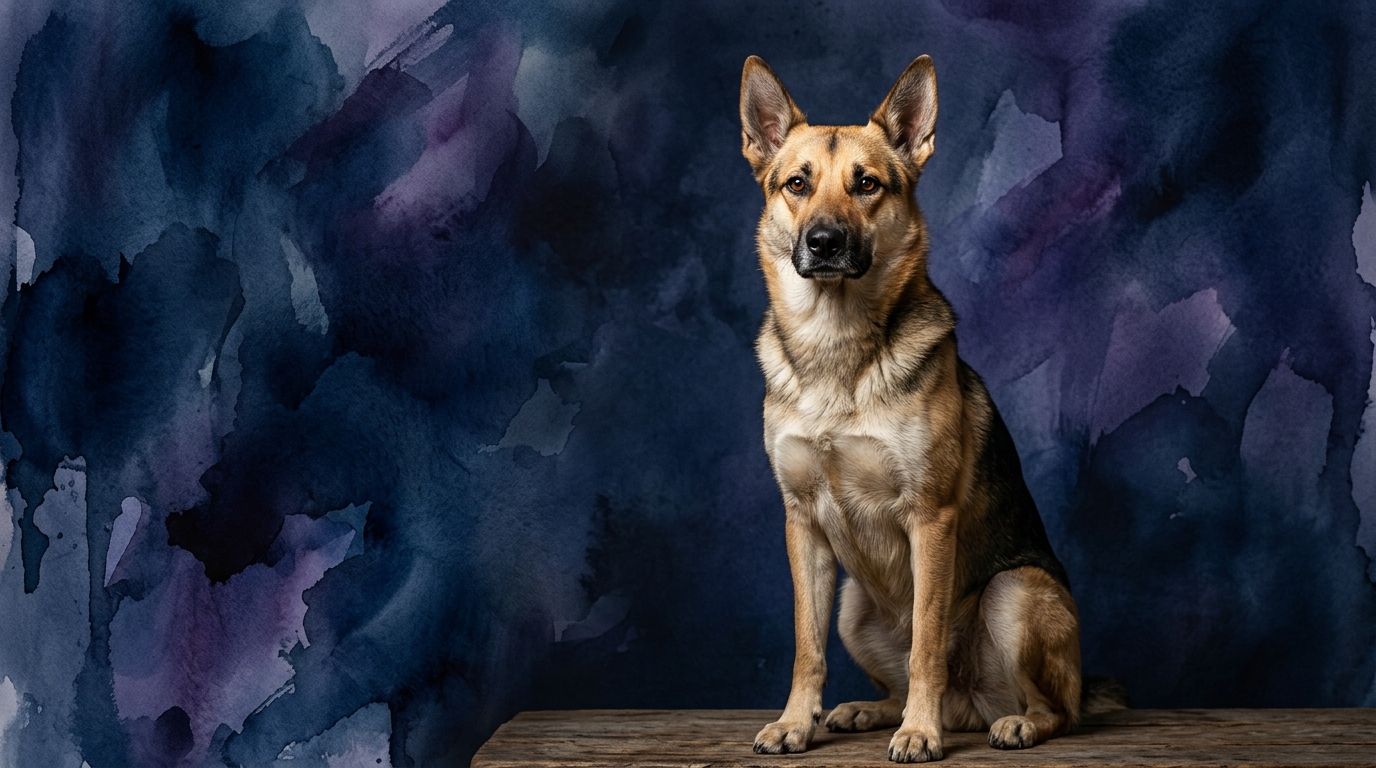
The Canaan Dog, an ancient breed with a Coren rank of #43, presents a distinct cognitive makeup. Its Problem Solving at 3/5 reflects a capacity for independent thought and finding solutions, a trait honed by centuries of survival in harsh environments. Training Speed at 3/5 suggests a moderate pace for learning new commands, requiring consistent and engaging methods rather than rote repetition. Social Intelligence, also 3/5, indicates an ability to understand human cues, though often filtered through an independent, watchful temperament. Instinctive Drive at 3/5 manifests in their inherent guarding and territorial behaviors, a natural inclination to survey and protect their perceived domain. A standout trait is their Memory at 4/5, allowing them to retain learned information and environmental details over extended periods, contributing significantly to their adaptability and consistent performance once a behavior is mastered.
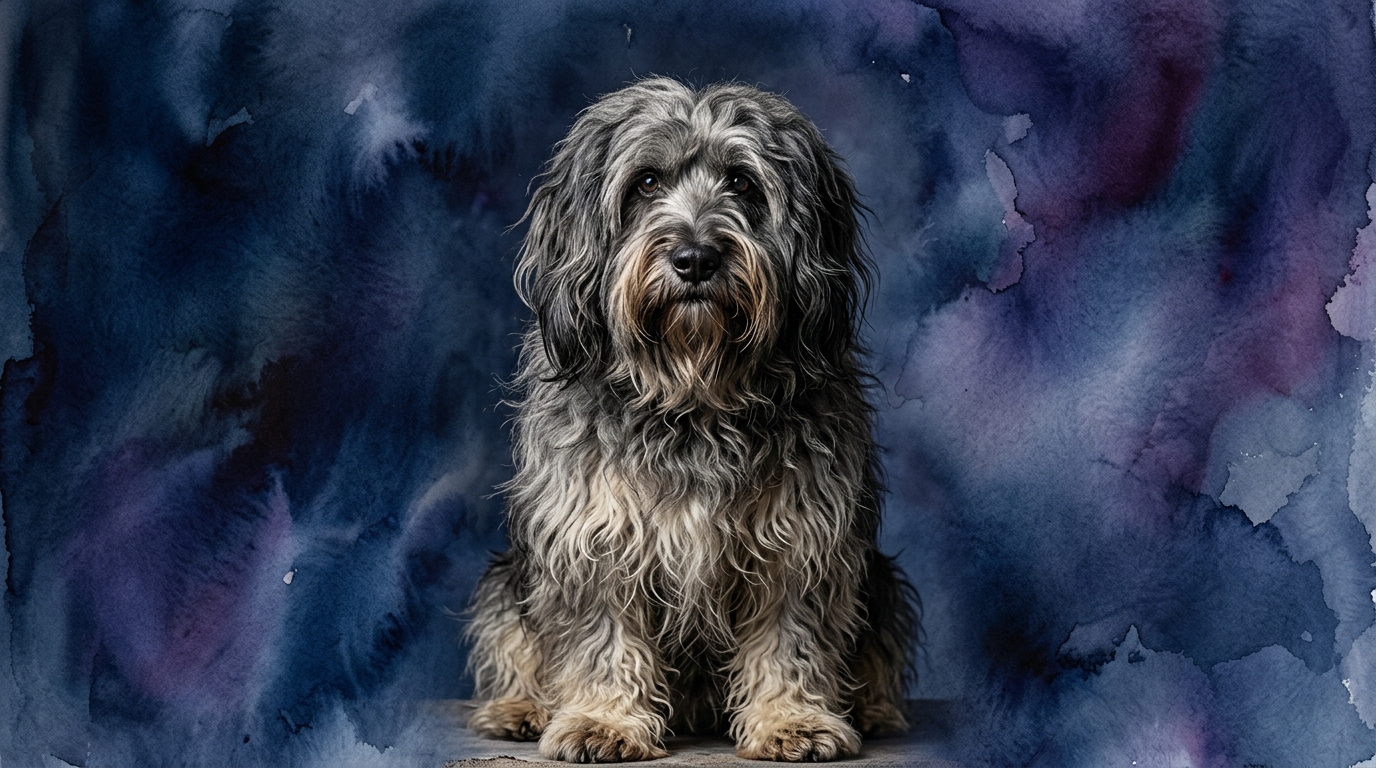
The Polish Lowland Sheepdog, or PON, though not Coren-ranked, possesses a similar baseline in several cognitive dimensions. Its Problem Solving at 3/5 demonstrates an aptitude for navigating challenges, essential for its historical role in managing livestock in diverse terrains. Training Speed at 3/5 mirrors the Canaan Dog, implying a comparable need for clear, patient instruction to embed new skills effectively. Social Intelligence at 3/5 suggests they are receptive to their human companions, though their herding heritage imbues them with a degree of self-reliance. Instinctive Drive at 3/5 is pronounced in their natural inclination to gather and control, a core aspect of their working identity. Their Memory at 3/5 is solid, enabling them to recall routines and learned tasks reliably, though perhaps with a slightly different emphasis on long-term recall compared to the Canaan Dog. This breed’s cognitive profile is often best understood through its practical application in dynamic, independent working scenarios.
Where the Canaan Dog Excels Cognitively
The Canaan Dog's primary cognitive advantage lies in its superior Memory, rated at 4/5. This enhanced recall means that once a Canaan Dog learns a command or understands a boundary, that information is retained with remarkable tenacity. For an owner, this translates into less need for constant re-training on previously mastered skills, allowing for more advanced and nuanced learning over time. This robust memory also supports their innate problem-solving abilities, as they can draw upon a larger mental database of past experiences to navigate new situations.
Furthermore, the Canaan Dog's Coren ranking of #43 signifies a predictable capacity for understanding and obeying new commands within a moderate number of repetitions (typically 25-40). This provides a clearer expectation for owners embarking on formal obedience training. Their deep-seated survival instincts, stemming from their pariah dog origins, also contribute to a form of cognitive adaptability; they are acutely aware of their surroundings and can rapidly assess and react to changes, demonstrating a practical intelligence geared towards self-preservation and observation.
Where the Polish Lowland Sheepdog Shows Unique Strengths
While the Polish Lowland Sheepdog shares several cognitive scores with the Canaan Dog, its unique strengths emerge from the application of these traits within its specific herding context. Its Problem Solving (3/5) combined with its Instinctive Drive (3/5) often manifests as a pronounced ability for autonomous decision-making in the field. Unlike some herding breeds that work under close human direction, the PON was bred to manage livestock independently, often out of sight from its shepherd. This demands a cognitive framework that prioritizes initiative, independent judgment, and the ability to adapt to unpredictable livestock movements and environmental changes without constant human input.
This breed's resilience and mental stamina are also noteworthy cognitive advantages. The PON's robust physical build and dense coat are matched by a mental toughness that allows for sustained focus and perseverance in challenging conditions. This isn't merely about raw problem-solving speed but about the endurance of cognitive effort, enabling them to maintain their herding tasks over long periods and through adverse weather. Their confident and lively demeanor suggests a cognitive resilience that allows them to remain effective and engaged even when faced with difficulties, making them highly effective in roles requiring sustained, self-directed work.
Trainability: Canaan Dog vs. Polish Lowland Sheepdog
Both the Canaan Dog and the Polish Lowland Sheepdog share a Training Speed rating of 3/5, indicating that neither is inherently 'easy' nor 'difficult' to train in the traditional sense. Both will require patience, consistency, and positive reinforcement. However, their underlying behavioral differences, rooted in their breed histories, influence the training experience. The Canaan Dog's 4/5 Memory score gives it a distinct advantage in retention; once it grasps a concept, it is likely to remember it over time, making long-term training more efficient. Its Coren rank also provides a benchmark for its responsiveness to formal commands.
Despite this, the Canaan Dog's independent nature, a legacy of its pariah dog heritage, means it often evaluates whether a command is truly necessary or beneficial before complying. They learn quickly but may not always choose to obey if their instincts suggest an alternative course of action, or if they perceive no immediate reward. The Polish Lowland Sheepdog, with its strong independent herding drive, presents a similar challenge. While possessing good social intelligence (3/5), its historical role demanded self-reliance, which can translate into a less biddable attitude during repetitive obedience drills. They might question the 'why' behind a command more frequently, requiring trainers to be highly engaging and persuasive, framing tasks as collaborative problem-solving rather than strict adherence.
Ideal Owners: Active vs. Relaxed Lifestyles
Given their herding backgrounds, both the Canaan Dog and the Polish Lowland Sheepdog are best suited for active owners capable of providing consistent physical and mental engagement. Neither breed thrives in a truly relaxed home environment with minimal interaction or exercise. The Canaan Dog, with its strong instinctive drive (3/5) for guarding and patrolling, requires outlets for these natural behaviors. Owners who enjoy activities like hiking, scent work, agility, or competitive obedience will find the Canaan Dog a willing and capable partner, benefiting from its problem-solving acumen and impressive memory. A lack of stimulation can lead to boredom and potentially undesirable behaviors.
Similarly, the Polish Lowland Sheepdog demands an active lifestyle. Its instinctive drive (3/5) for herding means it thrives on purpose-driven activities that engage its mind and body. These lively and confident dogs need consistent engagement to prevent boredom and channel their abundant energy. Owners interested in dog sports, long walks in varied environments, or even actual herding activities would find the PON incredibly rewarding. They are not content to be couch potatoes and will seek ways to entertain themselves if their cognitive and physical needs are not adequately met, emphasizing the importance of an owner who embraces an active, participatory role in their dog's life.
The Verdict
Choose the Canaan Dog if you appreciate an independent thinker with a remarkable memory and a watchful nature, provided you can channel their strong survival instincts and offer consistent, engaging mental tasks.
Opt for the Polish Lowland Sheepdog if you seek an autonomous, adaptable herding companion with a robust, confident demeanor, ready to make independent decisions, and are prepared for a training journey that respects their self-reliant spirit.
🧠 Find Your Pet's IQ Score
Our Pet IQ Lab assessment covers 25+ tests across 5 cognitive dimensions — personalized to your breed.
Take the Full IQ Test →Frequently Asked Questions
Are Canaan Dogs suitable for first-time dog owners?
Canaan Dogs possess a strong independent streak and watchful nature, requiring confident and consistent handling. While adaptable, their unique cognitive profile and instincts may present challenges for novice owners who are not prepared for their specific needs.
What kind of grooming do Polish Lowland Sheepdogs require?
Polish Lowland Sheepdogs have a dense, shaggy double coat that requires regular and thorough grooming to prevent matting. Weekly brushing, sometimes more frequently, is essential, and occasional professional grooming can help maintain their coat health and comfort, contributing to their overall well-being.
What mental stimulation do these herding breeds need to thrive?
Both breeds require consistent mental stimulation, benefiting from puzzle toys, training sessions that introduce new commands, and activities like scent work or agility. Engaging their problem-solving abilities and instinctive drives through varied tasks is crucial to prevent boredom and foster a well-adjusted temperament.