Side-by-Side IQ Profile: Cane Corso vs. Curly-Coated Retriever
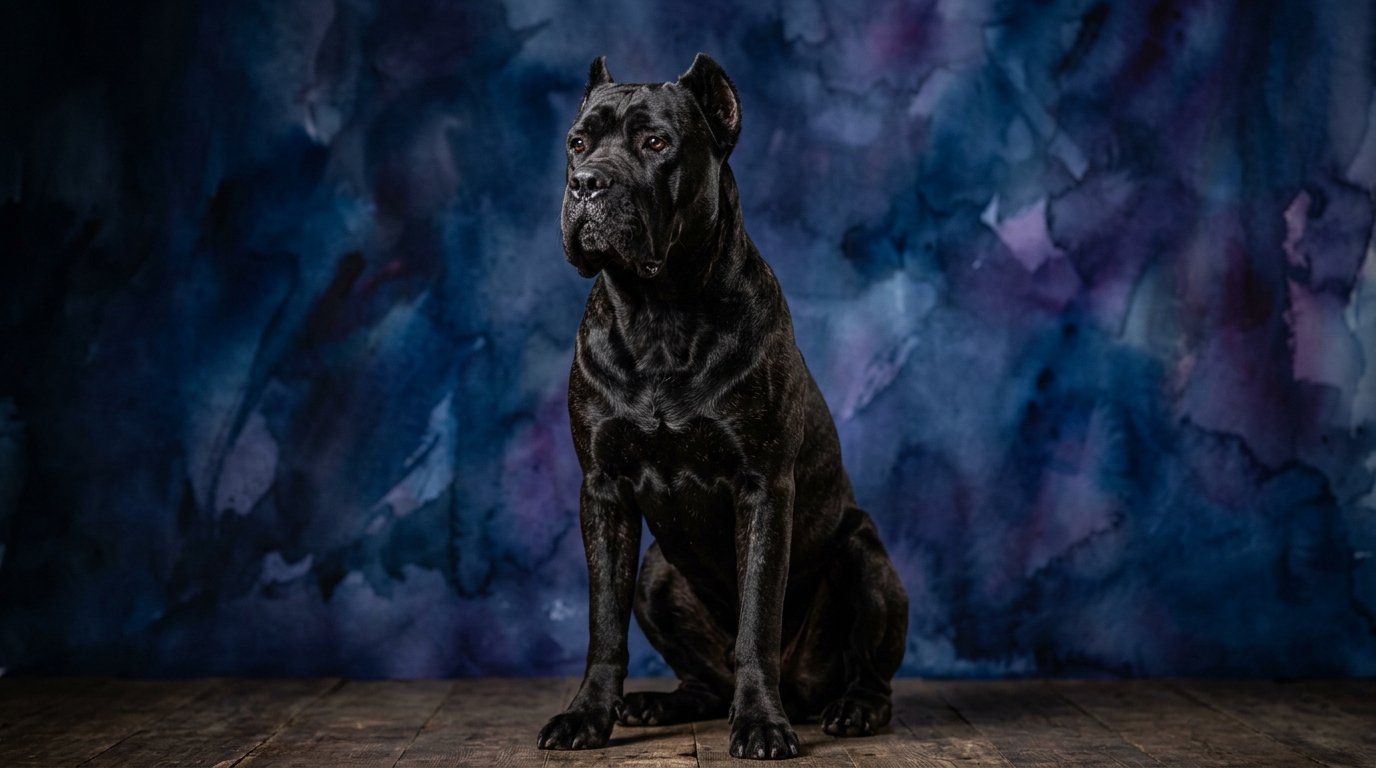
The Cosmic Pet Pet IQ Lab provides a fascinating look into the cognitive strengths of our canine companions. For the Cane Corso, a robust member of the Working Group, its profile shows a consistent score across the board: Problem Solving 3/5, Training Speed 3/5, Social Intelligence 3/5, Instinctive Drive 3/5, and Memory 3/5. These scores suggest a capable, practical intellect, one that learns effectively with consistent guidance and applies its understanding to real-world scenarios, particularly those related to its inherent protective nature. A 3/5 in these areas indicates a dog that can master complex tasks and social cues, but may not always seek out novel mental challenges independently, and typically benefits from structured, repetitive training to solidify new behaviors and recall.
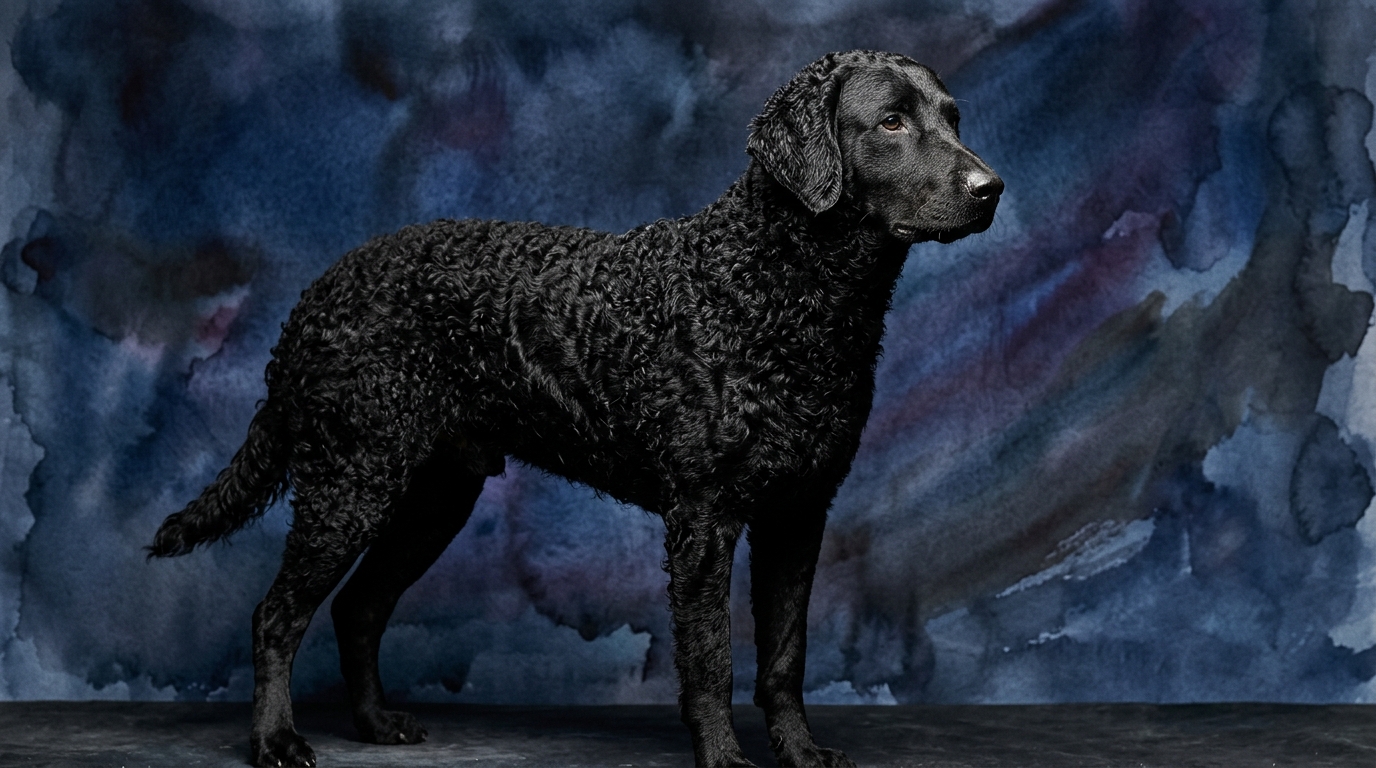
In contrast, the Curly-Coated Retriever, a member of the Sporting Group and ranked #41 by Coren for working and obedience intelligence, presents a slightly varied cognitive blueprint. Its scores include Problem Solving 3/5, Training Speed 3/5, Social Intelligence 3/5, Instinctive Drive 3/5, and a standout Memory at 4/5. While sharing similar foundational scores in several dimensions with the Cane Corso, the Curly-Coated Retriever's superior memory is a key differentiator. This higher memory score indicates an enhanced capacity for retaining information over extended periods, remembering complex sequences, and quickly recalling learned behaviors even after a lapse in practice. This makes them particularly adept at tasks requiring consistent adherence to learned patterns and commands.
Where the Cane Corso Wins Cognitively
The Cane Corso's cognitive strengths, while not numerically higher in individual categories compared to the Curly-Coated Retriever, lie in the cohesive integration of its 3/5 scores across the board, particularly within its working context. Its 3/5 in Instinctive Drive is specifically channeled towards discernment and protection, meaning its problem-solving and social intelligence are often applied to assessing situations and identifying potential threats or intruders within its perceived territory. This isn't about solving abstract puzzles, but rather about practical, situational awareness and decisive action. Its social intelligence, while a 3/5, is characterized by a discerning nature; it processes social cues with a watchful eye, making it less prone to indiscriminate friendliness and more attuned to the nuances of its trusted human companions and their environment. This breed's intelligence is deeply rooted in its heritage as a guardian, making it exceptionally capable in roles requiring steadfast loyalty, composure under pressure, and a keen sense of observation for its surroundings. The Cane Corso's problem-solving might manifest as finding the most direct and effective way to manage a perceived boundary infringement, rather than a playful search for a hidden treat.
Where the Curly-Coated Retriever Wins Cognitively
The Curly-Coated Retriever's clear cognitive advantage lies in its Memory, scoring an impressive 4/5. This enhanced recall and retention capacity translates into a significant benefit for owners. Dogs with a 4/5 memory can learn complex chains of commands more readily and retain them with less frequent refreshing than those with a 3/5. For instance, a Curly-Coated Retriever might remember a multi-step retrieve sequence or an intricate agility course layout after fewer repetitions, and be able to execute it accurately even after a break from training. This superior memory also contributes to faster training speed in scenarios where sequential learning is key, allowing them to build upon previously learned skills more efficiently. While its problem-solving ability is on par with the Cane Corso at 3/5, its excellent memory means it can more effectively apply learned solutions to recurring challenges, such as remembering the best approach to retrieve an object from a difficult spot or navigating a familiar obstacle course. This breed's Coren ranking of #41 further underscores its general aptitude for obedience and working intelligence, often linked to its ability to process and retain commands effectively.
Which is Easier to Train and Why
When considering ease of training, the Curly-Coated Retriever generally presents a more straightforward path for many owners, primarily due to its superior Memory score of 4/5 compared to the Cane Corso's 3/5. While both breeds share a 3/5 in Training Speed, the Curly-Coated Retriever's ability to retain information more effectively means that once a command or behavior is learned, it is likely to stick with less need for constant repetition over time. This makes progressing through various levels of obedience or learning complex canine sports, such as agility or advanced retrieving, more efficient. Their strong retrieving drive, inherent to their Sporting Group background, also provides a natural motivation for many training exercises, as they are often eager to work alongside their handler and enjoy the 'job' of retrieving. This eagerness, coupled with their excellent memory, allows them to build a robust repertoire of commands and cues with greater long-term consistency.
The Cane Corso, with its 3/5 in Training Speed and Memory, requires a more consistent and patient approach. While certainly capable of learning, its retention requires more frequent reinforcement, and its independent, discerning nature means it might question the 'why' behind a command before complying, especially if it perceives no immediate value or if the command conflicts with its protective instincts. Its social intelligence, while a 3/5, is often channeled towards assessing and protecting its family, meaning its focus in training might be more on practical obedience for control rather than enthusiastic participation in every novel trick. Owners must be prepared for a training journey that emphasizes clear boundaries, unwavering consistency, and positive reinforcement to build trust and cooperation with this powerful guardian breed. While they learn, the process often demands more deliberate effort to ensure lasting recall and obedience, particularly in distracting environments.
Which Suits Active Owners vs. Relaxed Owners
Neither the Cane Corso nor the Curly-Coated Retriever are truly suited for purely 'relaxed' owners in the sense of minimal engagement. Both breeds require substantial mental and physical stimulation, but the *type* of activity and engagement differs significantly. The Cane Corso, with its 3/5 Instinctive Drive focused on guardianship, thrives with an owner who provides structure, consistent training, and clear leadership. They need purposeful activity that taps into their working heritage, such as obedience training, protection work (under professional guidance), or long, structured walks that reinforce their role as a calm, watchful companion. An owner who understands the need for early and ongoing socialization, firm boundaries, and mental challenges that respect their discerning nature will find a devoted partner. They are not a breed for owners seeking a low-maintenance companion who is content with minimal interaction; rather, they need an owner who is actively involved in shaping their behavior and providing a secure, predictable environment.
The Curly-Coated Retriever, with its strong retrieving instincts and superior memory, is an excellent match for active owners who enjoy engaging in canine sports, long hikes, swimming, or extensive games of fetch. Their 3/5 Instinctive Drive is geared towards retrieving and working collaboratively, making them enthusiastic participants in activities like dock diving, agility, or competitive obedience. They thrive on having a 'job' and benefit greatly from owners who can channel their energy and intelligence into structured play and training sessions. While they possess a good 'off switch' once adequately exercised, they are not content to be couch potatoes all day. Owners who are committed to providing daily physical exercise combined with mental stimulation that utilizes their memory and problem-solving skills will find a joyful and highly trainable companion. They are less suited for owners who cannot commit to regular, interactive exercise and mental challenges that keep their minds engaged.
The Verdict: When to Choose Each Breed
The Verdict
Choose the Cane Corso if you seek a dedicated, discerning guardian, are prepared for consistent, firm training, and can provide a structured environment that respects their protective instincts and independent spirit.
Opt for the Curly-Coated Retriever if you are an active owner who enjoys interactive training, canine sports, and desires a highly trainable companion with excellent memory and a strong desire to work alongside you.
🧠 Find Your Pet's IQ Score
Our Pet IQ Lab assessment covers 25+ tests across 5 cognitive dimensions — personalized to your breed.
Take the Full IQ Test →Frequently Asked Questions
Is the Cane Corso difficult to train due to its 3/5 scores?
The Cane Corso is not inherently difficult to train, but requires an owner committed to consistency, clear communication, and early socialization. Their 3/5 scores mean they are capable learners, but benefit from more repetition and a structured approach to solidify commands, especially given their independent and discerning nature.
How does the Curly-Coated Retriever's 4/5 memory impact daily life?
A Curly-Coated Retriever's 4/5 memory means they are excellent at remembering routines, commands, and even complex sequences. This translates to faster learning in training, reliable recall, and a greater ability to adapt to household rules, making them a very consistent and predictable companion once behaviors are established.
Which breed is better for a first-time dog owner?
Due to its independent nature and strong protective instincts requiring experienced handling, the Cane Corso is generally not recommended for first-time dog owners. The Curly-Coated Retriever, while still requiring significant commitment to exercise and training, is often a more manageable choice for a dedicated first-time owner, especially one keen on engaging in dog sports or advanced obedience, thanks to its superior memory and eagerness to please.