
Side-by-Side Cognitive Profiles
The Cosmic Pet Pet IQ Lab employs a five-dimensional model to evaluate canine intelligence, offering a nuanced perspective beyond simple obedience rankings. For the Cane Corso, a majestic working dog, its cognitive profile reflects its heritage as a protector and companion. Its Problem Solving (3/5) involves assessing situations and devising practical solutions, often centered on strategic positioning or managing perceived threats. Training Speed (3/5) indicates they absorb commands at a moderate pace, thriving under consistent, firm, and fair leadership. Their Social Intelligence (3/5) involves adeptly interpreting human intentions and group dynamics within their family, maintaining reserve with strangers. The Instinctive Drive (3/5) is a powerful inherent inclination for protection and vigilance. Finally, their Memory (3/5) allows them to retain learned behaviors and significant past experiences, aiding consistent guardianship.
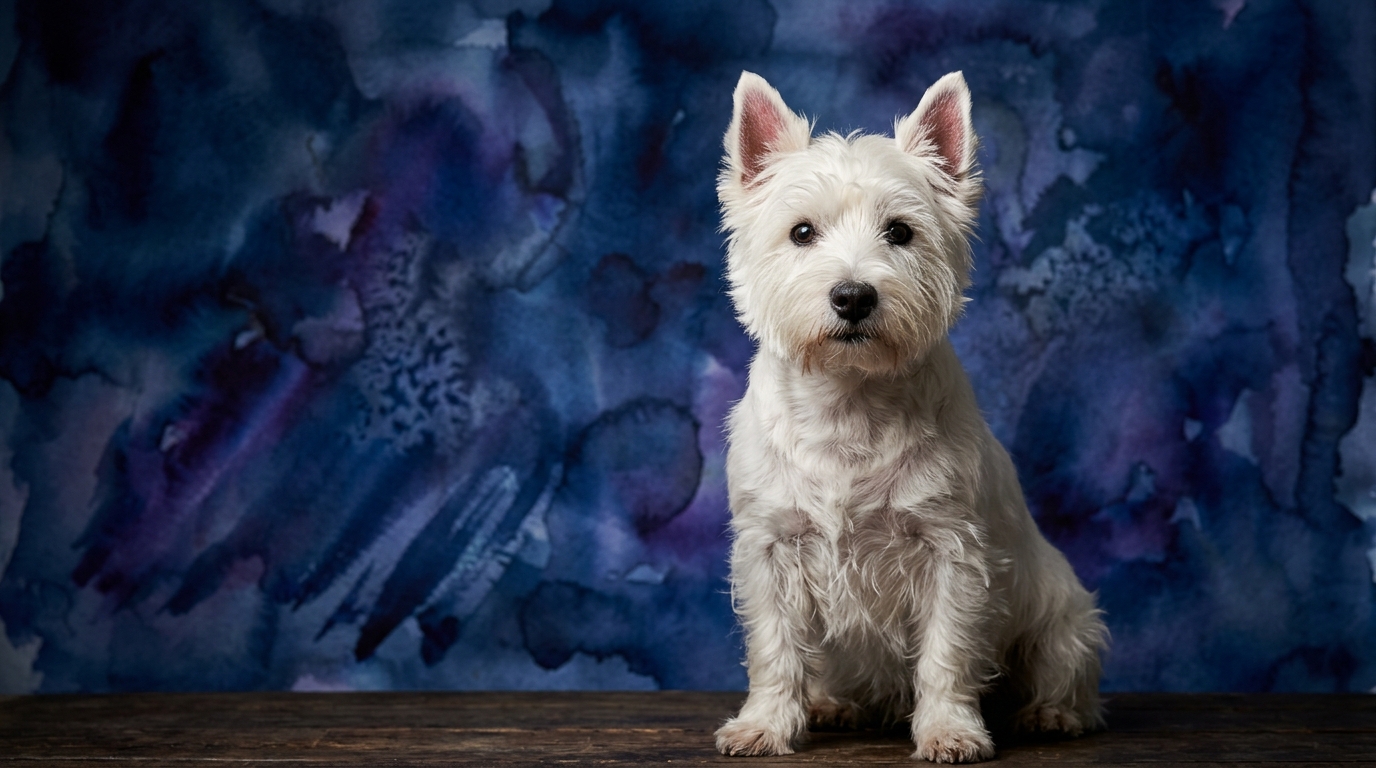
In stark contrast, the West Highland White Terrier, a spirited terrier breed, presents a unique cognitive blueprint. Its Problem Solving (3/5) manifests as tenacious resourcefulness in overcoming obstacles, particularly when investigating scents or accessing desired locations, with solutions often persistent and creative. Training Speed (3/5) means they learn new tasks moderately, though their independent terrier spirit can challenge immediate compliance. Their Social Intelligence (3/5) allows them to interpret human cues within their familiar circle, but their boldness often leads to independent social decisions. The Instinctive Drive (3/5) is profoundly shaped by their terrier heritage, exhibiting an intense prey drive, desire to dig, and insatiable curiosity. A standout for the Westie is its Memory, rated 4/5, demonstrating a superior ability to recall past events, commands, and associations, making them highly adept at remembering routines and previous learning experiences.
Where the Cane Corso Wins Cognitively
While both breeds share a 3/5 rating across several cognitive dimensions, the Cane Corso’s specific application of these skills often gives it a distinct edge in certain scenarios. Its problem-solving, though rated equally, is geared towards strategic assessment of larger-scale environmental factors and potential threats, a skill honed over centuries of guarding. This means a Cane Corso is more likely to assess a perimeter for vulnerabilities or understand the implications of a new person entering its family’s space. Their social intelligence, while not higher in score, is profoundly focused on discerning intent and understanding hierarchical dynamics, making them unparalleled at reading the subtle cues of loyalty or potential challenge within their established 'pack.' This nuanced social awareness, coupled with their powerful instinctive drive for protection, means they excel at making informed, measured decisions when it comes to family safety, a cognitive advantage rooted deeply in their functional history.
Where the West Highland White Terrier Wins Cognitively
The West Highland White Terrier truly shines in its exceptional memory, scoring a 4/5 compared to the Cane Corso’s 3/5. This superior recall means Westies are remarkably adept at remembering complex sequences, past training, and the consequences of their actions, enabling them to navigate their world with a detailed mental map of experiences. Their problem-solving, though numerically equivalent, is a testament to their tenacious spirit; they excel at figuring out intricate puzzles or persistent pursuits where sheer determination is key, often demonstrating a creative agility in tight spots that a larger dog might overlook. Furthermore, their instinctive drive, while also a 3/5, is channeled into unparalleled curiosity and investigative zeal. This manifests as a relentless focus on scent work and exploration, allowing them to process and remember environmental details with an intensity that serves their original purpose as a hunting terrier.
Which is Easier to Train and Why
Both the Cane Corso and the West Highland White Terrier are rated 3/5 for training speed, yet the perceived ease of training diverges significantly due to their inherent temperaments and drives. A Cane Corso often aims to please its trusted leader, making it receptive to training under confident, consistent guidance. Their training challenge lies in managing their immense strength and channeling protective instincts through early, thorough socialization. They require an owner who establishes clear boundaries and structured training, as their primary motivation is often to understand and fulfill their role within the family.
Conversely, the Westie's independent terrier spirit and robust prey drive present different hurdles. While they possess an excellent memory (4/5) and remember commands well, their strong will and propensity for distraction can lead to selective obedience. A Westie might understand "come" but choose to ignore it if an interesting scent or prey item captures their attention. Their training demands creativity, high-value rewards, and relentless consistency to overcome their self-directed nature. Recall, in particular, can be a lifelong endeavor. Therefore, while both learn at a similar pace, the Cane Corso, under the right leadership, often proves more straightforward for compliance, whereas the Westie demands an owner who engages their clever independence.
Which Suits Active Owners vs. Relaxed Owners
The suitability of these breeds for active versus relaxed owners is starkly different. The Cane Corso is unequivocally for active, dedicated owners. Their powerful build necessitates significant daily physical exercise, including structured walks, runs, and mental stimulation through advanced obedience or protection work. A relaxed owner risks a bored, potentially destructive, and difficult-to-manage dog. Their strong guardian instincts also demand an owner prepared for continuous socialization and training.
The West Highland White Terrier, while not requiring the same sheer volume of physical exertion, is also best suited for owners who engage them actively, albeit differently. Their moderate exercise needs are met with regular walks and spirited playtime, but their acute memory and instinctive drive demand consistent mental stimulation. They thrive on puzzle toys, scent games, and frequent training sessions. A "relaxed" owner might find their independent, curious nature leads to destructive digging or excessive barking if not adequately engaged. While more adaptable to apartment living, they are not content to be simply decorative; they need interactive owners.
The Verdict
Choose a Cane Corso if you seek a vigilant, dedicated guardian and are prepared for rigorous, consistent training and socialization to channel their protective instincts effectively, providing ample physical and mental engagement.
Opt for a West Highland White Terrier if you appreciate a spirited, independent companion with a sharp memory, and are ready to engage their tenacious terrier spirit with consistent mental challenges and playful interaction.
🧠 Find Your Pet's IQ Score
Our Pet IQ Lab assessment covers 25+ tests across 5 cognitive dimensions — personalized to your breed.
Take the Full IQ Test →Frequently Asked Questions
Do Cane Corsos respond well to positive reinforcement?
Yes, Cane Corsos respond very well to positive reinforcement, especially when combined with clear leadership and consistency. Their desire to please their family makes reward-based training highly effective for shaping desired behaviors and building a strong bond.
How does the Westie's strong memory impact its daily life?
A Westie's superior memory means they quickly learn routines, house rules, and even past transgressions, making them adept at navigating their environment. This also means they recall training cues effectively, though their independent streak can sometimes override compliance.
Are West Highland White Terriers good for first-time dog owners?
While charming, Westies can be a handful for first-time owners due to their strong prey drive, independent nature, and potential for stubbornness. They thrive with owners who understand terrier traits and can provide consistent training and socialization.