Side-by-Side Cognitive Profile: Unpacking the Nuances
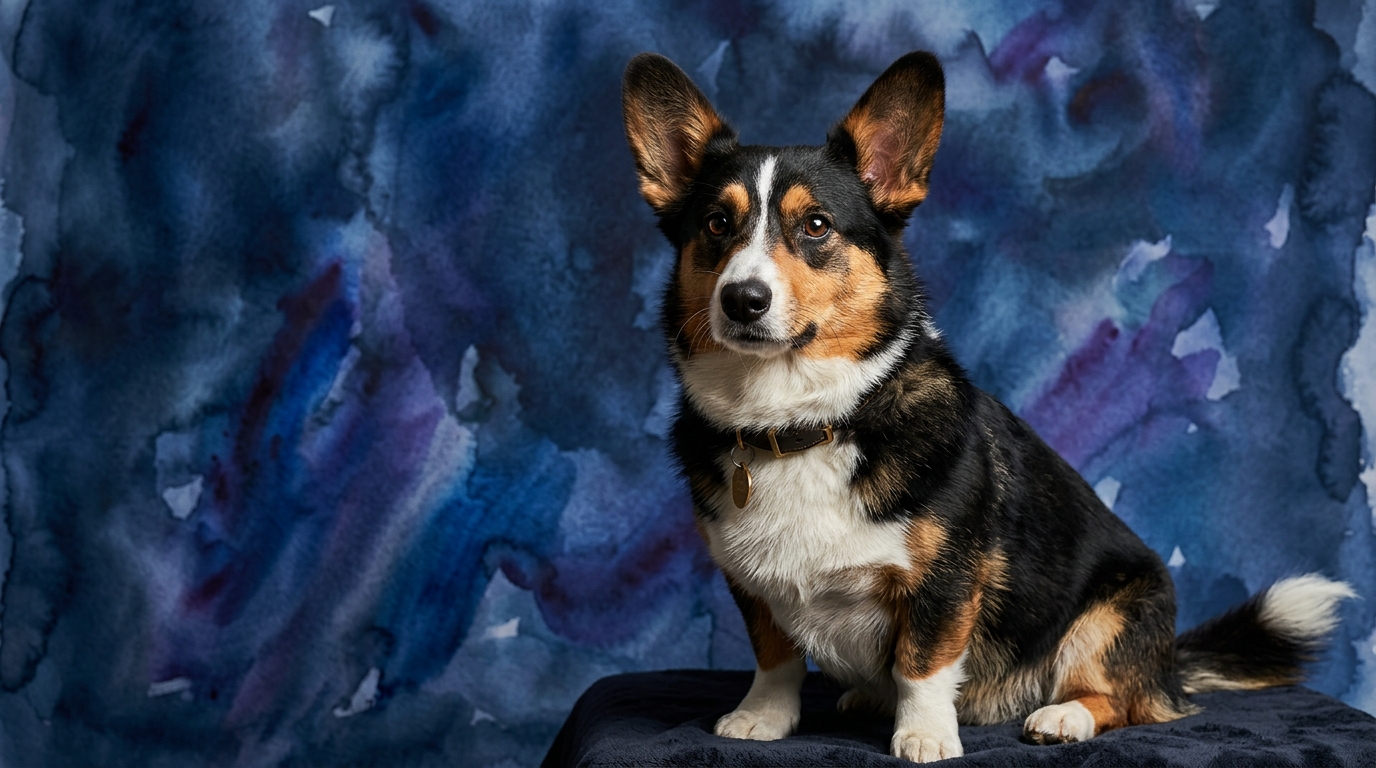
The Cosmic Pet Pet IQ Lab's assessment places both the Cardigan Welsh Corgi and the Airedale Terrier with a Coren rank in the top tier of canine working and obedience intelligence, at #26 and #29 respectively. This indicates a strong capacity for understanding and executing commands. Their individual IQ dimensions, however, reveal how these capacities are channeled. For the Cardigan Welsh Corgi, Problem Solving is rated 4/5. This reflects their heritage as independent herders, often needing to make quick decisions to manage livestock without direct human command, such as anticipating a sheep's movement or finding the optimal path to regroup a flock. Training Speed is also 4/5, underscoring their responsiveness to instruction and eagerness to engage in structured learning, often motivated by a desire to please their handler. Social Intelligence, at 3/5, indicates a solid ability to interpret human cues and interact within a family unit, though perhaps with a degree of reserved observation rather than overt effusiveness. Their Instinctive Drive, 3/5, primarily manifests as a herding instinct, sometimes expressed through nipping at heels or 'rounding up' family members. Memory, at 4/5, allows them to retain complex sequences of commands and recall learned behaviors with impressive accuracy, crucial for sequential herding tasks.
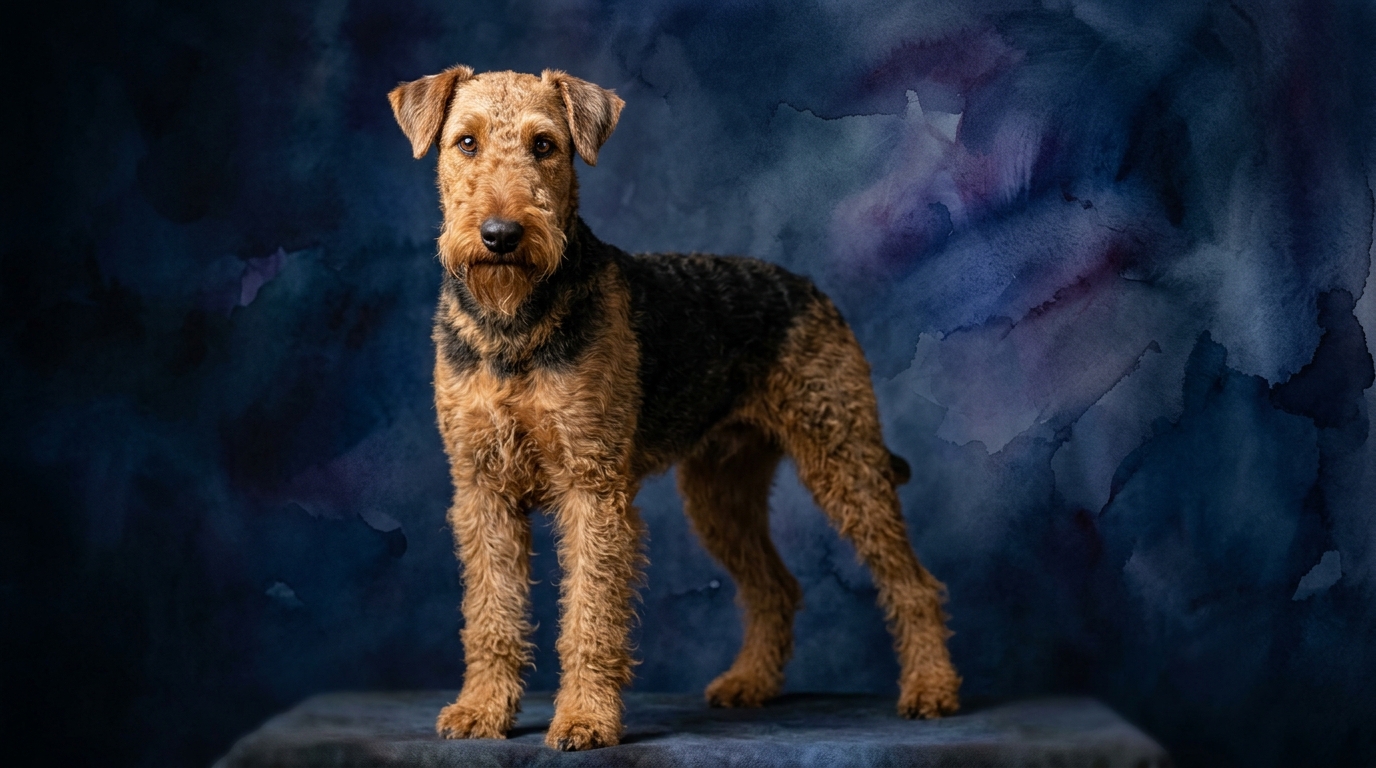
The Airedale Terrier mirrors many of these scores, yet their application differs significantly. Problem Solving also stands at 4/5, but for the Airedale, this often translates into figuring out how to achieve a goal independently, such as outsmarting prey or navigating challenging terrain during a hunt. Their tenacity in pursuing a solution is a hallmark of this score. Training Speed, 4/5, means they grasp new concepts quickly, but their strong will and independent nature require engaging and consistent methods to maintain their focus. Social Intelligence, 3/5, signifies their ability to connect with their human companions, often displaying a confident and sometimes boisterous affection, while also being capable of assessing new social situations with a terrier's discerning eye. Instinctive Drive, 3/5, is strongly rooted in their terrier heritage, manifesting as a pronounced prey drive towards small animals and a natural inclination to dig or 'work' with their mouths. Memory, also 4/5, enables them to recall a vast array of commands and experiences, making them capable of complex tasks and remembering past interactions, both positive and negative, with considerable detail.
Where the Cardigan Welsh Corgi Cognitively Excels
The Cardigan Welsh Corgi's cognitive strengths are deeply intertwined with their historical role as a low-to-the-ground herder. Their problem-solving ability, rated 4/5, particularly shines in scenarios requiring strategic maneuvering and environmental awareness. They excel at understanding spatial relationships within a given area, such as anticipating the trajectory of a moving object or person and positioning themselves optimally. This translates into a remarkable aptitude for agility sports, where they must navigate complex courses, remember sequences, and adjust their speed and angle on the fly. Furthermore, their social intelligence, while rated 3/5, often manifests as a nuanced sensitivity to their primary handler's subtle cues and emotional states. They can pick up on slight shifts in tone or body language, allowing for a more finely tuned partnership in activities requiring precise direction. Their memory (4/5) is particularly robust for routines and learned sequences, making them reliable for tasks that involve repetition and pattern recognition, such as advanced obedience commands or choreographed routines.
Where the Airedale Terrier Cognitively Excels
The Airedale Terrier's cognitive advantages are rooted in their 'King of Terriers' lineage, emphasizing independence and robust determination. Their problem-solving score of 4/5 is often demonstrated through a persistent, self-directed approach to challenges. An Airedale might meticulously work out how to open a gate, retrieve a hidden object, or outmaneuver an obstacle, often relying on their own ingenuity rather than waiting for human instruction. This makes them adept at tasks requiring independent thought and sustained focus in the absence of a handler, such as scent work or tracking. Their instinctive drive (3/5), while requiring management, is a cognitive asset in situations demanding intense focus on a target, allowing them to block out distractions and concentrate on a specific task like locating a scent trail. The Airedale's memory (4/5) supports their independent nature by allowing them to learn and retain complex strategies for achieving goals, even if those goals are self-initiated or require a series of steps to accomplish without immediate reinforcement.
Training Dynamics: Corgi's Eagerness vs. Airedale's Tenacity
Both breeds boast a Training Speed of 4/5, indicating they grasp new concepts quickly. However, the 'why' behind this speed and the approach required from an owner differ. The Cardigan Welsh Corgi typically approaches training with an eager-to-please attitude. They often thrive on positive reinforcement, praise, and the reward of human interaction, making them highly responsive to clear, consistent instruction. Their herding background means they are accustomed to working in partnership with a human, making them generally amenable to following commands and learning new behaviors. However, their intelligence also means they can become bored with repetitive drills, potentially leading to stubbornness if training isn't kept engaging and varied. Their lower stature and agility make them excellent candidates for activities like agility and obedience, where their responsiveness and memory serve them well.
The Airedale Terrier, while equally capable of learning quickly, often brings a strong independent streak and a terrier's inherent tenacity to the training ring. Their 4/5 training speed means they understand what is asked, but their willingness to comply can depend on how engaging the task is and their current motivation. They require a confident, consistent, and creative trainer who can make learning a fun challenge, rather than a repetitive chore. An Airedale might try to 'negotiate' or test boundaries, requiring a firm but fair hand. Their pronounced prey drive, an aspect of their 3/5 instinctive drive, means that training must often incorporate impulse control and distraction management from a young age. While they excel in activities like tracking, advanced obedience, and protection work, their powerful build and assertive nature mean early socialization and consistent training are paramount to channel their cognitive strengths productively.
Suitability for Active vs. Relaxed Owners
Neither the Cardigan Welsh Corgi nor the Airedale Terrier could be accurately described as suitable for a truly 'relaxed' owner in the sense of a sedentary lifestyle, as both require significant mental and physical engagement. However, their activity needs manifest differently. The Cardigan Welsh Corgi, despite its smaller size, is a robust and energetic herding dog. They thrive with owners who can provide regular, moderate exercise, such as daily walks, playful sessions in a secure yard, and consistent mental stimulation through puzzle toys or training games. They are well-suited for active owners who enjoy dog sports like agility, obedience, or even urban herding activities, and who appreciate a canine companion that is always ready for an adventure but equally content to settle down after a good workout. Their smaller stature makes them more adaptable to various living situations, provided their exercise and mental needs are met.
The Airedale Terrier demands a genuinely active owner capable of providing substantial daily exercise and mental challenges. Their robust build, high energy levels, and independent problem-solving nature mean they excel with owners who enjoy long hikes, vigorous play sessions, running, or engaging in demanding dog sports like earthdog trials, tracking, or competitive obedience. An Airedale needs an outlet for its considerable stamina and keen mind, and without it, they can become bored and destructive, channeling their problem-solving skills into less desirable behaviors. Owners who appreciate a confident, spirited companion and are committed to consistent training and daily activity will find the Airedale a rewarding partner. Their larger size and assertive personality typically make them a better fit for owners with experience managing a powerful, independent breed.
The Verdict
Choose the Cardigan Welsh Corgi if you seek a highly responsive, adaptable companion keen on partnership in activities like agility or obedience, who thrives on consistent routines and nuanced human interaction.
Opt for the Airedale Terrier if you are an experienced, active owner ready to channel a powerful, independent problem-solver into demanding physical and mental challenges, appreciating their tenacious spirit and confident demeanor.
🧠 Find Your Pet's IQ Score
Our Pet IQ Lab assessment covers 25+ tests across 5 cognitive dimensions — personalized to your breed.
Take the Full IQ Test →Frequently Asked Questions
Do Cardigan Welsh Corgis bark excessively due to their herding instincts?
Cardigan Welsh Corgis can be vocal, using barks to communicate and alert, a remnant of their herding past where they'd warn shepherds. Consistent training from a young age can help manage excessive barking, directing their communication into appropriate channels.
Are Airedale Terriers good with other pets, given their prey drive?
Airedale Terriers can coexist peacefully with other pets, especially if raised with them from puppyhood and properly socialized. However, their inherent prey drive (Instinctive Drive 3/5) means careful introductions and supervision are crucial, particularly with smaller animals, to ensure harmonious living.
How much mental stimulation do these breeds need daily?
Both breeds, with Problem Solving and Memory rated 4/5, require significant daily mental stimulation beyond just physical exercise. This can include regular training sessions, puzzle toys, scent games, and opportunities to learn new commands or tricks, essential for preventing boredom and channeling their intellect constructively.