Side-by-Side IQ Profile
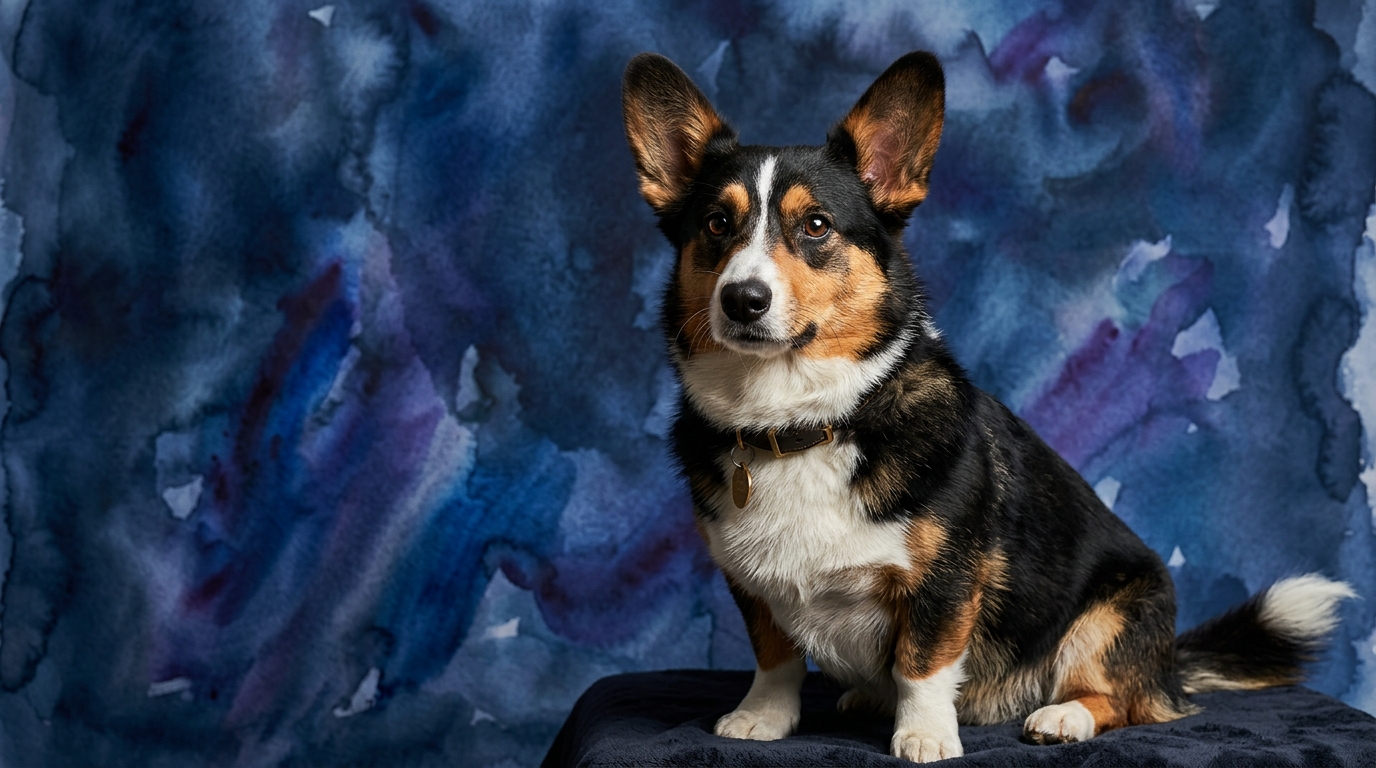
The Cardigan Welsh Corgi, a member of the Herding group, demonstrates a robust cognitive profile, earning a Coren rank of #26 among working dogs. Our Pet IQ Lab assessment scores them highly in Problem Solving at 4/5, indicating a capacity for independent thought and navigating complex situations. Their Training Speed also rates 4/5, suggesting a quick grasp of new commands and routines. Social Intelligence is assessed at 3/5, reflecting competent interaction within their social structures, while Instinctive Drive, geared towards herding, stands at 3/5. A strong Memory rating of 4/5 further enhances their learning and retention capabilities.
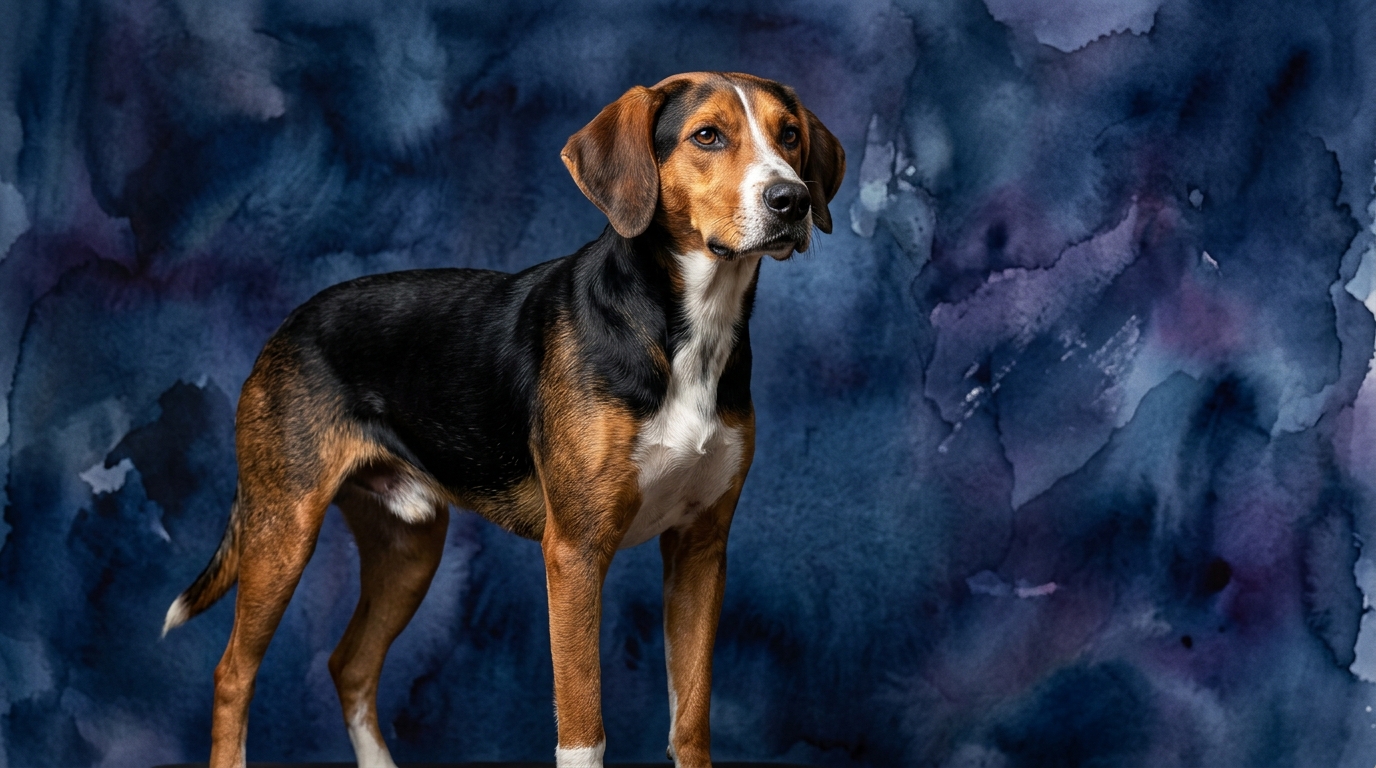
In contrast, the American Foxhound, a quintessential Hound, presents a different set of cognitive strengths, though not individually ranked by Coren. Their Pet IQ Lab scores show a solid Problem Solving ability at 3/5, often applied to tracking challenges, and a moderate Training Speed of 3/5, indicating a steady but not rapid learning curve. Social Intelligence is rated 3/5, reflecting their pack-oriented nature, and their Instinctive Drive, primarily focused on scent work and pursuit, is also 3/5. Their Memory rating of 3/5 suggests adequate retention for their tasks, but perhaps less emphasis on complex sequential recall compared to the Corgi.
Where Cardigan Welsh Corgi Wins Cognitively
The Cardigan Welsh Corgi's cognitive strengths shine particularly brightly in areas demanding independent thought and rapid assimilation of information. Their superior Problem Solving score of 4/5 means they are often adept at figuring out how to open gates, retrieve out-of-reach toys, or navigate novel environments with resourcefulness. This isn't just about physical dexterity; it's a mental agility that allows them to assess a situation and devise a solution, sometimes to their owners' amusing exasperation. This cognitive flexibility also makes them engaging companions for puzzle toys and interactive games, where they can apply their intellect to achieve a desired outcome.
Furthermore, their 4/5 rating in Training Speed positions them as receptive pupils, capable of learning a wide array of commands and tricks relatively quickly. This isn't merely rote memorization; it's an ability to link actions with consequences and understand human cues efficiently. Their strong Memory, also rated 4/5, underpins this training prowess, allowing them to retain learned behaviors over extended periods and apply past experiences to new scenarios. A Corgi that has learned a complex obedience routine will likely recall it even after a break, making advanced training and competitive dog sports highly feasible and rewarding endeavors for both dog and owner. This combination of quick learning and strong retention makes the Cardigan a breed that thrives on mental engagement and consistent, positive reinforcement.
Where American Foxhound Wins Cognitively
While the American Foxhound's numerical scores might appear modest compared to the Corgi, their cognitive profile is exquisitely tuned for their specific purpose, demonstrating a unique form of intelligence. Their Instinctive Drive, rated 3/5, is a powerful, persistent force centered around scent detection and tracking. This isn't just an urge; it's a complex cognitive process involving sustained focus, discrimination of subtle olfactory cues, and an unwavering commitment to a trail, often over vast distances and challenging terrain. This specialized drive requires a distinct kind of problem-solving—namely, how to navigate an environment to follow a scent, which might mean bypassing obstacles or re-acquiring a lost trail, a skill that demands intense mental stamina and sensory processing.
Their Social Intelligence, also 3/5, is geared towards cooperative pack dynamics rather than the individualistic problem-solving often seen in herding breeds. Foxhounds thrive in the company of other dogs, exhibiting a natural understanding of canine social hierarchies and communication. This translates to a calm and often tolerant demeanor within a multi-dog household, where their social cognition allows them to integrate smoothly into a canine group. While their Problem Solving at 3/5 and Memory at 3/5 may not manifest as quickly solving human-devised puzzles, they are deeply effective in their domain: processing environmental information, making decisions based on scent data, and maintaining focus on a singular objective for extended periods. Their intelligence is less about rapid, diverse learning and more about singular, sustained, and highly specialized cognitive application.
Which is Easier to Train and Why
When considering ease of training, the Cardigan Welsh Corgi generally presents a more straightforward experience for the average owner. Their 4/5 rating in Training Speed directly translates to quicker comprehension of commands and a faster pace in learning new routines. This responsiveness is often attributed to their herding background, where they needed to understand and execute complex instructions from a handler to manage livestock effectively. A Corgi is typically eager to please and will often offer behaviors in anticipation of a reward, making positive reinforcement highly effective. Their higher Problem Solving score also means they can generalize learned behaviors to new situations more readily, adapting commands to varied environments.
The American Foxhound, with a 3/5 rating in Training Speed, requires more patience and a different approach. Their strong, inherent Instinctive Drive towards scent work means they can be easily distracted by compelling odors, often overriding a handler's commands. While they are capable of learning, their training progression is typically slower and demands consistent, engaging methods to hold their attention against the allure of a captivating scent. Owners must understand that a Foxhound's 'stubbornness' is often a manifestation of their breed-specific drive rather than a lack of intelligence. Their Problem Solving, while present, is less about abstract tasks and more about environmental navigation for tracking, meaning they might struggle more with arbitrary obedience commands if not framed within a context that appeals to their natural inclinations. Successful training with a Foxhound often involves leveraging their prey drive and scenting abilities in structured, rewarding ways.
Which Suits Active Owners vs. Relaxed Owners
The Cardigan Welsh Corgi, despite their compact size, is a surprisingly active dog that benefits from owners who can provide consistent mental and physical stimulation. Their high Problem Solving and Training Speed scores mean they thrive on engaging activities like obedience training, agility, or herding games that challenge their intellect. They require daily walks, play sessions, and opportunities to use their minds to prevent boredom, which can lead to undesirable behaviors. While they can enjoy periods of relaxation, a Corgi is not suited for a purely sedentary lifestyle; they are best matched with owners who appreciate an intelligent, engaged companion and are prepared to dedicate time to training and interactive play.
The American Foxhound, conversely, is built for endurance and possesses a deep-seated need for physical exertion, making them an ideal match for highly active owners. Their instinctive drive and history as running hounds mean they require extensive daily exercise, often in the form of long runs, hikes, or secure off-leash play in a fenced area. A relaxed owner who cannot commit to significant outdoor activity will likely find a Foxhound restless and potentially destructive. While their social intelligence makes them amiable companions, their cognitive profile is geared towards sustained physical effort and sensory exploration. They are not dogs content with short strolls; they thrive when given a 'job' that involves covering ground and using their nose, making them excellent partners for runners, hikers, or those involved in scent work or field trials.
The Verdict
Choose the Cardigan Welsh Corgi if you seek a highly trainable, problem-solving companion eager for mental challenges and consistent engagement, thriving on diverse activities and family interaction.
Opt for the American Foxhound if you lead a very active lifestyle, desire an enduring companion for long excursions, and are prepared to channel their profound instinctive drive into dedicated physical and scent-based activities.
🧠 Find Your Pet's IQ Score
Our Pet IQ Lab assessment covers 25+ tests across 5 cognitive dimensions — personalized to your breed.
Take the Full IQ Test →Frequently Asked Questions
Do Cardigan Welsh Corgis require a lot of exercise despite their size?
Yes, Cardigan Welsh Corgis are active herding dogs and require regular physical activity, including daily walks and playtime, coupled with mental stimulation through training and puzzle toys. Their compact size belies their energy levels and need for engagement.
Are American Foxhounds good family dogs, especially with children?
American Foxhounds can be good family dogs, known for their generally amiable and tolerant nature, particularly if raised with children and other pets. However, their high exercise needs and strong prey drive mean they require supervision and consistent training, and may not be ideal for very young, rambunctious children without proper management.
How do the grooming needs of these two breeds compare?
The Cardigan Welsh Corgi has a double coat that sheds moderately to heavily year-round and requires regular brushing several times a week to manage loose fur. The American Foxhound has a short, dense coat that is easier to maintain, requiring less frequent brushing, perhaps once a week, and sheds less profusely than the Corgi.