Side-by-Side IQ Profile
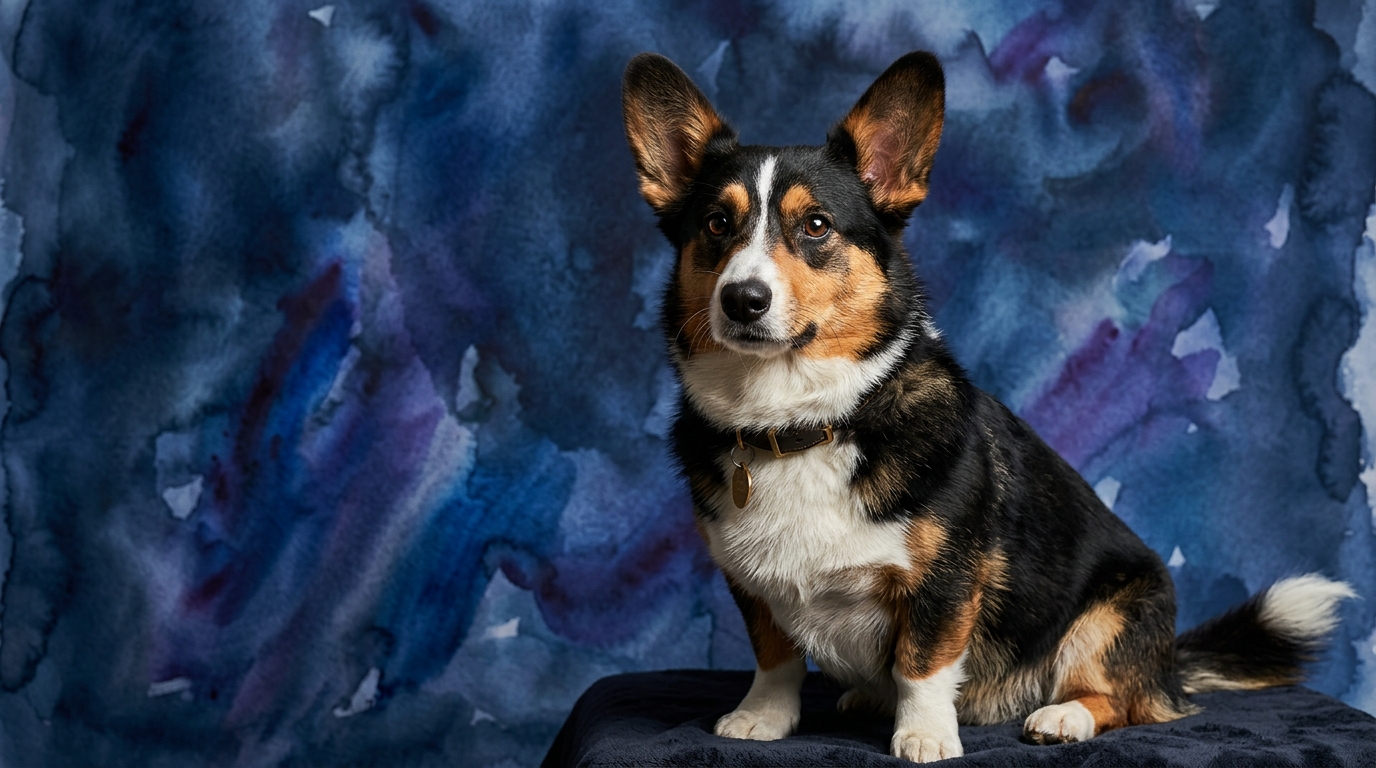
The Cardigan Welsh Corgi, a compact herding breed, demonstrates a substantial capacity for problem-solving, scoring 4 out of 5, indicating an aptitude for navigating complex situations and figuring out solutions independently. Its training speed is equally impressive at 4 out of 5, suggesting it picks up new commands and routines with relative quickness and enthusiasm. Social intelligence, rated 3 out of 5, points to a moderate ability to understand human cues and interact appropriately within a family structure. The instinctive drive, also 3 out of 5, reflects its herding heritage, manifesting as a desire to gather and control, albeit in a more domesticated context. Its memory, at 4 out of 5, allows for excellent retention of learned behaviors and environmental details.
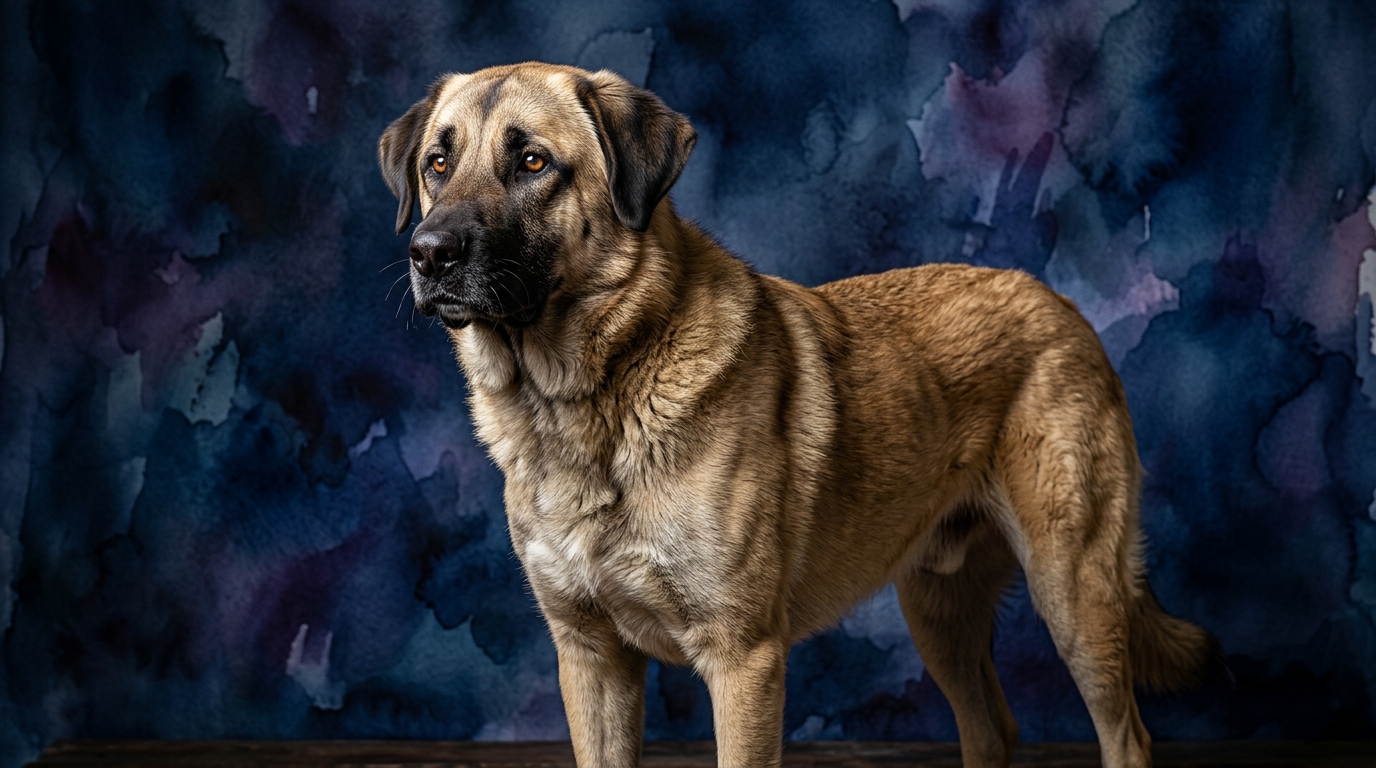
As a formidable working breed, the Anatolian Shepherd Dog exhibits a different set of cognitive strengths. Its problem-solving ability scores 3 out of 5, suggesting it can assess situations and make decisions, often independently, particularly concerning its charge. Training speed, also 3 out of 5, indicates a steady learning pace, though perhaps requiring more consistent and patient methods due to its inherent independence. Social intelligence is rated 3 out of 5, signifying an adequate understanding of its human companions and pack dynamics, often expressed through quiet observation and protective behaviors. The instinctive drive, at 3 out of 5, is profoundly rooted in its livestock guarding heritage, prompting vigilance, territoriality, and a strong protective instinct towards its flock or family. Its memory, a solid 3 out of 5, is sufficient for retaining important boundaries, routines, and the identities of those it protects.
Where Cardigan Welsh Corgi Wins Cognitively
The Cardigan Welsh Corgi’s cognitive profile shows a clear advantage in areas benefiting from human-directed learning and interaction. Its superior problem-solving score of 4/5 means it is more likely to quickly understand and navigate novel domestic challenges, such as figuring out how to retrieve a toy stuck under furniture or solving puzzle feeders with minimal guidance. This aptitude for analytical thinking makes them engaging companions for owners who enjoy interactive games requiring strategic thought.
Furthermore, the Corgi’s 4/5 training speed is a significant cognitive win. This breed tends to form associations between commands and actions rapidly, making the process of teaching basic obedience, advanced tricks, or even agility courses a more streamlined experience. This quick assimilation of information, combined with its 4/5 memory, allows Corgis to build an extensive repertoire of learned behaviors and reliably recall them over time, even after periods of inactivity. Owners often find their Corgis remember commands learned months or even years prior, demonstrating a robust long-term memory for operational conditioning.
Where Anatolian Shepherd Dog Wins Cognitively
While the Anatolian Shepherd Dog's scores might appear lower in some general metrics, its cognitive strengths are specifically tailored to its demanding historical role. Its 3/5 problem-solving and instinctive drive are profoundly geared towards independent decision-making in the absence of human direction, a critical trait for a livestock guardian. An Anatolian's cognitive strength isn't in quick obedience, but in its self-sufficient assessment of threats and its unwavering resolve to protect. This breed excels at environmental awareness, demonstrating a nuanced understanding of its territory and the subtle shifts that might signal danger, a form of cognitive processing distinct from solving a puzzle feeder.
The Anatolian’s social intelligence, while rated 3/5, is often expressed through a deep, quiet loyalty and an innate ability to discern friend from foe, making it highly effective in its protective duties. Its memory, also 3/5, is robust for remembering livestock, boundaries, and the specific individuals it guards, rather than a broad array of commands. This capacity for focused, purpose-driven cognition, even if it translates to a slower training speed in conventional contexts, is precisely what makes it an unparalleled guardian. Its independent thought process, a hallmark of its working heritage, allows it to function effectively without constant human intervention, a true cognitive advantage in its niche.
Which is Easier to Train and Why
Based on the provided metrics, the Cardigan Welsh Corgi is unambiguously easier to train for typical companion dog activities. Its 4/5 training speed signifies a natural inclination to absorb and respond to human cues quickly. Corgis generally possess a strong desire to please and a high food or toy drive, which, when combined with their impressive memory (4/5), allows for efficient reinforcement learning. They are often eager participants in training sessions, readily forming connections between commands, actions, and rewards. This cognitive readiness translates into a smoother experience for owners teaching everything from basic sit-stays to complex agility sequences.
The Anatolian Shepherd Dog, with a 3/5 training speed, requires a different approach. Its independence, a necessary trait for a livestock guardian, means it is less inherently driven to comply with human commands purely for the sake of pleasing. Training an Anatolian often involves more patience, consistency, and a deep understanding of its guardian instincts. While capable of learning, its problem-solving (3/5) is often directed towards its natural duties rather than human-imposed tasks, meaning it might question or deliberate on commands if they don't align with its perceived purpose. This isn't a lack of capacity, but a difference in cognitive priorities and motivation, making its training journey more nuanced and demanding.
Which Suits Active Owners vs Relaxed Owners
The Cardigan Welsh Corgi, despite its compact size, generally suits active owners who enjoy engaging with their dogs both physically and mentally. Its background as a herding dog means it thrives on activity that stimulates its problem-solving (4/5) and instinctive drive (3/5), such as agility, herding games, or long, varied walks. Owners who appreciate a dog that is eager to learn and participate in family activities will find the Corgi a rewarding companion. While they also enjoy downtime, their cognitive profile suggests they are at their happiest when their minds are regularly challenged and their moderate energy levels are met.
The Anatolian Shepherd Dog is better suited for owners who are active in a different sense: those who are proactive in providing a purpose, a secure environment, and consistent, calm leadership. While they require space and regular, moderate exercise to maintain physical health, their cognitive needs are less about constant high-intensity activity and more about fulfilling their deep-seated instinctive drive (3/5) to guard. A "relaxed" owner who simply wants a couch potato would be doing a disservice to an Anatolian, as their social intelligence (3/5) and problem-solving (3/5) are geared towards vigilance and protection. They thrive with owners who understand and respect their independent nature, providing a "job" even if it's just overseeing the family property, rather than expecting constant engagement or high-energy antics.
The Verdict
Choose the Cardigan Welsh Corgi if you seek an adaptable companion eager for interactive training, puzzle-solving, and consistent mental engagement within a family setting. Its quicker learning and robust memory make it ideal for owners who enjoy teaching new skills and participating in dog sports.
Opt for the Anatolian Shepherd Dog if you are an experienced owner seeking a loyal, independent guardian, capable of self-sufficient decision-making and content with a clear purpose. This breed excels with owners who understand and respect its unique cognitive priorities rooted in protection, providing ample space and a secure territory to oversee.
🧠 Find Your Pet's IQ Score
Our Pet IQ Lab assessment covers 25+ tests across 5 cognitive dimensions — personalized to your breed.
Take the Full IQ Test →Frequently Asked Questions
Are Cardigan Welsh Corgis good at problem-solving?
Yes, Cardigan Welsh Corgis score 4/5 in problem-solving, indicating a strong aptitude for figuring out solutions to complex situations. They often enjoy puzzle toys and can quickly learn how to navigate obstacles or retrieve items.
How does the Anatolian Shepherd Dog's independence affect its training?
The Anatolian Shepherd Dog's independence, a key trait for its guardian role, means it learns at a 3/5 training speed and may require more patience and understanding from its trainer. Its problem-solving is often directed towards its protective duties rather than immediate compliance with commands.
Which breed is better for first-time dog owners?
The Cardigan Welsh Corgi, with its higher training speed and adaptability, is generally a more suitable choice for first-time dog owners. The Anatolian Shepherd Dog's independent nature and specific guardian instincts often require more experienced handling and an understanding of its unique temperament.