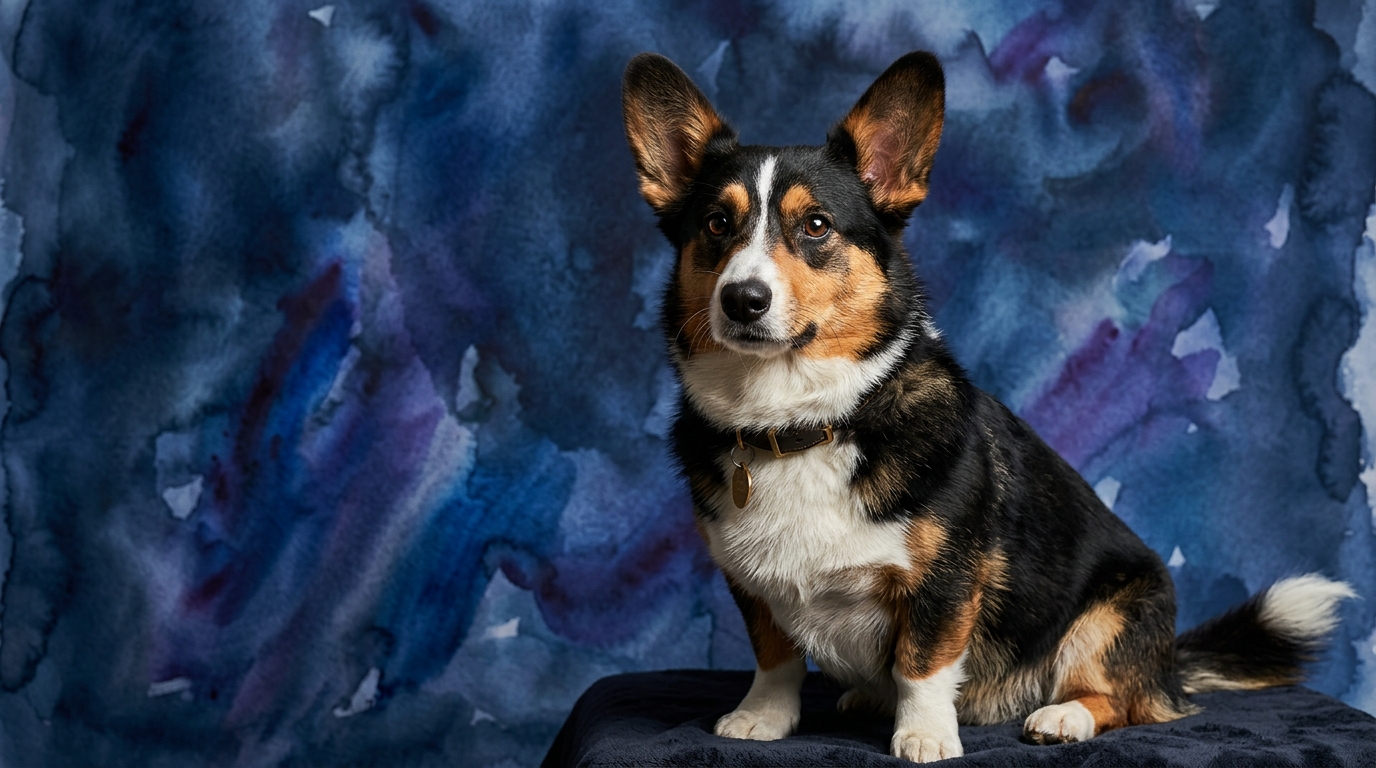
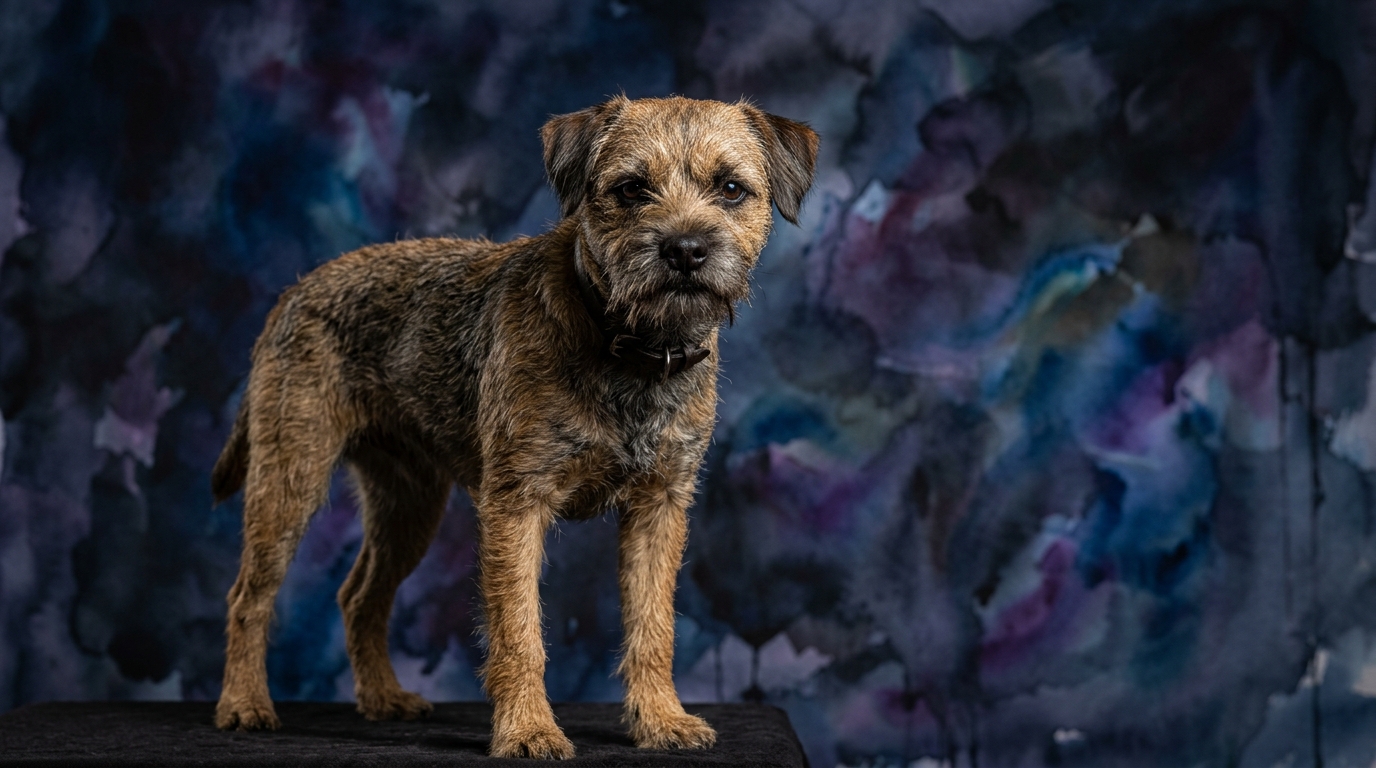
Side-by-Side IQ Profile: Unpacking the Numbers
The Cosmic Pet Pet IQ Lab evaluates canine intelligence across five critical dimensions, providing a granular understanding of how different breeds process information and interact with their world. For both the Cardigan Welsh Corgi (Coren rank #26) and the Border Terrier (Coren rank #30), these scores are strikingly identical across the board, presenting a compelling case for exploring the subtleties behind the numbers.
Both breeds score a robust 4/5 in **Problem Solving**, indicating a strong capacity to navigate novel situations and figure out solutions independently. For the Cardigan Corgi, this often manifests in their ability to manage livestock, understanding complex spatial relationships and anticipating animal movement. The Border Terrier, on the other hand, applies this aptitude to tasks like strategizing how to flush prey from a den or navigate challenging terrain during a hunt, demonstrating a tenacious, goal-oriented approach.
A 4/5 in **Training Speed** suggests both breeds learn new commands and routines with efficiency. The Corgi, stemming from a herding lineage, typically responds well to structured training, often eager to cooperate with its human handler. The Border Terrier, while quick to grasp concepts, may require a more engaging and varied approach to training, as their independent terrier spirit can sometimes lead to a preference for self-directed exploration over repetitive drills.
Their **Social Intelligence** is rated at 3/5, signifying a moderate capacity for understanding human cues and integrating into social structures. This score means both breeds are generally receptive to social learning and interactions, though they might not possess the extreme people-pleasing drive seen in some other companion breeds. Corgis often form strong bonds within their family unit, while Border Terriers, though affectionate, retain a degree of self-reliance.
An **Instinctive Drive** of 3/5 for both breeds points to a moderate but present inclination towards their historical working roles. For the Cardigan Corgi, this translates to a natural propensity for herding behaviors, such as nipping at heels or trying to gather family members. The Border Terrier’s 3/5 drive is expressed through its natural inclination to hunt, chase small animals, and dig, reflecting its heritage as a working terrier designed to go to ground.
Finally, both breeds achieve a 4/5 in **Memory**, indicating an excellent ability to recall commands, routines, and past experiences. This strong memory contributes significantly to their training speed and problem-solving capabilities, allowing them to build upon learned behaviors and adapt effectively to their environments over time. They are unlikely to forget a lesson quickly, for better or worse!
Where the Cardigan Welsh Corgi Cognitively Excels
Despite the identical IQ scores, the Cardigan Welsh Corgi's cognitive strengths are distinctly shaped by its herding heritage. Its problem-solving prowess, while rated 4/5, often shines in situations requiring strategic foresight and the management of multiple moving parts. A Corgi excels at understanding patterns and anticipating changes in a dynamic environment, such as predicting the movement of a group or navigating complex obstacles to achieve a goal. This is less about brute force and more about mental agility in a structured, yet fluid, context.
The Cardigan’s social intelligence, at 3/5, combined with its herding instincts, gives it a unique edge in cooperative tasks that require a team effort. They are adept at reading their handler's intent during structured activities, often displaying a nuanced understanding of body language and vocal cues that allows them to work in tandem. This cooperative spirit, rooted in generations of working alongside humans to manage livestock, can make them particularly responsive in obedience or agility training where precise communication is key.
Where the Border Terrier Cognitively Excels
The Border Terrier, with its 4/5 problem-solving score, demonstrates a different flavor of cognitive excellence, deeply rooted in its terrier nature. Their problem-solving is often characterized by a tenacious, independent drive to overcome obstacles and achieve a self-directed goal, particularly when it involves investigation or pursuit. They are masters of improvisation when faced with a challenge, using their wits and physical agility to navigate tight spaces or figure out how to access something intriguing.
The Border Terrier’s instinctive drive, also 3/5, manifests as an unwavering determination in the face of a task they deem important, like tracking a scent or digging. While not necessarily higher in raw 'drive' than a Corgi, the *direction* of that drive is distinctly focused on independent exploration and persistence. This translates to a formidable cognitive strength in tasks requiring sustained focus on a singular objective, even when external distractions are present, making them exceptionally good at scent work or navigating complex outdoor environments.
Training Dynamics: Cardigan Welsh Corgi vs. Border Terrier
Both breeds earn a 4/5 in Training Speed, suggesting they learn quickly, but the *approach* to training differs significantly due to their behavioral predispositions. The Cardigan Welsh Corgi, with its herding background, often possesses a strong desire to please its handler and thrives on routine and positive reinforcement. They generally respond well to consistent, clear commands and enjoy the structure of training sessions, often viewing them as a cooperative effort. Their intelligence makes them adept at understanding complex sequences, but their herding instinct means they might try to 'herd' children or other pets, requiring specific training to redirect this behavior.
The Border Terrier, while equally quick to learn, brings a more independent and sometimes stubborn streak to the training ring. Their terrier instincts mean they are less inclined to simply obey for the sake of pleasing and are more motivated by what they find inherently rewarding. Training a Border Terrier often requires creativity, variety, and a strong understanding of their prey drive and exploratory nature. While they can excel in disciplines like earthdog trials or agility, consistency is paramount to overcome their tendency to follow their nose or pursue a perceived 'prey' rather than a command. Their memory (4/5) ensures they remember both good and bad habits, so early, positive training is crucial.
Suitability for Active vs. Relaxed Owners
For owners seeking a companion that enjoys structured activities and a moderately active lifestyle, the Cardigan Welsh Corgi often fits well. Their social intelligence and cooperative nature make them excellent partners for obedience, rally, or even herding trials. They thrive on mental engagement that involves working alongside their owner and appreciate a predictable routine, though they still require daily walks and playtime. Their instinctive drive, while present, is often channeled into constructive activities when given the opportunity, making them adaptable to various home environments as long as they receive sufficient mental stimulation.
The Border Terrier, while adaptable, generally suits more active and adventurous owners who appreciate an independent spirit and are prepared for a dog with a strong drive for exploration. Their innate problem-solving and instinctive drive make them excellent companions for hiking, trail running, or engaging in dog sports like agility, earthdog, or scent work where their tenacity and nose can be put to good use. A Border Terrier owner should be prepared for a dog that loves to dig, chase, and investigate, requiring consistent engagement and boundaries to prevent these natural behaviors from becoming problematic in a domestic setting.
The Verdict
Choose the Cardigan Welsh Corgi if you appreciate a cooperative, intelligent companion who excels in structured activities and enjoys working closely with you, thriving on routine and mental challenges that involve strategic thinking.
Opt for the Border Terrier if you seek an independent, tenacious partner for outdoor adventures and dog sports, valuing a dog that solves problems with grit and follows its instincts with unwavering determination.
🧠 Find Your Pet's IQ Score
Our Pet IQ Lab assessment covers 25+ tests across 5 cognitive dimensions — personalized to your breed.
Take the Full IQ Test →Frequently Asked Questions
Do Cardigan Welsh Corgis bark a lot?
Cardigan Welsh Corgis are known to be vocal, often using their bark to alert their owners to new sights or sounds, a remnant of their herding watchdog role. Consistent training from a young age can help manage excessive barking, but they will likely always be a communicative breed.
Are Border Terriers good with other pets?
Border Terriers can live harmoniously with other pets, especially if socialized from a young age. However, due to their strong prey drive, care must be taken with smaller, non-canine pets like hamsters or birds, as their hunting instincts can be difficult to override.
Which breed sheds more, Corgi or Border Terrier?
Both breeds shed, but the Cardigan Welsh Corgi typically sheds more due to its dense double coat, especially during seasonal changes. The Border Terrier has a wiry double coat that sheds less profusely but requires regular hand-stripping or trimming to maintain its texture and health.