Side-by-Side IQ Profile
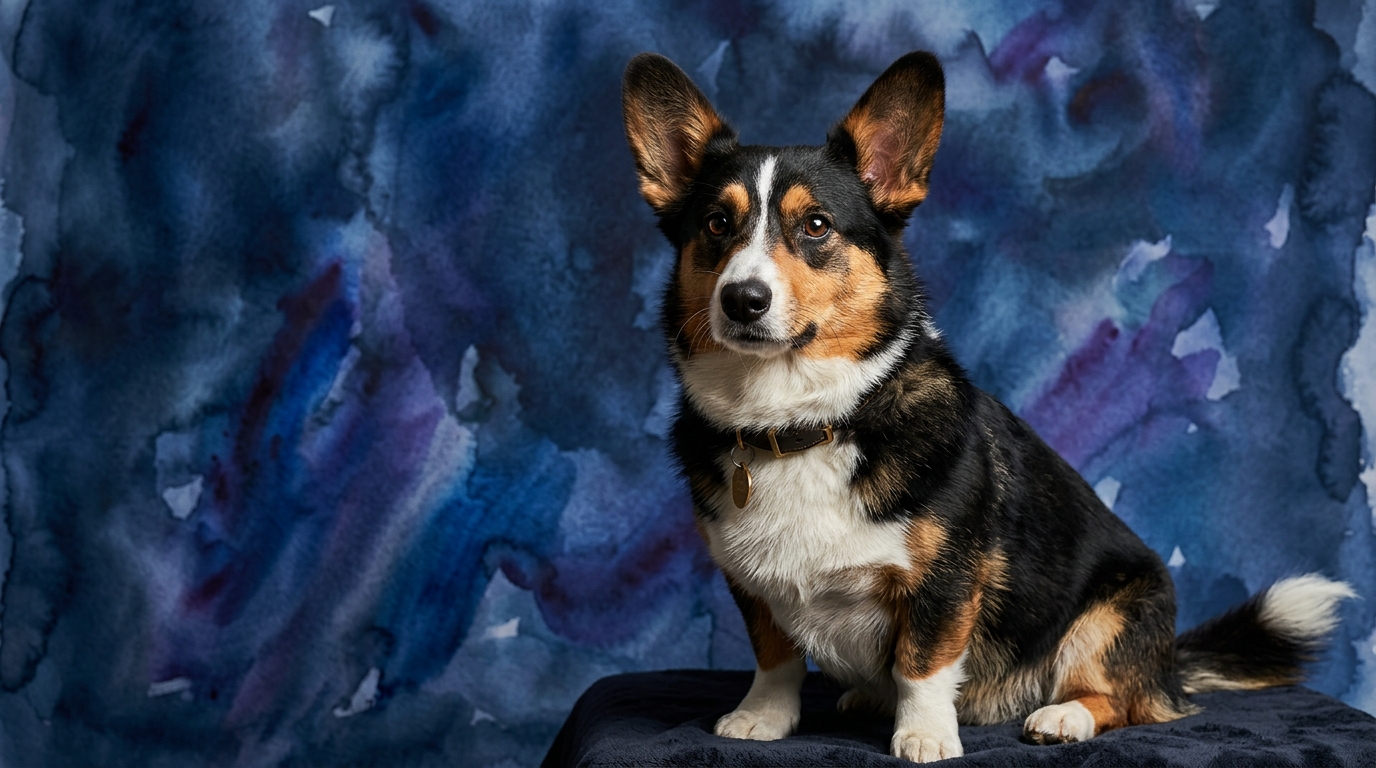
The Cardigan Welsh Corgi, ranked 26th by Stanley Coren, possesses a cognitive makeup tailored for its herding origins. It scores 4/5 in Problem Solving and Training Speed, indicating aptitude for novel situations and command acquisition. Social Intelligence and Instinctive Drive are both 3/5, reflecting moderate awareness of cues and inherent herding behaviors. Memory stands at 4/5, showing solid retention of information.
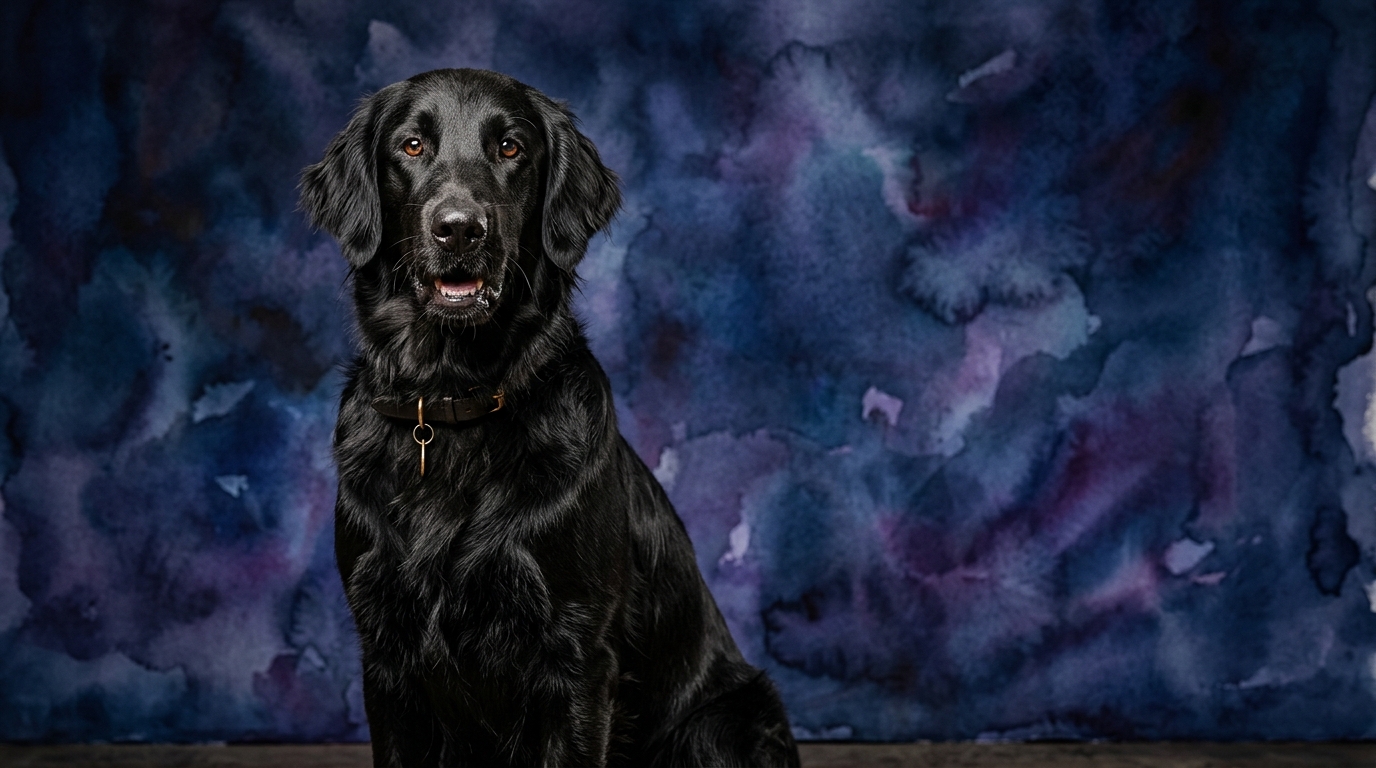
In contrast, the Flat-Coated Retriever, holding a higher Coren rank at 17th, displays a profile optimized for retrieving. Like the Corgi, it scores 4/5 in Problem Solving and Training Speed. Social Intelligence and Instinctive Drive are also 3/5, with the drive leaning strongly towards retrieving. The Flat-Coated truly distinguishes itself in Memory, earning an exceptional 5/5, reflecting superior recall vital for its sporting role.
Where Cardigan Welsh Corgi Wins Cognitively
The Cardigan Welsh Corgi’s cognitive strengths stem from its pastoral heritage, managing livestock independently. Its 4/5 Problem Solving and 4/5 Memory suggest an aptitude for spatial reasoning and navigating dynamic environments. A Corgi excels at situations requiring quick, on-the-spot decisions, like moving a flock or outmaneuvering an animal. This translates to assessing and reacting to novel challenges, finding creative ways to access a toy or bypass an obstacle. Their 3/5 instinctive drive is channeled into intelligent control, making them adept at tasks simulating herding. This independent problem-solving often involves self-reliance, allowing them to work through puzzles without constant human direction.
Where Flat-Coated Retriever Wins Cognitively
The Flat-Coated Retriever's cognitive prowess shines in areas linked to its gun dog role, particularly its extraordinary 5/5 Memory. This superior recall is critical for remembering multiple bird falls, navigating scent trails, and executing multi-step retrieving sequences precisely. It’s not just about commands, but retaining detailed spatial and contextual information. Their 4/5 Problem Solving is often applied cooperatively, figuring out how to achieve shared goals. The Flat-Coated's higher Coren rank (17th vs. 26th) suggests greater consistency in understanding and executing commands on the first attempt, indicating reliable application of abilities in structured obedience and tasks. This breed thrives on intricate routines, making them exceptional for advanced obedience, agility, and competitive retrieving.
Which Is Easier to Train and Why
Both breeds share a 4/5 Training Speed, indicating they pick up commands commendably. However, the *application* differs due to their drives. The Flat-Coated Retriever, with its strong retrieving instinct (part of its 3/5 Instinctive Drive) and higher Coren ranking, often exhibits a more eager-to-please attitude and natural inclination towards cooperative work. This makes them highly motivated by positive reinforcement and readily form strong working partnerships. Their superior memory means they retain learned commands with greater reliability long-term.
Conversely, the Cardigan Welsh Corgi's herding drive (3/5) can manifest as an independent streak. While learning quickly, their intelligence might lead them to question commands or find their own "better" way. This independence requires a consistent, patient handler who makes training engaging and meaningful, often by incorporating herding-like elements. While both are trainable, the Flat-Coated generally presents a more straightforward, consistently enthusiastic training partner due to its cooperative nature and exceptional memory.
Which Suits Active Owners vs. Relaxed Owners
Neither breed suits truly "relaxed" owners; both demand significant mental and physical stimulation. The Cardigan Welsh Corgi, though not needing miles of running, thrives with active mental engagement and "work." Their herding background necessitates tasks challenging problem-solving and decision-making, like advanced obedience or puzzle toys. Owners enjoying structured activities and brain games will find a Corgi rewarding. They suit owners active in a cerebral sense rather than purely athletic.
The Flat-Coated Retriever, however, demands a genuinely active owner. Their boundless energy and strong retrieving drive require extensive daily physical exercise, like long runs, swimming, or vigorous fetch. They are ideal for owners enjoying outdoor adventures such as hiking, trail running, or dog sports like agility or competitive retrieving. A Flat-Coated needs an owner committed to substantial daily activity.
The Verdict
Opt for a Cardigan Welsh Corgi if you value an independent thinker capable of ingenious problem-solving, and are prepared to channel their herding instincts into engaging mental challenges and consistent, purpose-driven training.
Select a Flat-Coated Retriever if you seek a highly cooperative, enthusiastic partner with an exceptional memory for complex tasks, and are committed to providing abundant physical activity and interactive, goal-oriented training.
🧠 Find Your Pet's IQ Score
Our Pet IQ Lab assessment covers 25+ tests across 5 cognitive dimensions — personalized to your breed.
Take the Full IQ Test →Frequently Asked Questions
Do Cardigan Welsh Corgis bark a lot due to their intelligence?
Cardigan Welsh Corgis can be prone to barking, often linked to their herding instincts for communication and control. While their problem-solving ability means they understand situations, barking is more a manifestation of their drive and alertness. Consistent training can help manage this vocal tendency.
Is the Flat-Coated Retriever's superior memory only for retrieving tasks?
While the Flat-Coated Retriever's 5/5 memory is particularly advantageous for retrieving, it extends to all areas of learning and recall. This includes remembering complex obedience sequences, agility courses, and routines within their home, making them highly adaptable to varied training disciplines.
How do their social intelligence scores of 3/5 impact their family life?
A 3/5 social intelligence score for both indicates moderate capacity for understanding human cues and integrating into family dynamics. While affectionate, they may not always be overtly "tuned in" to every subtle human emotion, requiring clear and consistent owner communication.