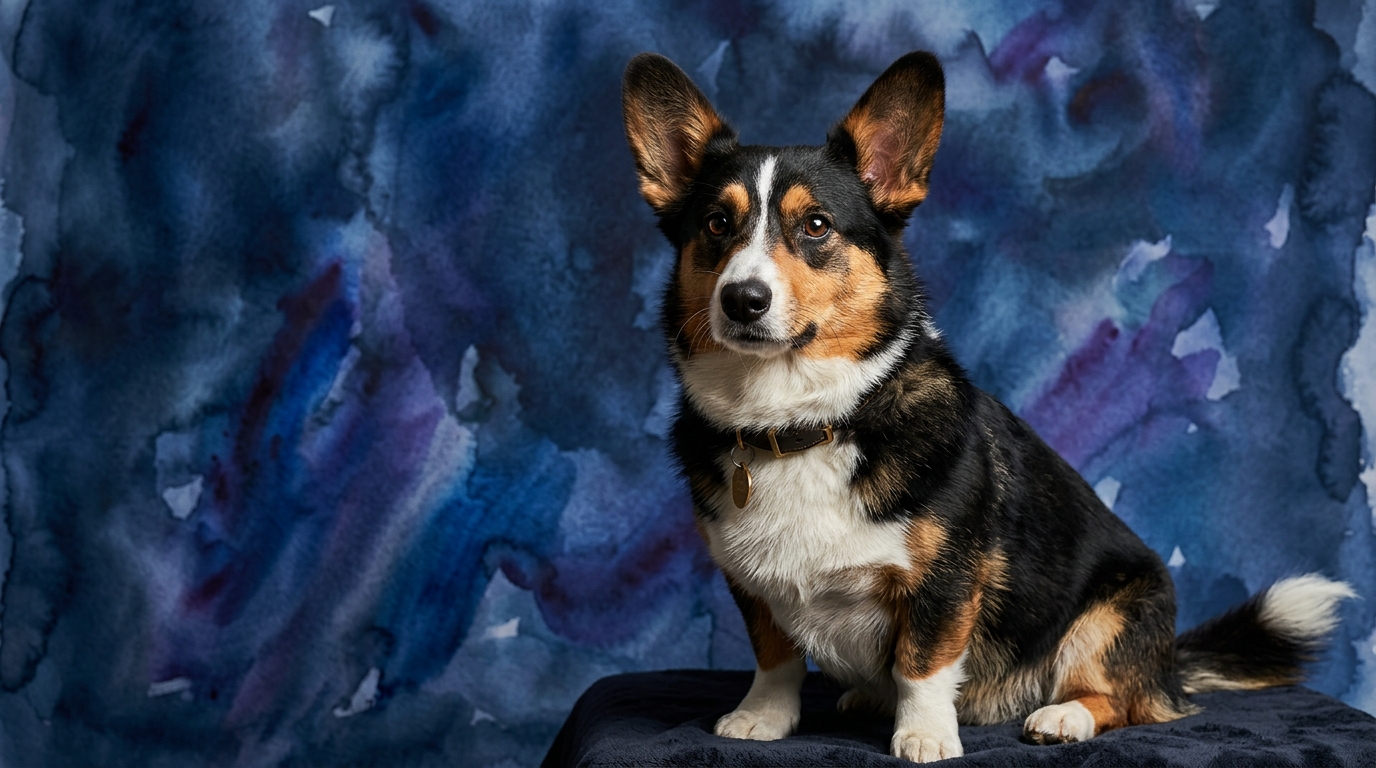
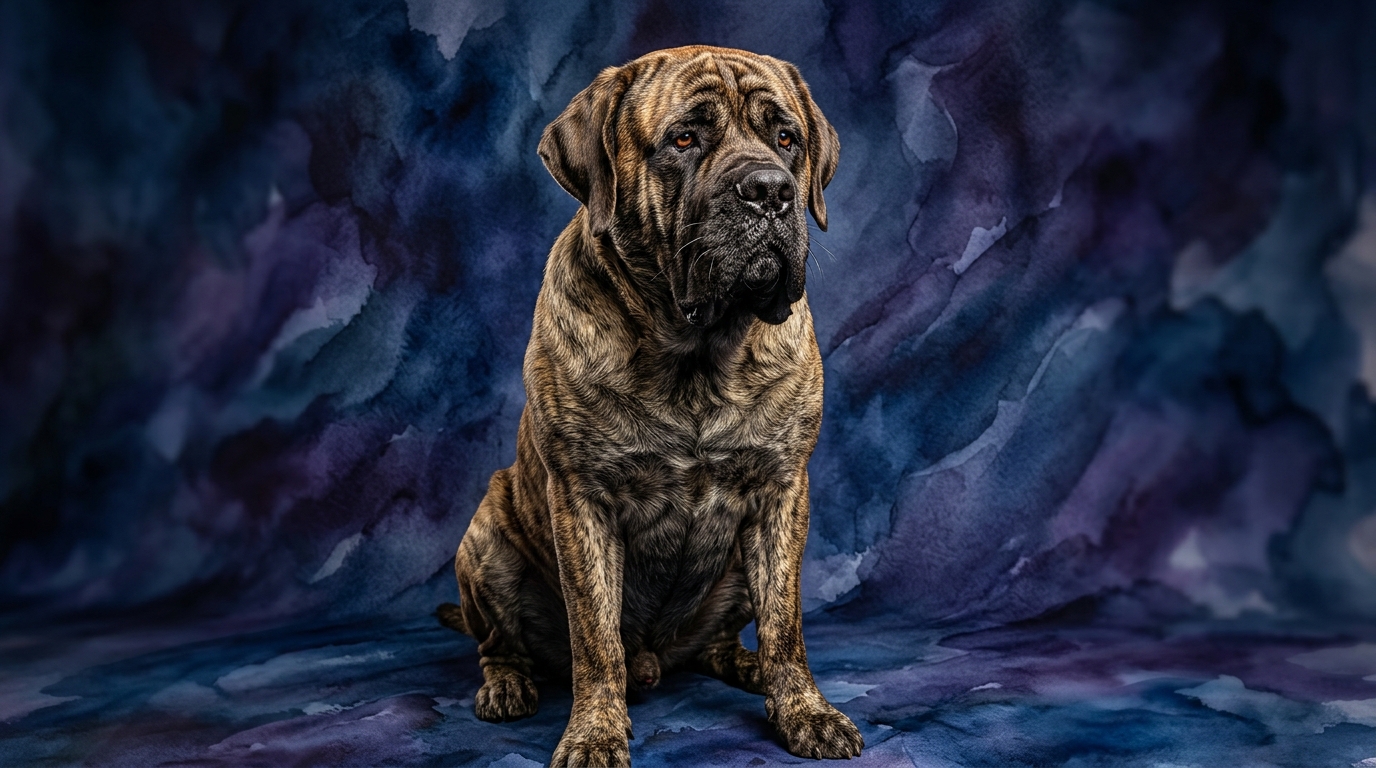
Side-by-Side Cognitive Profiles: Corgi vs. Mastiff
The Cardigan Welsh Corgi, ranking #26 on the Coren scale, presents a cognitive profile geared for agile thinking and rapid learning. Their Problem Solving is rated 4/5, reflecting their historical role as herders, requiring quick decisions to manage livestock. They can assess novel situations and devise effective strategies, like figuring out how to retrieve a toy stuck under furniture or navigating complex obedience courses, showcasing adaptive thinking. Their Training Speed is an impressive 4/5, meaning Corgis absorb new commands and routines with remarkable alacrity. Their eagerness to engage and capacity to generalize learned behaviors contribute to rapid acquisition of skills, making them receptive students in various training disciplines from basic manners to advanced tricks. Social Intelligence is 3/5; while capable of forming strong bonds and understanding human cues, they might sometimes prioritize their own herding instincts or perceived tasks over subtle social cues, often having an independent streak. An Instinctive Drive of 3/5 fuels their herding background, manifesting as a desire to organize, chase, or 'collect' things, be it other pets, children, or moving objects, requiring appropriate outlets. Finally, their Memory is 4/5, demonstrating robust recall for commands, routines, and even specific locations or people, crucial for retaining complex sequences of learned behaviors over time.
In contrast, the Mastiff, with a Coren rank of #72, exhibits a cognitive architecture designed for steady guardianship and deliberate action. Their Problem Solving is 3/5; Mastiffs approach problems with a more deliberate, less frantic pace. Their problem-solving isn't about rapid, agile responses but rather a steady assessment, taking longer to devise a solution but often arriving at a stable resolution, reflecting their guardian role where patience and observation are assets. Training Speed is 3/5; while certainly trainable, Mastiffs learn at a more measured pace than the quick-witted Corgi. They require consistent, patient repetition and clear communication. Once a command is learned, it is typically retained, but the initial acquisition phase is often slower, necessitating a calm and encouraging training environment. Their Social Intelligence is 3/5, a profound, if understated, awareness of their family's emotional states, offering comfort simply by their presence. Their social cues are often subtle, reflecting a deep, quiet understanding rather than overt displays, and they are discerning with strangers. The Mastiff’s Instinctive Drive is 3/5, primarily rooted in guardianship and protection. This manifests as a strong territorial awareness and a desire to be near their family, requiring less active channeling but careful socialization. Lastly, their Memory is 3/5; Mastiffs have a reliable memory for people, places, and learned behaviors, albeit perhaps not with the same intricate detail or speed of recall as a Corgi, favoring a steady, reinforced learning process.
Where the Cardigan Welsh Corgi Excels Cognitively
The Cardigan Welsh Corgi's cognitive strengths are deeply rooted in their herding heritage. Their 4/5 problem-solving score means Corgis excel at adapting to new situations and figuring out solutions independently. This might involve quickly understanding how to manipulate a puzzle toy or navigating an obstacle course with minimal guidance, a direct reflection of their need to outwit and manage livestock.
With a training speed of 4/5, Corgis demonstrate a superior ability to grasp and perform new commands quickly. Owners will notice them picking up complex sequences of behaviors in fewer repetitions, making them ideal candidates for dog sports like agility or competitive obedience, where swift understanding is paramount. Furthermore, their 4/5 memory allows Corgis to retain a vast repertoire of commands and experiences over extended periods. This means less refresher training is needed for previously learned skills, and they can recall intricate routes or specific object locations with impressive accuracy, showcasing their enduring mental capacity.
Where the Mastiff Shines Cognitively
While their cognitive scores might appear lower, the Mastiff possesses unique intellectual advantages. Their 3/5 problem-solving score, though not rapid, reflects a deliberate and steady approach to challenges. They are less prone to impulsive reactions, instead taking their time to assess a situation before responding. This calm, considered processing is invaluable in their role as guardians, where measured responses are often more effective than hasty ones.
Their social intelligence, rated 3/5, manifests as a deep, quiet understanding of human emotions. Mastiffs often seem to sense when their family members are distressed, offering comforting presence without being overly intrusive. This isn't about flashy tricks but a profound, empathetic connection. Despite a 3/5 training speed, Mastiffs exhibit a reliable memory (3/5) once a behavior is thoroughly learned. What they acquire, they tend to retain consistently, making them dependable companions once their training foundation is solid. This consistency contributes to their calm, predictable demeanor, which is a significant cognitive asset for a large guardian breed.
Ease of Training: Corgi's Agility vs. Mastiff's Deliberation
The Cardigan Welsh Corgi generally presents as the easier breed to train due to their higher scores in training speed (4/5), problem solving (4/5), and memory (4/5). Their herding background instilled a strong desire to work collaboratively and respond to commands, making them eager participants in training sessions. They grasp new concepts quickly and retain them efficiently, often requiring fewer repetitions and responding well to positive reinforcement methods that engage their active minds. Their inherent drive to 'herd' can be channeled into focused training, making them responsive and adaptable students.
Mastiffs, with scores of 3/5 across these dimensions, require a more patient and consistent approach. Their training speed is more deliberate, meaning they need more repetitions to fully internalize commands. While they are willing to please their families, their motivation is less about agile task performance and more about calm companionship and guardianship. Training them effectively means understanding their thoughtful nature and using clear, positive methods without rushing the process. They respond best to a steady, confident leader who provides predictable routines, solidifying learned behaviors over time rather than expecting rapid acquisition.
Matching Breeds to Lifestyles: Active vs. Relaxed Owners
Cardigan Welsh Corgis are better suited for active owners who can provide consistent mental and physical stimulation. Their higher problem-solving and memory scores mean they thrive on engaging activities like obedience, agility, or even herding trials. An owner who enjoys daily walks, interactive playtime, and puzzle toys will find the Corgi's cognitive needs well-met. Their moderate instinctive drive requires regular outlets to prevent boredom or misdirected behaviors, making them a poor fit for sedentary lifestyles. They are partners in activity, always ready for the next adventure or mental puzzle.
Mastiffs, conversely, are an excellent match for relaxed owners seeking a calm, steadfast companion. Their lower energy levels and deliberate cognitive style mean they are content with a more leisurely pace of life. While they appreciate a daily stroll and time with their family, they don't demand constant activity or complex mental challenges. Their guardian instinct means they are more observant than overtly active, fitting well into a home environment that values quiet companionship and a steady presence over high-octane adventures. They offer a profound, grounding presence, content to simply be near their loved ones.
The Verdict
Choose the Cardigan Welsh Corgi if you seek an agile, quick-witted companion eager to engage in diverse training and activities, thriving on mental challenges and collaborative work.
Opt for the Mastiff if you prefer a calm, steadfast presence, valuing quiet companionship and a profound, empathetic bond over constant activity or rapid skill acquisition.
🧠 Find Your Pet's IQ Score
Our Pet IQ Lab assessment covers 25+ tests across 5 cognitive dimensions — personalized to your breed.
Take the Full IQ Test →Frequently Asked Questions
Do Cardigan Welsh Corgis bark more due to their intelligence?
Corgis' cognitive agility and herding instincts can contribute to alert barking, as they are quick to notice and react to their environment. This isn't solely due to their intelligence but rather their keen awareness and desire to communicate perceived changes or 'herd' their surroundings, which can be managed with consistent training.
Are Mastiffs difficult to train because of their lower Coren rank?
Mastiffs are not difficult to train, but they learn at a more deliberate pace than some breeds. Their Coren rank of #72 indicates they require more repetitions to master new commands, but once learned, these behaviors are reliably retained. Patience, consistency, and positive reinforcement are key to successful training with a Mastiff.
How does the 'instinctive drive' score impact daily life for these breeds?
For the Cardigan Welsh Corgi (3/5), their drive means they often seek to organize or chase, requiring mental and physical outlets to channel this energy constructively. For the Mastiff (3/5), their drive manifests as a strong protective and territorial instinct, meaning they are content with watchful presence and require early socialization to ensure appropriate guardian behaviors.