
Side-by-Side IQ Profile: Herding Agility vs. Guardian Steadfastness
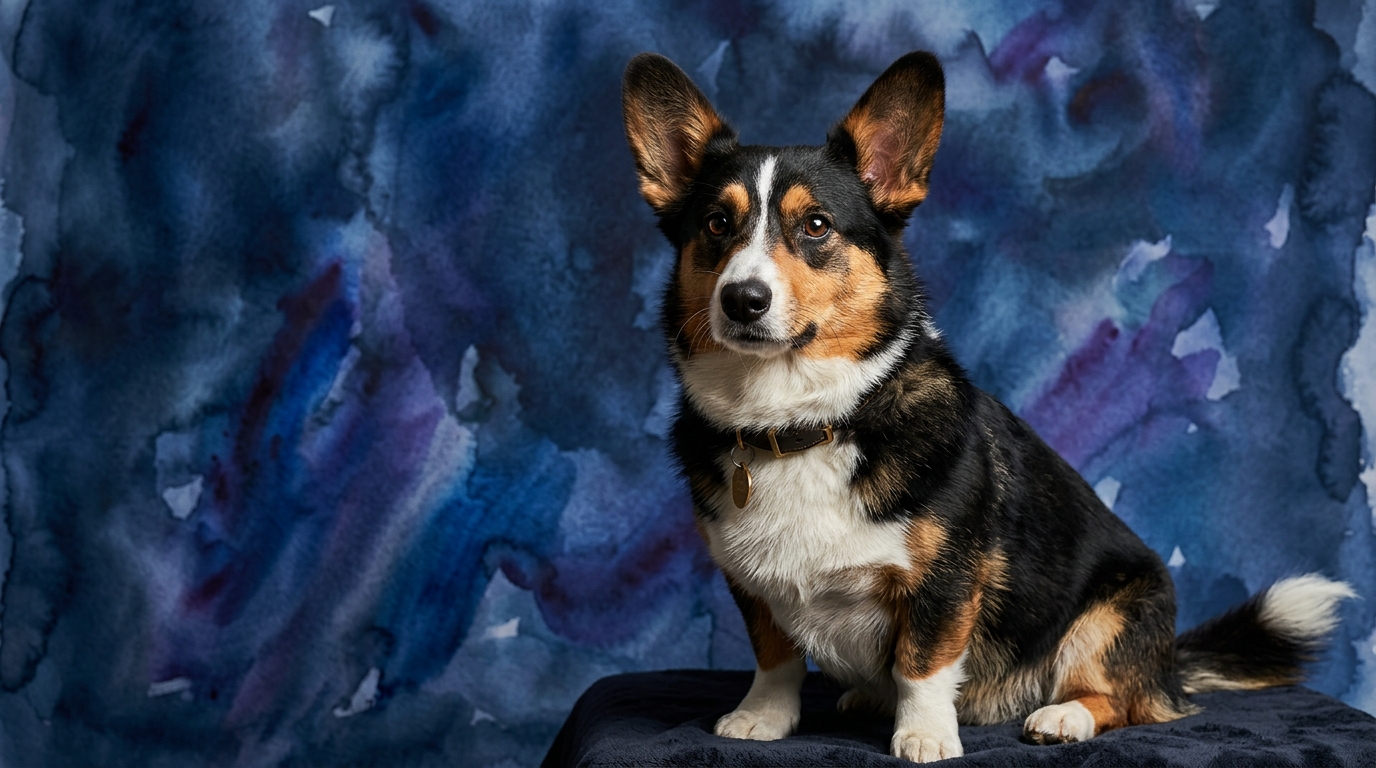
The Cardigan Welsh Corgi, a member of the Herding group, exhibits a cognitive profile tailored for dynamic tasks. Our Pet IQ Lab data assigns it a Problem Solving score of 4/5, indicating a strong capacity for figuring out novel situations and navigating complex environments. Its Training Speed also ranks at 4/5, reflecting a readiness and enthusiasm for learning new commands and behaviors efficiently. Social Intelligence stands at 3/5, suggesting a balanced approach to interaction, while Instinctive Drive, rooted in its herding origins, is also 3/5. A robust Memory of 4/5 further complements its ability to retain learned information and spatial awareness. This breed's Coren rank of #26 places it squarely among breeds demonstrating strong working intelligence, highlighting its aptitude for understanding and executing commands.
In contrast, the Neapolitan Mastiff, categorized within the Working group, presents a cognitive makeup geared towards vigilance and protection. Its scores across the board — Problem Solving, Training Speed, Social Intelligence, Instinctive Drive, and Memory — all register at 3/5. This consistent scoring suggests a deliberate and measured cognitive style rather than rapid-fire responsiveness. Not holding a specific Coren rank, the Neapolitan Mastiff's intelligence is less about quick obedience to abstract commands and more about a profound understanding of its environment and its role within the family unit. Its cognitive strengths lie in patient observation, discerning judgment, and unwavering loyalty, essential traits for a guardian.
Where the Cardigan Welsh Corgi Shines Cognitively
The Cardigan Welsh Corgi consistently demonstrates superior cognitive agility in several key areas. Its Problem Solving score of 4/5 means it often exhibits resourcefulness, figuring out how to open gates, retrieve hidden toys, or even devise clever ways to get attention. This aptitude for mental gymnastics makes them adept at navigating complex puzzle toys and adapting quickly to changes in routine, a direct reflection of their ancestral need to manage livestock independently.
With a Training Speed of 4/5, Corgis are typically enthusiastic learners, picking up new cues and tricks with remarkable alacrity. Their high memory score (4/5) further enhances this, allowing them to retain a vast repertoire of commands and recall past experiences with precision. Owners often report their Corgis remembering specific routes, individual people, or even past training mistakes, indicating a strong capacity for experiential learning and long-term retention. This combination makes them excellent candidates for advanced obedience, rally, and even agility sports where speed and accuracy of recall are paramount.
Where the Neapolitan Mastiff's Cognitive Style Prevails
While the Neapolitan Mastiff's cognitive scores are consistently 3/5, this profile reflects a depth of intelligence perfectly suited to its guardian role, rather than a deficit. Its Problem Solving (3/5) manifests as a more deliberate, watchful approach; a Mastiff might not rush to solve a puzzle but will observe and contemplate, often finding a solution through patient persistence rather than impulsive action. This measured problem-solving is crucial for assessing potential threats and making calm, rational decisions in stressful situations.
The Neapolitan Mastiff's Social Intelligence (3/5) is particularly noteworthy. It cultivates deep, discerning bonds with its family, exhibiting profound loyalty and a nuanced understanding of their emotional states. This isn't about effusive friendliness towards all, but rather a focused, protective affection for its inner circle. Its Instinctive Drive (3/5) is profoundly rooted in guarding, requiring a cognitive framework that prioritizes vigilance and territorial awareness. The breed's memory (3/5) is also robust for remembering who belongs and who doesn't, contributing to its effectiveness as a discerning protector, able to differentiate between genuine guests and perceived intruders with subtle cues.
Training Dynamics: Eager Student vs. Steadfast Learner
Training a Cardigan Welsh Corgi is often a rewarding experience due to its 4/5 Training Speed. These dogs generally possess a keen desire to please and a quick grasp of new concepts, thriving on consistent positive reinforcement and engaging sessions. Their herding background means they are accustomed to working in cooperation with a handler, making them responsive to direction. However, their independent problem-solving can sometimes lead to creative interpretations of commands or a stubborn streak if they perceive a task as illogical, requiring a handler who is both consistent and adaptable.
The Neapolitan Mastiff, with a 3/5 Training Speed, requires a different approach. They are not as inherently driven by quick rewards for complex tricks but respond best to patience, consistency, and a calm, authoritative leadership. Their training is less about rapid acquisition of numerous commands and more about establishing a clear understanding of boundaries, roles, and expectations. Early and extensive socialization is crucial for harnessing their social intelligence and instinctive drive, ensuring they learn appropriate responses to different stimuli rather than relying solely on their natural protective instincts. Repetition and positive reinforcement, coupled with a deep bond, will yield a well-behaved and devoted companion.
Owner Suitability: Interactive Engagement vs. Calm Companionship
For owners seeking an active, mentally stimulating companion, the Cardigan Welsh Corgi is an excellent match. Their Herding group classification means they possess a natural drive to work and enjoy being engaged in activities that challenge their problem-solving and memory. Owners who enjoy teaching new tricks, participating in dog sports like agility or obedience, or simply engaging in regular interactive play and puzzle-solving will find a Corgi a fulfilling partner. They thrive on consistent mental and physical outlets to prevent boredom and channel their considerable cognitive energy constructively.
The Neapolitan Mastiff, on the other hand, is better suited for owners who appreciate a calm, watchful presence and a steadfast companion. While they require regular, moderate exercise to maintain their physical health, their cognitive needs lean more towards a stable environment, clear routines, and a sense of purpose within the home. Relaxed owners who can provide consistent, patient guidance and value a deeply loyal, discerning guardian will find the Mastiff's deliberate cognitive style and protective instincts align perfectly with their lifestyle. They are not dogs that typically seek constant, high-energy interaction but prefer to observe and be present, offering a grounding presence in the home.
The Verdict
Opt for a Cardigan Welsh Corgi if you seek a quick-witted companion eager for training challenges, mental games, and consistent interactive engagement.
Select a Neapolitan Mastiff if you value a steadfast, watchful guardian with a calm demeanor, thriving in a stable home with patient, authoritative guidance.
🧠 Find Your Pet's IQ Score
Our Pet IQ Lab assessment covers 25+ tests across 5 cognitive dimensions — personalized to your breed.
Take the Full IQ Test →Frequently Asked Questions
Do Cardigan Welsh Corgis get bored easily?
Yes, their problem-solving and memory scores suggest they thrive on mental stimulation; without it, they can become restless or find their own (sometimes mischievous) entertainment. Consistent engagement through training and interactive toys is key to their well-being.
How does a Neapolitan Mastiff's social intelligence manifest?
Their 3/5 social intelligence often means they form deep bonds with their family, displaying loyalty and a discerning nature with strangers, preferring calm observation over overt friendliness. They are protective and reserved, assessing new individuals carefully before accepting them.
Can a Neapolitan Mastiff participate in dog sports?
While they possess physical strength, their lower training speed and problem-solving scores mean they are generally less suited for fast-paced agility or obedience competitions compared to breeds with higher cognitive speed. However, they can excel in activities that emphasize strength, focus, and a steady temperament, such as carting or weight pulling.