Side-by-Side IQ Profile: Herder vs. Terrier Mindset
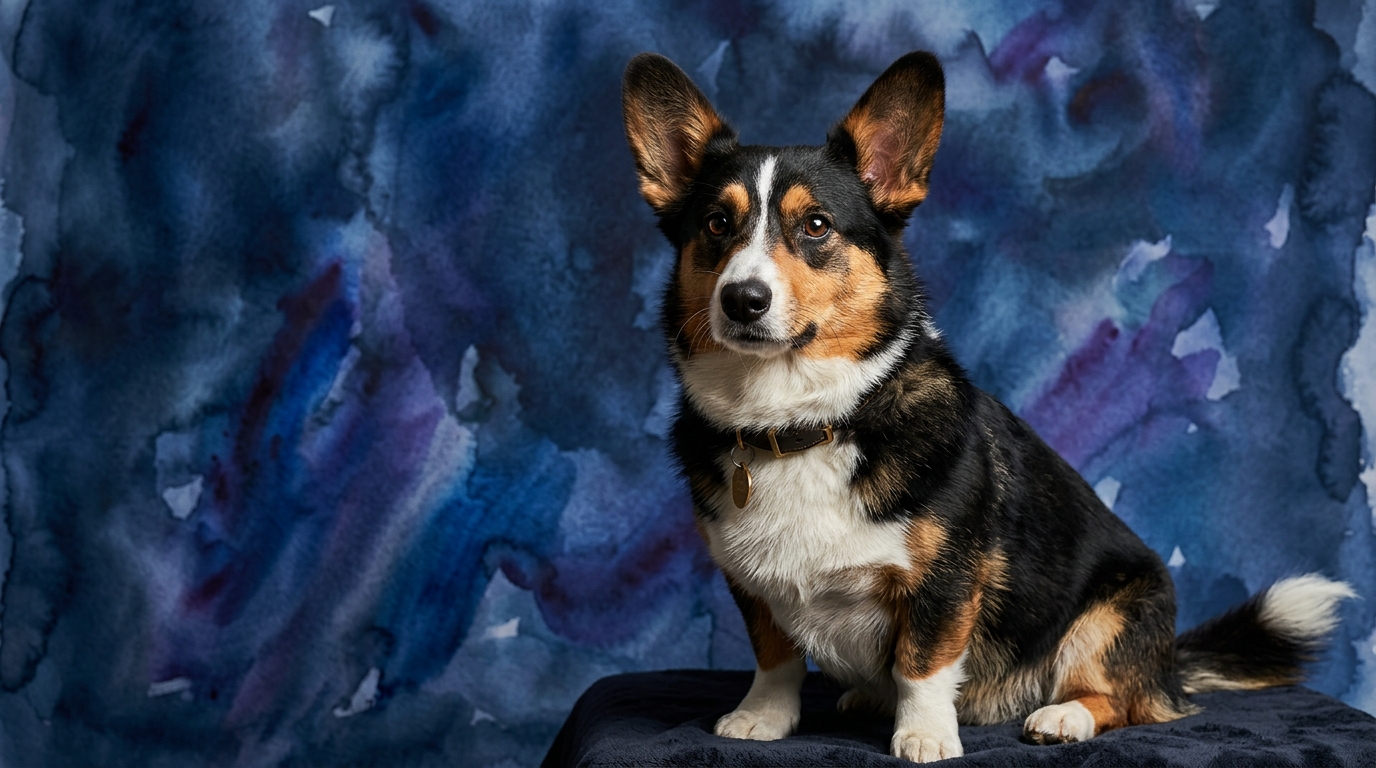
The Cosmic Pet Pet IQ Lab provides a structured framework for understanding canine cognition, breaking down intelligence into five key dimensions. For the Cardigan Welsh Corgi, a breed rooted in herding, these dimensions present a profile geared towards cooperation and strategic thinking. Their Problem Solving is rated at 4/5, indicating a strong capacity to navigate novel situations and figure out solutions. Training Speed also scores 4/5, reflecting their eagerness to learn and retain commands, a crucial trait for a dog working closely with a shepherd. Social Intelligence stands at 3/5, suggesting a moderate ability to interpret human cues and social dynamics, while Instinctive Drive is 3/5, representing their natural inclination towards herding behaviors. Finally, their Memory is rated 4/5, crucial for remembering complex routes and commands over time. This breed holds a respectable Coren rank of #26 among dog breeds, underscoring its general cognitive aptitudes.
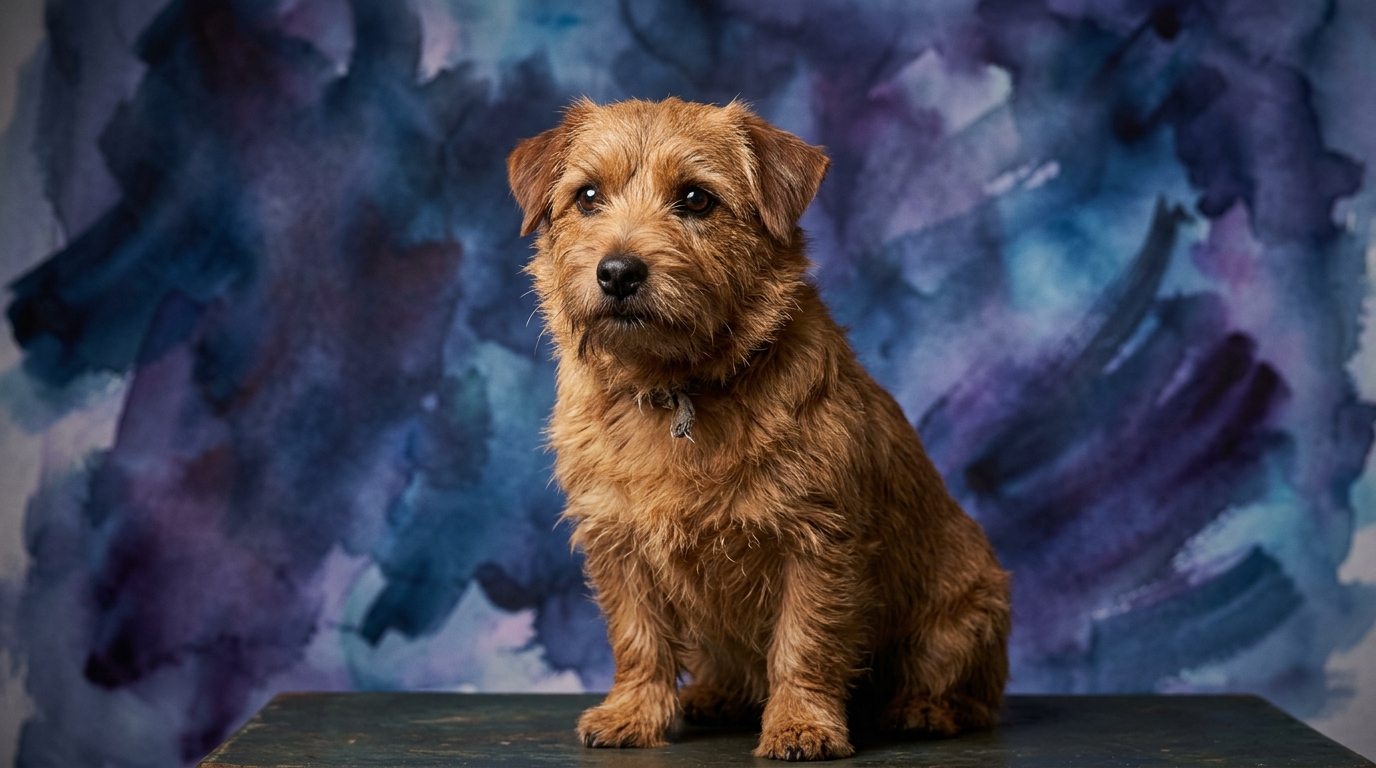
In contrast, the Norfolk Terrier, a robust and spirited earthdog, showcases a cognitive profile optimized for independent action and persistent pursuit. Their Problem Solving is rated 3/5, indicating a competent but perhaps less complex approach to challenges compared to the Corgi. Training Speed also sits at 3/5, suggesting they are capable learners but may require more consistent, engaging methods due to their independent nature. Social Intelligence is 3/5, meaning they are equally capable of forming bonds and understanding social cues, albeit often with a terrier's self-assured twist. Their Instinctive Drive is also 3/5, heavily focused on their ancestral task of hunting vermin, which manifests as a strong prey drive and curiosity. Memory is rated 3/5, providing a solid foundation for retaining learned behaviors and experiences. The Norfolk Terrier is not explicitly ranked in Coren's intelligence list, reflecting its niche role and distinct cognitive priorities.
Where the Cardigan Welsh Corgi Excels Cognitively
The Cardigan Welsh Corgi’s cognitive strengths are particularly evident in its superior scores for Problem Solving, Training Speed, and Memory. With a 4/5 in Problem Solving, these dogs demonstrate a notable aptitude for figuring out intricate tasks, such as navigating puzzle toys or understanding multi-step commands. This translates into a dog that can adapt quickly to new environments and learn complex sequences, crucial for their original role in managing livestock.
Their 4/5 Training Speed means they typically grasp new commands swiftly, often requiring fewer repetitions than many other breeds. This speed is complemented by a 4/5 Memory, allowing them to retain a vast repertoire of learned behaviors and routines over long periods. Owners often find Cardigans pick up on household rules, recall cues, and even advanced tricks with impressive efficiency. This combination of quick learning and strong retention makes them highly receptive to consistent, positive reinforcement training, excelling in activities like obedience, agility, and even rally.
Where the Norfolk Terrier Shines Cognitively
While the Norfolk Terrier’s numerical scores are moderate, its cognitive profile is perfectly attuned to its heritage as an independent vermin hunter, revealing a different kind of operational effectiveness. Their 3/5 Problem Solving, combined with a 3/5 Instinctive Drive, means they excel at practical, on-the-spot decision-making related to their innate drives. This isn't about solving complex abstract puzzles, but rather about rapidly assessing a scent trail or identifying a potential den, then acting decisively and independently.
The Norfolk Terrier’s moderate Social Intelligence (3/5) is paired with a strong sense of self, which, while sometimes perceived as stubbornness in training, is a cognitive asset in their original role. They are capable of forming deep bonds, but their minds are wired for self-reliance; they don't constantly seek human direction to complete a task. This independence means they can operate effectively without constant oversight, a crucial trait for a dog expected to work alone underground. Their cognitive makeup prioritizes persistence and self-direction over constant biddability, making them highly effective in tasks requiring individual initiative.
Training Dynamics: Corgi's Eagerness vs. Terrier's Independence
When it comes to ease of training, the Cardigan Welsh Corgi generally presents a more straightforward path for owners due to their higher Training Speed (4/5) and Memory (4/5). Their herding background instilled a strong desire to cooperate and work alongside humans, making them naturally attentive and motivated by praise and rewards. They tend to respond well to structured training sessions, quickly picking up on cues and retaining them reliably. This biddable nature means they are often a good fit for novice owners willing to invest time in consistent training, as their cognitive framework is geared towards understanding and executing human directives.
The Norfolk Terrier, with its 3/5 Training Speed and Memory, often requires a more nuanced approach. Their independent terrier spirit means they are less inclined to blindly follow commands if a more interesting scent or perceived 'task' (like digging) presents itself. Training a Norfolk requires patience, creativity, and understanding their inherent motivations. Owners must make training engaging and rewarding, often incorporating elements of play and their natural prey drive to maintain focus. While they are certainly capable of learning a wide array of commands, their independent streak means consistency is paramount, and owners should be prepared for moments where the terrier's own agenda might temporarily override human instruction. They learn best when training feels like a collaboration, not a directive.
Matching Cognitive Profiles to Lifestyles: Active vs. Relaxed Owners
The Cardigan Welsh Corgi, with its herding heritage and higher cognitive scores in problem-solving and training speed, thrives with owners who enjoy providing consistent mental engagement and structured activities. While not necessarily requiring marathon runs, they need regular opportunities to use their minds, whether through obedience training, puzzle toys, or learning new tricks. Owners who appreciate a dog that is eager to participate in training sessions, enjoys interactive games, and benefits from clear directives will find a Cardigan a rewarding companion. They suit owners who might be considered 'relaxed' in terms of high-impact sports, but 'active' in their dedication to consistent mental stimulation and structured companionship.
The Norfolk Terrier, driven by its terrier instincts and independent cognitive style, suits owners who are prepared for a dog with a strong personality and a need for varied, self-directed exploration. These dogs need outlets for their curiosity, digging instincts, and desire to investigate, which can translate into a need for secure yards, engaging walks with plenty of sniffing opportunities, and interactive play that taps into their prey drive. They are ideal for owners who are 'active' in seeking out new adventures, appreciate a dog that operates with a degree of independence, and are willing to provide consistent, engaging mental and physical outlets without expecting constant, unquestioning obedience. A 'relaxed' owner who prefers minimal engagement might find a Norfolk's independent spirit and drive challenging without appropriate outlets.
The Verdict: Choosing Your Canine Companion
The Verdict
Choose a Cardigan Welsh Corgi if you value a highly trainable companion eager to engage in structured learning and mental challenges, appreciating a dog that thrives on cooperation and clear direction. They are an excellent fit for owners who enjoy consistent training, dog sports, or simply a biddable family member.
Opt for a Norfolk Terrier if you appreciate a dog with a robust, independent spirit, valuing their self-reliance and tenacious approach to life. They are best suited for owners who enjoy providing diverse outlets for their dog's instinctive drives and a companion who offers lively, independent companionship.
🧠 Find Your Pet's IQ Score
Our Pet IQ Lab assessment covers 25+ tests across 5 cognitive dimensions — personalized to your breed.
Take the Full IQ Test →Frequently Asked Questions
Are Cardigan Corgis good for first-time dog owners?
Yes, Cardigan Welsh Corgis can be good for first-time owners due to their higher training speed and eagerness to please. Their biddable nature makes them responsive to consistent, positive reinforcement training, allowing new owners to build confidence in their handling skills.
Do Norfolk Terriers bark a lot?
Norfolk Terriers can be prone to barking, especially if not adequately stimulated or if they perceive intruders, a trait stemming from their alerting instincts. Consistent training and providing outlets for their energy can help manage excessive barking, but some vocalization is typical for the breed.
What kind of mental exercise do these breeds need?
Cardigan Corgis benefit from puzzle toys, obedience training, and learning new tricks to satisfy their problem-solving and memory skills. Norfolk Terriers thrive on scent work, supervised digging opportunities, and interactive games that simulate hunting, engaging their instinctive drive and independent problem-solving.