Side-by-Side IQ Profile
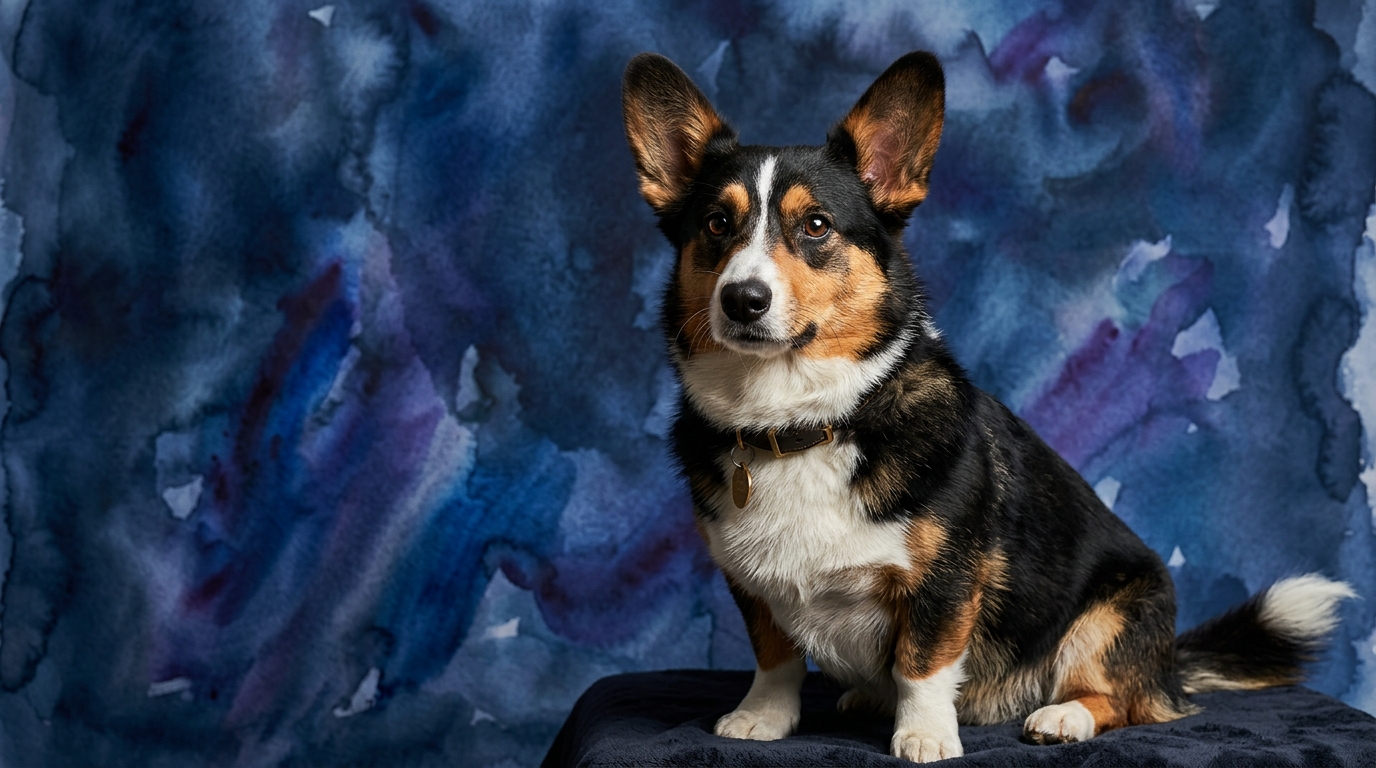
The Cardigan Welsh Corgi, a breed ranked #26 in Coren's hierarchy, demonstrates a robust cognitive toolkit. Its Problem Solving score of 4/5 reflects an aptitude for navigating complex environments and figuring out solutions to novel challenges, often related to manipulating livestock or understanding spatial relationships. Training Speed, also at 4/5, indicates a quick grasp of new commands and routines, making them responsive learners eager to engage in structured tasks.
The Corgi's Social Intelligence, rated 3/5, suggests a moderate awareness of human cues and group dynamics, sufficient for collaborative work but not overly sensitive to subtle social nuances. Its Instinctive Drive at 3/5 points to a persistent, purposeful energy, primarily directed towards herding behaviors like gathering and driving. Memory, at 4/5, enables these dogs to retain learned behaviors and spatial information effectively, crucial for tasks requiring sequential execution or recalling locations.
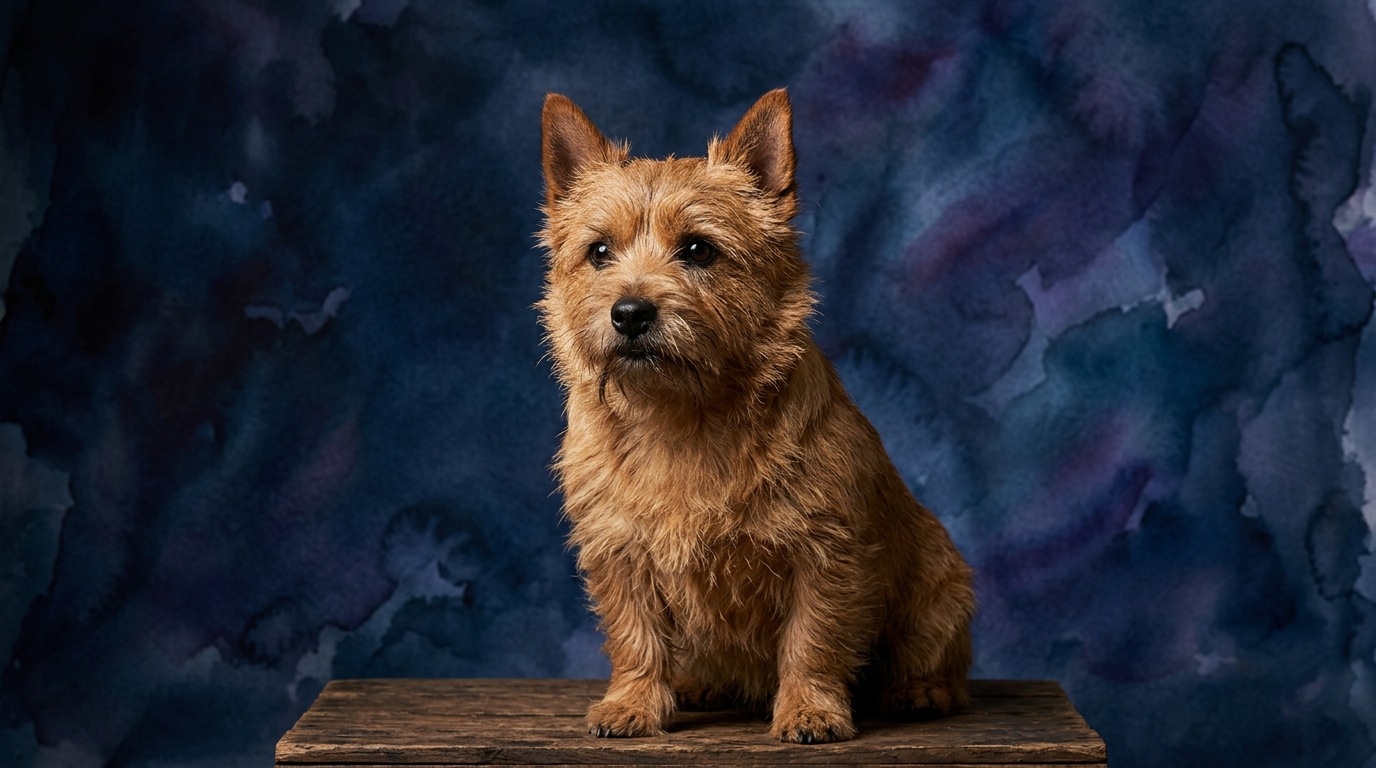
Representing the Terrier group, the Norwich Terrier's cognitive profile is geared towards independent, tenacious work. Its Problem Solving score of 3/5 indicates a practical, persistent approach to overcoming obstacles, often through physical manipulation or determined effort, rather than abstract reasoning. Training Speed, at 3/5, means they can learn, but often require more repetition and consistent motivation than a Corgi, due to their independent streak.
The Norwich Terrier's Social Intelligence, also 3/5, reflects an ability to interact well within a family unit, understanding basic human intentions, but maintaining a degree of self-sufficiency. Its Instinctive Drive of 3/5 is strongly channeled into hunting and digging, manifesting as a focused determination to pursue quarry or investigate scents. Memory, at 3/5, is adequate for retaining essential commands and routines, though they might be less adept at recalling intricate sequences or vast amounts of data compared to the Corgi.
Where Cardigan Welsh Corgi Wins Cognitively
The Cardigan Welsh Corgi distinctly excels in areas requiring structured learning and environmental manipulation. Its superior Problem Solving (4/5 vs. 3/5) means it can more readily deduce solutions to novel puzzles, such as opening latches or navigating obstacle courses, without extensive prior training. This analytical capacity allows them to adapt quickly to new situations, making them adept at various dog sports like obedience or agility where quick thinking and sequential understanding are vital. Furthermore, the Corgi's higher Memory (4/5 vs. 3/5) allows it to retain complex command sequences and recall specific learned behaviors with greater consistency over time. This makes multi-step tasks, such as intricate obedience routines or advanced trick training, more accessible and less prone to requiring frequent refreshers. Their herding background fosters a cognitive style that prioritizes understanding and executing precise directions.
Where Norwich Terrier Wins Cognitively
While the Norwich Terrier's scores are generally not higher, its cognitive strengths lie in areas where independence, tenacity, and single-minded focus are paramount. Its Instinctive Drive (3/5) is uniquely channeled towards persistent investigation and earthdog activities, demonstrating a specialized form of problem-solving that involves relentless pursuit and physical determination, rather than abstract thought. For tasks requiring independent decision-making in the field, such as navigating complex underground tunnels or flushing out vermin, the Norwich's self-reliance and unyielding drive can surpass the Corgi's more collaborative, human-directed approach. Their Problem Solving (3/5) often manifests as a robust, trial-and-error method, where sheer persistence and physical effort solve challenges, a distinct advantage in situations demanding grit over nuanced strategy. This means they are less likely to give up on a task, even if it requires repeated effort or physical exertion.
Which Is Easier to Train and Why
The Cardigan Welsh Corgi is generally easier to train due to its higher Training Speed (4/5 vs. 3/5) and superior Problem Solving. Their herding heritage has instilled a desire to work cooperatively with humans, making them more attentive to commands and quicker to form associations between actions and consequences. A Corgi typically grasps new cues in fewer repetitions and maintains a more consistent focus during training sessions. In contrast, the Norwich Terrier's independent nature, a hallmark of its terrier lineage, often translates into a more challenging training experience. While capable of learning, their strong instinctive drives and self-assured temperament mean they might prioritize their own interests or investigations over human directives, requiring more creative motivation and unwavering consistency from their trainer to achieve reliable obedience. Their problem-solving is often self-directed, making them less inclined to wait for human instruction.
Which Suits Active Owners vs Relaxed Owners
The Cardigan Welsh Corgi suits active owners who can provide consistent mental engagement and moderate physical activity. Their problem-solving abilities and strong memory mean they thrive on learning new skills, participating in dog sports, and engaging in structured play that challenges their minds. While not hyperactive, their herding instincts necessitate a purpose, making them ideal for owners who enjoy consistent training, puzzle toys, and regular, varied walks. A relaxed owner might find a Corgi prone to boredom and potential mischief if its cognitive needs are not met. The Norwich Terrier, with its robust instinctive drive and persistent nature, also benefits from active owners, but in a different way. They require outlets for their innate desire to explore, dig, and chase. Owners who enjoy off-leash adventures in secure areas, earthdog trials, or consistent outdoor exploration will find the Norwich a fulfilling companion. While they can enjoy periods of relaxation, their underlying tenacity means a truly 'relaxed' owner who offers minimal stimulation might find themselves with a bored and potentially destructive terrier. Both breeds require engagement, but the Corgi leans towards mental tasks, while the Norwich needs more opportunities for instinctual physical expression.
The Verdict
Choose the Cardigan Welsh Corgi if you seek a highly trainable companion eager for cooperative learning, excels in structured activities, and will thrive on consistent mental challenges and a moderate exercise routine.
Choose the Norwich Terrier if you appreciate a tenacious, independent spirit, are prepared for consistent, patient training, and can provide ample opportunities for instinctual exploration and physical outlets.
🧠 Find Your Pet's IQ Score
Our Pet IQ Lab assessment covers 25+ tests across 5 cognitive dimensions — personalized to your breed.
Take the Full IQ Test →Frequently Asked Questions
How does the Corgi's herding background influence its problem-solving?
The Corgi's herding background has honed its ability to understand spatial relationships, anticipate movement, and strategically maneuver, resulting in a 4/5 problem-solving score. This translates into an aptitude for tasks requiring planning and execution, such as navigating complex environments or solving multi-step puzzles, reflecting its ancestral role in managing livestock.
Is the Norwich Terrier's independence a sign of lower intelligence?
Not at all; the Norwich Terrier's independence is a characteristic trait of its terrier lineage, reflecting a breed developed for self-reliant hunting. While its training speed and problem-solving are 3/5, this indicates a different cognitive style, one that prioritizes tenacity and individual initiative over cooperative deference, which is valuable for its specific working purpose.
Which breed is better for first-time dog owners interested in training?
For first-time dog owners keen on training, the Cardigan Welsh Corgi is generally a more forgiving choice due to its higher training speed and eagerness to please. Its cooperative nature makes learning new commands and establishing routines a smoother process. The Norwich Terrier, while trainable, requires more experience with consistent, patient methods to manage its independent and sometimes stubborn terrier traits effectively.