Side-by-Side IQ Profile: Cardigan Welsh Corgi vs. Pharaoh Hound
The Cosmic Pet Pet IQ Lab employs a five-dimensional framework to assess canine cognition, providing a nuanced understanding beyond simple obedience. For the Cardigan Welsh Corgi, a Herding breed ranked #26 by Coren, and the Pharaoh Hound, a Hound breed not listed on the Coren ranking, these dimensions highlight their unique mental architectures.
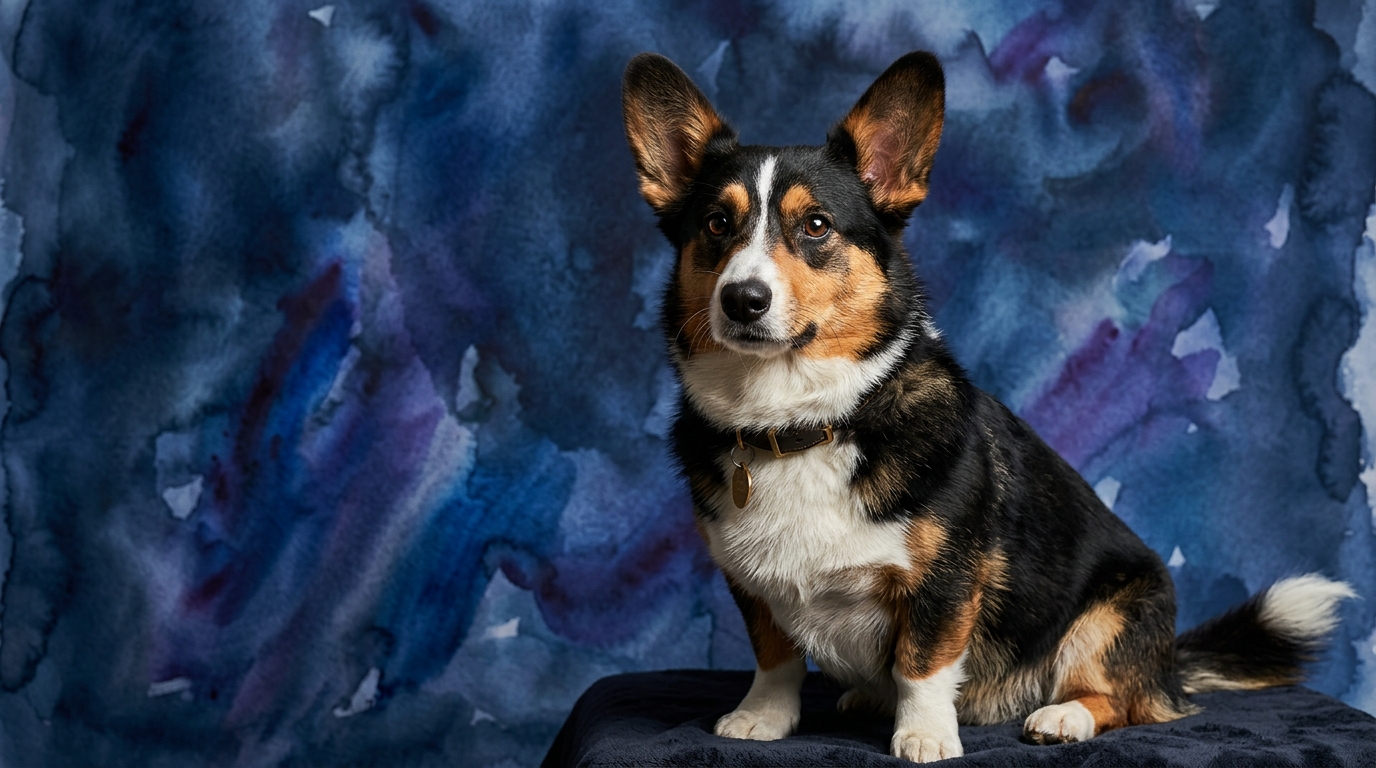
The Cardigan Welsh Corgi exhibits a robust capacity for Problem Solving (4/5), reflecting a history of complex livestock management. They excel at figuring out how to achieve goals, whether it’s navigating a puzzle or circumventing an obstacle, often demonstrating strategic thinking. Their Training Speed (4/5) is equally impressive, as they absorb new commands and routines with remarkable alacrity, forming associations quickly and contributing to a swift learning curve in structured environments. In Social Intelligence (3/5), Cardigans display a moderate degree of social nuance; they form deep family bonds and read human cues but can be discerning or reserved with unfamiliar individuals. Their Instinctive Drive (3/5) is rooted in their herding impulse, prompting them to 'gather' and manage their environment, often through gentle nudging. Finally, a strong Memory (4/5) allows them to recall learned behaviors, routines, and specific locations over extended periods, significantly aiding training retention and adaptability.
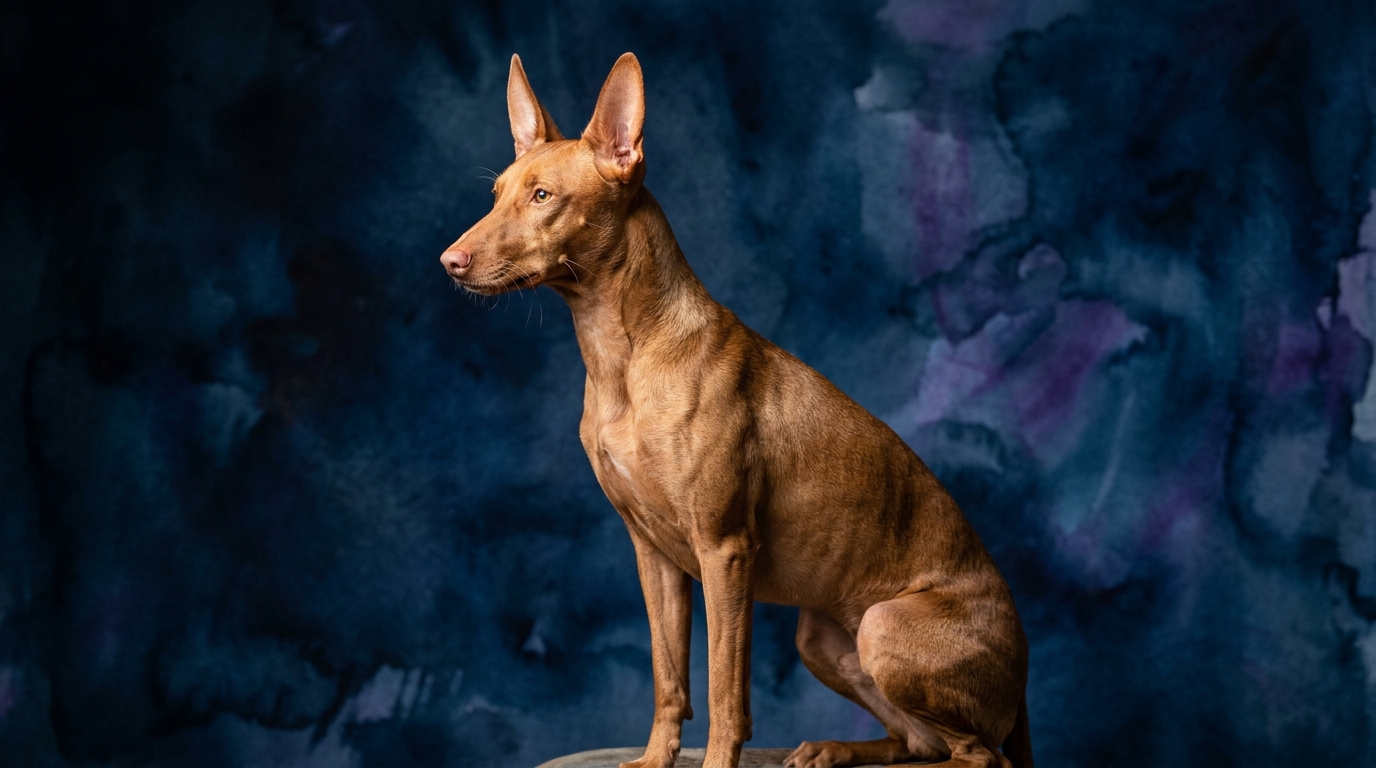
In contrast, the Pharaoh Hound approaches challenges with a more direct, sensory-driven methodology, reflected in a Problem Solving score of 3/5. Their cognitive efforts often revolve around immediate environmental stimuli, such as tracking a scent or pursuing a visual target, rather than intricate multi-step conceptual tasks. Their Training Speed (3/5) is steady, but requires consistent and often repetitive reinforcement to solidify new commands; while not slow, their learning style benefits from patience and highly motivating rewards. Pharaoh Hounds share the same Social Intelligence score (3/5) as the Cardigan, indicating a capacity for deep connection within their family unit, yet often maintaining a dignified distance with strangers, observing rather than overtly engaging. Their Instinctive Drive (3/5) is strongly tied to their sighthound heritage, manifesting as a powerful prey drive where movement and visual stimuli trigger a compelling urge to chase, a core behavioral component. Their Memory (3/5) allows them to recall routines and familiar people effectively, but it may not be as detailed or as quick to retrieve complex sequences as breeds with higher scores, focusing more on what's essential for daily life and established patterns.
Where the Cardigan Welsh Corgi Wins Cognitively
The Cardigan Welsh Corgi demonstrates a clear cognitive advantage in areas demanding strategic thought and rapid assimilation of new information. Their Problem Solving score of 4/5, combined with a Training Speed of 4/5, reflects a historical need to outmaneuver and direct livestock, often requiring quick decisions and adaptability in dynamic situations. This translates into a dog that can quickly understand novel commands, adapt to changing household rules, and even devise clever ways to achieve desired outcomes, such as figuring out how to open a specific cabinet. Furthermore, their superior Memory score of 4/5 ensures that once a lesson is learned, it tends to stick, reducing the need for constant re-teaching. This cognitive profile makes them particularly adept at activities requiring sequential learning, such as advanced obedience or agility courses, where they must remember complex patterns and execute them precisely and often with minimal prompting.
Where the Pharaoh Hound Wins Cognitively
While the Pharaoh Hound's scores might appear lower in direct comparison across generalized cognitive dimensions, their strengths are uniquely tailored to their heritage as independent hunters, rather than herders. Their Instinctive Drive, rated 3/5, while numerically shared with the Corgi, manifests differently and is arguably a more refined tool for their specific purpose. Pharaoh Hounds excel in tasks demanding focused sensory perception and autonomous decision-making in pursuit. They possess an exceptional ability to process visual stimuli and react with incredible speed and precision, a form of rapid, physical problem-solving in an open field. Their cognitive architecture prioritizes immediate environmental processing over abstract reasoning, allowing them to make split-second judgments during a chase without human intervention. This specialized cognitive function, though not reflected in higher generalized problem-solving scores, makes them masters of their ancestral craft and highly efficient in their natural environment.
Training Dynamics: Which is Easier and Why
Based on their IQ profiles, the Cardigan Welsh Corgi generally presents as the easier breed to train. Their 4/5 scores in both Problem Solving and Training Speed mean they not only grasp new concepts quickly but also enjoy the mental engagement of learning. Corgis tend to be eager participants in training sessions, motivated by praise and treats, and they retain commands with their robust 4/5 Memory. This inherent drive to understand and comply, rooted in their herding background where they worked closely with humans, means they require fewer repetitions and are more forgiving of handler inconsistencies, making them a rewarding choice for novice trainers.
Conversely, the Pharaoh Hound, with 3/5 in Training Speed, Problem Solving, and Memory, requires a more patient and persistent approach. Their independent sighthound nature means they are less inherently driven to please and more inclined to follow their own instincts, especially if a more compelling scent or visual stimulus presents itself. Training a Pharaoh Hound necessitates high-value rewards, short, engaging sessions, and an understanding that their primary motivation might not always be human approval but rather the intrinsic reward of the activity itself, or a particularly enticing treat. While they can achieve high levels of training, the journey typically demands more strategic motivation, unwavering consistency, and a deep appreciation for their independent spirit from the owner.
Matching Breeds to Lifestyles: Active vs. Relaxed Owners
The choice between these breeds often boils down to an owner's lifestyle and their preferred level of daily engagement. The Cardigan Welsh Corgi, with its sharp Problem Solving and moderate Instinctive Drive, thrives with owners who enjoy active mental engagement. They need regular opportunities to use their brains, whether through puzzle toys, obedience training, or structured activities like agility. While they appreciate physical exercise, their energy is often channeled into purposeful tasks rather than endless running. They suit an owner who wants a companion to actively participate in daily routines, learn new skills, and engage in problem-solving games, offering a partnership built on mutual mental stimulation.
In contrast, the Pharaoh Hound's 3/5 Instinctive Drive, centered around chase, makes them ideal for owners who can provide outlets for bursts of speed and open-field running. They are not necessarily interested in complex mental games for long periods, preferring physical exertion in a secure environment. While they can be calm indoors, their need to 'stretch their legs' is significant, requiring regular opportunities for vigorous sprints. They are better suited for active owners who enjoy providing ample secure space for their hound to run freely, perhaps even participating in lure coursing, rather than those seeking a dog for intricate daily training sessions that require sustained, focused mental effort.
The Verdict
Choose the Cardigan Welsh Corgi if you seek a highly engaged companion eager to learn, excel in structured training, and participate actively in complex mental challenges. Their superior problem-solving and memory make them excellent partners for owners who appreciate a quick-witted, trainable dog.
Opt for the Pharaoh Hound if you value a dignified, independent companion with a strong athletic drive, and you can provide ample secure space for vigorous physical exercise, understanding their training requires patience and consistent, positive reinforcement. Their unique sighthound traits appeal to those appreciating their specific, graceful athleticism.
🧠 Find Your Pet's IQ Score
Our Pet IQ Lab assessment covers 25+ tests across 5 cognitive dimensions — personalized to your breed.
Take the Full IQ Test →Frequently Asked Questions
How does a Cardigan Welsh Corgi's herding instinct manifest in a home environment?
A Cardigan's 3/5 Instinctive Drive for herding might appear as gentle nudging of family members, particularly children, or an inclination to keep the 'flock' (family) together. They may also be watchful of their surroundings, assessing and 'managing' perceived threats or changes, often expressed through alert barking or careful observation.
Does the Pharaoh Hound's independent nature make them difficult to live with?
Not necessarily. While their 3/5 scores in problem-solving and training speed indicate a more independent learning style, Pharaoh Hounds are affectionate with their families and can be very devoted. Their independence means they appreciate personal space and might not be constantly seeking attention, but they form deep bonds and enjoy quiet companionship.
Given both breeds have a 3/5 Social Intelligence, how does this practically compare?
Practically, both breeds show discernment in their social interactions; they bond deeply with their family but can be reserved with strangers. For the Cardigan, this might manifest as watchful barking or a protective stance, while for the Pharaoh Hound, it's often expressed as a calm, observant aloofness rather than boisterous greeting, maintaining a dignified distance.